


The digital maps for “No Kings Day” portrayed Orange County as a tinderbox of activism on March 28, 2026. Hundreds of pins were dropped from La Habra to San Clemente, signaling a countywide wave of unified demonstrations. However, the reality was quite different from the internet buzz for those who really spent the day walking the streets of OC.
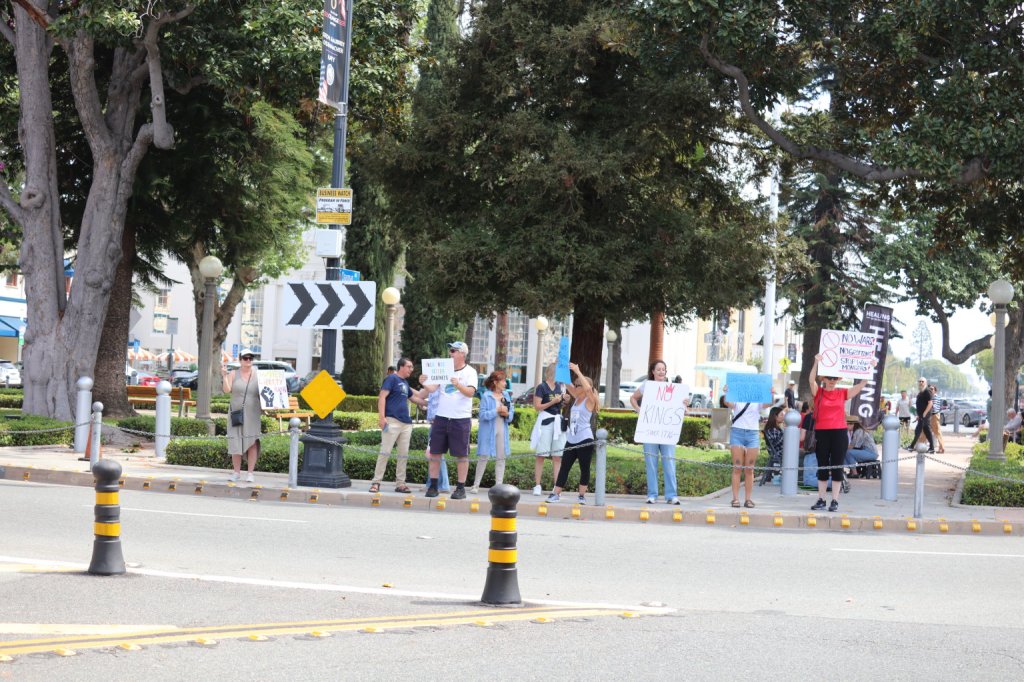
Only eleven individuals were present in the historic Orange Plaza, which is often the site of neighborhood protests. Although there were 300 decent crossings in Santa Ana at the intersection of Bristol and MacArthur, the silence everywhere else was deafening. The “No Kings” campaign failed in Orange County, but not only there; Between its digital aspirations and its physical implementation, it experienced a structural breakdown.
The Failure of the “Micro-Rally”
The event planners chose a “decentralized” approach, fostering local, community-level gatherings. Even though this seems amazing on a website, it is a logistical nightmare to gain momentum. The movement successfully made itself invisible by dispersing a small number of activists throughout 30 separate street corners.
You are a statistical outlier when you have a dozen people at a significant intersection in a county of three million. The “peanut butter approach” distributed resources so widely that the visual effect was diminished.
The Anaheim Siphon
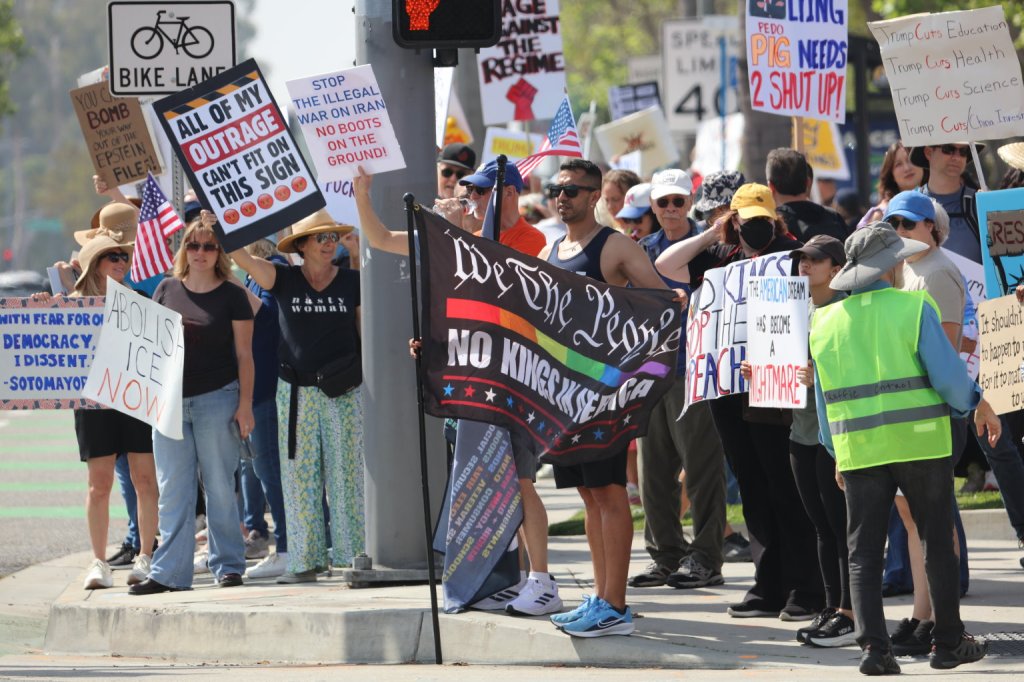
Additionally, the county’s tranquility can be attributed to the “Flagship” impact. La Palma Park in Anaheim absorbed the majority of the local organizational drive. Thousands of people are said to have congregated there to hear speakers like Ada Briceño, but at the expense of the rest of the county.
The organizers inadvertently implied that the morning “neighborhood rallies” were just optional placeholders by focusing the day on a single late-afternoon event. The average bystander in Orange or Tustin wouldn’t notice the movement since everyone had already begun their journey to Anaheim.
The Reality on the Streets versus Online RSVPs
We are experiencing a period of “Click-tivism,” in which a thousand “Likes” on a Mobilize event page seldom equate to a thousand people in the streets. Many of the “silent” locations that the public saw on March 28th were probably “user-submitted” sites or automatically created incidents that didn’t have a dedicated local captain.
These micro-protests vanished before they could even start because there was no one on the ground to manage the logistics of water, signage, and morale. A map pin represents data, not a community. Data points don’t have indications, as we observed this Saturday.
The OC Activism Lesson
“No Kings Day” in Orange County failed to achieve its aim of presenting a united, ubiquitous front. In the majority of our local communities, the movement prioritized accessibility over density and ultimately achieved neither.
The lesson for prospective organizers is straightforward: Without significant, hyper-local infrastructure, a “neighborhood corner” approach would not be effective in Orange County because it is too big and relies too heavily on automobiles. No matter how loudly the internet claims to be, the streets of OC will remain silent unless activists exchange their online pins for real, on-the-ground coordination.
Discover more from The OC Reporter
Subscribe to get the latest posts sent to your email.
 The OC Reporter