A Peaceful Demonstrator at the No Kings Day Rally – Santa Ana/Costa Mesa
The digital maps for “No Kings Day” portrayed Orange County as a tinderbox of activism on March 28, 2026. Hundreds of pins were dropped from La Habra to San Clemente, signaling a countywide wave of unified demonstrations. However, the reality was quite different from the internet buzz for those who really spent the day walking the streets of OC.
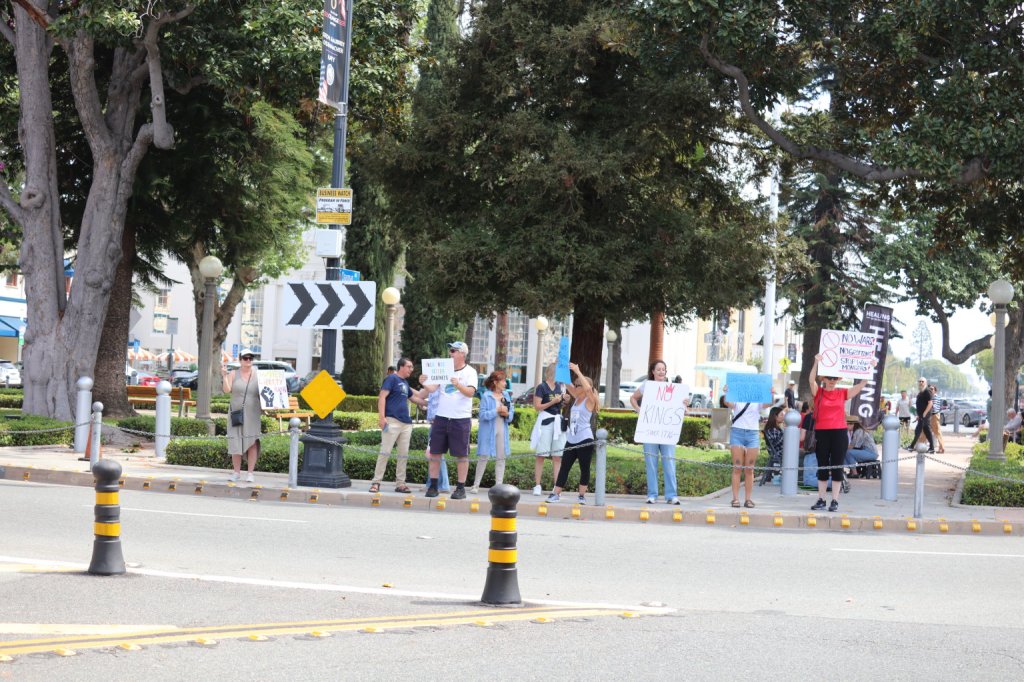
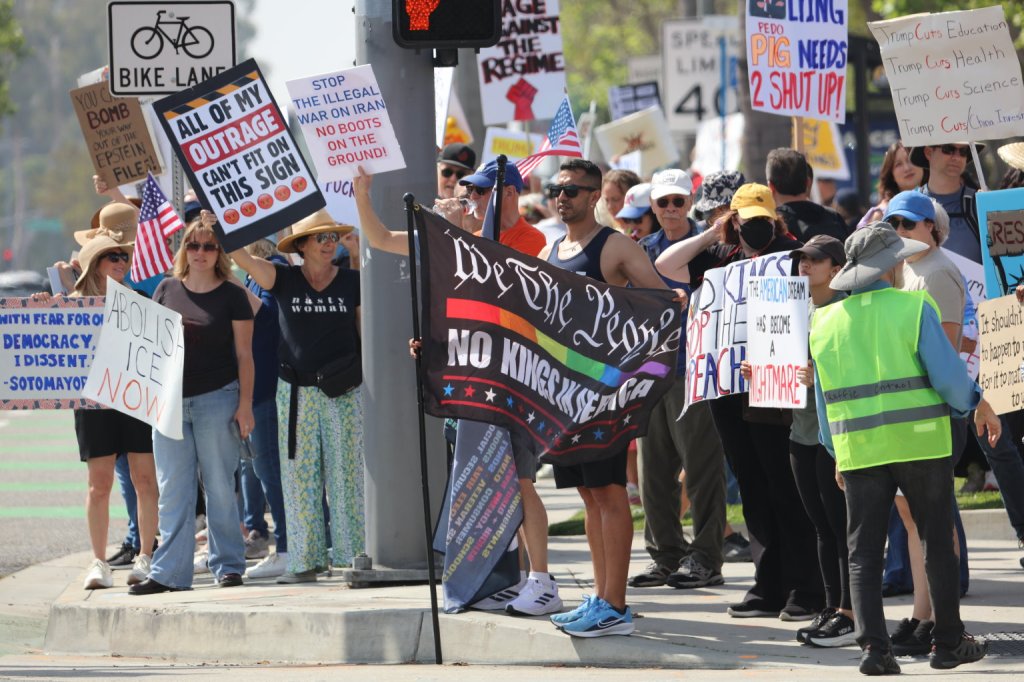
Only eleven individuals were present in the historic Orange Plaza, which is often the site of neighborhood protests. Although there were 300 decent crossings in Santa Ana at the intersection of Bristol and MacArthur, the silence everywhere else was deafening. The “No Kings” campaign failed in Orange County, but not only there; Between its digital aspirations and its physical implementation, it experienced a structural breakdown.
The Failure of the “Micro-Rally”
The event planners chose a “decentralized” approach, fostering local, community-level gatherings. Even though this seems amazing on a website, it is a logistical nightmare to gain momentum. The movement successfully made itself invisible by dispersing a small number of activists throughout 30 separate street corners.
You are a statistical outlier when you have a dozen people at a significant intersection in a county of three million. The “peanut butter approach” distributed resources so widely that the visual effect was diminished.
Micro Rally at The City of Orange Plaza about 11 People Rallied.
The Anaheim Siphon
Additionally, the county’s tranquility can be attributed to the “Flagship” impact. La Palma Park in Anaheim absorbed the majority of the local organizational drive. Thousands of people are said to have congregated there to hear speakers like Ada Briceño, but at the expense of the rest of the county.
The organizers inadvertently implied that the morning “neighborhood rallies” were just optional placeholders by focusing the day on a single late-afternoon event. The average bystander in Orange or Tustin wouldn’t notice the movement since everyone had already begun their journey to Anaheim.
The Reality on the Streets versus Online RSVPs
We are experiencing a period of “Click-tivism,” in which a thousand “Likes” on a Mobilize event page seldom equate to a thousand people in the streets. Many of the “silent” locations that the public saw on March 28th were probably “user-submitted” sites or automatically created incidents that didn’t have a dedicated local captain.
These micro-protests vanished before they could even start because there was no one on the ground to manage the logistics of water, signage, and morale. A map pin represents data, not a community. Data points don’t have indications, as we observed this Saturday.
Santa Ana/ Costa Mesa Rally about 300 people attended
The OC Activism Lesson
“No Kings Day” in Orange County failed to achieve its aim of presenting a united, ubiquitous front. In the majority of our local communities, the movement prioritized accessibility over density and ultimately achieved neither.
The lesson for prospective organizers is straightforward: Without significant, hyper-local infrastructure, a “neighborhood corner” approach would not be effective in Orange County because it is too big and relies too heavily on automobiles. No matter how loudly the internet claims to be, the streets of OC will remain silent unless activists exchange their online pins for real, on-the-ground coordination.
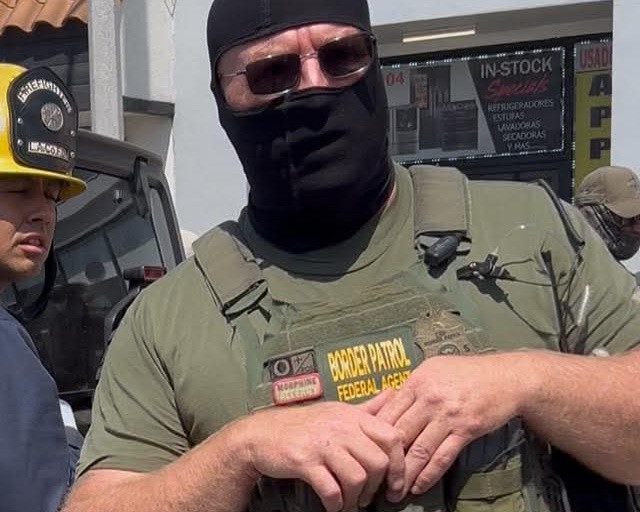
La “Ley de No Policía Secreta” – SB 627 entra en vigor a partir del 1 de enero de 2026.
La “Ley de No a la Policía Secreta”, una legislación revolucionaria que prohíbe a todos los agentes del orden público que trabajan en el estado, incluidos los agentes federales (como los de ICE o CBP) y el personal de otros estados, usar mascarillas que oculten su identidad mientras están de servicio, se implementó en California a partir del 1 de enero de 2026, de acuerdo con el Proyecto de Ley Senatorial 627. La prohibición se dirige particularmente a las mascarillas “extremas”, como pasamontañas o pasamontañas, que ocultan los rasgos faciales hasta el punto de que un agente no puede ser fácilmente reconocido por su nombre o número de placa.
La creciente preocupación pública por la posibilidad de que funcionarios federales no identificados llevaran a cabo operativos, en particular de control migratorio, en grandes ciudades de California, completamente enmascarados y sin ningún medio de identificación, condujo a la legislación. Los críticos compararon estos métodos con los utilizados en regímenes autoritarios, alegando que erosionaban la confianza de la comunidad y fomentaban el miedo en lugar de la seguridad. Al exigir que todas las personas que ejercen la autoridad policial en el estado sean claramente identificables, la SB 627 busca restablecer la rendición de cuentas.
Para el 1 de julio de 2026, todas las fuerzas del orden, incluyendo las locales, estatales, federales e incluso los grupos de trabajo visitantes de otros estados, deberán implementar y publicar políticas escritas que rijan el uso de mascarillas faciales de acuerdo con la nueva legislación. Como reflejo del serio propósito de la legislatura, las infracciones pueden dar lugar tanto a litigios civiles como a sanciones penales. No obstante, esta estrategia de cumplimiento ha suscitado preocupación: sobre todo en casos de alta visibilidad o sensibilidad política, los críticos advierten que la identificación de los agentes podría exponerlos al acoso en internet, la difusión de información personal o represalias.
La transparencia es esencial en una democracia, según sus defensores. Durante el debate del proyecto de ley, un asistente legislativo declaró: «Si el público no sabe quién lo vigila, no puede haber una policía responsable». La legislación también aborda una amenaza real: la posibilidad de que delincuentes se hagan pasar por agentes del orden. El proyecto de ley SB 627 busca eliminar la ambigüedad que podría facilitar el fraude o la violencia al aumentar la cantidad de videos virales que muestran a personas enmascaradas ejerciendo su autoridad.
Sin embargo, existe una oposición inmediata y firme a la legislación. En entornos donde los agentes federales se enfrentan a amenazas de cárteles, traficantes de personas o extremistas nacionales, el Departamento de Seguridad Nacional de EE. UU. (DHS) ha declarado inconstitucional la SB 627, alegando que les impide desempeñar sus responsabilidades de forma segura. El DHS ha indicado que planea impugnar la legislación en los tribunales bajo el concepto de primacía federal y sostiene que el estado no tiene jurisdicción sobre las acciones de las fuerzas del orden federales.
Este conflicto legal sienta las bases para una posible batalla constitucional en la Corte Suprema de Estados Unidos sobre el conflicto entre los derechos estatales y la autoridad federal. Mientras tanto, el audaz experimento de California sirve como un caso de prueba nacional: ¿Tiene un estado la autoridad para exigir transparencia a todos los que portan una placa en su territorio, independientemente de su jurisdicción?
Al redefinir los límites éticos y visuales de la policía contemporánea, la SB 627 tiene el potencial de servir de modelo para leyes similares en todo el país si recibe apoyo. En una época donde las fronteras entre la autoridad estatal y federal son cada vez más difusas, podría fortalecer los límites del poder estatal si se rechaza. En cualquier caso, California ha reabierto un debate crucial sobre quién vigila a los vigilantes y si se les debería permitir usar mascarilla.
Aunque este estatuto está formalmente en vigor a partir de enero de 2026, el Estado de California y el gobierno federal ahora están envueltos en una importante disputa legal al respecto.
Disposiciones principales de la Ley de No a la Policía Secreta (SB 627)
Prohibición de mascarillas: Prohíbe a los agentes del orden público locales y federales utilizar pasamontañas, máscaras de esquí o polainas para el cuello que cubran sus rostros mientras están de servicio.
Requisitos de identificación: Los uniformes, nombres o números de placa deben facilitar la identificación de los agentes del orden. La Ley de No Vigilantes (SB 805), que aborda en particular las tácticas de “policía secreta” empleadas en recientes redadas de inmigración, suele ir acompañada de esto.
Resultados de las infracciones:
Responsabilidad civil: Los oficiales que usan máscaras cuando cometen agravios (como arrestos falsos o asaltos) pierden algunas de sus protecciones legales (inmunidad calificada) y pueden estar sujetos a una multa civil mínima de $10,000.
Cargos criminales: El incumplimiento de la prohibición de usar mascarillas puede ser procesado como un delito menor.
Situación jurídica vigente (enero de 2026)
Debe tener en cuenta los siguientes cambios, aunque la legislación entró en vigor el 1 de enero de 2026:
Demanda federal: El Departamento de Justicia de los Estados Unidos (DOJ) presentó una demanda contra California, alegando que el estado no puede regular las acciones de los agentes federales (ICE, Patrulla Fronteriza). Afirman que esto contraviene la “Cláusula de Supremacía” de la Constitución.
Orden judicial temporal: A fines de diciembre de 2025, un tribunal federal (la jueza Christina A. Snyder) emitió una orden judicial temporal sobre la aplicación de ciertas disposiciones de la ley contra funcionarios federales mientras el caso está pendiente de sentencia.
Conflicto sobre el terreno: Algunos fiscales de distrito de California, como los de San Francisco, han dicho que planean aplicar la ley agresivamente e incluso han insinuado que la policía local podría arrestar a los agentes federales que violen estas leyes estatales.
Las excepciones de la ley
Aunque la ley tiene algunas restricciones sobre el uso de mascarillas, hay situaciones particulares en las que está permitido:
Operaciones Encubiertas: Con el fin de garantizar la seguridad de los agentes en posiciones encubiertas.
Equipo médico/táctico: Cascos tácticos estándar o máscaras de grado médico, como las N95, que se usan por razones de salud.
Incendio/Situaciones peligrosas: Máscaras que brindan protección física contra peligros ambientales.
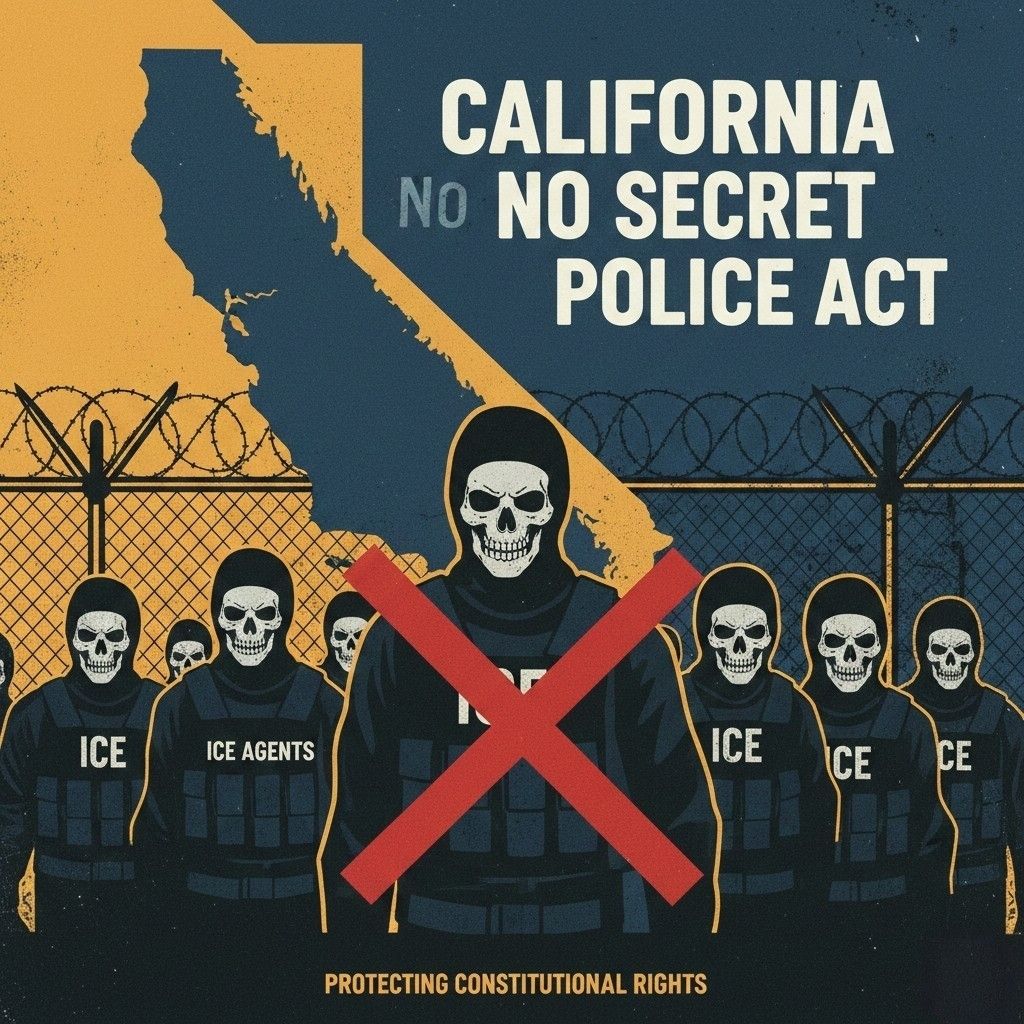
The “No Secret Police Act” – SB 627 is in effect as of January 1st 2026.
The “No Secret Police Act,” which is a revolutionary legislation that forbids all law enforcement officers working in the state, including federal agents (like those from ICE or CBP) and out-of-state personnel, from wearing face coverings that conceal their identity while on duty, has been implemented in California as of January 1, 2026, in accordance with Senate Bill 627. The prohibition particularly aims at “extreme” coverings, such as ski masks or balaclavas, that conceal facial features to the extent that an officer cannot be easily recognized by their name or badge number.
Growing public concern that unidentified federal officials were carrying out operations, notably immigration enforcement, in large California cities while fully masked and without any means of identification led to the legislation. These methods were compared by critics to those used in authoritarian regimes, claiming they eroded community trust and fostered dread as opposed to security. By requiring that all individuals who use police authority in the state be clearly identifiable, SB 627 seeks to reestablish accountability.
By July 1, 2026, all law enforcement organizations, including local, state, federal, and even visiting out-of-state task forces, must implement and make public written policies governing the use of facial coverings in accordance with the new legislation. Reflecting the legislature’s serious purpose, infractions may lead to both civil litigation and criminal punishment. Nonetheless, there have been worries about this enforcement strategy: Particularly in cases with high visibility or political sensitivity, critics caution that identifying officers might leave them vulnerable to internet bullying, doxxing, or retribution.
Transparency is essential in a democracy, according to its proponents. During the bill’s debate, a legislative assistant stated, “If the public doesn’t know who is policing them, you cannot have accountable policing.” The legislation also addresses a real threat: the possibility of criminals posing as law enforcement officials. SB 627 aims to remove ambiguity that might facilitate fraud or violence by increasing the number of videos that go viral and feature masked people asserting authority.
However, there is immediate and strong opposition to the legislation. In environments where federal officers face threats from cartels, human traffickers, or domestic extremists, the U.S. Department of Homeland Security (DHS) has deemed SB 627 unconstitutional, claiming that it impedes their capacity to carry out their responsibilities safely. DHS has indicated plans to contest the legislation in court under the notion of federal preemption and contends that the state has no jurisdiction over the actions of federal law enforcement.
This legal conflict lays the groundwork for a potential constitutional struggle in the United States Supreme Court over the conflict between state rights and federal authority. Meanwhile, California’s daring experiment serves as a national test case: Does a state have the authority to require transparency from everyone who wears a badge on its territory, regardless of jurisdiction?
By redefining the ethical and visual limits of contemporary policing, SB 627 has the potential to serve as a model for similar legislation throughout the nation if it is supported. In an age where the borders between state and federal authority are becoming more and more hazy, it may strengthen the boundaries of state power if it is defeated. In any case, California has reopened a vital discussion about who is watching the watchers and if they should be permitted to wear a mask..
Although this statute is formally in force as of January 2026, the State of California and the federal government are now embroiled in a significant legal dispute about it.
The No Secret Police Act (SB 627)’s Main Provisions
Mask Ban: It forbids local and federal law enforcement officers from wearing ski masks, balaclavas, or neck gaiters that cover their faces while on duty.
Identification Requirements: Uniforms, names, or badge numbers must make law enforcement officials easily identifiable. The No Vigilantes Act (SB 805), which particularly addresses the “secret police” tactics employed in recent immigration raids, is frequently coupled with this.
Results of infractions:
Civil Liability: Officers who wear masks when committing torts (such as false arrest or assault) lose some of their legal protections (qualified immunity) and may be subject to a minimum civil fine of $10,000.
Criminal Charges: A breach of the mask ban may be prosecuted as a misdemeanor.
Existing Legal Position (January 2026)
You should be aware of the following changes, even though the legislation became law on January 1, 2026:
Federal Lawsuit: The U.S. Department of Justice (DOJ) filed a lawsuit against California, claiming that the state cannot regulate the actions of federal agents (ICE, Border Patrol). They claim that this contravenes the Constitution’s “Supremacy Clause.”
Temporary Injunction: In late December 2025, a federal court (Judge Christina A. Snyder) issued a temporary stop (injunction) on the enforcement of certain provisions of the law against federal officers while the case is pending adjudication.
On the Ground Conflict: Some District Attorneys in California, like those in San Francisco, have said they plan to aggressively enforce the law and have even implied that local police may arrest federal agents who break these state laws.
The Law’s Exceptions
Although the law has some restrictions on mask use, there are particular situations when it is permitted:
Undercover Operations: In order to guarantee the security of agents in deep-cover positions.
Medical/Tactical Equipment: Standard tactical helmets or medical-grade masks, such as N95s, worn for health reasons.
Fire/Dangerous Situations: Masks that provide physical protection from environmental dangers.
No es un agente de la ley federal, sino un cazarrecompensas que infringe las leyes estatales y federales.
En los últimos meses, se ha difundido desinformación en redes sociales y en el discurso político, sugiriendo que el Servicio de Inmigración y Control de Aduanas (ICE) o la Oficina de Aduanas y Protección Fronteriza (CBP) de EE. UU. tienen la autoridad para delegar a ciudadanos estadounidenses comunes en la aplicación de la ley migratoria. Esta afirmación no solo es engañosa, sino categóricamente falsa, y su persistencia podría socavar la confianza pública en las fuerzas del orden federales y generar peligrosos malentendidos sobre el estado de derecho.
Seamos claros: ni el ICE ni la CBP designan a ciudadanos estadounidenses comunes para fines policiales. Estas agencias cuentan con oficiales y agentes capacitados y juramentados que se someten a rigurosas verificaciones de antecedentes, capacitación especializada y rinden cuentas ante la ley federal. La idea de que a los estadounidenses comunes se les puedan otorgar las facultades de agentes federales de las fuerzas del orden es una invención sin fundamento legal ni político.
Entendiendo las Agencias
El Servicio de Inmigración y Control de Aduanas de Estados Unidos (ICE) opera bajo el Departamento de Seguridad Nacional (DHS) y es responsable de hacer cumplir las leyes federales que rigen el control fronterizo, las aduanas, el comercio y la inmigración. Sus agentes son profesionales altamente capacitados encargados de investigar violaciones a la ley de inmigración, la trata de personas, el contrabando y otras amenazas a la seguridad nacional.
La Oficina de Aduanas y Protección Fronteriza de los Estados Unidos (CBP) es la agencia encargada de la seguridad fronteriza en los puertos de entrada y entre ellos. Los oficiales de la CBP y los agentes de la Patrulla Fronteriza son agentes federales encargados de hacer cumplir las leyes de inmigración, aduanas y agricultura.
Ambas agencias trabajan dentro de un marco legal establecido por el Congreso y supervisado por el DHS y el sistema judicial más amplio.
¿Por qué no se produce la delegación?
El concepto de delegación —donde una agencia gubernamental autoriza temporalmente a civiles a actuar en su nombre— no es inédito en la historia estadounidense, particularmente en tiempos de guerra o emergencia. Sin embargo, en el contexto moderno, especialmente en lo que respecta a la aplicación de la ley migratoria:
Restricciones legales : No existe ninguna ley federal actual que autorice a ICE o CBP a delegar a ciudadanos privados en la aplicación de las leyes de inmigración.
Capacitación y rendición de cuentas : Las fuerzas del orden requieren una amplia capacitación, conocimientos jurídicos y medidas de rendición de cuentas. Empoderar a personas sin la capacitación adecuada supondría graves riesgos para los derechos civiles y la seguridad pública.
Cadena de Mando : Las agencias federales operan bajo estrictas cadenas de mando y supervisión. Permitir que personas no oficiales actúen como agentes socava el debido proceso y podría dar lugar a abusos de poder.
El peligro de la desinformación
Promover la creencia de que el ICE o la CBP pueden delegar responsabilidades a los ciudadanos alimenta las teorías conspirativas y el vigilantismo. Puede animar a las personas a tomarse la justicia por su mano, lo que deriva en acoso, detenciones ilegales y discriminación racial, todo lo cual erosiona la confianza de la comunidad y viola derechos constitucionales.
Además, estas afirmaciones distraen de los debates reales sobre la reforma migratoria, la seguridad fronteriza y los desafíos que enfrentan estas agencias. Además, generan un temor innecesario en las comunidades inmigrantes, polarizando aún más un tema ya de por sí polémico.
Conclusión
Es vital que sepamos distinguir entre la realidad y la ficción en lo que respecta a la aplicación de las leyes migratorias. ICE y CBP son agencias federales profesionales que llevan a cabo misiones complejas y difíciles conforme a la ley. Difundir falsedades sobre sus operaciones perjudica al público y amenaza la integridad de nuestras instituciones democráticas.
Instamos a la ciudadanía a confiar en fuentes de información fiables y a abordar las afirmaciones sobre las agencias federales con escepticismo y pensamiento crítico. En tiempos de profunda división política y desinformación generalizada, la claridad y la verdad son más importantes que nunca.
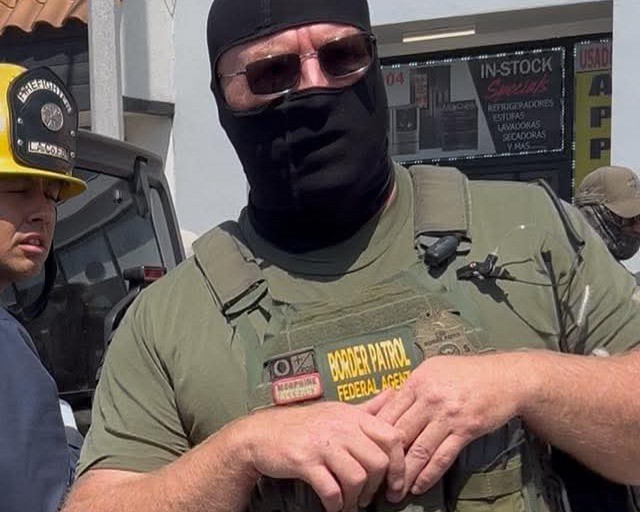
Not A Federal Law Enforcement Agent, but A Bounty Hunter Breaking State and Federal Laws.
In recent months, misinformation has spread across social media and political discourse suggesting that U.S. Immigration and Customs Enforcement (ICE) or U.S. Customs and Border Protection (CBP) have the authority to deputize ordinary American citizens to assist in immigration enforcement. This claim is not only misleading—it’s categorically false, and its persistence risks undermining public trust in federal law enforcement and creating dangerous misunderstandings about the rule of law.
Let us be clear: Neither ICE nor CBP deputizes ordinary U.S. citizens for law enforcement purposes. These agencies are staffed by trained, sworn officers and agents who undergo rigorous background checks, specialized training, and are held accountable under federal law. The idea that average Americans can be granted the powers of federal law enforcement officers is a fabrication with no basis in statute or policy.
Understanding the Agencies
U.S. Immigration and Customs Enforcement (ICE) operates under the Department of Homeland Security (DHS) and is responsible for enforcing federal laws governing border control, customs, trade, and immigration. Its agents are highly trained professionals tasked with investigating violations of immigration law, human trafficking, smuggling, and other national security threats.
U.S. Customs and Border Protection (CBP) is the frontline agency charged with securing the nation’s borders at and between ports of entry. CBP officers and Border Patrol agents are federal law enforcement personnel who enforce immigration, customs, and agricultural laws.
Both agencies work within a legal framework established by Congress and overseen by DHS and the broader judicial system.
Why Deputization Doesn’t Happen
The concept of deputization—where a government agency temporarily authorizes civilians to act on its behalf—is not unheard of in American history, particularly during times of war or emergency. However, in the modern context, especially regarding immigration enforcement:
Legal Constraints: There is no current federal law authorizing ICE or CBP to deputize private citizens for immigration enforcement.
Training and Accountability: Law enforcement requires extensive training, legal knowledge, and accountability measures. Empowering untrained individuals would pose serious risks to civil rights and public safety.
Chain of Command: Federal agencies operate under strict chains of command and oversight. Allowing non-officials to act as agents undermines due process and could lead to abuses of power.
The Danger of Misinformation
Promoting the belief that ICE or CBP can deputize citizens fuels conspiracy theories and vigilantism. It can embolden individuals to take the law into their own hands, leading to harassment, unlawful detentions, and racial profiling—all of which erode community trust and violate constitutional rights.
Moreover, such claims distract from real discussions about immigration reform, border security, and the challenges faced by these agencies. They also create unnecessary fear among immigrant communities, further polarizing an already contentious issue.
Conclusion
It is vital that we separate fact from fiction when it comes to immigration enforcement. ICE and CBP are professional federal agencies carrying out complex and difficult missions under the law. Spreading falsehoods about their operations does a disservice to the public and threatens the integrity of our democratic institutions.
We urge citizens to rely on credible sources of information and to approach claims about federal agencies with skepticism and critical thinking. In a time of deep political division and widespread misinformation, clarity and truth matter more than ever.