Editorial: ¿Las rotondas de Santa Ana hacen las calles más seguras o más peligrosas?

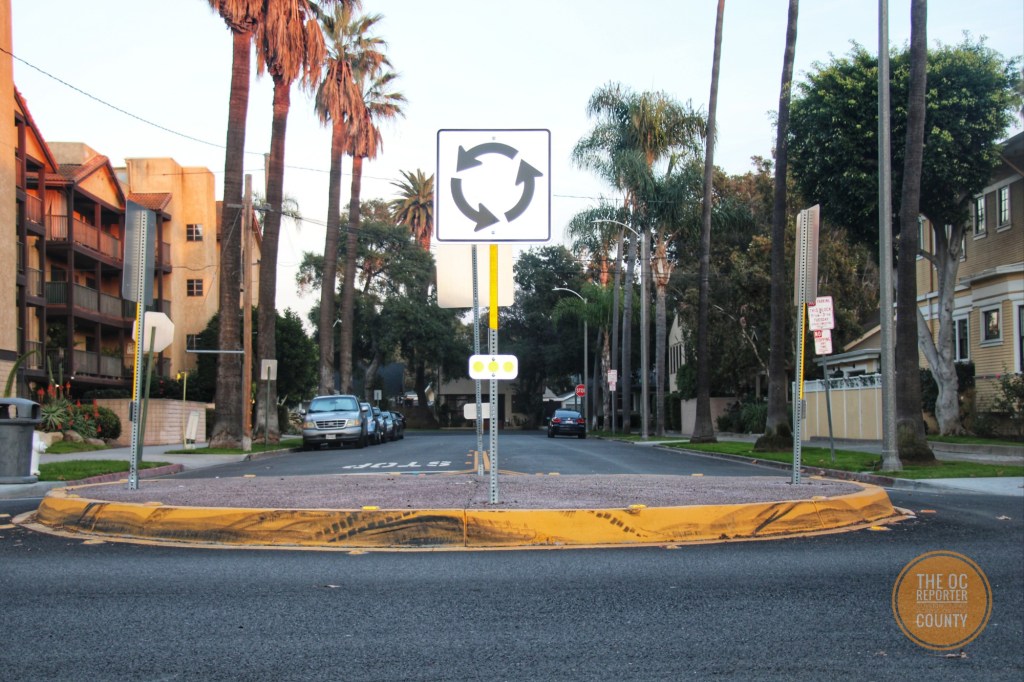
Foto de The OC Reporter/ ¿Seguridad o peligro en Santa Ana?

Las rotondas suelen considerarse una solución moderna a los problemas del tráfico urbano: reducen la velocidad de los vehículos, eliminan las colisiones transversales a alta velocidad y, en teoría, crean calles más tranquilas y seguras. Por eso, Santa Ana, al igual que muchas ciudades del país, las ha ido instalando poco a poco, desde corredores céntricos hasta tranquilas manzanas residenciales, como parte de una iniciativa más amplia de pacificación del tráfico.

Pero cuando una rotonda se encuentra cerca de un cruce peatonal donde un querido miembro de la comunidad es atropellado y muere, como le ocurrió a María Rubalcava de Ruesga, de 69 años, en las calles Bishop y Shelton en noviembre de 2025, no basta con citar las estadísticas nacionales. Los residentes se plantean preguntas urgentes y locales: ¿Funciona este diseño aquí? ¿Para quién? ¿Y a qué precio?

El accidente fatal, seguido pocos días después por una colisión de varios vehículos cerca de otra rotonda del centro, en las calles Bush y 8, ha intensificado las preocupaciones que venían latentes. Los vecinos reportan confusión, comportamiento errático al volante e incluso un aumento en la velocidad al circular por patrones circulares desconocidos. Una rotonda, que antes era una simple señal de alto de cuatro vías, se ha convertido en un lugar frecuente de cuasi accidentes, según informes locales.

Esto no significa que las rotondas sean intrínsecamente defectuosas. Datos de la Administración Federal de Carreteras e ingenieros de transporte muestran sistemáticamente que reducen los accidentes graves hasta en un 80 % en comparación con las intersecciones señalizadas. Pero el éxito depende de algo más que solo asfalto y pintura. Se basa en una señalización clara, una iluminación adecuada, cruces peatonales adecuados, educación vial y, fundamentalmente, la participación de la comunidad antes de que comience la construcción.

El compromiso de Santa Ana con Visión Cero —eliminar las muertes por accidentes de tránsito— es encomiable. Sin embargo, la infraestructura que prioriza el flujo vehicular sobre la claridad peatonal puede ser contraproducente, especialmente en vecindarios con personas mayores, niños y mucho tráfico peatonal.  Si los residentes se sienten menos seguros, es una señal que vale la pena tomar en cuenta.

Instamos a la Ciudad de Santa Ana a detenerse, escuchar y evaluar. Publicar datos de accidentes antes y después. Realizar una auditoría de seguridad de las rotondas recientemente instaladas. Organizar foros vecinales, no solo para dar explicaciones, sino también para el codiseño. La seguridad no se trata solo de métricas de ingeniería; se trata de si las personas se sienten seguras al caminar a la parada de autobús o cruzar la calle para visitar a un vecino.

Las rotondas pueden ser parte de un futuro más seguro, pero solo si se diseñan pensando en las personas, no solo en el tráfico.

— Consejo Editorial de The OC Reporter

Editorial: Are Santa Ana’s Roundabouts Making Streets Safer—or More Dangerous?

Photo by The OC Repoorter/ Safety or Hazard in Santa Ana?

Roundabouts are often hailed as a modern solution to urban traffic woes: they reduce vehicle speeds, eliminate high-speed T-bone collisions, and, in theory, create calmer, safer streets. That’s why Santa Ana, like many cities across the country, has been steadily installing them—from downtown corridors to quiet residential blocks—as part of a broader traffic-calming initiative.

But when a roundabout sits near a crosswalk where a beloved community member is struck and killed, as happened to 69-year-old Maria Rubalcava de Ruesga on Bishop and Shelton Streets in November 2025, it’s not enough to point to national statistics. Residents are asking urgent, localized questions: Is this design working here? For whom? And at what cost?

The fatal crash—followed just days later by a multi-vehicle collision near another downtown roundabout at Bush and 8th Streets—has amplified long-simmering concerns. Neighbors report confusion, erratic driver behavior, and even increased speeding as motorists navigate unfamiliar circular patterns. One roundabout, converted from a straightforward four-way stop, has become a frequent site of near-misses, according to local accounts.

This isn’t to say roundabouts are inherently flawed. Data from the Federal Highway Administration and transportation engineers consistently show they reduce severe crashes by up to 80% compared to signalized intersections. But success depends on more than just asphalt and paint. It hinges on clear signage, proper lighting, adequate pedestrian crossings, driver education—and, crucially, community input before construction begins.

Santa Ana’s commitment to Vision Zero—eliminating traffic deaths—is commendable. Yet infrastructure that prioritizes vehicle flow over pedestrian clarity can backfire, especially in neighborhoods with seniors, children, and high foot traffic. If residents feel less safe, that’s a signal worth heeding.

We urge the City of Santa Ana to pause, listen, and evaluate. Release before-and-after crash data. Conduct a safety audit of recently installed roundabouts. Host neighborhood forums—not just for explanation, but for co-design. Safety isn’t just about engineering metrics; it’s about whether people feel secure walking to the bus stop or crossing the street to visit a neighbor.

Roundabouts can be part of a safer future—but only if they’re designed with people, not just traffic, in mind.

— The OC Reporter Editorial Board

Residentes preocupados afirman que las nuevas rotondas representan riesgos para la seguridad en Santa Ana

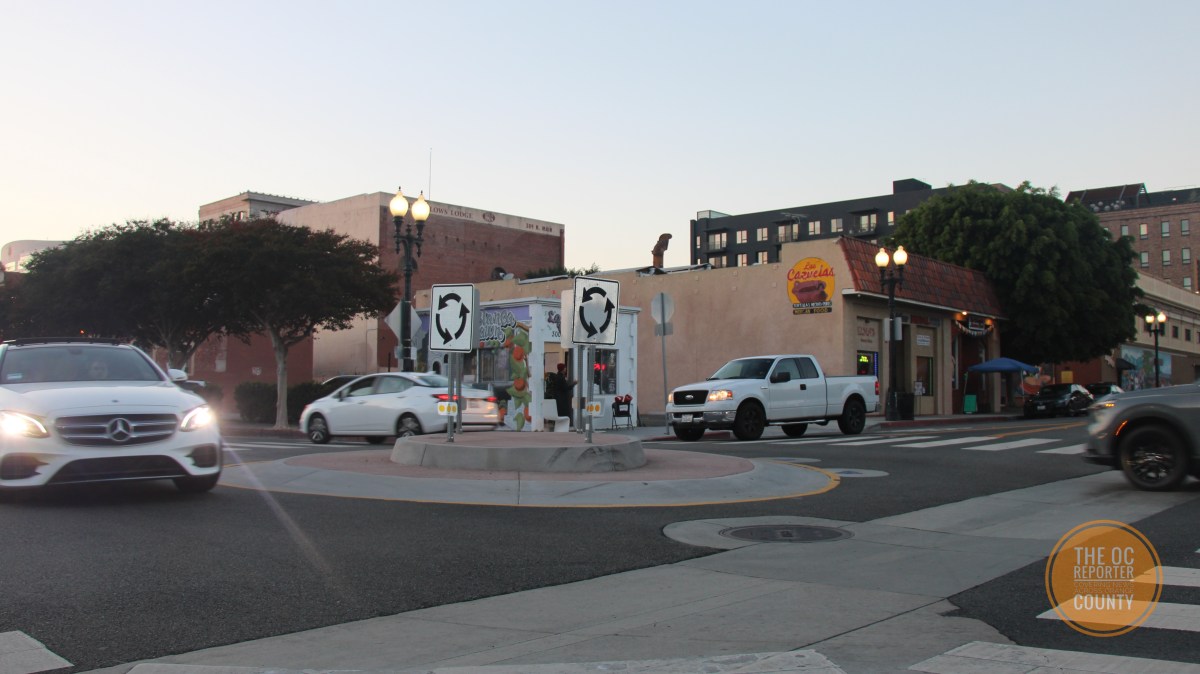
Fotografía de The OC Reporter/ 3rd y Bush St – 1st Roundabout que Santa Ana instaló hace unos años y muchos accidentes casi fatales

Las rotondas han estado apareciendo en Santa Ana durante varios años, primero como instalaciones temporales, luego como elementos permanentes. El centro de la ciudad vio su primera rotonda en las calles Tercera y Bush, y en los últimos años, se han expandido a barrios residenciales como parte de la estrategia más amplia de la ciudad para moderar el tráfico.

Las autoridades municipales promocionan las rotondas como una medida de seguridad comprobada, citando estudios que demuestran que reducen la probabilidad de accidentes mortales y con lesiones graves en comparación con las intersecciones convencionales. Por su diseño, las rotondas reducen la velocidad de los vehículos y eliminan puntos de conflicto de alto riesgo, como giros a la izquierda y colisiones frontales, comunes en intersecciones con semáforos o con control de parada. Se espera que los conductores cedan el paso al tráfico circulante, reduzcan la velocidad al acercarse y señalicen antes de salir.

Foto de The OC Reporter/ El 19 de noviembre de 2025, María Rubalcava de Ruesga, de 69 años, fue atropellada y asesinada por un camión de basura mientras cruzaba donde está instalada una rotonda.

Pero algunos residentes ahora argumentan que estas mismas características están creando nuevos peligros.  El 19 de noviembre de 2025, María Rubalcava de Ruesga, de 69 años, fue atropellada y falleció por un camión de basura mientras cruzaba un cruce peatonal cerca de la intersección de las calles Bishop y Shelton, donde se instaló una rotonda hace aproximadamente un año. El Departamento de Policía de Santa Ana está investigando el accidente, y los vecinos han expresado su preocupación de que la disposición de la rotonda pueda estar contribuyendo a condiciones peligrosas tanto para peatones como para conductores.

Menos de dos semanas después, otro accidente grave ocurrió en las cercanías. Según un registro de despacho de la OCFA del 28 de noviembre de 2025, a las 23:56, varios vehículos colisionaron en la intersección de las calles North Bush y East 8th, el mismo corredor que la rotonda del centro. Unidades de la División 6, incluyendo el Batallón 9, la Unidad de Motor 75 y el Camión 75, acudieron al lugar. 

Foto de The OC Reporter/varios vehículos chocaron en la intersección de North Bush Street y East 8th Street

Los residentes de la zona reportan un aumento en el exceso de velocidad y confusión sobre las normas de derecho de paso, particularmente en una rotonda que reemplazó una antigua intersección de cuatro vías. Algunos afirman que el cambio ha vuelto la intersección más caótica, no más segura, aunque la ciudad no ha publicado datos oficiales de accidentes que comparen las condiciones antes y después de la instalación.

Fotografía de The OC Reporter/ Señales de conductores corriendo hacia la rotonda en 9th y Spurgeon.

Mientras Santa Ana continúa modernizando las intersecciones con rotondas para mejorar la seguridad del vecindario, los miembros de la comunidad solicitan una revisión más exhaustiva de su diseño, ubicación e impacto, especialmente en zonas con alta actividad peatonal.

Concerned Residents Say New Roundabouts Pose Safety Risks in Santa Ana

Photo by The OC Repoorter/ 3rd and Bush St – 1st Roundabout that Santa Ana installed a few years ago and many near misses of accidents

Roundabouts have been appearing across Santa Ana for several years—first as temporary installations, then as permanent fixtures. The downtown area saw its first roundabout at Third and Bush Streets, and in recent years, they’ve expanded into residential neighborhoods as part of the city’s broader traffic-calming strategy.

City officials tout roundabouts as a proven safety measure, citing studies showing they reduce the likelihood of fatal and serious injury crashes compared to conventional intersections. By design, roundabouts slow vehicle speeds and eliminate high-risk conflict points—like left-turn and head-on collisions—common at signalized or stop-controlled intersections. Drivers are expected to yield to circulating traffic, reduce speed on approach, and signal before exiting.

Photo by The OC Repoorter/ On November 19, 2025, 69-year-old Maria Rubalcava de Ruesga was struck and killed by a trash truck while crossing where a roundabout is installed.

But some residents now argue that these very features are creating new dangers.  

On November 19, 2025, 69-year-old Maria Rubalcava de Ruesga was struck and killed by a trash truck while crossing at a crosswalk near the intersection of Bishop and Shelton Streets—a location where a roundabout was installed about a year ago. The Santa Ana Police Department is investigating the crash, and neighbors have voiced concerns that the roundabout’s layout may be contributing to hazardous conditions for pedestrians and drivers alike.

Less than two weeks later, another serious crash occurred nearby. According to an OCFA dispatch log from November 28, 2025, at 11:56 p.m., multiple vehicles collided at the intersection of North Bush Street and East 8th Street—the same corridor as the downtown roundabout. Units from Division 6, including Battalion 9, Engine 75, and Truck 75, responded to the scene.

Photo by The OC Repoorter/ multiple vehicles collided at the intersection of North Bush Street and East 8th Street

Residents in the area report increased speeding and confusion around right-of-way rules, particularly at a roundabout that replaced a former four-way stop. Some say the change has made the intersection more chaotic, not safer—though the city has not released official crash data comparing conditions before and after installation.

Photo by The OC Repoorter/ Signs of drivers running into the roundabout on 9th and Spurgeon.

As Santa Ana continues to retrofit intersections with roundabouts in an effort to improve neighborhood safety, community members are calling for a closer review of their design, placement, and impact—especially in areas with high pedestrian activity.

Editorial: Santa Ana debe dejar de ignorar a los terroristas cazarrecompensas que se hacen pasar por agentes de ICE.

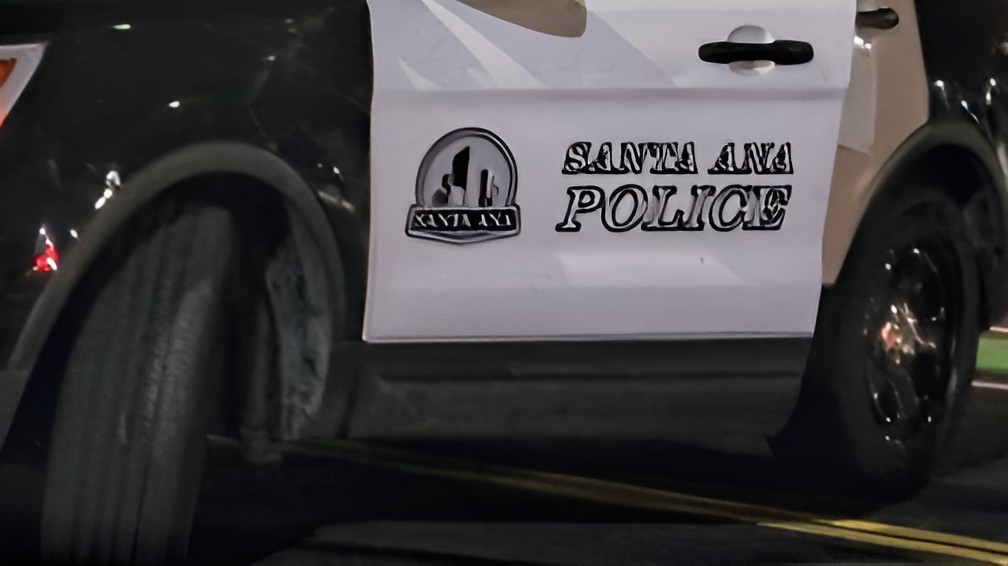
Foto: The OC Reporter / Departamento de Policía de Santa Ana

A estas alturas ya no es un rumor; es un hecho documentado.

Hombres con placas falsas que se hacen pasar por funcionarios federales están aterrorizando hogares, asustando a jóvenes y destrozando familias en las calles de Santa Ana. No son agentes de ICE. Son cazarrecompensas independientes o contratistas que carecen de autoridad legal, constitucional y de derecho a estar en nuestras calles. Sin embargo, se aprovechan de nuestra ansiedad, desconcierto y del silencio de quienes juraron defendernos, actuando con total impunidad.

Estas personas no son agentes del orden. Son delincuentes. Suplantar la identidad de un agente federal es un delito grave tanto en California como a nivel federal. La entrada ilegal en propiedad ajena se define como el ingreso a una residencia sin permiso ni orden judicial. Utilizar amenazas de deportación para obtener favores o dinero de los residentes locales constituye coacción, y posiblemente secuestro. Además, según el artículo 837 del Código Penal de California, toda persona tiene el derecho —y la obligación— de realizar un arresto ciudadano al presenciar la comisión de tales delitos.

Entonces, ¿cuál es la razón de Santa Ana? ¿La policía se niega a actuar? No es por miedo al ICE. El problema no radica en la falta de conocimiento de la jurisdicción, sino en la negligencia. Es complicidad por inacción.

Foto de: The OC Reporter/ Impostores de ICE vistos en la 1.ª y Grand Ave.

A pesar de que el Ayuntamiento creó correctamente el fondo Ayuda Sin Fronteras, presentó solicitudes de acceso a la información pública, se sumó a demandas federales y recibió 50.000 dólares de apoyo de Sahuayo, México, nuestra policía sigue sin hacer nada mientras estos delincuentes andan sueltos. No están sobrecargados de trabajo ni confundidos. Simplemente deciden no aplicar la ley. Esto no es una discrepancia política. No es un debate sobre inmigración. Se trata de justicia fundamental.

Una madre no vive en una ciudad santuario si un hombre con una chaqueta negra llama a su puerta diciendo ser agente federal y ella se esconde en su cocina mientras la policía no hace nada cuando llama al 911. Está bajo asedio.

El alcalde Amezcua y el Ayuntamiento se han expresado extensamente sobre dignidad, justicia y derechos civiles. Ahora deben exigir que se tomen medidas. El Departamento de Policía de Santa Ana debe:

  • Utilice las leyes vigentes sobre arresto ciudadano y las leyes estatales contra la suplantación de identidad para capacitar de inmediato a los agentes en el reconocimiento y la detención de impostores que se hacen pasar por cazarrecompensas.
  • Identificar y denunciar públicamente a estos individuos como delincuentes, en lugar de como “socios en la aplicación de la ley”.
  • Establecer un equipo de respuesta rápida para investigar y registrar cada incidente reportado, y luego poner esta información a disposición del público en general.
  • Para procesar a los delincuentes reincidentes por cargos federales, trabaje con el FBI y el Departamento de Justicia.
  • Difundir imágenes, descripciones de vehículos y métodos conocidos a través de alertas comunitarias para informar a las familias sobre a quién temer y a quién detener.
Foto de: The OC Reporter/ Impostores de ICE vistos en Ross y Santa Ana Blvd.

El liderazgo moral de la ciudad no vale nada si su fuerza policial no defiende a sus ciudadanos de los criminales que se esconden tras la fachada del gobierno federal.

El aumento de $100,000 a Ayuda Sin Fronteras es algo que aplaudimos. Sin embargo, la tranquilidad de un niño que duerme sin ansiedad no se puede reemplazar con ninguna ayuda económica. El trauma de una intrusión domiciliaria por parte de un individuo con una placa falsa no se puede reparar con ninguna acción legal.

Gracias a Santa Ana, el mundo ha visto lo que es la valentía. Ahora debe demostrar lo que es la justicia mediante arrestos, no mediante comunicados de prensa.

Los cazarrecompensas no son agentes de inmigración, son delincuentes. Violan la ley. Además, nuestra policía debería empezar a tratarlos como tales.

— Los habitantes de Santa Ana merecen más que compasión. Merecen protección.

Editorial: Santa Ana Needs to Stop Ignoring Bounty Hunter Terrorists Impersonating ICE.

Photo by: The OC Reporter / Santa Ana Police Department

It’s no longer a rumor; it’s a documented fact.

Men wearing fake badges and claiming to be federal officials are terrorizing homes, scaring youngsters, and destroying families in the streets of Santa Ana. They are not ICE officers. They are independent bounty hunters, or contractors, who have no legal authority, constitutional authority, or right to be on our streets. They nevertheless take advantage of our anxiety, bewilderment, and the silence of the people sworn to defend us while acting with impunity.

These are not “enforcers.” They are criminals. Impersonating a federal officer is a felony under both California and federal law. Trespassing is defined as entering a residence without permission or a warrant. Using deportation threats to get compliance or money from locals is coercion, and maybe kidnapping. Additionally, according to California Penal Code § 837, every person has the right—and the obligation—to conduct a citizen’s arrest when witnessing such offenses being committed.

Therefore, what is the reason for Santa Ana? The police are unwilling to take action? Not fear of ICE. The problem is not a lack of understanding regarding jurisdiction. It is negligence. It’s complicity by inaction.

Photo by: The OC Reporter/ ICE Impostors seen on 1st and Grand Ave.

Despite the fact that the City Council has correctly created the Ayuda Sin Fronteras fund, submitted FOIA requests, joined federal lawsuits, and received $50,000 in support from Sahuayo, Mexico, our police force is still doing nothing while these criminals are allowed to go free. They aren’t “overworked,” nor are they “confused.” They are making the decision to refrain from enforcing the law. This isn’t a disagreement on policy. This is not a discussion about immigration. This is about fundamental justice.

A mother is not living under a sanctuary city if a man in a black jacket knocks on her door claiming to be federal and she hides in her kitchen while the police do nothing when she calls 911. She’s under siege.

Mayor Amezcua and the City Council have spoken at length about dignity, fairness, and civil rights. They must now insist on action. The Santa Ana Police Department must:

  • Utilize current citizen’s arrest laws and state laws against impersonation to immediately train officers to recognize and apprehend bounty hunter imposters.
  • Publicly identify and denounce these individuals as criminals rather than “enforcement partners.”
  • Establish a quick response team to look into and record each reported event, and then make this information available to the general public.
  • In order to prosecute repeat offenders on federal charges, work with the FBI and DOJ.
  • Disseminate images, vehicle descriptions, and known methods through community alerts to inform families about who to be afraid of and who to apprehend.
Photo by: The OC Reporter/ ICE Impostors seen on Ross and Santa Ana Blvd.

The city’s moral leadership is worthless if its police force won’t defend its citizens from the criminals hiding behind the guise of the federal government.

The $100,000 increase to Ayuda Sin Fronteras is something we applaud. However, a child sleeping without anxiety cannot be replaced by any financial support. The trauma of a house invasion by a guy using a phony badge cannot be undone by any legal action.

The world has seen what bravery looks like, thanks to Santa Ana. It must now demonstrate what justice looks like via arrests, not via press releases.

The bounty hunters are not ICE, they are criminals. They break the law. Additionally, our cops should start treating them like one.

— The People of Santa Ana deserve more than sympathy. They deserve protection.

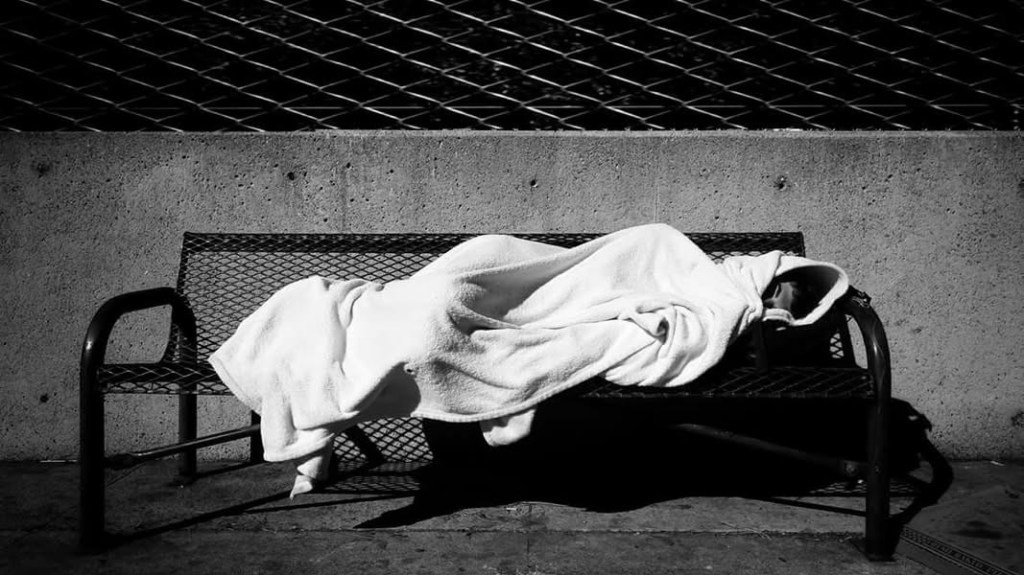
Editorial: Santa Ana’s Homelessness Crisis Demands Urgent, Compassionate Action

Santa Ana Homeless Population is Increasing.

According to the most recent Orange County Point-in-Time (PIT) Count data, the number of people experiencing homelessness in Santa Ana rose from 1,298 in 2023 to 1,520 in 2024—an increase of approximately 17% in just one year. Countywide, the numbers tell a similarly troubling story: homelessness grew from 7,392 to 8,299 individuals over the same period.

These figures are more than statistics—they represent human beings living without the basic dignity of safe, stable shelter. The PIT Count, conducted each January by the Orange County Continuum of Care in accordance with U.S. Department of Housing and Urban Development (HUD) guidelines, offers only a snapshot of a complex and evolving crisis. Yet even this conservative estimate underscores a clear and worsening trend.

The Courtyard Homeless Shelter was closed and the homeless displaced.

Santa Ana, as Orange County’s second-largest city and a historic hub of community and culture, faces mounting pressure to respond with both urgency and empathy. While local officials have taken steps—such as expanding shelter capacity, launching outreach teams, and investing in affordable housing—the scale of need continues to outpace available resources.

The root causes of homelessness are multifaceted: soaring housing costs, stagnant wages, mental health challenges, and systemic inequities. No single policy or program can solve them alone. What’s needed is a coordinated, sustained effort that combines immediate humanitarian support with long-term structural solutions—rental assistance, supportive housing, behavioral health services, and prevention strategies that keep people from falling into homelessness in the first place.

As the 2025 PIT Count approaches, the community must ask: Will we accept a future where more of our neighbors sleep on sidewalks and in parks? Or will we choose bold, compassionate action that affirms the value of every resident?

The data is clear. The time to act is now.

Editorial: El intento de la Asociación de Oficiales de Policía de Santa Ana (SAPOA) de silenciar la rendición de cuentas debe ser rechazado

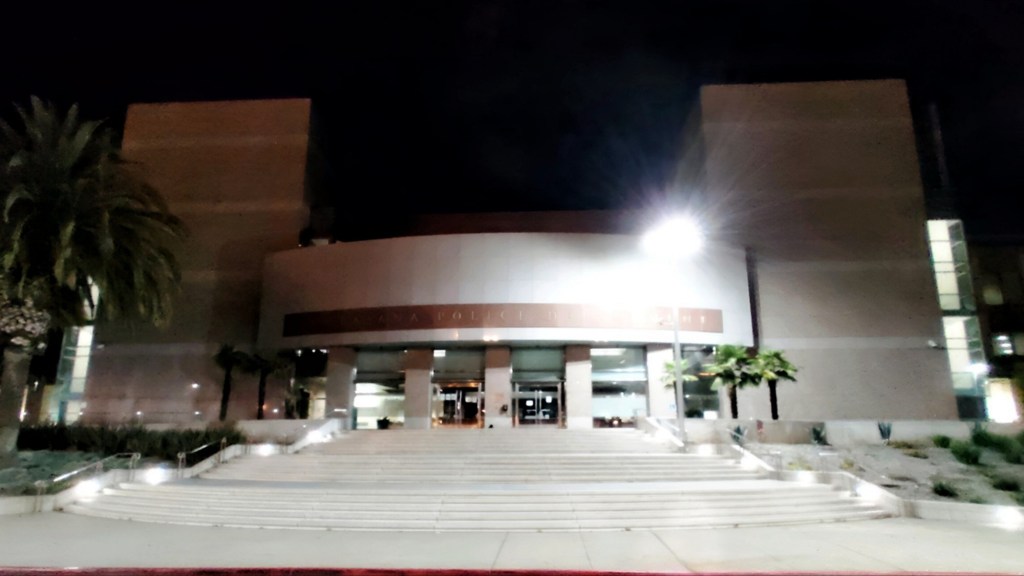
Departamento de Policía de Santa Ana, foto de The Orange County Reporter

En una inquietante escalada de esfuerzos para suprimir el escrutinio público, la Asociación de Oficiales de Policía de Santa Ana (SAPOA) habría emitido una carta de cese y desistimiento a Ben Camacho, periodista de investigación local, en un aparente intento de silenciar la información sobre dos incidentes profundamente preocupantes que involucraron a oficiales de policía de Santa Ana. Esta medida no solo constituye una afrenta a la libertad de prensa, sino un duro recordatorio de la resistencia sistémica a la rendición de cuentas que sigue plagando a las instituciones policiales en todo el país, especialmente en casos de pérdida de vidas y violación de derechos constitucionales.

En el centro de esta controversia se encuentra el asesinato a tiros de Noé Rodríguez a manos de los agentes de policía de Santa Ana Luis Casillas #3755 e Isaac Ibarra #3178, un incidente que sigue bajo investigación del Departamento de Justicia de California. A pesar de la gravedad de la situación —Rodríguez falleció, su familia se prepara para presentar una demanda por homicidio culposo y los agentes involucrados permanecen en servicio activo sin medidas disciplinarias públicas—, ha habido un silencio ensordecedor por parte de los líderes de la ciudad, incluida la alcaldesa Valerie Amezcua. Ese silencio, ahora acompañado de las amenazas legales de SAPOA contra un periodista, huele a complicidad y proteccionismo institucional.

El uso de una carta de cese y desistimiento para intimidar a un periodista que realiza su trabajo —investigar e informar al público sobre asuntos de profundo interés público— sienta un precedente peligroso. Transmite un mensaje alarmante: informar sobre la violencia policial puede conllevar represalias legales. Así no funciona la democracia. Una prensa libre no es enemiga de las fuerzas del orden; es un freno necesario al poder, especialmente cuando este resulta en muerte y trauma para las comunidades marginadas.

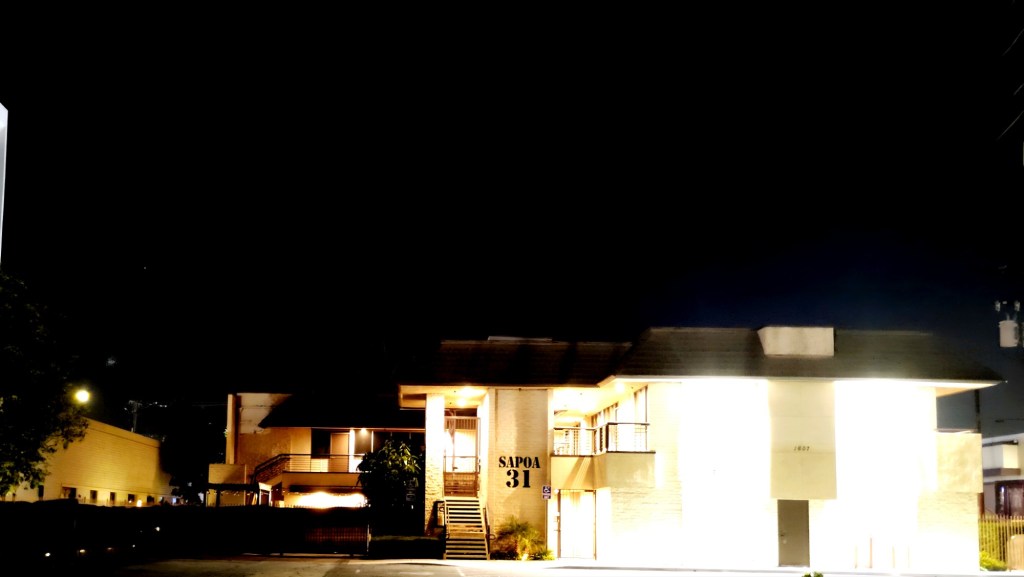
Sede de la Asociación de Oficiales de Policía de Santa Ana en Santa Ana.

El caso de Rodríguez por sí solo justifica la máxima transparencia. Un hombre ha muerto. Los agentes que le dispararon siguen en sus puestos. La comunidad debe responder sobre las circunstancias del tiroteo, el uso de la fuerza, el proceso de revisión interna y por qué no se han tomado medidas administrativas. En cambio, el público se enfrenta al silencio de los funcionarios municipales y a amenazas legales del sindicato policial. Esto no es rendición de cuentas. Es obstrucción.

Y el comportamiento preocupante no termina ahí.

Otro agente de Santa Ana, Nickolas Cavendish #3664, está bajo escrutinio por otro incidente ocurrido en diciembre de 2023, durante una parada de tráfico en la que participaron dos civiles desarmados. Las declaraciones transcritas de las grabaciones de la cámara corporal revelan una terrible agresión verbal en la que el agente Cavendish supuestamente amenazó con “reventarles la cabeza”, colocar su cámara corporal en su coche, inventar una amenaza alegando que el conductor le había agarrado el cinturón y luego asesinarlo.

Estas no son las palabras de un agente de paz profesional. Son las palabras de alguien que se cree por encima de la ley. Tales amenazas, de comprobarse, constituyen no solo una falta grave, sino también una posible intimidación criminal. Sin embargo, el agente Cavendish sigue en servicio. Ni el Departamento de Policía de Santa Ana ni el Ayuntamiento han hecho ninguna declaración pública sobre medidas disciplinarias. No hay transparencia. No hay rendición de cuentas.

Departamento de Policía de Santa Ana

La decisión de SAPOA de enviar una carta de cese y desistimiento a Ben Camacho, en lugar de abordar el fondo de estas acusaciones, revela sus verdaderas prioridades: proteger a los agentes del escrutinio, no al público. Los sindicatos tienen un papel en la defensa de los derechos de los trabajadores, pero no deben convertirse en escudos para la mala conducta ni en herramientas para intimidar a los organismos de control.

Los habitsntes de Santa Ana merecen algo mejor.

Merecen un departamento de policía que preste servicio con integridad, transparencia y respeto por los derechos constitucionales. Merecen líderes municipales, especialmente el alcalde Amezcua, que alcen la voz cuando se pierden vidas a manos de quienes juraron protegerlos. Y merecen un entorno mediático donde los periodistas puedan informar sobre las acciones del gobierno sin temor a represalias legales por parte de poderosos sindicatos policiales.

Ben Camacho no debe ceder. El público no debe mirar hacia otro lado.

La investigación del Departamento de Justicia de California sobre el asesinato de Noe Rodríguez debe continuar sin interferencias. La ciudad debe iniciar una investigación independiente tanto del tiroteo como de las amenazas del agente Cavendish. Y SAPOA debe comprender que, en una sociedad democrática, decir la verdad no es difamación, sino un deber.

Los intentos de silenciar a los periodistas, encubrir faltas de conducta y proteger a los agentes de la rendición de cuentas solo profundizan la crisis de confianza entre las fuerzas del orden y las comunidades a las que sirven. Santa Ana se encuentra en una encrucijada. ¿Optará por la transparencia y la justicia, o por el silencio y la autopreservación?

La respuesta definirá no sólo el futuro de su departamento de policía, sino el alma de la ciudad misma.

Editorial: The Santa Ana Police Officers Association’s (SAPOA), Attempt to Silence Accountability Must Be Rejected

Santa Ana Police Department, Photo by The Orange County Reporter

In a disturbing escalation of efforts to suppress public scrutiny, the Santa Ana Police Officers Association (SAPOA) has reportedly issued a cease and desist letter to Ben Camacho, a local investigative journalist, in an apparent attempt to silence reporting on two deeply troubling incidents involving Santa Ana police officers. This move is not only an affront to press freedom but a stark reminder of the systemic resistance to accountability that continues to plague law enforcement institutions across the country—especially in cases where lives have been lost and constitutional rights violated.

At the heart of this controversy is the fatal shooting of Noe Rodriguez by Santa Ana Police Officers Luis Casillas #3755 and Isaac Ibarra #3178 —an incident that remains under investigation by the California Department of Justice. Despite the gravity of the situation—Rodriguez is dead, his family is preparing to file a wrongful death lawsuit, and the officers involved remain on active duty with no public disciplinary action—there has been a deafening silence from city leadership, including Mayor Valerie Amezcua. That silence, now accompanied by SAPOA’s legal threats against a journalist, reeks of complicity and institutional protectionism.

The use of a cease and desist letter to intimidate a reporter doing his job—investigating and informing the public about matters of profound public interest—is a dangerous precedent. It sends a chilling message: that reporting about police violence may come with legal retaliation. This is not how democracy functions. A free press is not the enemy of law enforcement; it is a necessary check on power, especially when that power results in death and trauma for marginalized communities.

Santa Ana Police Officers Association headquarters in Santa Ana.

The Rodriguez case alone warrants the highest level of transparency. A man is dead. The officers who shot him remain on the job. The community is owed answers—about the circumstances of the shooting, the use of force, the internal review process, and why no administrative action has been taken. Instead, the public is met with silence from city officials and legal threats from the police union. This is not accountability. This is obstruction.

And the troubling behavior does not end there.

Another Santa Ana officer, Nickolas Cavendish #3664, is under scrutiny for a separate incident in December 2023, during a traffic stop involving two unarmed civilians. Transcribed statements from the body camera footage reveal a harrowing verbal assault in which Officer Cavendish allegedly threatened to “bash your fucking brains in,” plant his body cam in his car, fabricate a threat by claiming the driver reached for his waistband, and then murder him.

These are not the words of a professional peace officer. They are the words of someone who believes they are above the law. Such threats, if proven, constitute not only gross misconduct but potential criminal intimidation. Yet, Officer Cavendish remains on duty. There has been no public statement from the Santa Ana Police Department or the City Council about disciplinary measures. No transparency. No accountability.

Santa Ana Police Department

SAPOA’s decision to target Ben Camacho with a cease and desist letter—rather than addressing the substance of these allegations—reveals its true priorities: protecting officers from scrutiny, not protecting the public. Unions have a role in defending workers’ rights, but they must not become shields for misconduct or tools to intimidate watchdogs.

The people of Santa Ana deserve better.

They deserve a police department that serves with integrity, transparency, and respect for constitutional rights. They deserve city leaders—especially Mayor Amezcua—who speak up when lives are lost at the hands of those sworn to protect them. And they deserve a media environment where journalists can report on government actions without fear of legal retribution from powerful police unions.

They deserve a police department that serves with integrity, transparency, and respect for constitutional rights. They deserve city leaders—especially Mayor Amezcua—who speak up when lives are lost at the hands of those sworn to protect them. And they deserve a media environment where journalists can report on government actions without fear of legal retribution from powerful police unions.

Ben Camacho should not back down. The public must not look away.

The California DOJ investigation into Noe Rodriguez’s killing must be allowed to proceed without interference. The city must launch an independent review of both the shooting and the threats made by Officer Cavendish. And SAPOA must understand that in a democratic society, truth-telling is not defamation—it is duty.

Attempts to silence reporters, cover up misconduct, and protect officers from accountability only deepen the crisis of trust between law enforcement and the communities they serve. Santa Ana stands at a crossroads. Will it choose transparency and justice—or silence and self-preservation?

The answer will define not just the future of its police department, but the soul of the city itself.

Editorial: A Community at Risk — The Alarming Lack of Accountability in Santa Ana Police Department

Santa Ana Police Department

In a city where public safety should be the top priority, a recent troubling encounter has raised serious concerns about the accountability and oversight within the Santa Ana Police Department (SAPD). What began as a citizen’s attempt to report a dangerous police practice has turned into a disturbing realization: SAPD officers are patrolling the streets without proper supervision or accountability.

The issue at hand involves the reckless use of patrol vehicle spotlights, which have been repeatedly shined directly into the eyes of oncoming drivers. This dangerous practice poses a serious risk of temporary blindness, potentially leading to life-threatening accidents. One such incident involving SAPD Patrol Unit #838 was captured on video, clearly documenting the reckless use of the spotlight. The unit was followed by a concerned citizen until it sped away, evading any attempt at engagement.

What is most alarming, however, is not just the spotlight misuse — it’s the confirmation by a Night Supervisor Corporal Martinez #3349 that these officers were out on patrol and unaccounted for at the station. When the concerned citizen reported the incident and provided the unit number, the supervisor admitted that the officers were not logged in or being monitored by the watch commander or supervisor on duty.

This is not just a procedural oversight — it is a systemic failure.

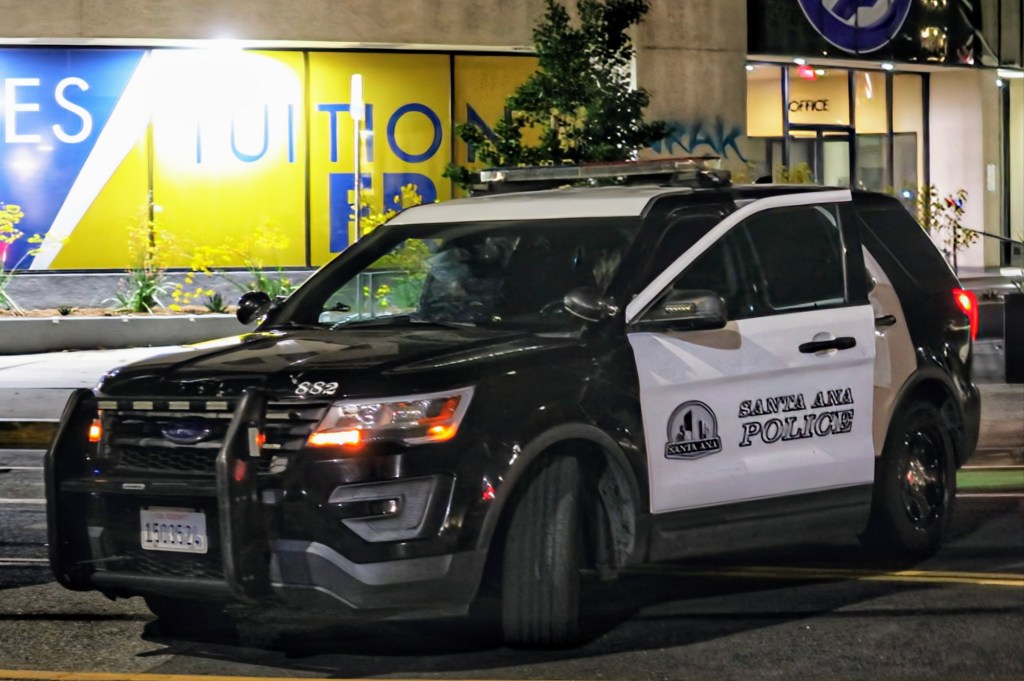
Santa Ana Police Department Patrol Unit in Question. Unaccounted for and unknown patrol police agents.

A Breakdown in Command Structure

The foundation of effective law enforcement is a clear chain of command and real-time supervision. Officers must be tracked, monitored, and held accountable for their actions while on patrol. The fact that SAPD supervisors were unaware of the whereabouts of active patrol units suggests a breakdown in basic oversight mechanisms.

When officers operate without supervision, the potential for abuse, misconduct, and negligence increases dramatically. In this case, we’re talking about practices that endanger public safety — blinding drivers, creating hazardous road conditions, and evading accountability.

A Threat to Public Trust

This incident also erodes the trust between the community and the police. Citizens who step forward to report concerns deserve to be heard and assured that their safety is a priority. Instead, this individual was met with an unsettling reality — that the system designed to protect them may, in fact, be operating without sufficient controls.

Santa Ana residents deserve better. We deserve to know that every officer patrolling our streets is under the supervision of a command structure that ensures both public safety and officer accountabilitpy.

Santa Ana Police Department Patrol Unit that’s Unaccounted for, Supervisor doesn’t know who’s driving it. Also shining spotlight on oncoming drivers.

What Needs to Happen Now

  1. Immediate Investigation: SAPD leadership must launch a full investigation into the use of spotlights and the circumstances surrounding Patrol Unit #838. The video evidence must be reviewed, and the involved officers should be identified and questioned.
  2. Transparency: The department must be transparent about how patrol units are dispatched, tracked, and supervised. If there are gaps in protocol, they must be acknowledged and corrected immediately.
  3. Policy Review: A review of current SAPD policies regarding spotlight use and field supervision is urgently needed. Clear guidelines must be established and enforced.
  4. Community Oversight: The City Council and civilian oversight board should step in to ensure that this is not an isolated incident but part of a larger pattern that has gone unnoticed or unaddressed.

Conclusion

The safety of our community cannot be left to chance. When police officers are unaccounted for and engaging in reckless behavior, it is not just a failure of individual officers — it is a failure of leadership. The people of Santa Ana deserve a police department that protects and serves with integrity, transparency, and accountability.

It’s time for SAPD to answer for the breakdown in oversight and take immediate steps to restore public trust before a preventable tragedy occurs.