Editorial: The Minneapolis Execution: A Requiem for American Democracy

Editor’s Note: This is not the first instance of an assassination by an ICE agent since the Trump administration took office, and it likely won’t be the last unless something changes. This issue is hitting closer to home every day. Orange County is our community, and we cannot afford to stay silent while it is put at risk. Please, stay alert and speak up. We cannot allow political division to destroy the safety of our country and community.

ICE Agent Jonathan Ross the Murderer Renee Good

On Wednesday, January 7, 2026, the American experiment shifted from the rule of law to the rule of the gun. The killing of Renee Nicole Good—a mother of three shot in cold blood by ICE Agent Jonathan Ross—was not a “tragic accident” or a “necessary escalation.” It was an execution. Caught on multiple high-definition lenses, the footage strips away the administration’s lies: there was no imminent threat, only a woman trying to survive a pursuit by a state-sanctioned hit squad.

​The Labeling of a Victim

​The most chilling aspect of this murder is not just the pull of the trigger, but the ink of the pen. By immediately labeling Ms. Good a “Domestic Terrorist,” the current administration has signaled its intent to use dehumanization as a shield for state violence. This is a classic authoritarian tactic: if you can name a citizen an “enemy,” you can justify any atrocity committed against them. When the President uses ICE as a private secret police force, and JD Vance advocates for total immunity for these agents, they are effectively placing the “Gestapo” above the Constitution.

​The Silence of the Capitol

​Congress currently stands at a crossroads of cowardice. While lawmakers have viewed the same footage that we have, the halls of power remain silent. They wait for a “proper investigation” while the evidence sits in plain sight. What is the threshold for action? Does the civil war declared by the executive branch against the people—immigrant and citizen alike—need to reach the front steps of the Capitol before the legislative branch remembers its duty to check and balance?

​The Failure of the Fourth Estate

​While independent reporters seek the truth, the mainstream media continues to carry water for the administration, sanitizing a murder into a “security incident.” They justify the killing of a mother in front of her community because it fits a narrative of “law and order.” But there is no order in a system where an agent can kill with impunity, and there is no law in a country where the local police are bypassed by federal enforcers who answer to no one.

​A Warning to the Enforcer

​To Jonathan Ross: You may feel protected by the current political climate, but history is a long and unforgiving witness. By choosing to act as a tool of a burgeoning dictatorship, you have sacrificed your humanity and endangered the very safety of your own legacy. Karma is not a political policy; it is the inevitable consequence of one’s actions.

​The Final Line

​At what point does a democracy become a dictatorship? It happens when the people stop asking “why” and start asking “who is next?” If Renee Nicole Good can be murdered on video without an arrest, then no one—regardless of their status—is safe. The line has been crossed. The video is the evidence. The silence is the complicity.

​Justice for Renee Nicole Good is not just about one agent; it is about whether we still live in a nation of laws or a nation of shadows.

Editorial: Are Santa Ana’s Roundabouts Making Streets Safer—or More Dangerous?

Photo by The OC Repoorter/ Safety or Hazard in Santa Ana?

Roundabouts are often hailed as a modern solution to urban traffic woes: they reduce vehicle speeds, eliminate high-speed T-bone collisions, and, in theory, create calmer, safer streets. That’s why Santa Ana, like many cities across the country, has been steadily installing them—from downtown corridors to quiet residential blocks—as part of a broader traffic-calming initiative.

But when a roundabout sits near a crosswalk where a beloved community member is struck and killed, as happened to 69-year-old Maria Rubalcava de Ruesga on Bishop and Shelton Streets in November 2025, it’s not enough to point to national statistics. Residents are asking urgent, localized questions: Is this design working here? For whom? And at what cost?

The fatal crash—followed just days later by a multi-vehicle collision near another downtown roundabout at Bush and 8th Streets—has amplified long-simmering concerns. Neighbors report confusion, erratic driver behavior, and even increased speeding as motorists navigate unfamiliar circular patterns. One roundabout, converted from a straightforward four-way stop, has become a frequent site of near-misses, according to local accounts.

This isn’t to say roundabouts are inherently flawed. Data from the Federal Highway Administration and transportation engineers consistently show they reduce severe crashes by up to 80% compared to signalized intersections. But success depends on more than just asphalt and paint. It hinges on clear signage, proper lighting, adequate pedestrian crossings, driver education—and, crucially, community input before construction begins.

Santa Ana’s commitment to Vision Zero—eliminating traffic deaths—is commendable. Yet infrastructure that prioritizes vehicle flow over pedestrian clarity can backfire, especially in neighborhoods with seniors, children, and high foot traffic. If residents feel less safe, that’s a signal worth heeding.

We urge the City of Santa Ana to pause, listen, and evaluate. Release before-and-after crash data. Conduct a safety audit of recently installed roundabouts. Host neighborhood forums—not just for explanation, but for co-design. Safety isn’t just about engineering metrics; it’s about whether people feel secure walking to the bus stop or crossing the street to visit a neighbor.

Roundabouts can be part of a safer future—but only if they’re designed with people, not just traffic, in mind.

— The OC Reporter Editorial Board

Editorial: Santa Ana’s Homelessness Crisis Demands Urgent, Compassionate Action

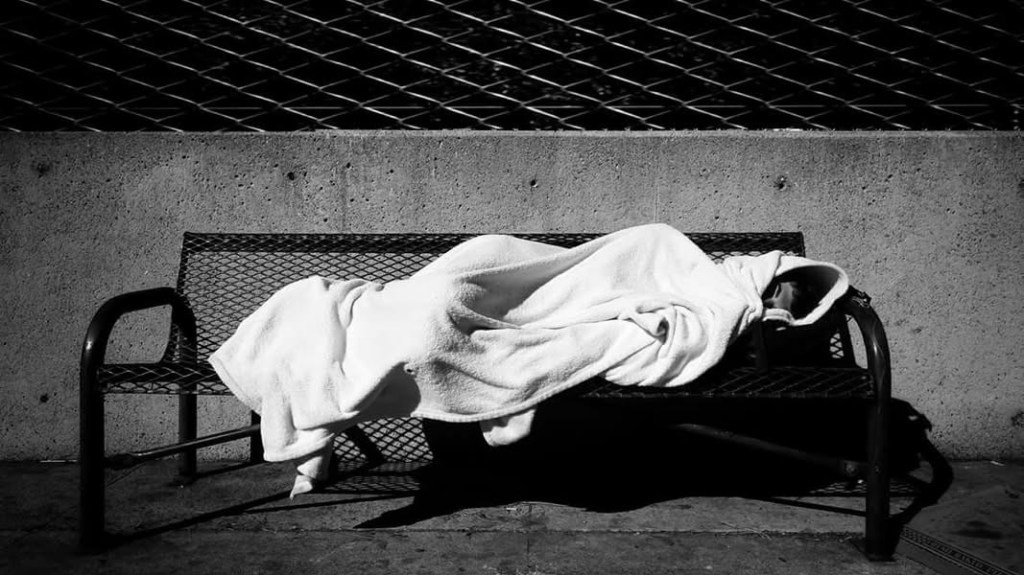
Santa Ana Homeless Population is Increasing.

According to the most recent Orange County Point-in-Time (PIT) Count data, the number of people experiencing homelessness in Santa Ana rose from 1,298 in 2023 to 1,520 in 2024—an increase of approximately 17% in just one year. Countywide, the numbers tell a similarly troubling story: homelessness grew from 7,392 to 8,299 individuals over the same period.

These figures are more than statistics—they represent human beings living without the basic dignity of safe, stable shelter. The PIT Count, conducted each January by the Orange County Continuum of Care in accordance with U.S. Department of Housing and Urban Development (HUD) guidelines, offers only a snapshot of a complex and evolving crisis. Yet even this conservative estimate underscores a clear and worsening trend.

The Courtyard Homeless Shelter was closed and the homeless displaced.

Santa Ana, as Orange County’s second-largest city and a historic hub of community and culture, faces mounting pressure to respond with both urgency and empathy. While local officials have taken steps—such as expanding shelter capacity, launching outreach teams, and investing in affordable housing—the scale of need continues to outpace available resources.

The root causes of homelessness are multifaceted: soaring housing costs, stagnant wages, mental health challenges, and systemic inequities. No single policy or program can solve them alone. What’s needed is a coordinated, sustained effort that combines immediate humanitarian support with long-term structural solutions—rental assistance, supportive housing, behavioral health services, and prevention strategies that keep people from falling into homelessness in the first place.

As the 2025 PIT Count approaches, the community must ask: Will we accept a future where more of our neighbors sleep on sidewalks and in parks? Or will we choose bold, compassionate action that affirms the value of every resident?

The data is clear. The time to act is now.

Editorial: Responsabilizar al Departamento de Policía de Santa Ana por detenciones de patrullaje no reguladas

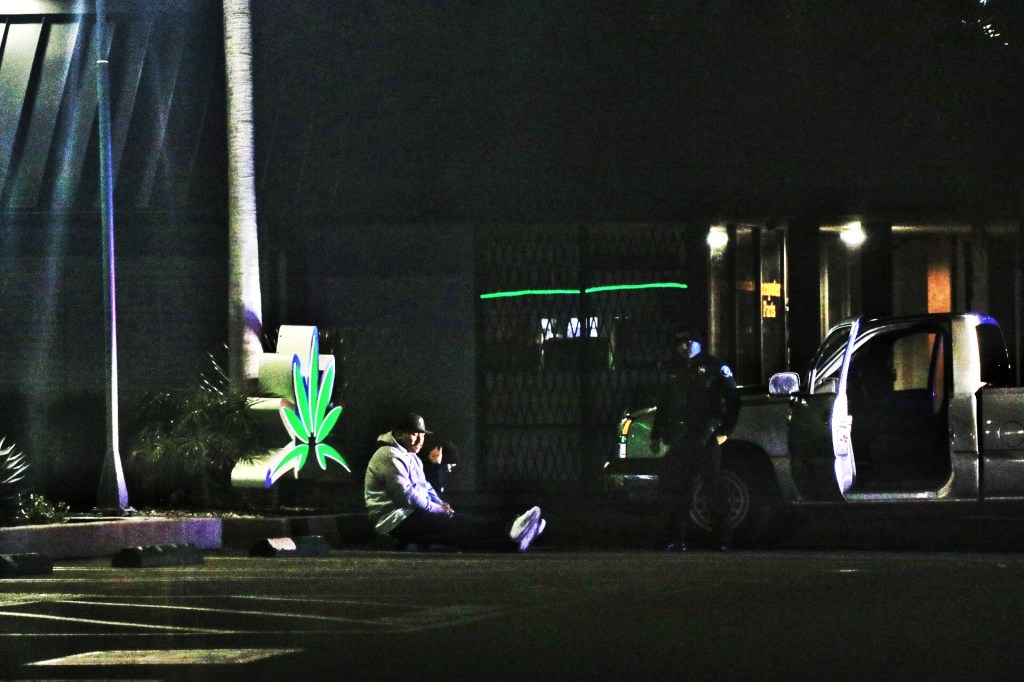
Fotografía de: Igmar Rodas/The Orange County Reporter, el Departamento de Policía de Santa Ana realiza paradas de tráfico en propiedad privada.

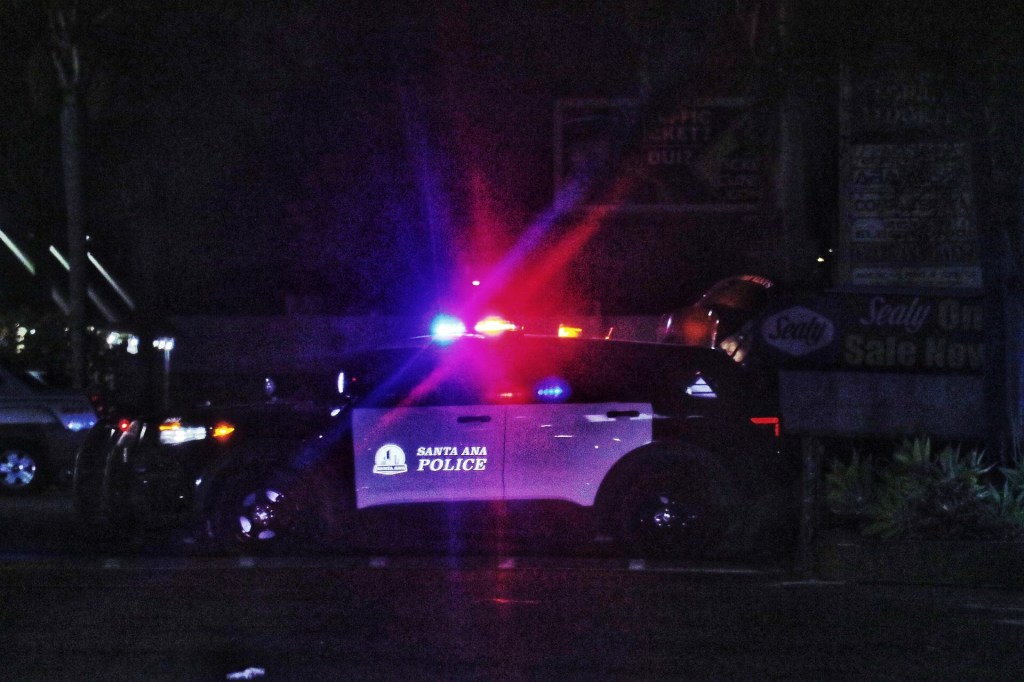
En Santa Ana ha surgido una tendencia preocupante: los agentes de patrulla están realizando controles de tráfico sin informar adecuadamente a la central, lo que da como resultado que no haya documentación oficial de su paradero ni de la razón de la detención. Cuando los residentes ansiosos se ponen en contacto con el departamento de policía para denunciar estos dudosos incidentes (que cuentan con los números de los coches patrulla y detalles precisos), se encuentran con respuestas evasivas y de obstrucción por parte del personal supervisor.

El problema fundamental radica en la falta de rendición de cuentas. Los vehículos de patrulla están equipados con sistemas de seguimiento por GPS, pero los supervisores se niegan a utilizar esta tecnología para confirmar la ubicación de los agentes. Algunos incluso afirman que acceder a la información del GPS está “fuera de su nivel salarial”. Esto provoca serias preguntas: si los supervisores desconocen la ubicación de sus agentes, ¿quién posee ese conocimiento? Y si lo tienen pero deciden no revelarlo, ¿qué podrían estar ocultando?

Foto de: Igmar Rodas/The Orange County Reporter, Los residentes de Santa Ana corren el riesgo de ser detenidos sin control, según lo desconocen los despachos de la policía.

La transparencia es la piedra angular de la confianza pública en la aplicación de la ley. Cuando los agentes actúan fuera de las normas de su propio departamento, se abre el camino a la mala conducta: detenciones ilegales, discriminación racial y violaciones de los derechos civiles. La situación en la que un supervisor niega la existencia de una unidad de patrulla que los residentes han observado claramente, o se niega a proporcionar los números de placa, es intolerable.

Los residentes de Santa Ana merecen una fuerza policial que funcione dentro de los límites de la ley, en lugar de por encima de ella. El departamento debe aplicar protocolos de supervisión más estrictos, que incorporen el seguimiento en tiempo real de las ubicaciones de los vehículos de patrulla que los supervisores están obligados a supervisar. Además, debe haber una política definida y aplicable que exija que todas las paradas de tráfico se registren con un despacho.

Foto de: Igmar Rodas/The Orange County Reporter.

Si el departamento se resiste a estas iniciativas fundamentales de rendición de cuentas, la comunidad tiene la responsabilidad de abogar por un cambio. Los funcionarios de la ciudad, el jefe de policía y los organismos de supervisión civil deben intervenir para garantizar que los agentes cumplan con los protocolos adecuados. La transparencia no es un privilegio, es un derecho público. Los agentes de Santa Ana deben rendir cuentas a las personas a las que sirven, en lugar de operar de forma encubierta.

Editorial: Encubrimiento de una muerte bajo custodia policial, Departamento de Policía de Santa Ana

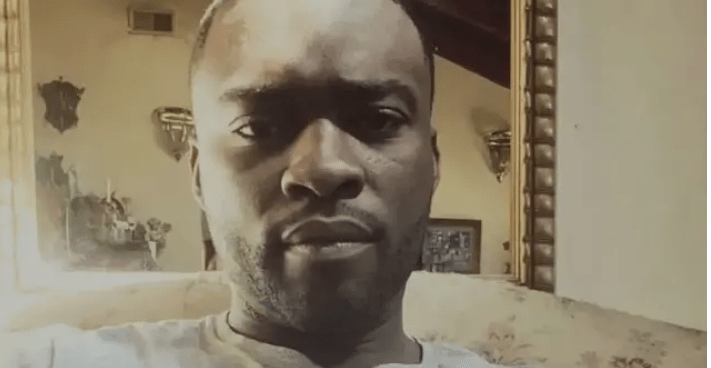
La muerte de Freddie Washington mientras se encontraba bajo custodia policial ha provocado una gran controversia, en particular en relación con la respuesta del Departamento de Policía de Santa Ana al incidente. Muchos se preguntan por qué el departamento no ha sido abierto respecto de información vital sobre la muerte de Washington, lo que ha llevado a sospechar de un posible encubrimiento.

Fredd

Es importante reconocer, en primer lugar, que Washington falleció mientras se encontraba bajo custodia de las fuerzas del orden en Santa Ana, California. La falta de transparencia sobre los hechos que precedieron a su muerte, junto con las declaraciones públicas incompletas o tardías del Departamento de Policía de Santa Ana, ha intensificado el escepticismo público. Los críticos sostienen que la vacilación del departamento a la hora de revelar detalles esenciales, como la causa de la muerte o detalles específicos sobre las circunstancias de su arresto, puede ser un intento de proteger a los agentes implicados de ser interrogados.

En situaciones de alto perfil como ésta, es frecuente que se produzcan encubrimientos, especialmente cuando las autoridades se enfrentan a posibles repercusiones jurídicas y políticas. A falta de una investigación exhaustiva y transparente, es imposible que el público conozca la verdad. En una época caracterizada por una desconfianza generalizada hacia las fuerzas del orden, sucesos como éste aumentan las preocupaciones en torno a la rendición de cuentas de la policía y la protección de los derechos de los ciudadanos.

Además, existen problemas sistémicos más amplios. En numerosos casos, los departamentos pueden intentar ocultar información para mantener su reputación, evadir demandas judiciales o evitar más discordia en la comunidad. Sin embargo, esa falta de rendición de cuentas no hace más que aumentar las tensiones y generar demandas de una mayor supervisión y reformas en las fuerzas del orden.

La prioridad ahora debe ser insistir en una investigación completa e independiente sobre la muerte de Freddie Washington. Solo con transparencia y rendición de cuentas se puede empezar a restablecer la confianza entre las fuerzas del orden y las comunidades a las que sirven. Hasta que eso ocurra, la nube de sospechas y la posibilidad de un encubrimiento persistirán, socavando la credibilidad del departamento de policía y perpetuando el ciclo de desconfianza pública.