Bài xã luận: Những vết nứt ẩn sau tấm kính

Tháp đồng hồ cũ ở góc đường số 4 và Sycamore.

Chiếc đồng hồ ở góc đường số 4 và Sycamore đứng sừng sững như một người lính canh lặng lẽ giữa trung tâm thành phố Santa Ana, kim đồng hồ như ngừng quay trong một trạng thái trì trệ vĩnh viễn. Hầu hết cư dân đi ngang qua mà không hề để ý, nhưng nếu nhìn kỹ hơn – kiểu nhìn chỉ dành cho những người sẵn lòng ghi lại những điều khó chịu – sẽ thấy những vết nứt sâu, lan tỏa trên lớp kính mờ của nó. Đây không chỉ là dấu hiệu của tuổi tác; chúng là một phép ẩn dụ cho một cấu trúc đô thị đang sụp đổ trong khi những người ở vị trí cao nhất lại làm ngơ.

Những rạn nứt này thể hiện rõ nhất trong chính quyền của Thị trưởng Valeria Amezcua .

Thất bại trong lãnh đạo

Đối với một thành phố năng động và phức tạp như Santa Ana, khả năng lãnh đạo không chỉ đơn thuần là nắm giữ quyền lực; nó đòi hỏi lòng can đảm để giải quyết sự xuống cấp về cấu trúc bên trong Tòa thị chính. Tuy nhiên, dưới nhiệm kỳ của Thị trưởng Amezcua, những “vết nứt” chỉ ngày càng sâu thêm. Chính quyền ngày càng bị chi phối bởi sự liên kết chặt chẽ với Hiệp hội Cảnh sát Santa Ana (SAPOA) , tạo ra một vòng luẩn quẩn ưu tiên lợi ích nhóm hơn nhu cầu của người dân bình thường.

Chuỗi thể chế

Sự xuống cấp diễn ra theo một con đường rõ ràng từ mặt đường lên đến tầng văn phòng cao nhất:

  • Ảnh hưởng của SAPOA: Sức mạnh chính trị của công đoàn cảnh sát tiếp tục gây ảnh hưởng quá lớn đến chính sách của thành phố, thường gây tổn hại đến trách nhiệm giải trình thực sự của cảnh sát.
  • Sở Cảnh sát: Các vấn đề về cấu trúc trong sở vẫn chưa được giải quyết, bị che khuất bởi sự thiếu giám sát minh bạch từ phía hội đồng.
  • Hội đồng và Thị trưởng: Đứng đầu chuỗi quyền lực này là Thị trưởng và Hội đồng thành phố, những người dường như bằng lòng để cho bộ máy chính quyền tiếp tục bị trục trặc, miễn là vẻ bề ngoài vẫn còn nguyên vẹn.

Ghi lại sự thật

Cũng như một nhiếp ảnh gia ghi lại “Kiến trúc của sự im lặng” – những chuyển đổi siêu hình và cấu trúc mà người khác bỏ qua – chúng ta phải ghi lại hiện thực của chính quyền địa phương. Những vết nứt trên chiếc đồng hồ ở góc đường số 4 và Sycamore gây khó chịu vì chúng đại diện cho một sự lựa chọn: lựa chọn phớt lờ lịch sử và cho phép nền tảng của thành phố chúng ta bị xói mòn.

Thị trưởng Amezcua đã thất bại trong vai trò người lãnh đạo chủ động tìm cách khắc phục những yếu kém này. Thay vào đó, bà đang điều hành một hệ thống nơi tính minh bạch bị hy sinh vì lợi ích chính trị. Khi sự giám sát độc lập và các yêu cầu công khai hồ sơ tiếp tục làm sáng tỏ các thủ tục xử phạt vi phạm hành chính và các vấn đề về bảo mật dữ liệu của thành phố, công chúng bắt đầu thấy được những gì đã bị che giấu ngay trước mắt.

Đã đến lúc không thể làm ngơ trước sự xuống cấp nữa. Nếu chính phủ từ chối khắc phục những vấn đề này, thì trách nhiệm ghi nhận chúng sẽ thuộc về người dân cho đến khi không thể tiếp tục phớt lờ được nữa.


Editorial: Las fracturas tras el cristal

Antigua torre del reloj en la esquina de la 4ª y Sycamore.

El reloj de la esquina de la 4ª y Sycamore se alza como un centinela silencioso sobre el centro de Santa Ana, con sus manecillas congeladas en un estado de estancamiento permanente. La mayoría de los residentes pasan de largo sin prestarle atención, pero una mirada más detenida —una mirada que solo se permite a quienes están dispuestos a documentar lo incómodo— revela profundas grietas que se extienden por su cristal esmerilado. No son simples signos de la edad; son una metáfora de una estructura municipal que se desmorona mientras quienes están en el poder miran hacia otro lado.

En ningún otro lugar son más evidentes estas fracturas que en la administración de la alcaldesa Valeria Amezcua .

Un fracaso del liderazgo

Para una ciudad tan vibrante y compleja como Santa Ana, el liderazgo requiere más que simplemente ostentar un cargo; requiere el valor de abordar el deterioro estructural dentro del Ayuntamiento. Sin embargo, durante la gestión del alcalde Amezcua, las grietas no han hecho más que profundizarse. La administración se ha definido cada vez más por su alineación con la Asociación de Oficiales de Policía de Santa Ana (SAPOA) , creando un círculo vicioso que prioriza los intereses particulares sobre las necesidades de los ciudadanos comunes que transitan por estas calles.Anuncio

La cadena institucional

El deterioro sigue un camino claro desde el nivel de la calle hasta el cargo más alto:

  • La influencia de SAPOA: El peso político del sindicato policial sigue ejerciendo una influencia desproporcionada en las políticas de la ciudad, a menudo a expensas de una verdadera rendición de cuentas por parte de la policía.
  • Departamento de Policía: Los problemas estructurales dentro del departamento siguen sin resolverse, amparados por la falta de supervisión transparente por parte del consejo.
  • El Consejo y el Alcalde: En la cima de esta cadena se encuentran un Alcalde y un Consejo Municipal que parecen conformes con dejar que el mecanismo de gobierno siga roto, siempre y cuando la fachada permanezca intacta.

Documentando la verdad

Así como un fotógrafo captura la «arquitectura del silencio» —las transiciones metafísicas y estructurales que otros ignoran—, nosotros debemos capturar la realidad de nuestro gobierno local. Las grietas en el reloj de la esquina de la 4ª y Sycamore son preocupantes porque representan una elección: la elección de ignorar la historia y permitir que los cimientos de nuestra ciudad se erosionen.

La alcaldesa Amezcua no ha demostrado ser la líder que toma las medidas necesarias para solucionar estos problemas. En cambio, preside un sistema donde la transparencia se sacrifica por conveniencia política. A medida que la supervisión independiente y las solicitudes de acceso a registros públicos siguen revelando los entresijos de los procedimientos de multas municipales y los problemas de privacidad de datos, la ciudadanía comienza a ver lo que ha estado oculto a plena vista.

Es hora de dejar de ignorar el deterioro. Si el gobierno se niega a reparar las grietas, le corresponde a la ciudadanía documentarlas hasta que ya no se puedan ignorar.

Editorial: The Fractures Behind the Glass

Old Clock Tower at 4th and Sycamore

The clock at 4th and Sycamore stands as a silent sentinel over downtown Santa Ana, its hands frozen in a permanent state of arrested development. Most residents pass it without a second glance, but a closer look—the kind of look afforded only by those willing to document the uncomfortable—reveals deep, radiating cracks in its frosted glass. These are not just signs of age; they are a metaphor for a municipal structure that is crumbling while those at the top look the other way.

Nowhere are these fractures more evident than in the administration of Mayor Valeria Amezcua.

A Failure of Leadership

For a city as vibrant and complex as Santa Ana, leadership requires more than just holding a gavel; it requires the courage to address the structural decay within City Hall. Yet, under Mayor Amezcua’s tenure, the “cracks” have only deepened. The administration has become increasingly defined by its alignment with the Santa Ana Police Officers Association (SAPOA), creating a feedback loop that prioritizes special interests over the needs of the everyday people who walk these streets.

The Institutional Chain

The decay follows a clear path from the street level to the highest office:

  • The SAPOA Influence: The political weight of the police union continues to exert an outsized influence on city policy, often at the expense of genuine police accountability.
  • The Police Department: Structural issues within the department remain unaddressed, shielded by a lack of transparent oversight from the council.
  • The Council and Mayor: At the top of this chain sits a Mayor and a City Council that seem content to let the mechanism of government remain broken, provided the facade remains intact.

Documenting the Truth

Just as a photographer captures the “Architecture of Silence”—the metaphysical and structural transitions that others ignore—we must capture the reality of our local government. The cracks in the clock at 4th and Sycamore are bothersome because they represent a choice: the choice to ignore history and allow the foundation of our city to erode.

Mayor Amezcua has failed to be the leader who picks up the tools to fix these breaks. Instead, she presides over a system where transparency is sacrificed for political convenience. As independent oversight and public records requests continue to peel back the layers of municipal citation procedures and data privacy issues, the public is starting to see what has been hidden in plain sight.

It is time to stop walking past the decay. If the government refuses to fix the cracks, it falls upon the people to document them until they can no longer be ignored.

The Van on 6th Street: Rogue Tactics in the Shadow of the Civic Center

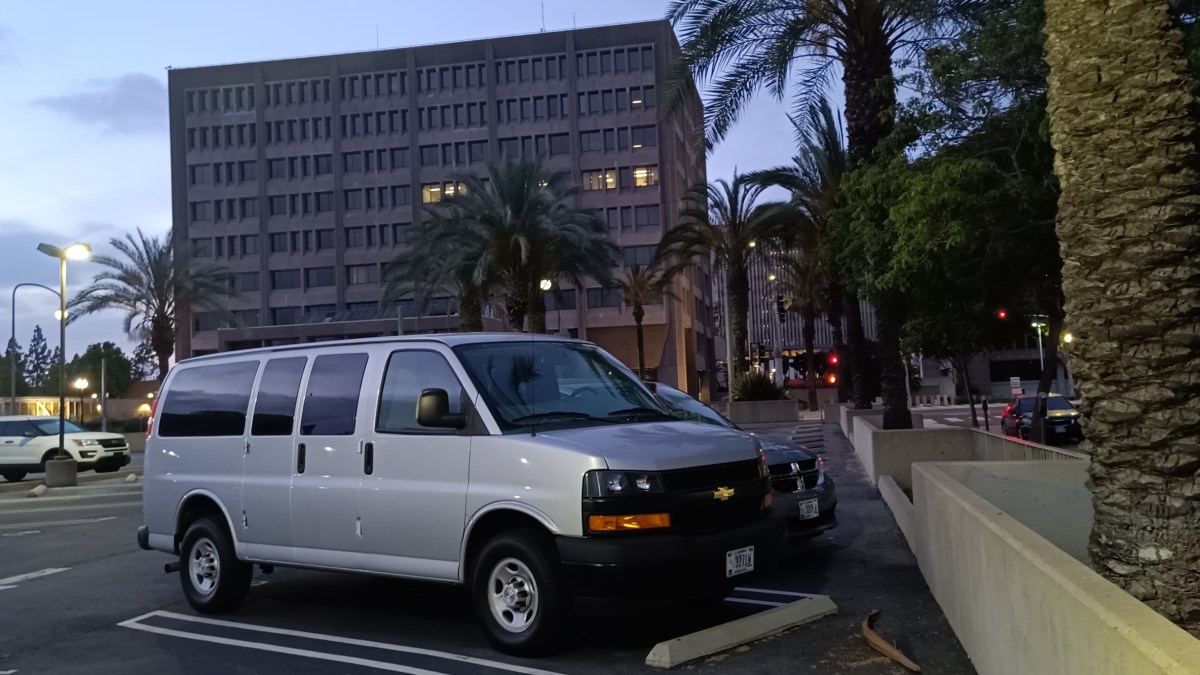
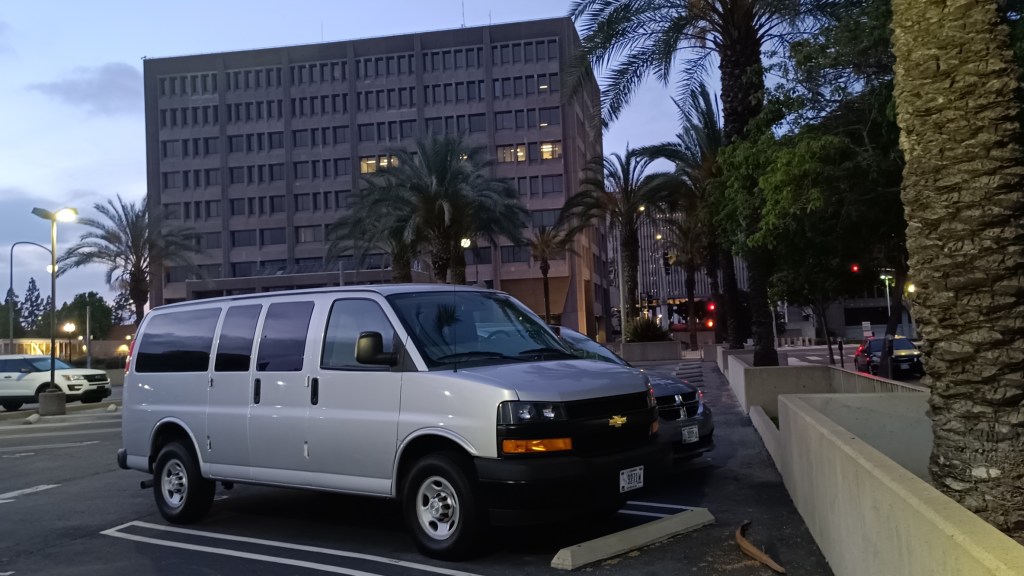
Vans used by DHS/ICE parked at the Federal Parking across from Federal Building (DHS) 34 Civic Center Plaza in Santa Ana

The quiet of a Tuesday morning on E 6th St, near N Parkcenter Dr was shattered at 7:45 a.m. by a scene that has become a recurring nightmare for the residents of Santa Ana. A 21-year-old woman, simply walking to work, found herself fighting to avoid being pulled into a dark blue van by two men. She escaped, but the trauma remains—as do the haunting questions about who was behind the wheel.

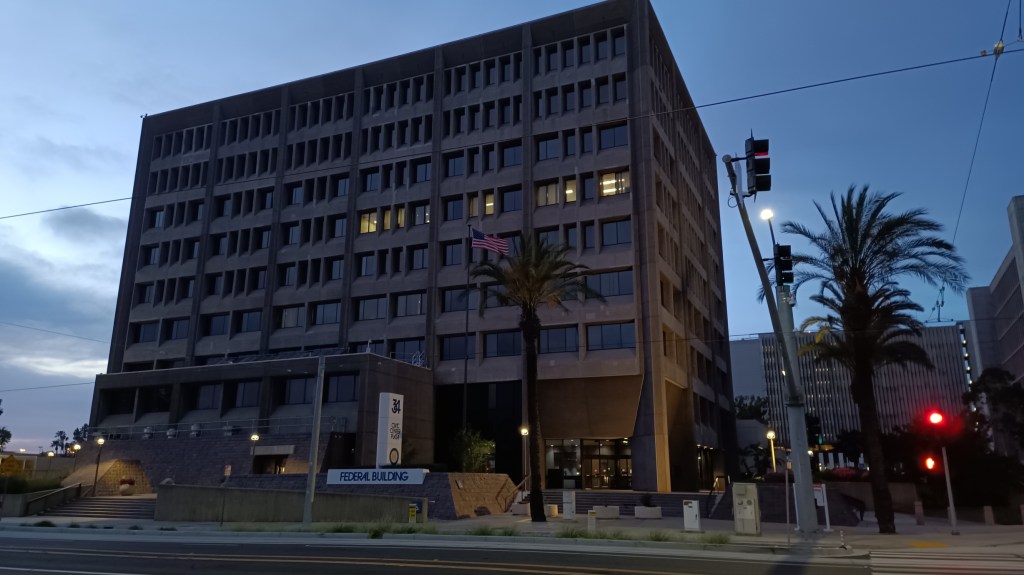
While the Santa Ana Police Department has correctly classified this as an attempted abduction, we cannot ignore the geographical and tactical context of our city. This incident occurred mere blocks from the federal hub at 34 Civic Center Plaza. In a city that has fought long and hard to establish transparency and “Sanctuary City” protections, the line between a criminal kidnapping and an uncoordinated federal “pickup” has become dangerously thin.

The “Rogue” Variable

The proximity to the federal building raises a legitimate concern: were these DHS/ICE Federal Rogue Agents? In the current climate of mass deportation sweeps and aggressive federal posturing, we are seeing a breakdown in “deconfliction”—the process by which federal agencies notify local police of their operations.

When agents operate without the knowledge or consent of local authorities, failing to identify themselves or follow municipal safety protocols, they are, by definition, operating rogue. To a civilian on the street, there is no functional difference between a predatory criminal and an unidentified federal agent ignoring due process. Both represent a terrifying breach of the public trust.

Federal Building (DHS) 34 Civic Center Plaza in Santa Ana just block away from the attempted kidnapping.

A Pattern of Shadow Operations

We have already seen the tension boiling over at the Civic Center this year. From the City lowering flags to half-staff in January to honor victims of federal enforcement, to SAPD command staff reportedly refusing calls for assistance from DHS during local protests, the rift is widening.

If DHS or ICE personnel are now utilizing unmarked blue vans to snatch residents off the pavement without local notification, they are not just “enforcing the law”—they are endangering the public and bypassing the very Transparency and Outreach Policy that Santa Ana residents rely on for protection.

Demand for Accountability

The Santa Ana City Council and the SAPD must now put our local policies to the test. We have the technology—Automated License Plate Readers (ALPRs) and an extensive network of city-owned cameras—to track that dark blue van.

If the van is traced back to a federal agency, the city must demand to know:

  • Why were these agents operating without notifying local dispatch?
  • Were these agents acting under official orders, or was this a “wildcat” operation by rogue elements?
  • If this was a case of “mistaken identity,” why has there been no public accountability?

Until these questions are answered, the “Architecture of Silence” in our city only grows taller. We cannot allow Santa Ana to become a hunting ground where “official” federal business is indistinguishable from a kidnapping. Our residents deserve to walk to work without wondering if the next unmarked van holds a criminal or a rogue agent operating in the shadows.

The Fault Lines of Belonging: Why the Citizenship Debate Could Fracture Orange County

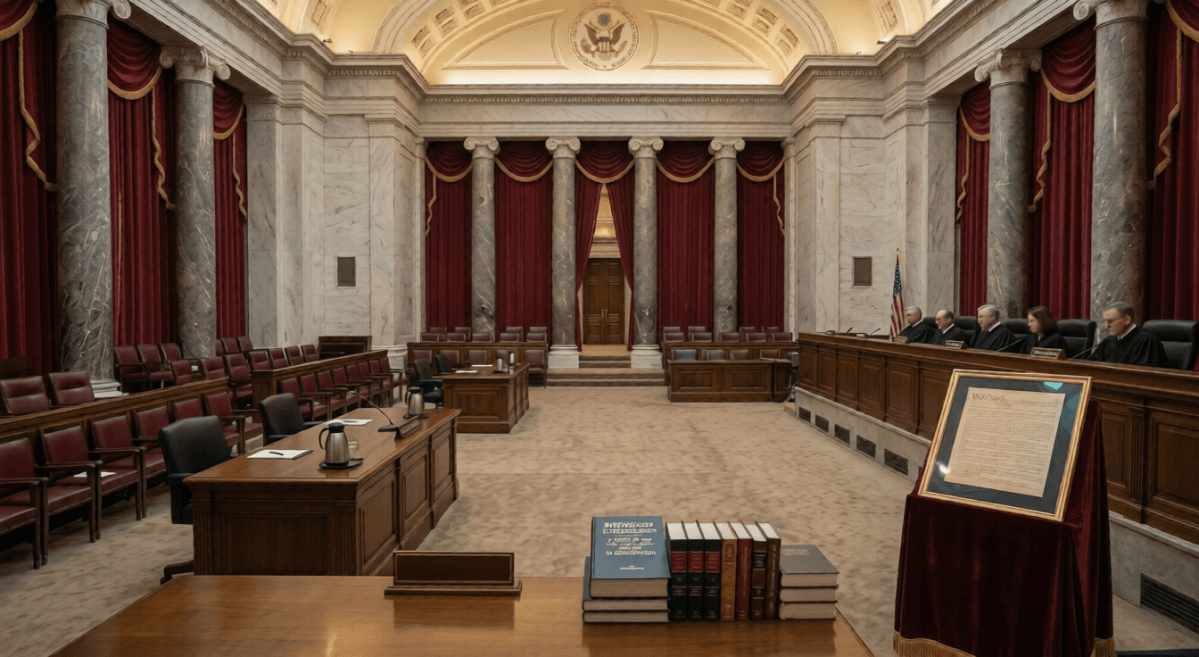
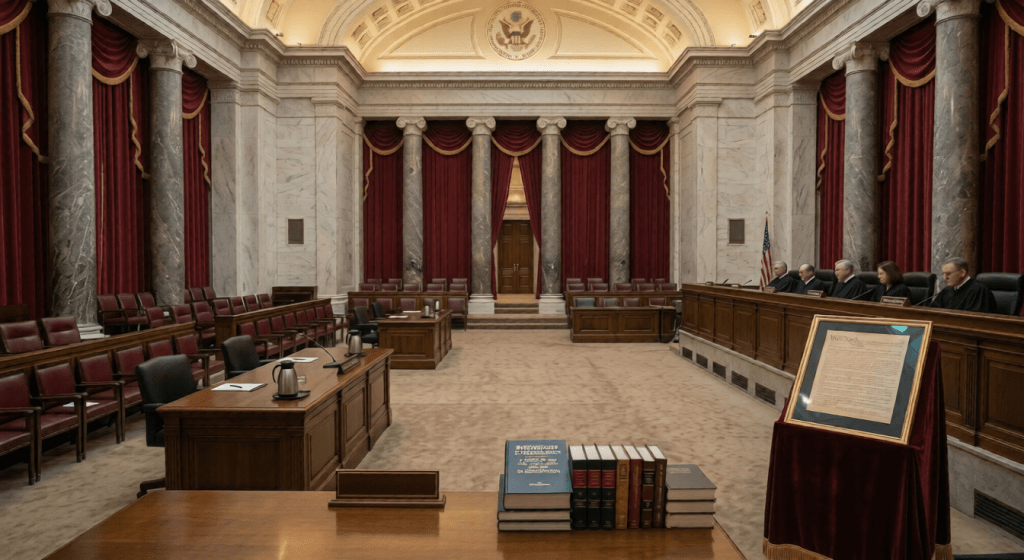
While the justices in Washington D.C. weigh the technicalities of the 14th Amendment, the view from the streets of Santa Ana, Anaheim, and Westminster is far more personal. In Orange County, citizenship isn’t just a legal status; it is the silent engine of our economy and the glue of our neighborhoods. If the Supreme Court moves to dismantle birthright citizenship, they aren’t just changing a rule—they are pulling the plug on the civic life of our county.

The Nightmare of Retroactive Doubt

The most terrifying aspect of this debate isn’t about who arrives tomorrow; it’s about who has been here for decades. Orange County is home to families three and four generations deep. These are people who have never held a foreign passport, who pay into our tax system, and who have built their lives on the bedrock of a U.S. birth certificate.

If that birthright is revoked or “re-verified” based on the status of one’s parents, we are inviting a bureaucratic catastrophe. Imagine a 45-year-old nurse in Irvine or a grandfather in Fullerton suddenly being told their citizenship is “provisional” until they can produce their deceased parents’ residency papers from 1980. Records vanish, businesses close, and the basic trust that allows a community to function disappears.

An Institutional Heart Attack

The ripple effect would paralyze our local government. Our public institutions are staffed by the very people this ruling would target.

  • Law Enforcement: In the OC Sheriff’s Department and our local police forces, hundreds of officers are the American-born children of immigrants. To question their status is to decimate our front-line public safety. Does a veteran sergeant lose his badge because of his parents’ paperwork?
  • The Bench and the Bar: Our legal system relies on finality. If a judge’s or prosecutor’s citizenship is called into question, every conviction they secured and every ruling they signed becomes a target for litigation. We would see the wheels of justice in Santa Ana grind to a permanent, expensive halt.
  • The Classroom: Our schools would lose teachers and administrators who have spent their lives pouring into the next generation, only to be sidelined by an administrative identity crisis.

The High Cost of Exclusion

Beyond the logistics, there is the human toll. We are talking about turning our neighbors into “stateless” people—men and women who belong nowhere else but here. When you tell a significant portion of your population that their roots are no longer valid, you don’t get a more “secure” county; you get a fractured one. You get a community where people are afraid to report crimes, afraid to start businesses, and afraid to participate in the civic life that makes Orange County a leader in California.

Orange County has always been a place where people come to build something permanent. Whether they arrived four generations ago or were born at OC Global Medical Center last year, their contribution is what keeps us moving forward.

The Supreme Court is currently holding the “delete” key over the lives of thousands of our residents. For the sake of our economy, our safety, and our shared humanity, we must hope they understand that you cannot strengthen a nation by tearing out its heart.