
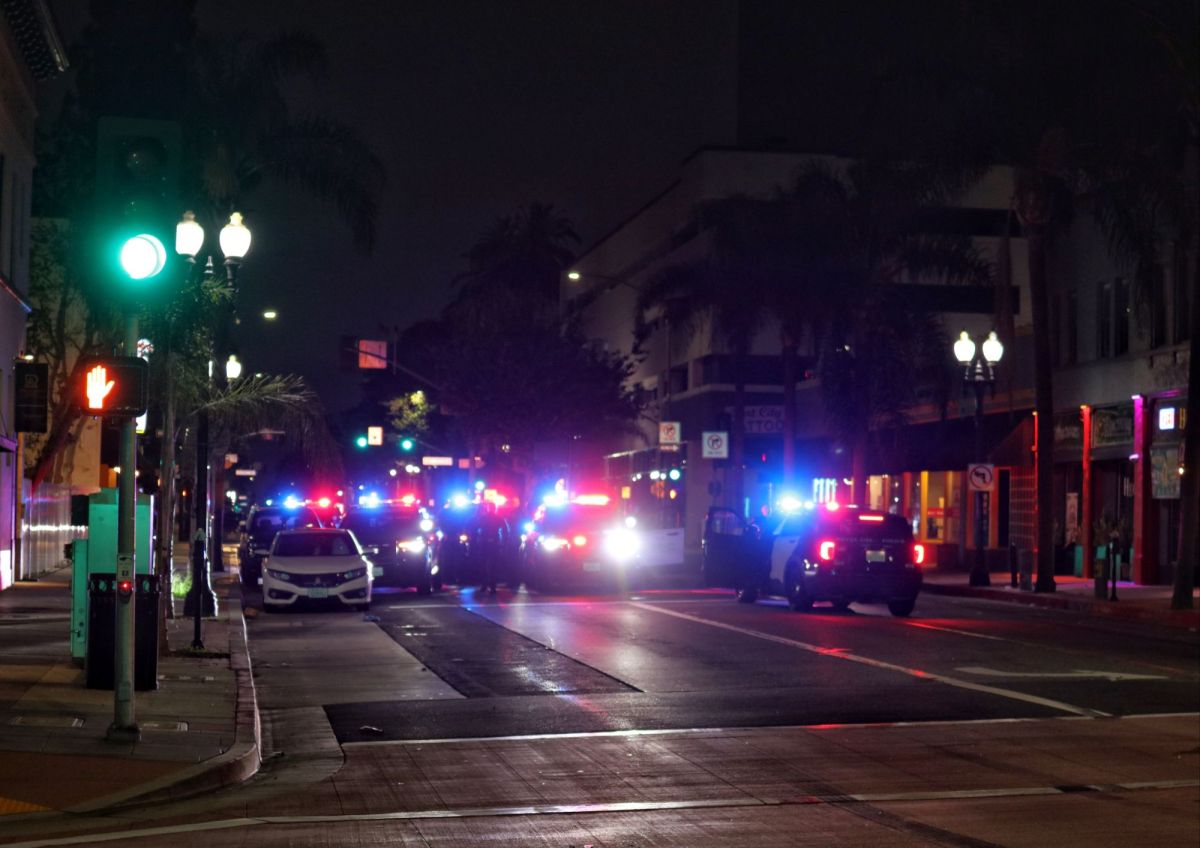
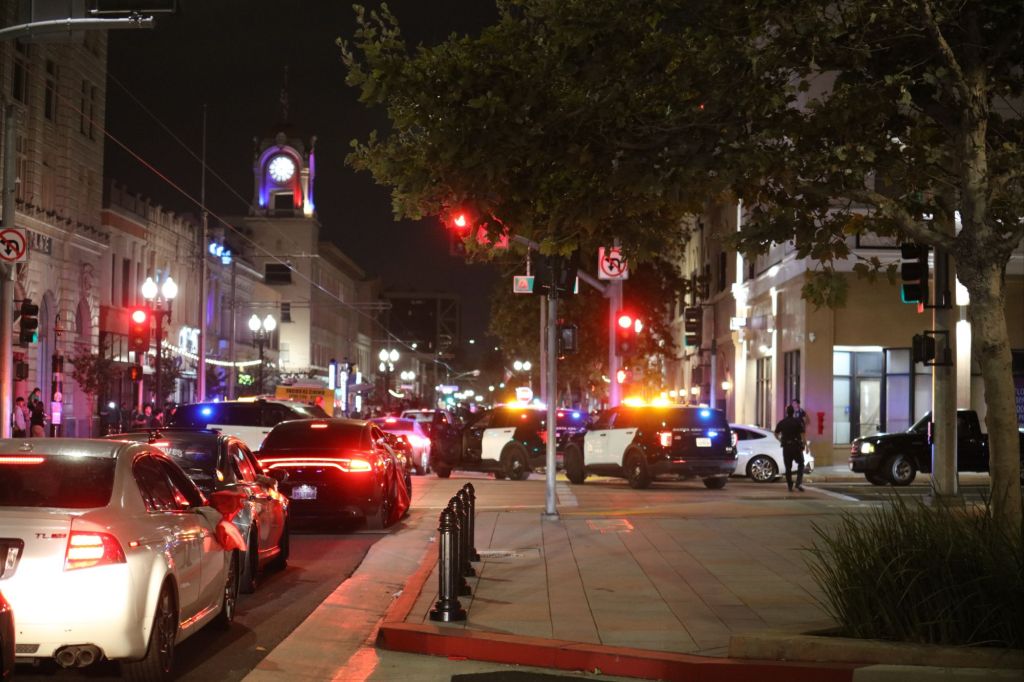
Last night, the streets of Downtown Santa Ana were electrified by a singular, unifying force: a momentous soccer victory for Mexico. The atmosphere was unmistakable—a vibrant display of collective pride that transformed the urban landscape into a stage for celebration. From the resonance of live music to the fireworks illuminating the night sky, the energy was infectious. Neighbors emerged from their homes and local establishments, creating a scene of camaraderie that felt, for several hours, like a genuine community event.
However, as a documentarian and a long-time observer of this city, I find that such moments of euphoria often expose a troubling structural void. While the community’s spirit was high, the absence of logistical coordination and foresight from city officials was equally palpable. The night served as a stark case study in the risks of a “hands-off” approach to public gatherings.
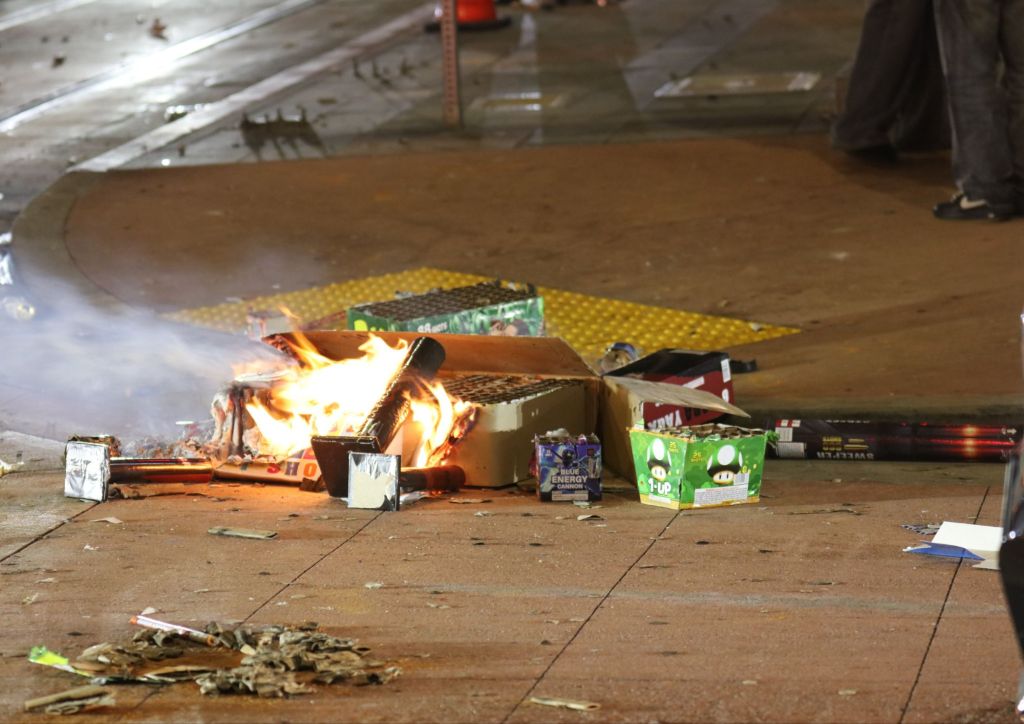
For the vast majority of the evening, the streets were left to manage themselves. In the absence of any visible official oversight, the atmosphere carried a volatile undercurrent. I personally had to intervene to de-escalate a physical altercation as tensions began to rise, and I observed a small fire burning on a street corner—minor incidents that were ultimately contained by the grace of the attendees themselves, but which underscore the instability of an unmanaged environment.
The transition from this “laissez-faire” state to enforced order was as jarring as it was predictable. Around 2:00 a.m., when the Santa Ana Police Department finally arrived to disperse the crowds, the atmosphere shifted instantly from festivity to tactical enforcement.
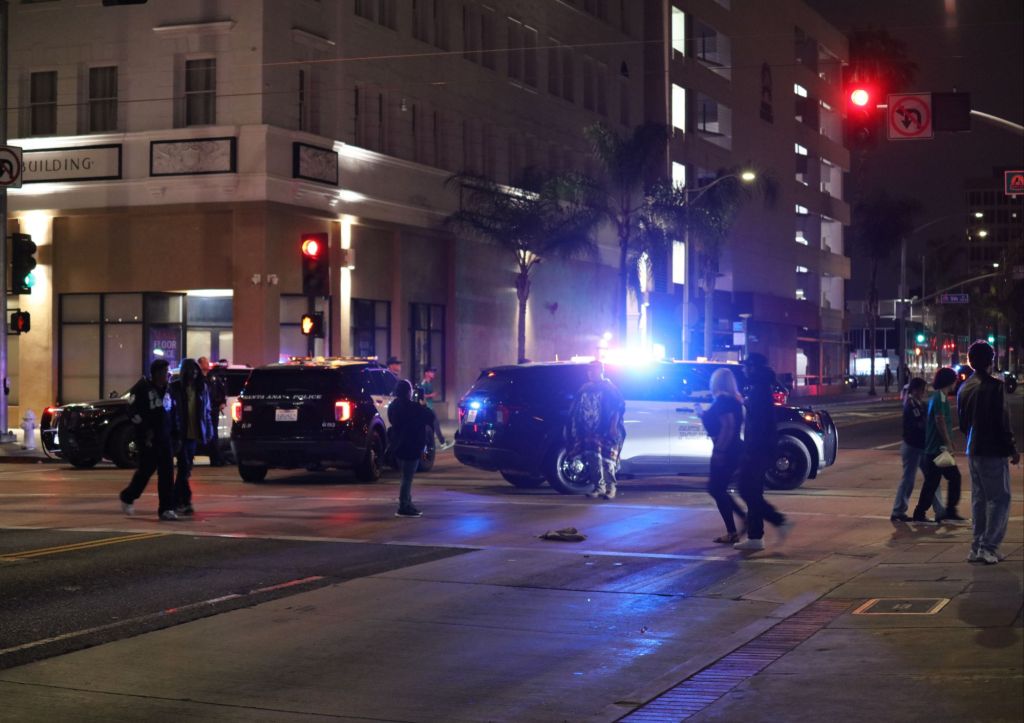
The shift revealed the fragility of the situation. While trying to clear the area, I found myself in the middle of a high-intensity police operation. Approximately six police units had a vehicle trained at gunpoint. As I prepared to exit the immediate vicinity, I encountered the same scene again; the officers were still there, weapons drawn, maintaining a perimeter around the vehicle. Moments later, on an adjacent block, the scene evolved further. I observed those same officers on foot, moving methodically and scanning the ground. One officer explained that they had given chase to suspects who had discarded an item while fleeing, and the officers were now scouring the area to recover it.
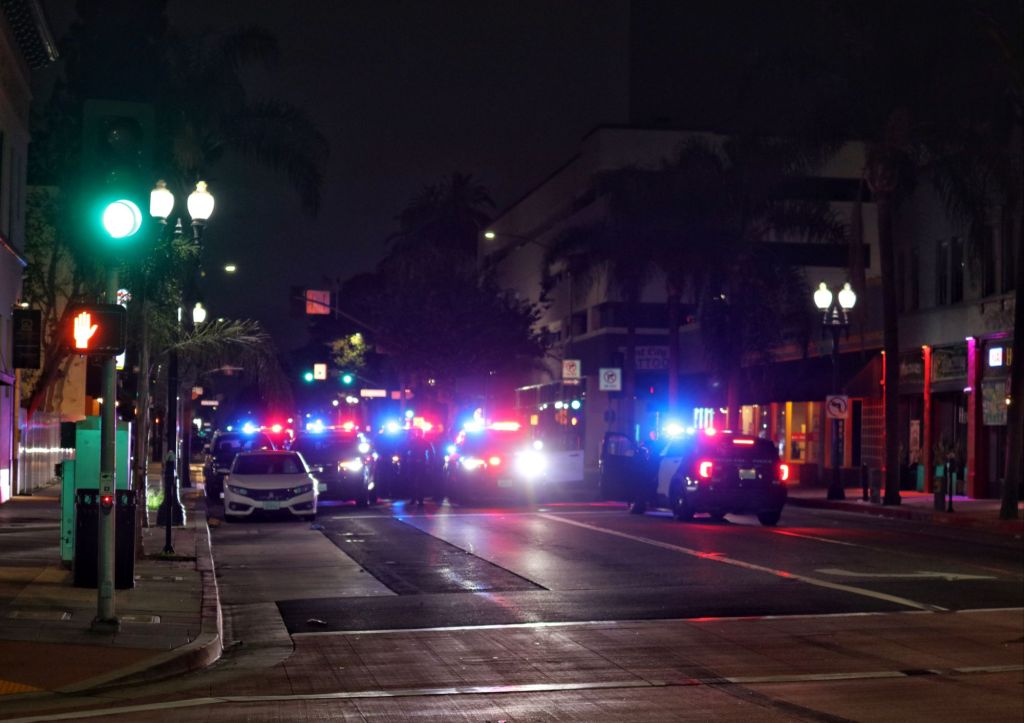
This juxtaposition—a celebratory, unmanaged street scene colliding with high-stakes police operations—is a recipe for chaos. A policy that relies on total silence from city leadership until the early morning hours is not a safety strategy; it is a lack of one.
We cannot expect to cultivate a vibrant, event-driven downtown culture while maintaining a philosophy of reactive, rather than proactive, planning. If we want our streets to be safe for those who live and work here, city officials must pivot from silence to strategy. This requires a dedicated framework for public gatherings that balances the spontaneity of community celebration with the necessity of maintaining order. It is entirely possible to foster a festive environment while having a real plan in place, but that requires leadership, not just observation. We love the energy of our city, but we deserve the stability that comes with sound governance.
Discover more from The OC Reporter
Subscribe to get the latest posts sent to your email.

