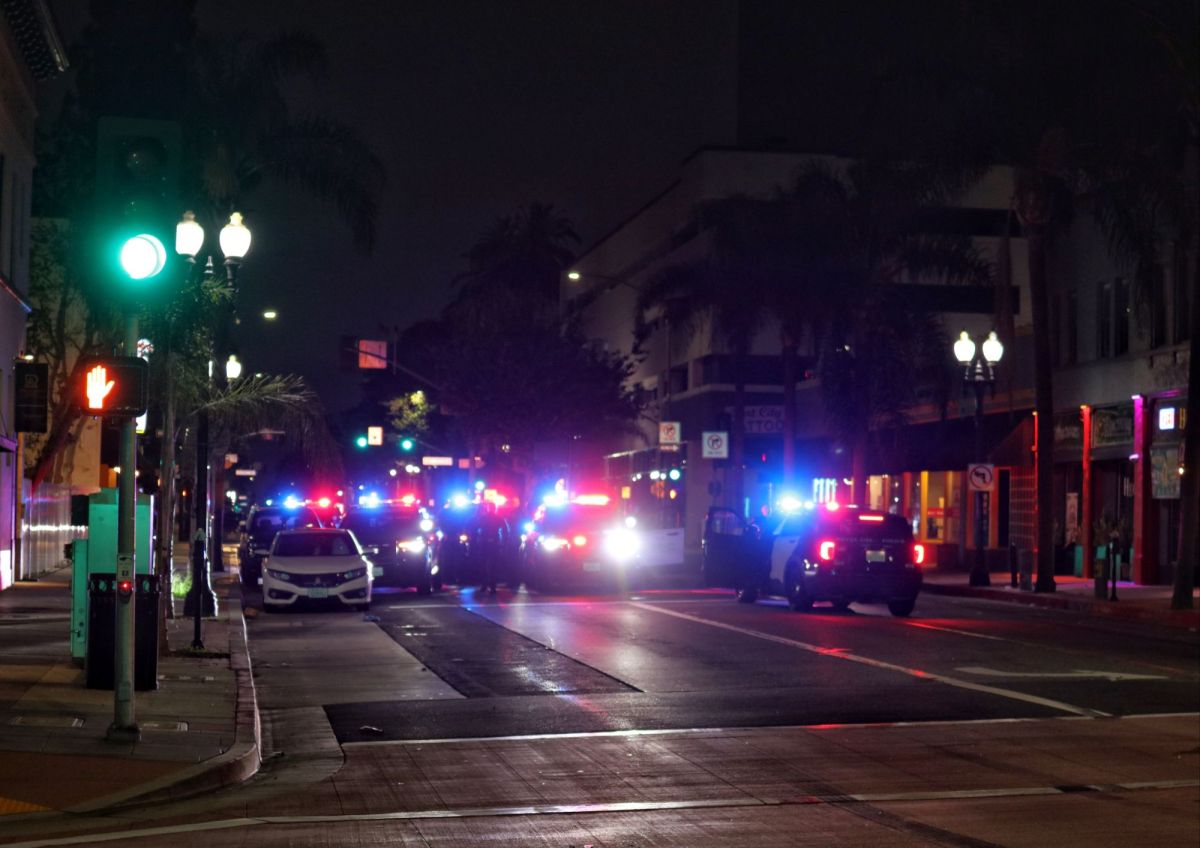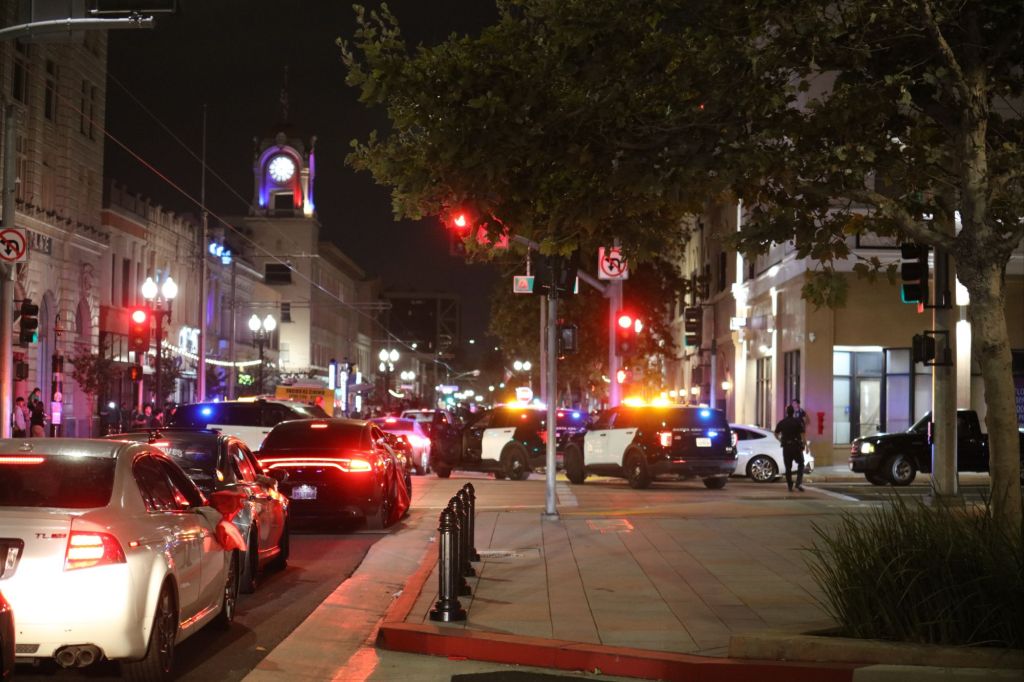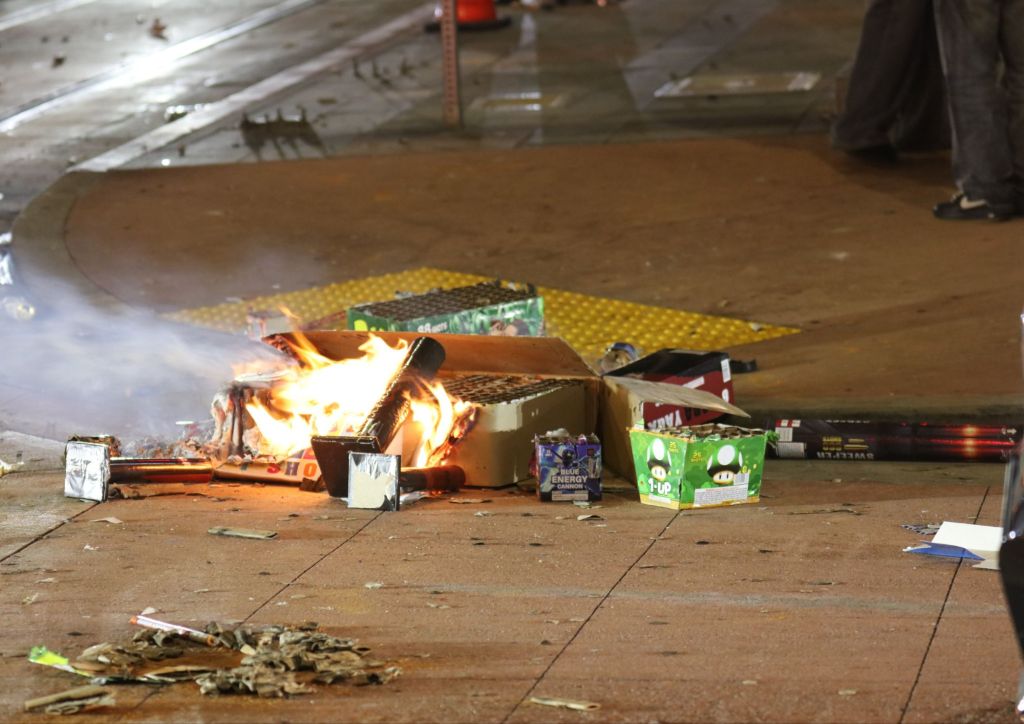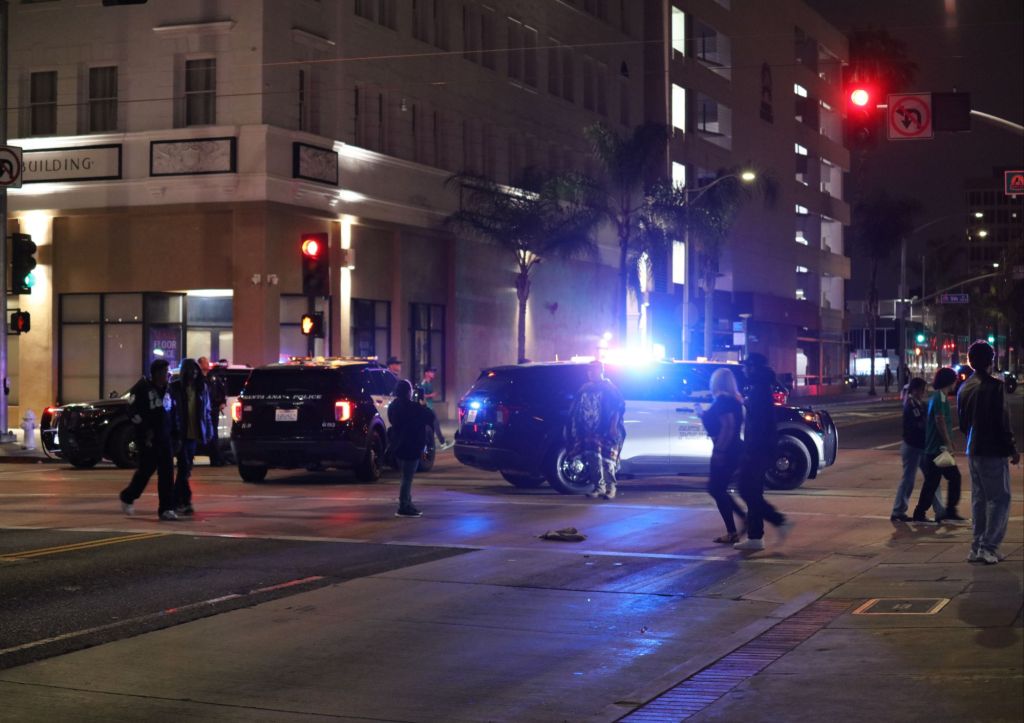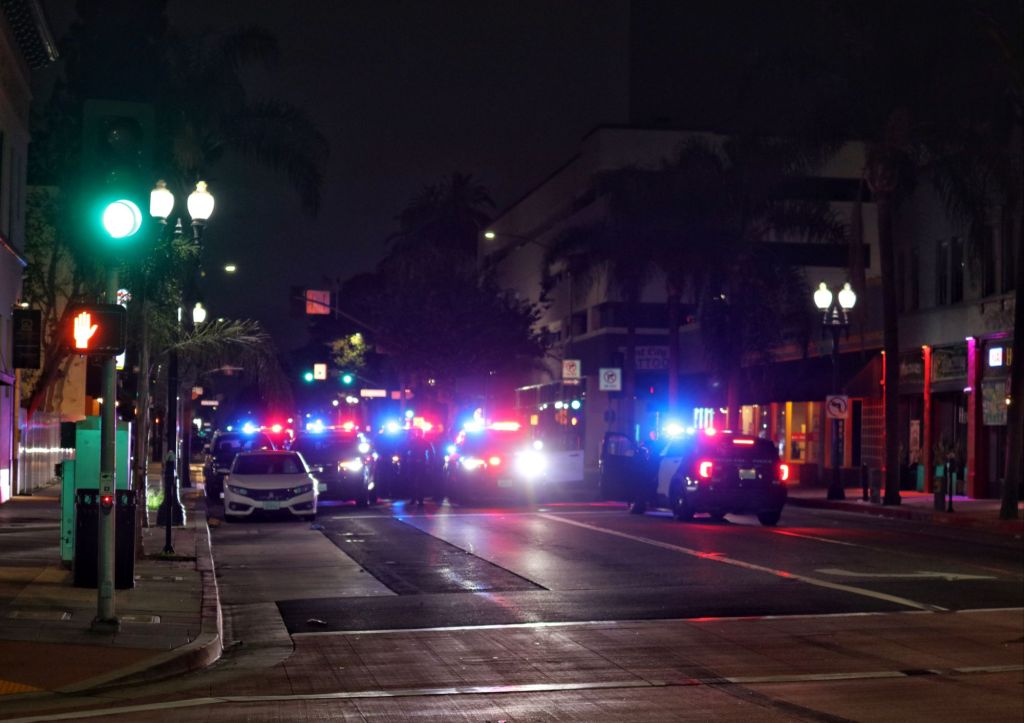
El video grabado en una acera de Santa Ana la noche del 1 de octubre no fue un arresto rutinario; para cualquiera que haya visto las imágenes virales, se parecía menos a un trabajo policial y más a una pelea callejera.
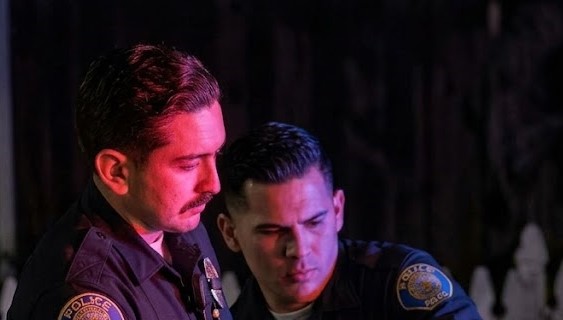
Las imágenes—grabadas por la hermana de Florentino Junior López, de 28 años—muestran a los oficiales llamando a López desde su jardín delantero, citando su condición de libertad condicional. Momentos después, tras un breve intercambio verbal, un oficial arroja por la fuerza a López contra el pavimento antes de iniciar una ráfaga de puñetazos y rodillazos, a los que rápidamente se suma su compañero. A medida que llegaba el apoyo, los oficiales tomaron medidas para obstruir que los transeúntes filmaran en lugar de desescalar la escena, una clara violación de la Ley del Derecho a Observar y Grabar de California (SB 95).
Para los residentes de muchos años, la escena trae recuerdos de la golpiza a Rodney King en 1991: un recordatorio de lo que sucede cuando la autoridad policial degenera en fuerza bruta.
Lo que siguió en el Ayuntamiento fue igualmente revelador. En tan solo cinco días, la alcaldesa Valerie Amezcua, el jefe de policía Robert Rodríguez y los concejales Phil Becerra y David Penaloza abordaron el incidente, pidiendo revisiones y supervisión independiente.
Si bien es necesaria una respuesta rápida, no se puede ignorar el momento en que ocurre. A solo unas semanas de las elecciones municipales y con escaños clave del concejo en la papeleta, esta repentina urgencia se siente menos como una reforma sistémica y más como un control de daños. Durante años, el liderazgo político de Santa Ana ha operado bajo el fuerte respaldo de la Asociación de Oficiales de Policía de Santa Ana (SAPOA, por sus siglas en inglés). Cuando la indignación pública amenaza el éxito electoral, la retórica cambia de la noche a la mañana; pero una verdadera rendición de cuentas requiere algo más que comunicados de prensa emitidos durante un ciclo electoral.
Los problemas que enfrenta Santa Ana van más allá de un solo arresto. A medida que las operaciones regionales de las fuerzas del orden federales y del ICE se expanden por el condado de Orange, los residentes se preguntan dónde se posiciona el liderazgo local con respecto a la protección de los miembros de la comunidad. La verdadera seguridad pública requiere líderes que defiendan los estándares constitucionales, hagan cumplir la política del departamento y defiendan los derechos de los residentes todos los días, no solo cuando las elecciones están a la vuelta de la esquina.
Los votantes de Santa Ana deben hacerse una pregunta crítica antes de llenar sus papeletas: ¿Están los líderes de la ciudad protegiendo a la comunidad, o están protegiendo el statu quo hasta que cierren las urnas?
CBS LA: Video muestra a oficiales de policía de Santa Ana golpeando a un hombre durante un arresto
Este informe de noticias locales cubre el video viral del arresto del 1 de octubre, detallando la reacción de la comunidad y la investigación interna del Departamento de Policía de Santa Ana.