

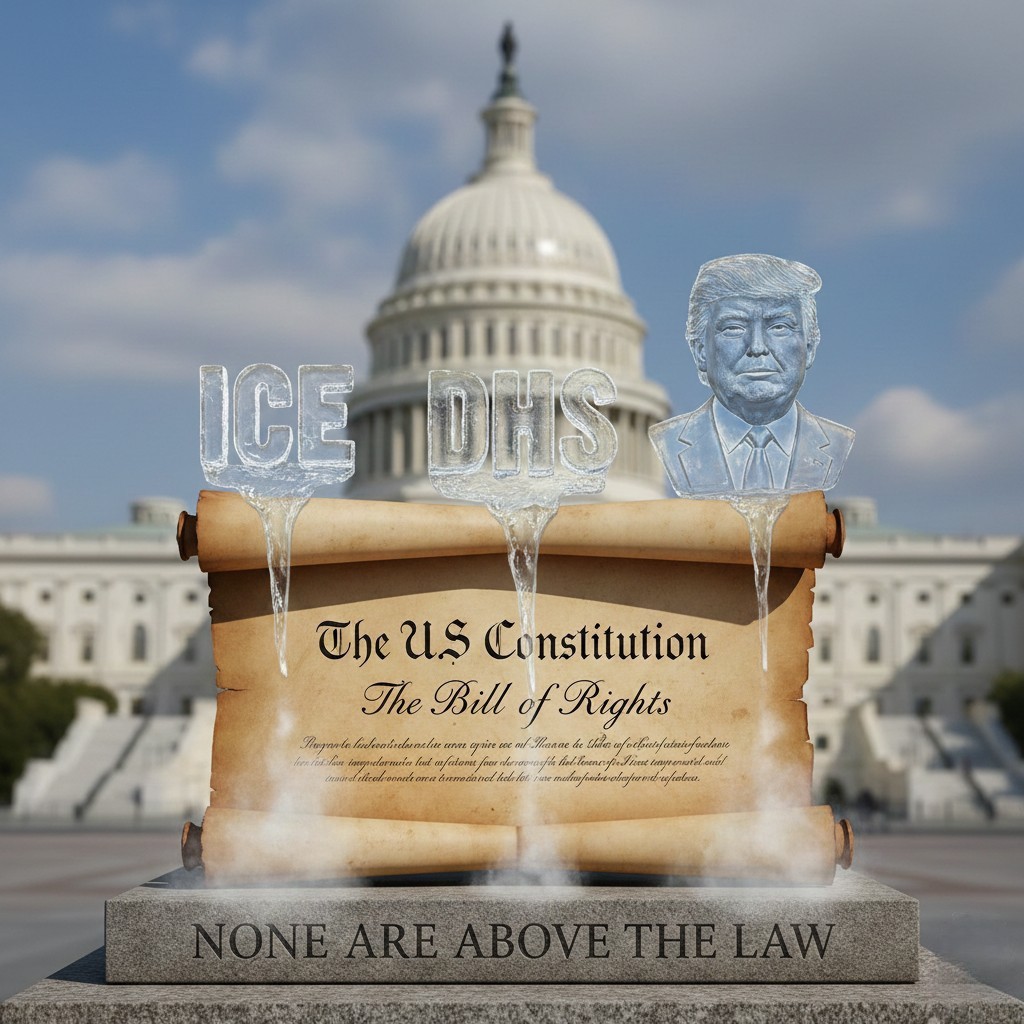
Immigration and Customs Enforcement (ICE) continues to function in cities and towns throughout the United States with blatant contempt for constitutional principles, civil rights, and human dignity. The raids take place during the early hours of the morning. Parents disappear from school drop-offs. Workers are abducted from their workplaces—all without warrants, frequently without justification, and always with the unsettling effectiveness of an organization that believes it is accountable to no one.
However, the reality is that ICE operates on more than just power. It uses gas. Regarding coffee from the corner deli. The serene complicity of local business, parking places, and Wi-Fi are all available at rest stops. That is exactly where communities have the power and obligation to retaliate.
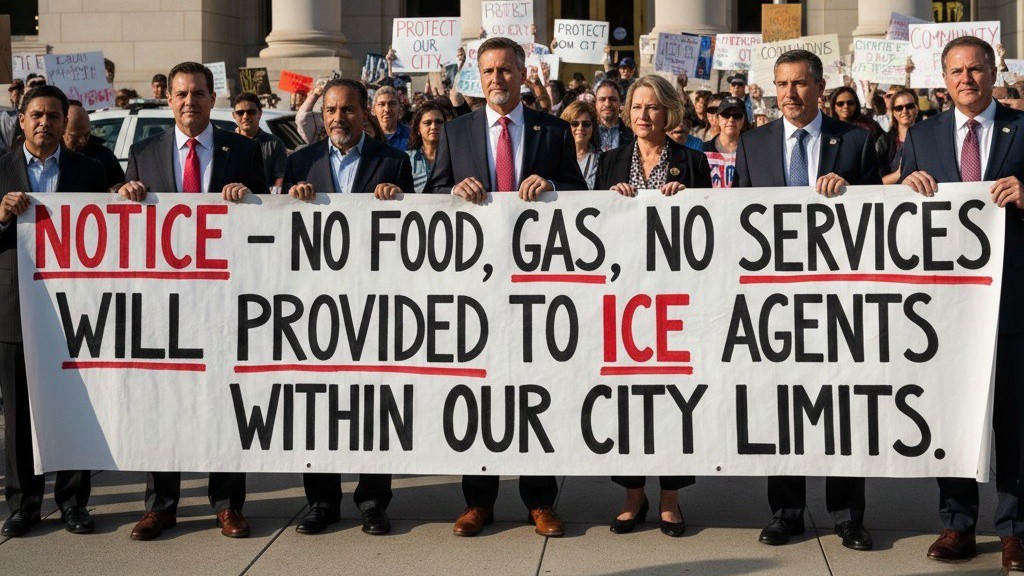
The concept is straightforward but has far-reaching consequences: “If you don’t want ICE in your community, stop supporting it.”
Don’t sell gasoline to ICE vehicles that are marked or unlabeled. bar representatives for restaurants and restrooms. Tell local businesses: no contracts, no services, no silent support for a system that splits families apart and makes due process optional.
This isn’t vigilantism. It’s community self-defense.

Such conduct, according to critics, “impedes federal law enforcement.” However, an agency loses the presumption of legitimacy when it regularly disregards the Fourth Amendment by entering houses without a warrant and the Fifth Amendment by arresting individuals without charges or access to a lawyer. ICE functions in a gray area made possible by indifference rather than legislation. Local companies become accessories to constitutional breaches every time a gas station fills an ICE van with gasoline or a restaurant provides breakfast to officers on their way to a raid, albeit unknowingly.
Although they are a beginning, sanctuary city statements are frequently symbolic. A genuine sanctuary is about the business owner who says, “Not on my property,” not about municipal hall resolutions. It’s about the community that collectively draws a line, saying, “You may have a badge, but you don’t have our consent.”

Others will contend that refusing service is un-American. However, it is undeniably un-American to permit a federal agency to arm local infrastructure against vulnerable neighbors while simultaneously asserting impunity. The Constitution does not cease to exist when someone’s immigration status changes, and it most certainly does not cease to exist when someone wears a DHS patch.
Moral resistance has always relied on disrupting the machinery of injustice—**not just condemning it, but starving it**—through the thousands of daily acts of ordinary people withdrawing their cooperation. History shows that oppressive regimes fall as a result of this withdrawal of cooperation, not just through courts or Congress. This withdrawal of cooperation has taken many forms, including divestment campaigns against apartheid and boycotts during the Civil Rights Movement.
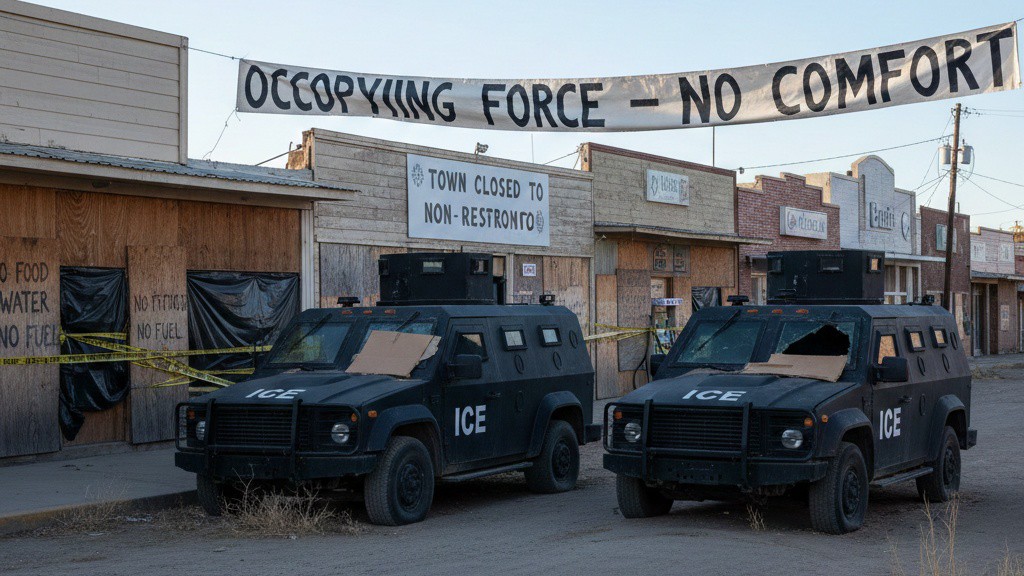
Therefore, to be clear, if ICE believes that it is above the Constitution, then communities are entitled to treat it as an occupying force, using complete non-cooperation rather than violence. No sustenance. No fuel. There are no restrooms. Not at all cozy. There isn’t a cover.
Make it logistically impossible for ICE to function in your city.
YOUR COMMUNITY .
Make your city a genuine haven rather than just a “sanctuary” in name.
Because justice cannot be proclaimed. We are the ones who enforce it.