Editorial: Responsabilizar al Departamento de Policía de Santa Ana por detenciones de patrullaje no reguladas

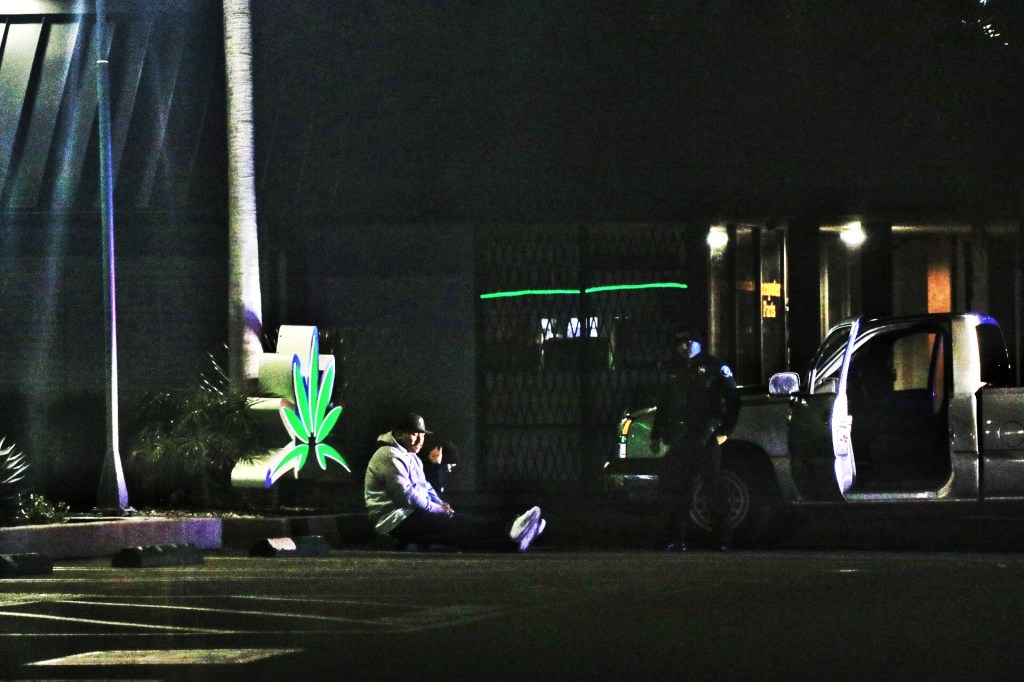
Fotografía de: Igmar Rodas/The Orange County Reporter, el Departamento de Policía de Santa Ana realiza paradas de tráfico en propiedad privada.

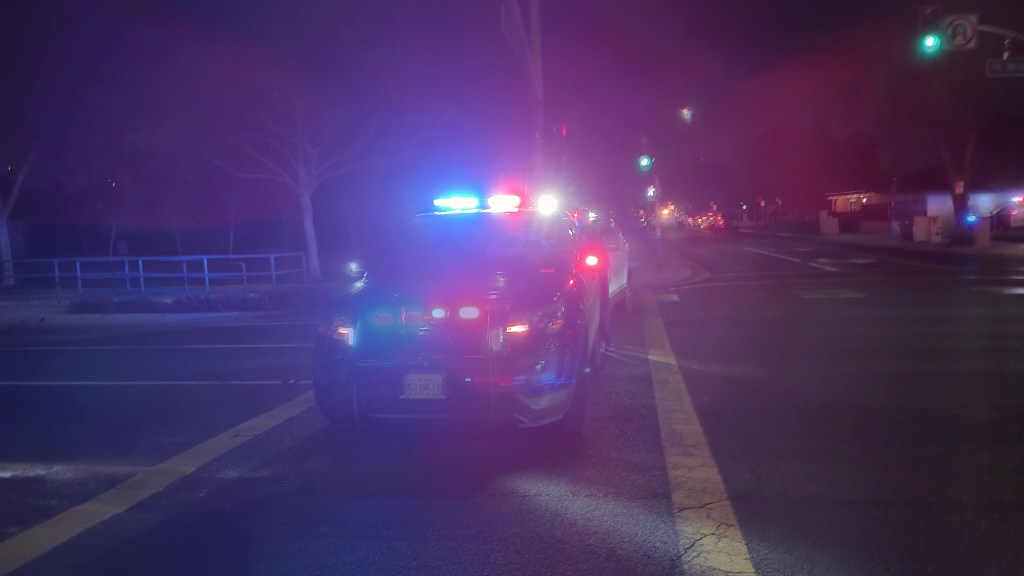
En Santa Ana ha surgido una tendencia preocupante: los agentes de patrulla están realizando controles de tráfico sin informar adecuadamente a la central, lo que da como resultado que no haya documentación oficial de su paradero ni de la razón de la detención. Cuando los residentes ansiosos se ponen en contacto con el departamento de policía para denunciar estos dudosos incidentes (que cuentan con los números de los coches patrulla y detalles precisos), se encuentran con respuestas evasivas y de obstrucción por parte del personal supervisor.

El problema fundamental radica en la falta de rendición de cuentas. Los vehículos de patrulla están equipados con sistemas de seguimiento por GPS, pero los supervisores se niegan a utilizar esta tecnología para confirmar la ubicación de los agentes. Algunos incluso afirman que acceder a la información del GPS está “fuera de su nivel salarial”. Esto provoca serias preguntas: si los supervisores desconocen la ubicación de sus agentes, ¿quién posee ese conocimiento? Y si lo tienen pero deciden no revelarlo, ¿qué podrían estar ocultando?

Foto de: Igmar Rodas/The Orange County Reporter, Los residentes de Santa Ana corren el riesgo de ser detenidos sin control, según lo desconocen los despachos de la policía.

La transparencia es la piedra angular de la confianza pública en la aplicación de la ley. Cuando los agentes actúan fuera de las normas de su propio departamento, se abre el camino a la mala conducta: detenciones ilegales, discriminación racial y violaciones de los derechos civiles. La situación en la que un supervisor niega la existencia de una unidad de patrulla que los residentes han observado claramente, o se niega a proporcionar los números de placa, es intolerable.

Los residentes de Santa Ana merecen una fuerza policial que funcione dentro de los límites de la ley, en lugar de por encima de ella. El departamento debe aplicar protocolos de supervisión más estrictos, que incorporen el seguimiento en tiempo real de las ubicaciones de los vehículos de patrulla que los supervisores están obligados a supervisar. Además, debe haber una política definida y aplicable que exija que todas las paradas de tráfico se registren con un despacho.

Foto de: Igmar Rodas/The Orange County Reporter.

Si el departamento se resiste a estas iniciativas fundamentales de rendición de cuentas, la comunidad tiene la responsabilidad de abogar por un cambio. Los funcionarios de la ciudad, el jefe de policía y los organismos de supervisión civil deben intervenir para garantizar que los agentes cumplan con los protocolos adecuados. La transparencia no es un privilegio, es un derecho público. Los agentes de Santa Ana deben rendir cuentas a las personas a las que sirven, en lugar de operar de forma encubierta.

Editorial: Holding the Santa Ana Police Department Responsible for Unregulated Patrol Stops

Photo by: Igmar Rodas/The Orange County Reporter Santa Ana Police Department makes traffic stops on Private Property.

A concerning trend has surfaced in Santa Ana: patrol officers are conducting traffic stops without adequately informing dispatch, resulting in no official documentation of their whereabouts or the rationale for the stop. When anxious residents contact the police department to report these dubious incidents—equipped with patrol car numbers and precise details—they encounter stonewalling and evasive responses from supervisory personnel.

The fundamental problem lies in a deficiency of accountability. Patrol vehicles are fitted with GPS tracking, yet supervisors decline to utilize this technology to confirm officer locations. Some even assert that accessing GPS information is “beyond their pay grade. ” This provokes serious questions: if supervisors are unaware of their officers’ locations, who possesses that knowledge? And if they do have it but choose not to reveal it, what could they be concealing?

Photo by: Igmar Rodas/The Orange County Reporter, Santa Ana Residents at Risk for Unchecked Stops, As Police Dispatch are unaware.

Openness is the cornerstone of public confidence in law enforcement. When officers act outside the regulations of their own department, it paves the way for misconduct—unlawful stops, racial profiling, and violations of civil rights. The situation where a supervisor denies the existence of a patrol unit that residents have clearly observed, or declines to provide badge numbers, is intolerable.

Santa Ana residents warrant a police force that functions within the confines of the law, rather than above it. The department must enforce stricter oversight protocols, incorporating real-time tracking of patrol vehicle locations that supervisors are obligated to supervise. Moreover, there must be a defined, enforceable policy requiring that all traffic stops are recorded with dispatch.

Photo by: Igmar Rodas/The Orange County Reporter.

Should the department resist these fundamental accountability initiatives, it falls upon the community to advocate for change. City officials, the police chief, and civilian oversight bodies must intervene to guarantee that officers adhere to appropriate protocols. Transparency is not a privilege—it is a public entitlement. Officers in Santa Ana must be accountable to the individuals they serve, rather than operating covertly.

Editorial: Encubrimiento de una muerte bajo custodia policial, Departamento de Policía de Santa Ana

La muerte de Freddie Washington mientras se encontraba bajo custodia policial ha provocado una gran controversia, en particular en relación con la respuesta del Departamento de Policía de Santa Ana al incidente. Muchos se preguntan por qué el departamento no ha sido abierto respecto de información vital sobre la muerte de Washington, lo que ha llevado a sospechar de un posible encubrimiento.

Fredd

Es importante reconocer, en primer lugar, que Washington falleció mientras se encontraba bajo custodia de las fuerzas del orden en Santa Ana, California. La falta de transparencia sobre los hechos que precedieron a su muerte, junto con las declaraciones públicas incompletas o tardías del Departamento de Policía de Santa Ana, ha intensificado el escepticismo público. Los críticos sostienen que la vacilación del departamento a la hora de revelar detalles esenciales, como la causa de la muerte o detalles específicos sobre las circunstancias de su arresto, puede ser un intento de proteger a los agentes implicados de ser interrogados.

En situaciones de alto perfil como ésta, es frecuente que se produzcan encubrimientos, especialmente cuando las autoridades se enfrentan a posibles repercusiones jurídicas y políticas. A falta de una investigación exhaustiva y transparente, es imposible que el público conozca la verdad. En una época caracterizada por una desconfianza generalizada hacia las fuerzas del orden, sucesos como éste aumentan las preocupaciones en torno a la rendición de cuentas de la policía y la protección de los derechos de los ciudadanos.

Además, existen problemas sistémicos más amplios. En numerosos casos, los departamentos pueden intentar ocultar información para mantener su reputación, evadir demandas judiciales o evitar más discordia en la comunidad. Sin embargo, esa falta de rendición de cuentas no hace más que aumentar las tensiones y generar demandas de una mayor supervisión y reformas en las fuerzas del orden.

La prioridad ahora debe ser insistir en una investigación completa e independiente sobre la muerte de Freddie Washington. Solo con transparencia y rendición de cuentas se puede empezar a restablecer la confianza entre las fuerzas del orden y las comunidades a las que sirven. Hasta que eso ocurra, la nube de sospechas y la posibilidad de un encubrimiento persistirán, socavando la credibilidad del departamento de policía y perpetuando el ciclo de desconfianza pública.

La alcaldesa de Santa Ana, Valerie Amezcua, podría colaborar con el Servicio de Inmigración y Control de Aduanas (ICE) en la implementación de estas directivas federales

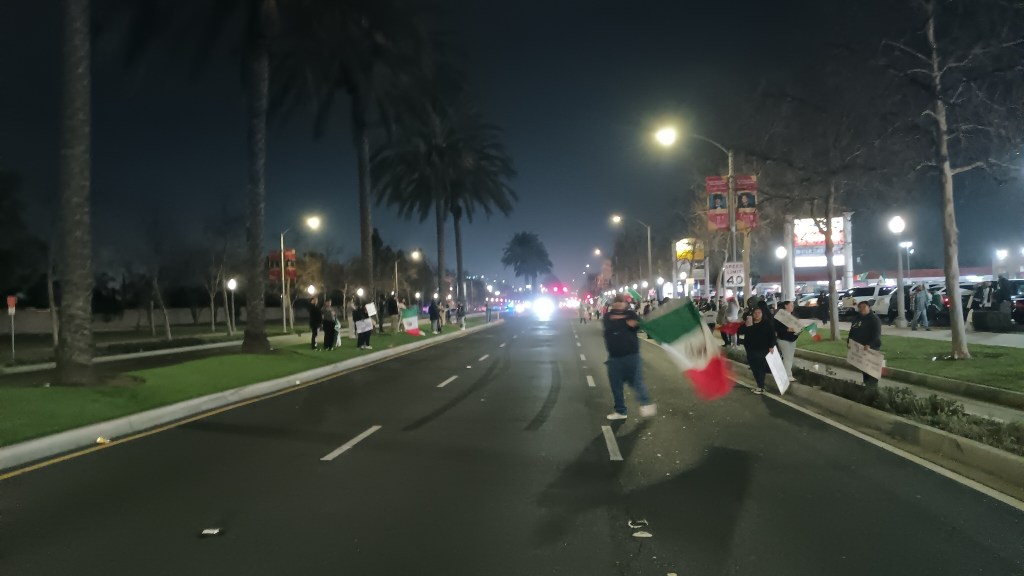
Foto de: Igmar Rodas / The Orange County Reporter

En los últimos días, Santa Ana, una ciudad ubicada en el condado de Orange, California, ha vivido extensas protestas pacíficas. Estas manifestaciones han sido impulsadas principalmente por la gran comunidad latina de la ciudad, que ha expresado una gran preocupación por múltiples cuestiones interconectadas.

Un tema clave en juego son las recientes políticas migratorias del presidente Donald Trump, especialmente sus propuestas de deportaciones masivas de inmigrantes indocumentados, incluidos aquellos sin antecedentes penales que se desempeñan como miembros diligentes y contribuyentes de la sociedad. El plan del gobierno de invocar la Ley de Enemigos Extranjeros de 1798 para acelerar las deportaciones ha intensificado estas preocupaciones.

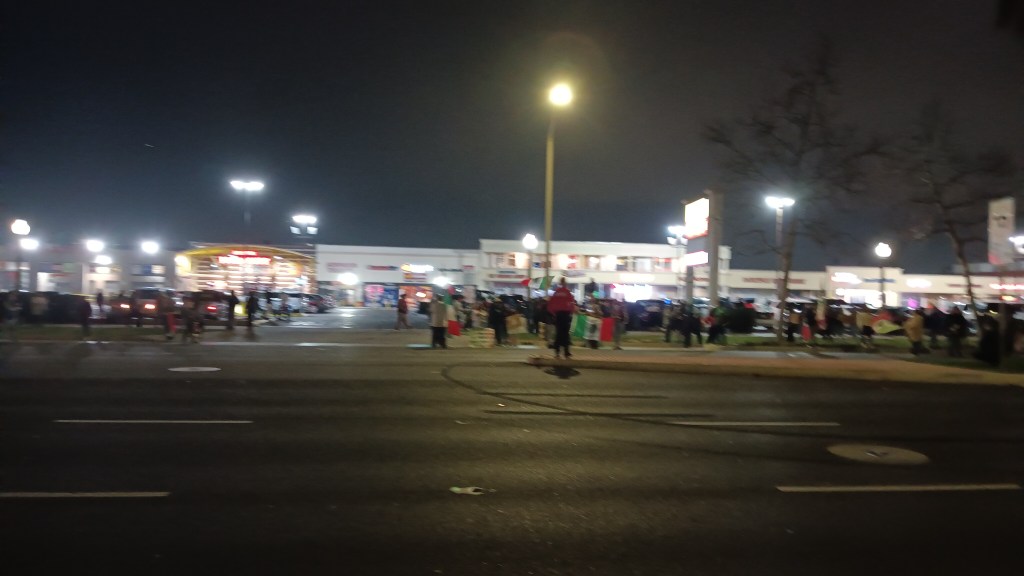
Foto de: Igmar Rodas / The Orange County Reporter

Para agravar aún más el malestar local, hay informes que indican que la alcaldesa de Santa Ana, Valerie Amezcua, podría estar coordinando con el Servicio de Inmigración y Control de Aduanas (ICE) para ejecutar estas órdenes federales. Muchos perciben esta supuesta colaboración como una violación de la ley de ciudades santuario de Santa Ana de 2017, que se promulgó para proteger a las personas indocumentadas de las acciones federales de inmigración.

Las protestas se han caracterizado por su enfoque no violento, con manifestantes que abogan por la protección de los derechos de los inmigrantes y el cumplimiento de la ordenanza de ciudad santuario. Los líderes comunitarios y los defensores están promoviendo políticas que reconocen el papel de los inmigrantes indocumentados y buscan una reforma migratoria integral en lugar de acciones punitivas.

Foto de: Igmar Rodas / The Orange County Reporter

Estos sucesos en Santa Ana reflejan una conversación nacional más amplia sobre las políticas de inmigración y la participación de los gobiernos locales en su aplicación. A medida que la situación evoluciona, pone de relieve la discordia entre los mandatos federales y los principios comunitarios, en particular en áreas con grandes poblaciones de inmigrantes.

Santa Ana Mayor Valerie Amezcua may be collaborating with Immigration and Customs Enforcement (ICE) in the implementation of these federal directives

Photo by: Igmar Rodas / The Orange County Reporter

In recent days, Santa Ana, a city located in Orange County, California, has experienced extensive peaceful protests. These demonstrations have been mainly fueled by the city’s large Latino community, voicing significant concern over multiple interconnected issues.


A key issue at stake is President Donald Trump’s recent immigration policies, especially his proposals for mass deportations of undocumented immigrants, including those without criminal histories who serve as diligent, tax-paying members of society. The administration’s plan to invoke the 1798 Alien Enemies Act to accelerate deportations has intensified these worries.

Photo by: Igmar Rodas / The Orange County Reporter


Further aggravating local unrest are reports indicating that Santa Ana Mayor Valerie Amezcua may be coordinating with Immigration and Customs Enforcement (ICE) to carry out these federal orders. Many perceive this alleged collaboration as a breach of Santa Ana’s 2017 sanctuary city law, which was enacted to safeguard undocumented individuals from federal immigration actions.


The protests have been characterized by their non-violent approach, with demonstrators advocating for the safeguarding of immigrant rights and compliance with the sanctuary city ordinance. Community leaders and advocates are promoting policies that acknowledge the roles of undocumented immigrants and pursue comprehensive immigration reform rather than punitive actions.

Photo by: Igmar Rodas / The Orange County Reporter


These occurrences in Santa Ana mirror a wider national conversation regarding immigration policies and the involvement of local governments in enforcing them. As the situation evolves, it highlights the discord between federal mandates and community principles, particularly in areas with large immigrant populations.

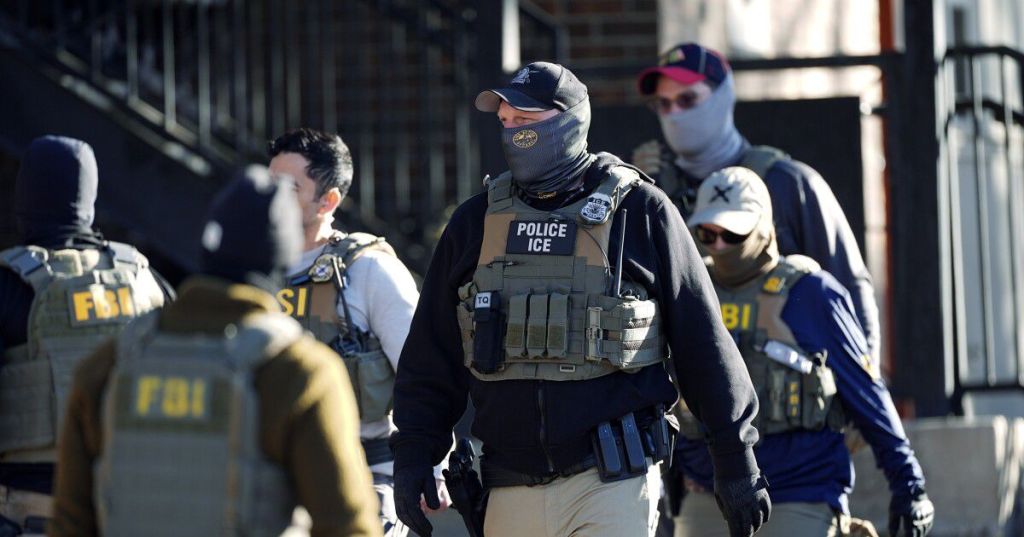
Editorial: Santa Ana Mayor Valerie Amezcua Collaborating with ICE to Deport Santa Ana Residents? – A Breach of Trust in a Sanctuary City

Arrest of a person by ICE Agents on January 8th 2025 and Mayor Amezcua in Silence in the Sanctuary city of Santa Ana.

Santa Ana, a lively and diverse community that has historically taken pride in safeguarding immigrant families, is undergoing a concerning transformation. Under Mayor Valerie Amezcua’s direction, recent information has emerged indicating that the mayor’s office is collaborating with U. S. Immigration and Customs Enforcement (ICE) to deport residents. This has ignited a backlash from residents, activists, and community leaders who view this as a blatant contradiction to the city’s longstanding identity as a sanctuary city.

Santa Ana officially established its sanctuary status in 2017, offering vital protections for immigrants by limiting local law enforcement cooperation with federal immigration agencies. The aim was unequivocal: to foster a safe atmosphere for all residents, irrespective of their immigration status. Immigrant communities in Santa Ana have established their lives here, enriching the cultural, economic, and social landscape of the city. For many, the sanctuary label signified that they could exist with enhanced security, without the constant dread of deportation.

However, the recent revelations have overshadowed this feeling of safety and reliability. If Mayor Amezcua is indeed cooperating with ICE to facilitate deportations, it undermines the very tenets that Santa Ana’s sanctuary designation was intended to support. It not only breaches the trust of the immigrant community but also communicates that the city might be willing to work alongside federal authorities in ways that contradict its own laws and principles. This dilemma is not solely about one person; it mirrors a broader concern that impacts countless families. Deportations are not just statistics—they signify real individuals, mothers, fathers, sons, and daughters who face the possibility of being separated from their homes and communities. These individuals contribute to the city’s economy, participate in local educational institutions, and are vital members of the Santa Ana community.

If confirmed, Mayor Amezcua’s actions raise significant alarms. They jeopardize the trust that the city has diligently cultivated with its immigrant inhabitants. As a sanctuary city, Santa Ana ought to embody a symbol of safety and inclusion, not a location where immigrants dread deportation at the hands of local law enforcement. The city has always celebrated its progressive ideals, and this apparent policy shift represents a regression in the pursuit of immigrant rights and justice. The residents of Santa Ana are entitled to more. They warrant transparency from their elected officials and the reassurance that their city will continuously serve as a refuge, not a battleground for federal immigration enforcement. If the mayor persists in her collaboration with ICE, it is essential for the community to hold her accountable and demand a return to the principles that have established Santa Ana as a sanctuary city.

Ultimately, the residents of Santa Ana deserve to live free from the anxiety of deportation. If Mayor Amezcua is collaborating with ICE to remove local inhabitants, it is essential for her to reconsider this strategy and recognize that the sanctuary status of Santa Ana ought to be respected, not violated. It is time for our leaders to prioritize the needs of the community and strive for policies that safeguard, rather than penalize, the individuals who consider Santa Ana their home.

Editorial: La alcaldesa de Santa Ana, Valerie Amezcua, colabora con el ICE para deportar a los residentes de Santa Ana?: una violación de la confianza en una ciudad santuario

Arresto de una persona por agentes de ICE el 8 de enero de 2025 y el alcalde Amezcua en silencio en la ciudad santuario de Santa Ana.


Santa Ana, una comunidad vivaz y diversa que históricamente se ha enorgullecido de proteger a las familias inmigrantes, está atravesando una transformación preocupante. Bajo la dirección de la alcaldesa Valerie Amezcua, ha surgido información reciente que indica que la oficina del alcalde está colaborando con el Servicio de Inmigración y Control de Aduanas de los Estados Unidos (ICE) para deportar a los residentes. Esto ha provocado una reacción negativa de los residentes, activistas y líderes comunitarios que ven esto como una contradicción flagrante con la identidad de larga data de la ciudad como ciudad santuario.


Santa Ana estableció oficialmente su estatus de santuario en 2017, ofreciendo protecciones vitales para los inmigrantes al limitar la cooperación de las fuerzas del orden locales con las agencias federales de inmigración. El objetivo era inequívoco: fomentar una atmósfera segura para todos los residentes, independientemente de su estatus migratorio. Las comunidades inmigrantes en Santa Ana han establecido sus vidas aquí, enriqueciendo el panorama cultural, económico y social de la ciudad. Para muchos, la etiqueta de santuario significaba que podían vivir con mayor seguridad, sin el temor constante de la deportación.


Sin embargo, las recientes revelaciones han eclipsado esta sensación de seguridad y fiabilidad. Si el alcalde Amezcua está realmente cooperando con el ICE para facilitar las deportaciones, socava los principios mismos que la designación de santuario de Santa Ana pretendía respaldar. No solo viola la confianza de la comunidad inmigrante, sino que también comunica que la ciudad podría estar dispuesta a trabajar junto con las autoridades federales de maneras que contradicen sus propias leyes y principios. Este dilema no se trata únicamente de una persona; refleja una preocupación más amplia que afecta a innumerables familias. Las deportaciones no son solo estadísticas: significan individuos reales, madres, padres, hijos e hijas que enfrentan la posibilidad de ser separados de sus hogares y comunidades. Estas personas contribuyen a la economía de la ciudad, participan en instituciones educativas locales y son miembros vitales de la comunidad de Santa Ana.


Si se confirma, las acciones del alcalde Amezcua generan importantes alarmas. Ponen en peligro la confianza que la ciudad ha cultivado diligentemente con sus habitantes inmigrantes. Como ciudad santuario, Santa Ana debería encarnar un símbolo de seguridad e inclusión, no un lugar donde los inmigrantes teman la deportación a manos de las fuerzas del orden locales. La ciudad siempre ha celebrado sus ideales progresistas, y este aparente cambio de política representa una regresión en la búsqueda de los derechos y la justicia de los inmigrantes. Los residentes de Santa Ana tienen derecho a más. Se merecen transparencia de sus funcionarios electos y la seguridad de que su ciudad servirá continuamente como refugio, no como campo de batalla para la aplicación de las leyes federales de inmigración. Si la alcaldesa persiste en su colaboración con el ICE, es esencial que la comunidad la haga responsable y exija un retorno a los principios que han establecido a Santa Ana como ciudad santuario.


En última instancia, los residentes de Santa Ana merecen vivir libres de la ansiedad de la deportación. Si la alcaldesa Amezcua está colaborando con el ICE para expulsar a los habitantes locales, es esencial que reconsidere esta estrategia y reconozca que el estatus de santuario de Santa Ana debe ser respetado, no violado. Es hora de que nuestros líderes prioricen las necesidades de la comunidad y luchen por políticas que protejan, en lugar de penalizar, a las personas que consideran a Santa Ana su hogar.

Editorial: Santa Ana Police Department Cover Up in The Death of A South Carolina man in Police Custody.

The murder of Freddie Washington while in police custody has ignited considerable controversy, particularly concerning the Santa Ana Police Department’s response to the incident. Many are questioning why the department has not been open about vital information regarding Washington’s death, leading to suspicions of a potential cover-up.

Freddie Washington, of Aiken, South Carolina, died in police custody after being arrested by the Santa Ana Police Department.

It is important to first recognize that Washington’s death took place while he was in the custody of law enforcement in Santa Ana, California. The absence of transparency regarding the occurrences that preceded his death, along with incomplete or delayed public statements from the Santa Ana Police Department, has intensified public skepticism. Critics argue that the department’s hesitation to disclose essential details, such as the cause of death or specifics regarding the circumstances of his arrest, may be an effort to protect the officers involved from scrutiny.

Cover-ups frequently happen in high-profile situations like this one, especially when authorities confront possible legal and political repercussions. In the absence of a comprehensive and transparent investigation, it is impossible for the public to ascertain the truth. In an era characterized by widespread distrust toward law enforcement, events like this amplify concerns surrounding police accountability and the safeguarding of citizens’ rights.

Moreover, there are broader systemic problems involved. In numerous instances, departments may seek to hide information to maintain their reputation, evade lawsuits, or avert further discord in the community. However, such a lack of accountability only heightens tensions and drives demands for enhanced oversight and reform within law enforcement.

The priority now must be to insist on a complete, independent inquiry into Freddie Washington’s death. Only with transparency and accountability can the trust between law enforcement and the communities they serve begin to mend. Until that occurs, the cloud of suspicion and the potential for a cover-up will persist, undermining the credibility of the police department and perpetuating the cycle of public distrust.

Editorial: The Brawls Inside and Outside Downtown Santa Ana Nightclubs: A Call for Action

On any weekend night, the lively streets of downtown Santa Ana brim with excitement, yet beneath the vivid lights and booming bass of the nightclubs exists a more troubling aspect—one tainted by violence. As someone who has spent numerous evenings walking through these streets, I have observed firsthand the growing prevalence of fights erupting both within and outside the clubs. What’s equally concerning, however, is the sluggish and often insufficient reaction by the Santa Ana Police Department to these occurrences, prompting me to wonder if the safety of the community is genuinely a priority.

Within the nightclubs, the tension is tangible. The densely packed crowds, fueled by alcoholic drinks and drugs, foster an atmosphere ripe for conflict. A careless remark or a minor shove can swiftly escalate into a full-blown brawl. I have seen altercations ignite over insignificant issues—someone cutting in line at the bar, an intoxicated person inadvertently colliding with another, or even just an incorrect glance exchanged between two strangers. The ensuing chaos is consistently the same: people yelling, chairs and bottles flying, and bystanders hastily trying to dodge getting caught in the fray. However, it’s not only the fights that unsettle me. It’s the absence of action from club security, who appear more concerned about safeguarding their business than ensuring patron safety.

Photo: Igmar Rodas / Chaos erupts outside Next Round Bar & Grill in Downtown Santa Ana.

Yet even more alarming is what transpires when the brawls bleed out into the streets. The once-vibrant streets of downtown transform into battlegrounds, with individuals throwing punches, hurling slurs, and generating an overall sense of lawlessness. Just a few weeks ago, I watched in astonishment as a fight between two men escalated into a blockwide clash. People were yelling for assistance, yet the police were nowhere to be found. It wasn’t until several minutes later—an eternity in the midst of chaos—that officers arrived, and by that moment, the harm was done. Several individuals had already been harmed, and the offenders had vanished.

Photo: Igmar Rodas / Over 50 intoxicated people blocking traffic brawling in the middle of an intersection at 2nd and Broadway in Downtown Santa Ana.

The sluggish reaction from the Santa Ana Police Department is the elephant in the room. For a city that takes pride in cultivating a lively nightlife, it’s unacceptable that the police appear so ill-equipped to handle these frequent violent episodes. On numerous occasions, I have heard from both patrons and local business proprietors that they have reached out to the police for assistance, only to have officers arrive far too late. There’s a feeling of neglect, a sense that the police are either too short-staffed or simply too overwhelmed to adequately tackle the situation. The absence of prompt action often leaves those caught in the turmoil feeling deserted, while those accountable for the violence go unpunished.


This delayed reaction isn’t merely an inconvenience; it’s a critical safety issue. Each time an altercation occurs, there’s a potential for it to escalate—firearms, blades, or even worse could easily come into play, and the longer it takes for law enforcement to intervene, the more probable it is that circumstances will deteriorate. The streets of Santa Ana shouldn’t resemble a battleground after sunset. People ought to be able to enjoy an evening out without the anxiety of being caught up in or witnessing violence. And yet, repeatedly, we’re left questioning: where are the police when they are needed?

Photo: Igmar Rodas / Brawl still going with no Santa Ana Police Department presence, (I had to call 911 to get the Santa Ana Police Department to respond).

What is evident is that the situation necessitates action, and it must occur immediately. The Santa Ana Police Department ought to devise methods to enhance its response time to incidents within and surrounding the downtown area. An increase in officer deployment during peak times is essential, along with improved coordination with nightclub security to stop situations from escalating initially. Moreover, there ought to be a heightened focus on community policing, with officers establishing connections with local business owners and the public, so that when an altercation does occur, there’s already an element of trust that can speed up the response process.

As a resident and Independent Reporter to downtown Santa Ana, I desire to see it prosper. I want individuals to unite and relish the nightlife, without concerns for their safety. However, for that to materialize, the Santa Ana Police Department and the city must do more to guarantee that the fights inside and outside the nightclubs don’t continue to tarnish the reputation of this once-vibrant area. We require a quick, definitive response to violence, not just dealing with its consequences. The moment for action is now.


Police Brutality in Santa Ana

Police Violence & Brutality in Santa Ana

Police brutality in Santa Ana has been an issue, which has received lots of concern from the people and especially the activists. Several mishandled cases of use of force and police misconduct involving affines of the Santa Ana Police Department or SAPD have received public outcry. Such occurrences happen in contact with minority groups making many people question the department and their conduct.

Notable Incidents

This has led to several cases of police brutality being highlighted of which some have occurred in Santa Ana. This occurred when some of the officers were said to have involved unnecessary force when arresting some individuals which resulted to harm and protest. These factors have led to investigations and have been the force behind community activism for police accountability of their conducts.

Community Response and Activism

To counter the claims of the police brutality local activists and groups have come forward to push for reform within the SAPD. Citizens, however, have demanded reform to the police functioning, one on the ability to control force or in proper handling of riots, and the other concerning the absence of a body unrelated to the police force that supervises their actions. People walk to incite justice for victims of the police brutality while numerous public demonstrations are heard to respond to injustice.

Calls for Reform

Responding to years of police misconduct in Santa Ana, people continue raising their voices to address the problem systemically. There are people that would like the state to introduce measures when the citizens are protected rather than being harmed. This entails increasing support to police officers’ mental health and improving the Force/Public Order Policies.

SAPD

Conclusion

The problem of police misconduct hence the excessive use of force in Santa Ana is still prevalent with people demanding a change. The above concerns can only be addressed as the societies gain trust in the police and feel safe with whatever actions the police take against them.