
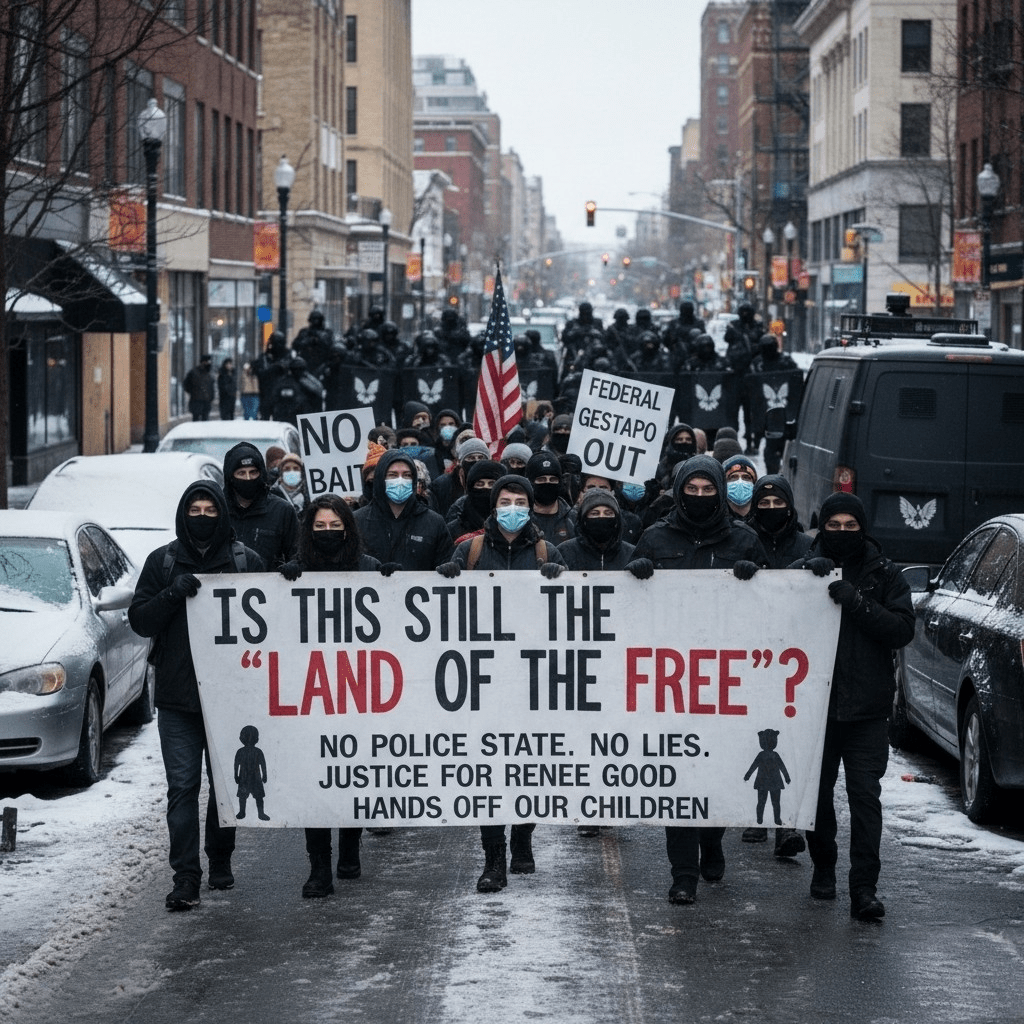
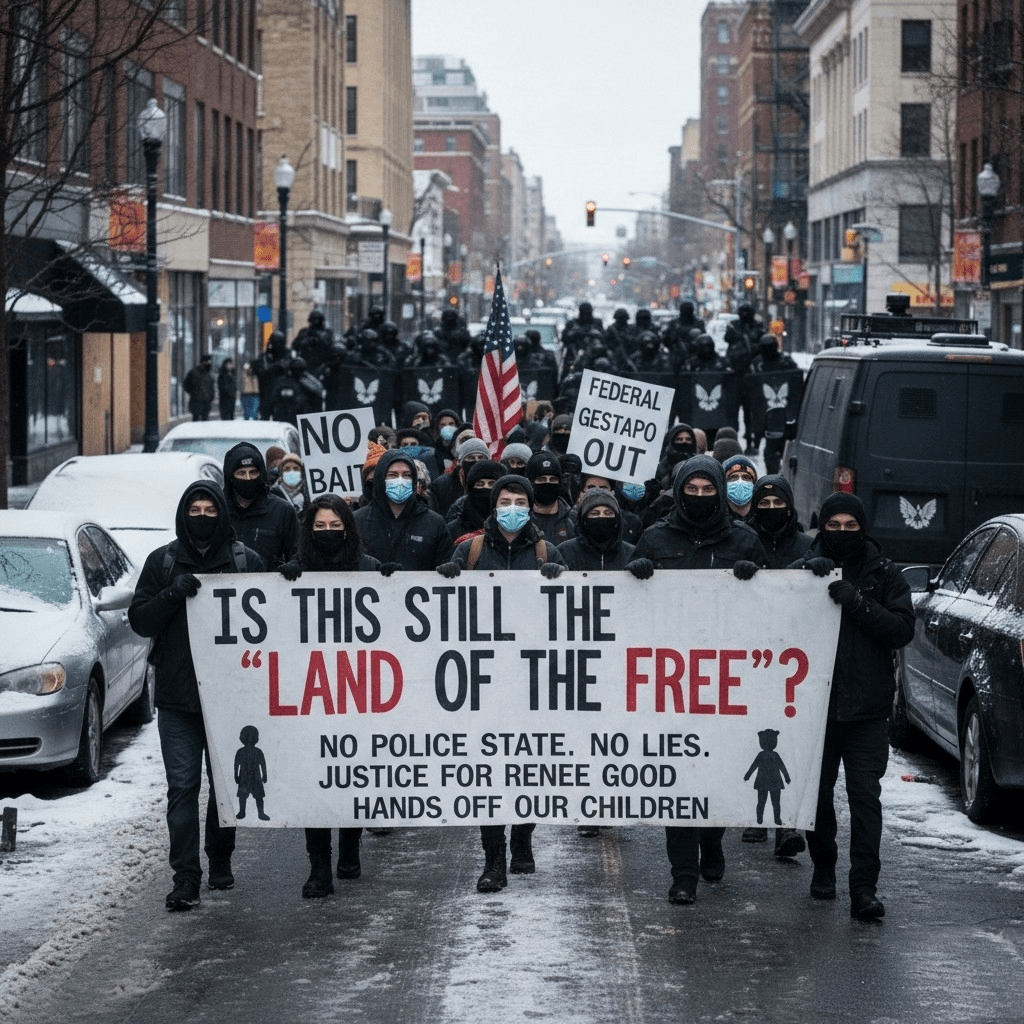
From the suburbs of Minneapolis to the streets of Santa Ana, the American promise of “liberty and justice for all” is now being broken down piece by piece. A political police state, where federal “Gestapo” methods are becoming the norm, is what immigration enforcement has evolved into from what it once was.
The Minnesota Blueprint: Exploitation and Executions
In what can only be called public executions, two American citizens, Renée Nicole Good and Alex Pretti, have died at the hands of federal agents in front of the entire country in the past three weeks. Bystander footage of Pretti’s case shows a man with only a cell phone in his hand before he is tackled and murdered. Instead of transparency, we see an executive administration surrounding the wagons and calling victims “domestic terrorists” in order to rationalize the inexcusable.
The employment of children as tactical weapons is even more heinous. The fact that 5-year-old Liam Conejo Ramos was detained and allegedly coerced by agents into serving as “bait” to entice his family out of their house demonstrates that no one is safe. We have lost our moral compass when the government starts utilizing preschoolers as pawns in a “kill or be killed” situation.
Orange County Receives the Cancer
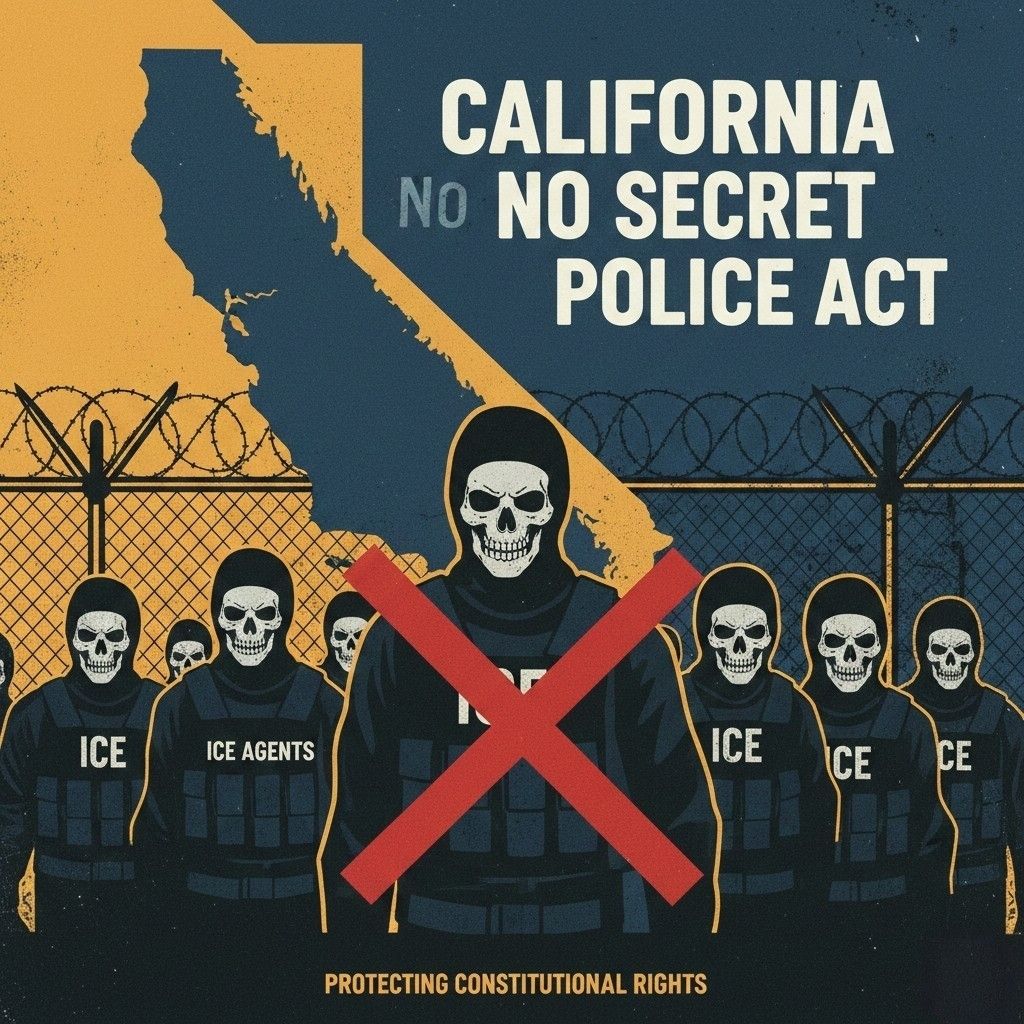
The “cancer” of this police state is spreading quickly here in Orange County, although Minnesota is now the epicenter. There is a worrisome tendency for local law enforcement to work with DHS and ICE, sometimes in blatant disregard of California’s sanctuary laws.
- Fullerton: According to recent reports and video evidence, the Fullerton Police Department is now functioning as a support wing for federal agents, opening doors to private complexes and setting up perimeters as agents move around with semi-automatic weapons.
- Anaheim: Recorded video shows local police officers either standing by or actively helping during violent raids at nearby establishments, such auto repair shops and car washes among them.
- Activist Harassment: The targeting of individuals who dare to watch is maybe the most alarming aspect. In Orange County, California, activists are being followed by the California Highway Patrol and arrested by local police just for recording federal operations. The boundary between “protection” and “political enforcement” has blurred when federal agents are able to phone 911 to have local police “cut off” or harass a citizen monitor only a few blocks away from their residence.
A deadly silence
Where are the people we elected? As these paramilitary activities continue to interrupt our daily lives, our County Supervisors and Senator Tom Umberg, who represents Santa Ana and north Orange County, remain mostly silent. Their inaction gives the go-ahead for more escalation.
We need to consider when we stand up. It will be too late if we wait for a “public execution” to occur in our own backyard—if it is our neighbor, our friend, or our child. The shift from a free society to a police state does not occur suddenly; It occurs as a result of the close cooperation of local law enforcement and the deafening silence of our leaders.
Before the next victim is one of us, it is time for the city, county, and state authorities in California to end this massacre.
 The OC Reporter