
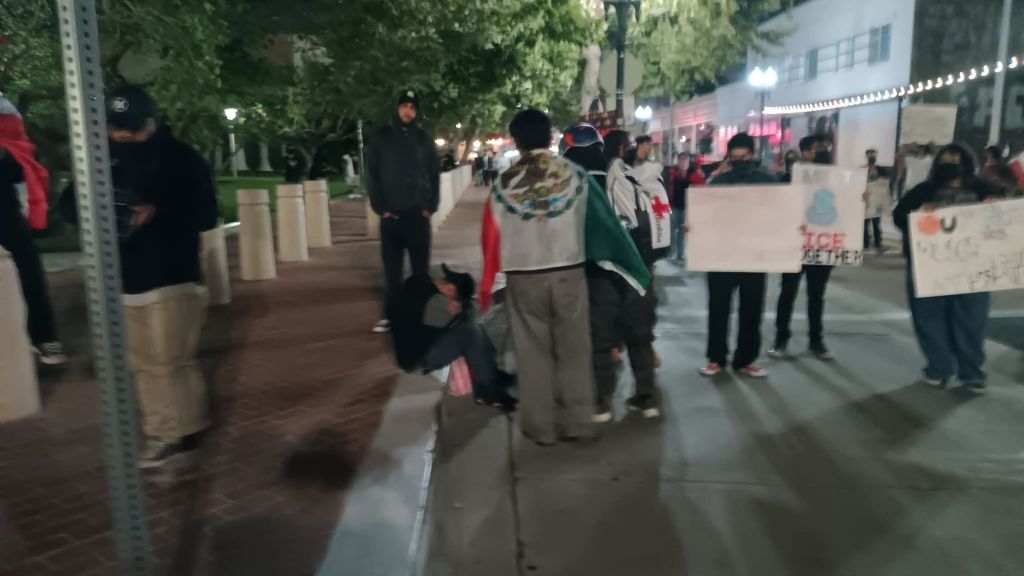
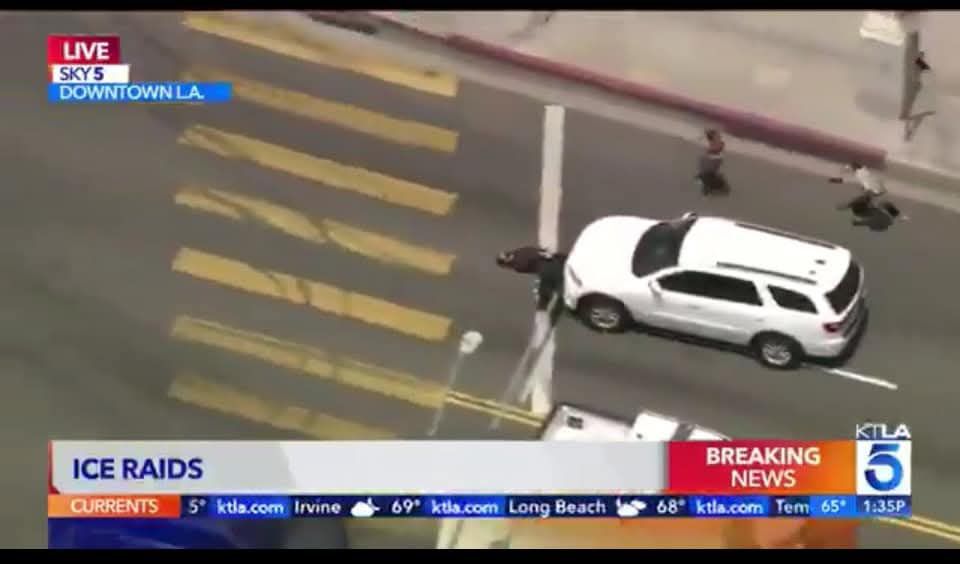
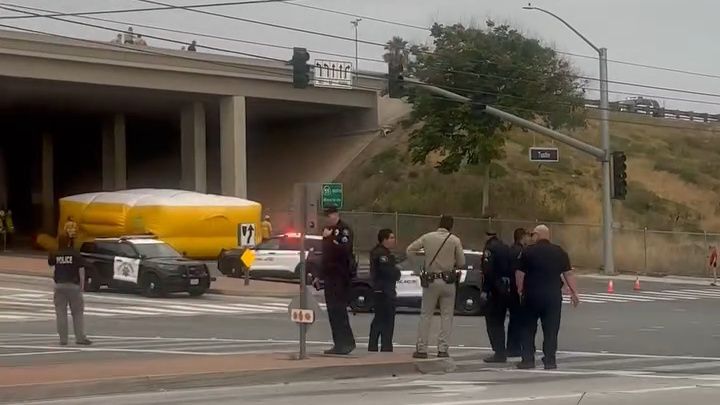
Last night, if you caught my Facebook Live broadcast, you witnessed a moment that cut deep into the soul of our community. I found myself stepping into a couple of tense altercations during what was otherwise a peaceful demonstration of solidarity in Downtown Santa Ana.
The first involved a young Latino man, overwhelmed with pain. Another demonstrator tried to de-escalate the situation, but emotions were high, and instead of cooling down, things flared up—especially between the young man, law enforcement, and military personnel on site. I had to step in. What could have turned violent needed a voice of calm. I did my best to be that voice.
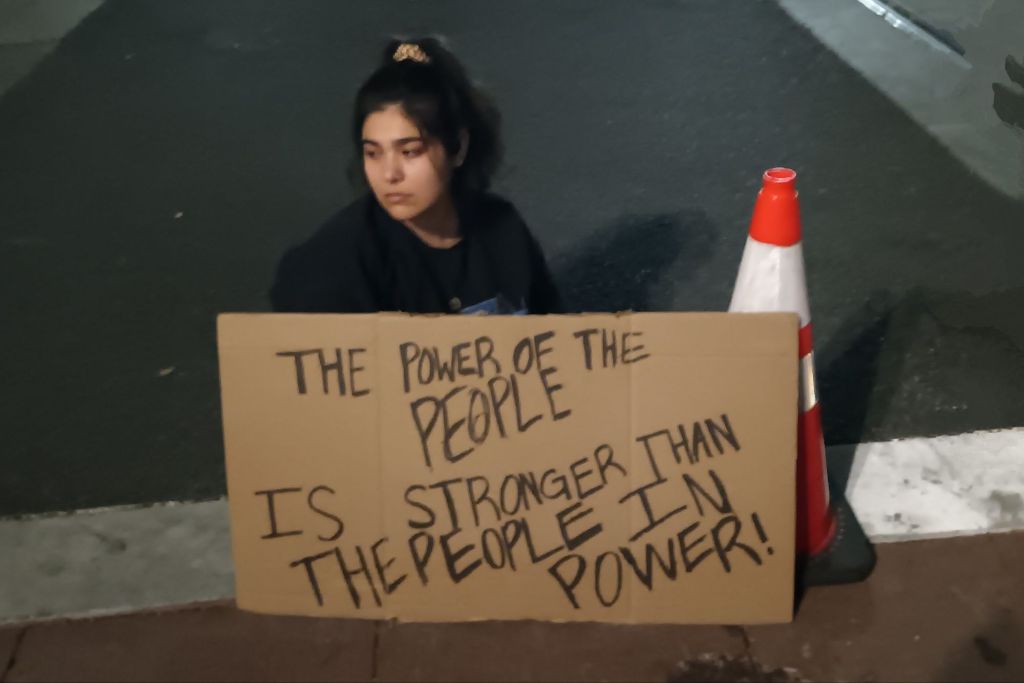
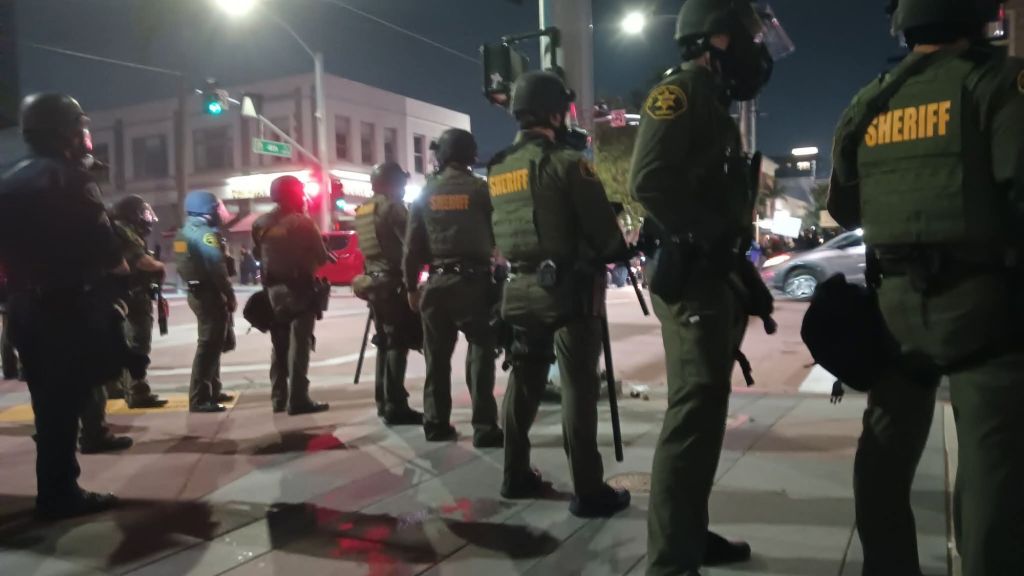
This young man—hurting, frustrated, and grieving—had family in the military. The pain he carried exploded into words directed at law enforcement. Again, I stepped in to calm him. But minutes later, after walking away, he returned, now face-to-face with an OCSD deputy. This time, his grief turned to desperation. He pleaded with the officer to shoot him. Said he wanted to die like his brother, who lost his life in service.
He stood just inches from the deputy, who had assumed an aggressive posture. I intervened once again, shielding this broken soul from what could have become another tragic incident on our streets.
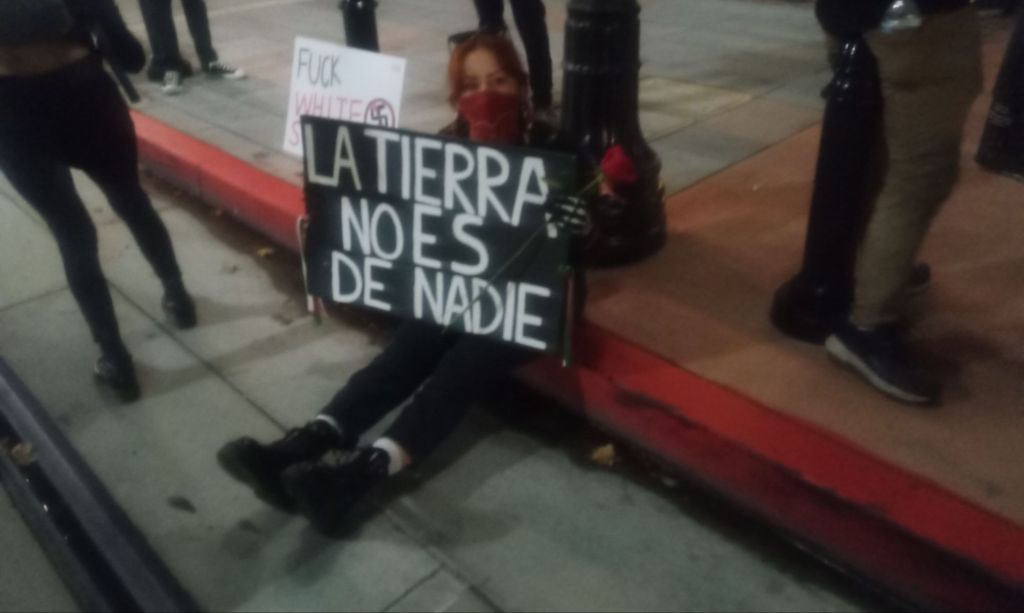
Which raises the question: What is it with law enforcement and the lack of empathy? Have badges and state protection numbed their humanity? When did they stop hearing pain and start seeing only threats?
I have family in the military—my brother, my cousins. I understand duty. But duty, whether in uniform or behind a badge, is first and foremost to the Constitution, not to a delusional narcissist like Donald Trump. The U.S. Marine Corps Code of Conduct and the Oath of Enlistment make this clear: uphold the Constitution, not the man who happens to sit in the Oval Office.

The same should be expected of our local police. Their oath is not to power—it’s to principle. Yet increasingly, we’re seeing the military and law enforcement used not as protectors of the people, but as enforcers of a nationalist, fascist agenda driven by fear and division.
We are not the enemy. That young man was not the enemy. He was a citizen in pain. And what he needed was compassion—not confrontation.


 The OC Reporter