
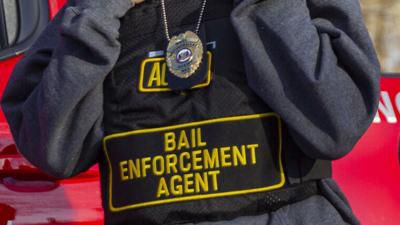
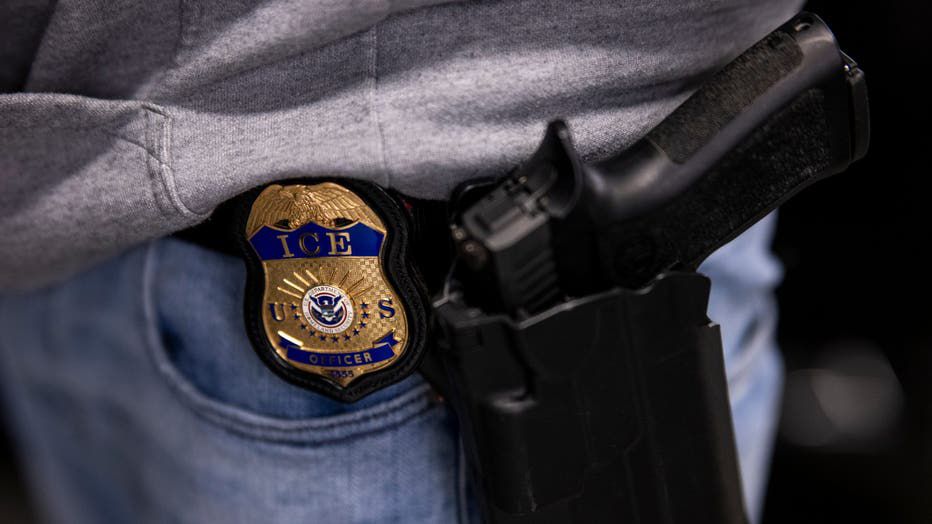
Although not in the manner that most people would expect, the Immigration and Customs Enforcement (ICE) has increased its activities in Orange County, California, of late. There have been reports of disguised ICE officers driving unmarked vehicles and posing as “bail enforcement agents” in order to break into homes. These practices have ethical, legal, and constitutional implications that require quick action.
At a moment when public faith in law enforcement is already waning, particularly in immigrant communities, these dishonest methods exacerbate public distrust and spread anxiety among individuals who are just trying to live their lives without the threat of deportation. Despite ICE’s history of employing divisive force to enforce federal immigration legislation, the use of covert methods typically reserved for fugitive investigations or high-risk criminal arrests should not be used indiscriminately against civil immigration offenses.
A troubling trend
According to neighborhood reports and eyewitness accounts, people come to houses claiming to be bail enforcement officials—sometimes without providing adequate proof of their identification or explaining the purpose of their visit. Some allege that they tricked residents in order to gain admission, but they only revealed their connection to ICE after they were inside. This deception has the potential to violate the legal restrictions governing search and seizure in addition to eroding residents’ trust.
The Fourth Amendment safeguards citizens against unlawful searches and seizures; in general, law enforcement must obtain a warrant before entering private homes. Nevertheless, it raises important concerns about whether constitutional rights are being violated in the pursuit of immigration enforcement objectives if officers deceive people about their motives or identity in order to gain entry.
Impact on Communities:
The economic, cultural, and social landscape of Orange County is significantly influenced by many of the diverse immigrant groups that live there. The secrecy and deception strategies used by ICE in enforcement actions contribute to a climate of uncertainty and fear. Parents are reluctant to enroll their children in school because they are afraid of running into federal immigration officers, workers are hesitant to go to work, and crime victims are wary of assisting local law enforcement.
This chilling impact puts pressure on ties between immigrant populations and local police, thereby undermining broader public safety measures. In addition, people who may have sought refuge from violence or persecution in their home countries are at risk of encountering new dangers in what they hoped would be a secure location.
supervisory and legal uncertainties
The growing use of veiled operatives and fake identities in enforcement operations indicates a concerning shift in strategy, even if ICE asserts that its agents are trained to follow stringent protocols. Serious questions arise about responsibility, monitoring, and openness if ICE mixes frontiers with bounty hunters or private enforcement officers.
The behavior of federal officials in residential settings should be carefully regulated, particularly while entering homes without obvious identification or court approval. Whether these actions comply with existing legal frameworks and whether the existing protections adequately protect civil liberties should be examined by Congress and oversight organizations.
The right and responsibility to seek answers lies with local authorities, immigrant advocacy groups, and concerned citizens. The heads of Orange County, California, Attorney General Rob Bonta, and members of Congress should call for a comprehensive investigation into these activities. If necessary to put an end to the misuse of deceptive law enforcement identities in civil immigration enforcement, legislation should be passed.
Communities should be aware of who is knocking at their doors and why. Law enforcement must function with transparency, respect for due process, and a focus on fostering trust rather than destroying it.
# Dressed as bail enforcement officers, masked ICE agents in Orange County set a dangerous example that puts the rights of everyone at risk, regardless of their immigration status, as well as the integrity of our judicial system. Strategies used to achieve enforcement outcomes that rely on deception and terror must be rejected by our community. True security is founded on justice, transparency, and respect for human dignity, not on fear.
Note:
A controversial bill moving through the Mississippi legislature would allow bounty hunters — also known as bail enforcement agents — to target individuals suspected of violating state-level immigration laws, raising alarm among civil rights advocates, immigrant communities, and legal experts.

House Bill 1484 proposes the creation of the so-called Mississippi Illegal Aliens Certified Bounty Hunter Program, which would certify licensed bail bond agents and surety recovery agents for purposes of finding and detaining anyone in the country illegally.
House Bill 1484 PDF
Discover more from The OC Reporter
Subscribe to get the latest posts sent to your email.
 The OC Reporter