Through all this I saw a time to reflect on this time with thoughts of Solidarity. Peace ✌️
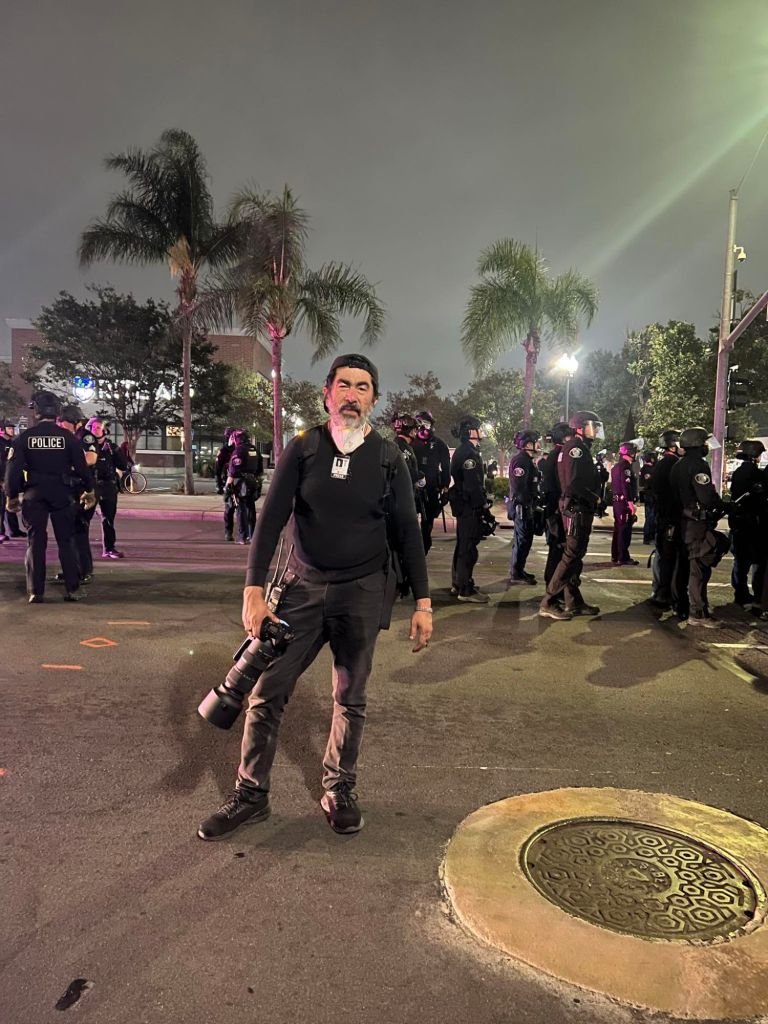
Tonight, I walked the streets of Downtown Santa Ana — not from behind a newsroom desk, but in the middle of it all, Backpack, Camera with my Zoom Lens, as the tension in our city reached a boiling point.
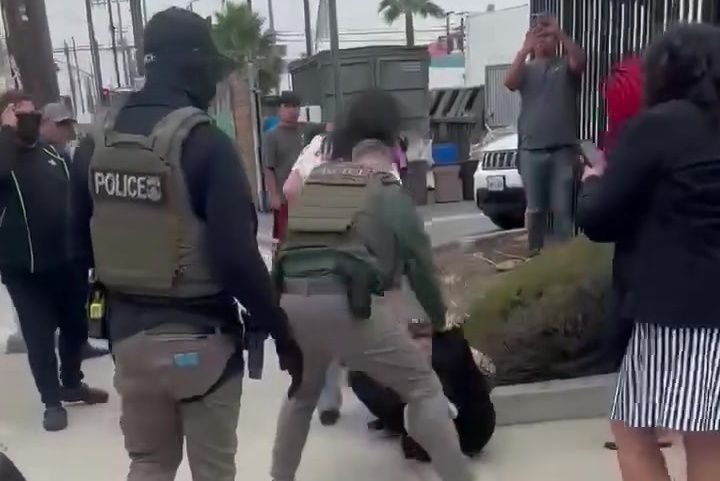
What began as a passionate demonstration quickly escalated as Santa Ana Police Agents and a wide array of law enforcement agencies descended with riot gear, military vehicles, and coordinated force. Santa Ana, once again, found itself in the national spotlight — not for its resilience or culture, but for the unrest that unfolded before our eyes.
And yet, amid the flashbangs, the smoke, and the chants, I heard something else — the voice of reason from myself at the center of the storm. I’m , standing at the edge of the chaos, a thought came to my mind speaking truth with clarity and urgency:
“Just remember — violence is not the answer.” “It makes the city look bad, and ICE and the police — they end up looking like the good guys.”
That thought of mine struck me. It wasn’t an attempt to silence protest or dismiss the community’s pain — it was a call for strategy, for discipline, for remembering the power of optics in a society rigged against those demanding justice. It was a plea to not let the system flip the narrative — to not give them what they want.
What I witnessed tonight was more than a confrontation. It was a crossroads. The community is angry — and justifiably so. They’ve endured ICE raids, over-policing, and institutional neglect. But their strength lies not in matching the state’s aggression with fire — it lies in showing the world a different kind of power: unity, clarity, and moral high ground.
To the demonstrators: Your voice matters. Your truth matters. And how you choose to express it shapes the outcome more than you may realize. Hold the line — but hold it smartly.
We will continue reporting the truth, as it unfolds, with the voices of Santa Ana at the center.
In solidarity, Igmar Rodas Chief Editor, The Orange County Reporter June 10, 2025
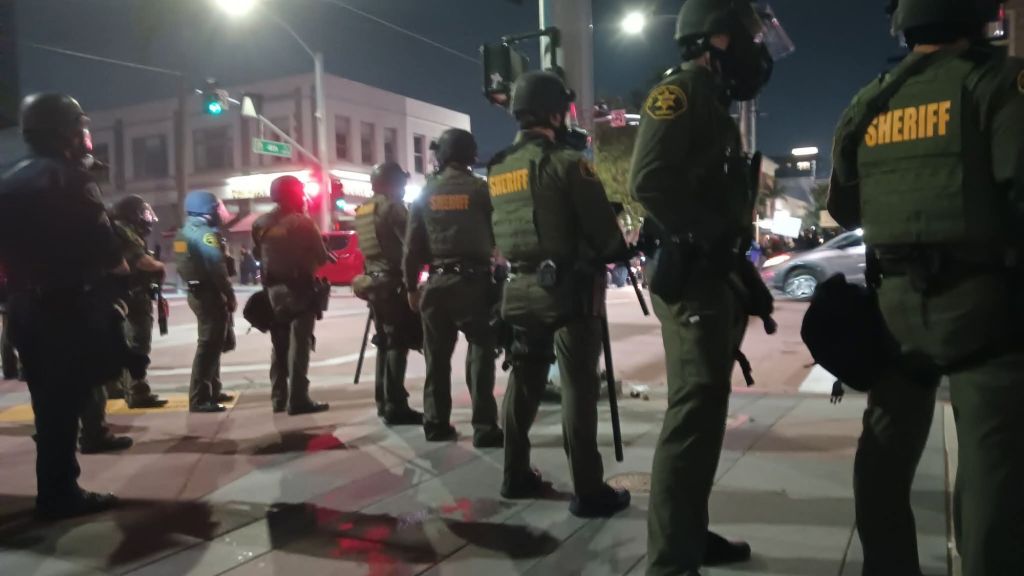
What started out as a calm protest in Downtown Santa Ana quickly descended into disorder and violence as various law enforcement agencies —including the Santa Ana Police Department, Huntington Beach, Anaheim, Irvine, Seal Beach, La Palma, Orange County Sheriff’s Department (OCSD), even the California National Guard— descended on the demonstration to forcefully disperse the crowd.
Witnesses say that police in riot gear advanced fiercely aided by armored vehicles and monitoring drones. What should’ve First Amendment rights exercise turned into a conflict involving tear gas, rubber bullets, and batons against demonstrators. Police sirens and shouting dispersal commands drowned out justice chants.
Orange County Sheriff Department
Why agencies from cities miles away—including Huntington Beach and Seal Beach—were called in to intervene in a Santa Ana protest? Why was the National Guard sent in a civilian environment and with what mandate?
The scene reflected a disturbing national trend: the swift militarization of local law enforcement and the organized suppression of public opposition. It begs immediate concerns about civil liberties, jurisdictional overreach, and the decline of local trust when peaceful protesters are treated as enemy combatant and police from different jurisdictions act in harmony without transparency or local accountability.
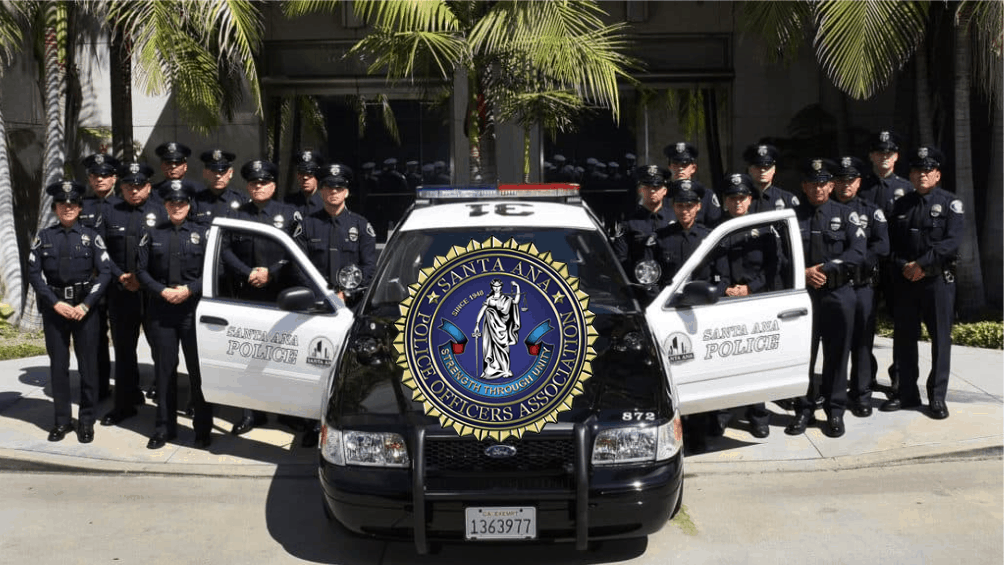
Santa Ana Police Department
This is not public safety.” This is a display of power;it sets a hazardous precedent.”
City and county level elected officials have to account for this increase. Mayor Valerie Amezcua and the Santa Ana City Council have to account for their involvement—or lack of influence—regarding what happened. People ought to know why if they approved this.Who else would?
Demonstrators put up a barrier
The citizens of Santa Ana are entitled to object, seek justice, and hold those in authority responsible. Official news releases or cleaned reports should not cover the events of this day. The community is watching; history will remember.
In a troubling escalation, the California National Guard has reportedly been sent to Los Angeles equipped with live ammunition rounds. Even more troubling is the fact that a military Blackhawk helicopter was observed in the metropolis providing live rounds to an ICE (Immigration and Customs Enforcement) site. On American land, in the middle of one of the most diverse cities in the country, not in a faraway war zone, this is occurring in our neighborhoods.
This incredibly disturbing conduct raises several urgent problems. Who authorized this military mission? With such extreme force, what is the justification for equipping federal immigration detention facilities? And, above all, where are the voices of accountability?
A Military Blackhawk Helicopter Delivering Live Ammunition and Explosives to ICE Agents near Downtown Los Angeles as Documented by ABC7 News Helicopter.
Bound by the Constitution to demand accountability and transparency, Congressman Lou Correa, representing part of Orange County and sitting on the powerful Homeland Security Committee, is bound by the Constitution. His quiet is overwhelming. As he is in charge of federal law enforcement agencies and homeland operations, his constituents need protection from the creeping normalization of military presence in civilian areas.
In the same vein, where are California’s other members of Congress, especially those who were directly elected to represent the Los Angeles area? What are they doing while military-grade equipment is flown to ICE grounds? The people they represent are watching their neighborhoods become militarized zones, and there is very little public discussion, hearings, or monitoring being done during this metamorphosis.
Particularly when live rounds are employed, the line between military occupation and civil policing becomes fuzzy when the National Guard is deployed in conjunction with federal immigration enforcement. Not just excessive, these acts serve as a terrifying, unlawful, and dangerous reminder of how unbridled authority damages democracy.
If elected officials like Lou Correa keep passive, they will be complicit in the erosion of civil rights and the growing adoption of authoritarian approaches under the pretense of national security. California officials cannot afford to turn a blind eye to problems. The public demands justification. They call for action. They call for bravery.
Those in power now have a choice to either back the people or remain apart and allow those who will.
The United States is facing a constitutional crisis unlike anything seen in modern history. Under the current presidency of Donald Trump, an authoritarian and racist agenda has taken hold, turning government institutions and private interests into tools of persecution. This is not speculation. This is the lived experience of countless U.S. citizens and minorities who find themselves targeted, harassed, and violated by the very structures meant to protect them.
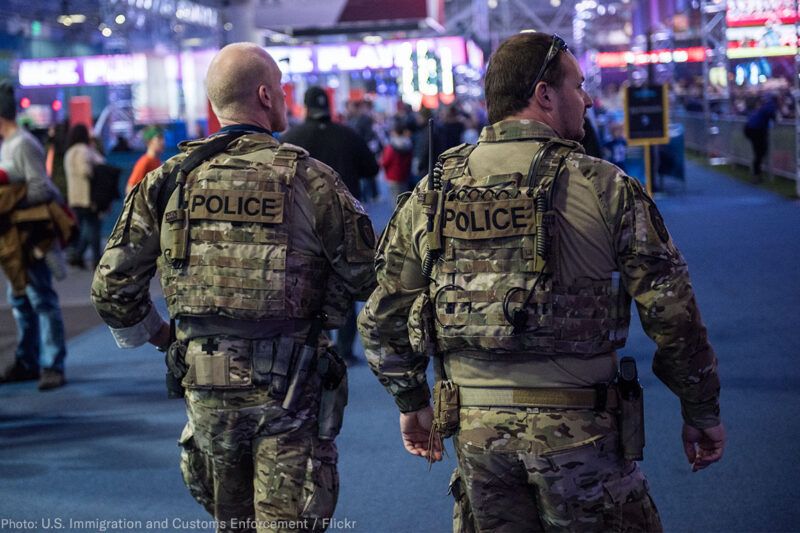
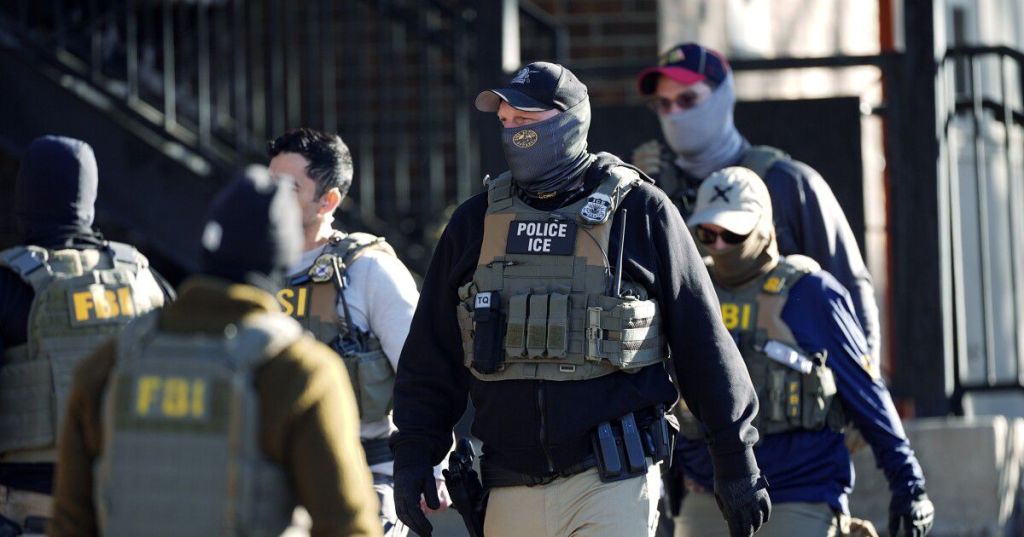
ICE agents, bounty hunters, ATF operatives, FBI surveillance teams, the U.S. military, and agents of the Department of Homeland Security are being unleashed on American soil—not to serve justice, but to silence dissent, terrorize communities of color, and enforce a white nationalist vision of the nation. And they are not acting alone.
State, county, and city governments—many of them aligned with Trump’s extremist agenda—are enablers in this campaign. From local police departments collaborating with federal raids, to state legislatures passing laws criminalizing protest, every level of government has been bent toward repression. Add to this the involvement of corporate profiteers like Halliburton—whose contracts enable mass surveillance, detention, and militarization—and we are no longer talking about rogue elements. We are talking about a full-fledged system of control.
This is not security. This is persecution.
Immigrant families are torn apart in pre-dawn raids. Black and Brown neighborhoods are over-policed, surveilled, and criminalized. Protesters are tear-gassed, beaten, and jailed for exercising their First Amendment rights. Entire communities live under a constant threat of state violence, and the Constitution’s promises of due process, equal protection, and freedom from unlawful search and seizure are trampled daily.
The current administration’s fingerprints are all over this. Trump has openly celebrated law enforcement brutality, labeled political opponents as enemies, and stoked racial division at every turn. His agenda is not hidden—it is shouted from podiums, etched into executive orders, and enforced by the barrel of a gun.
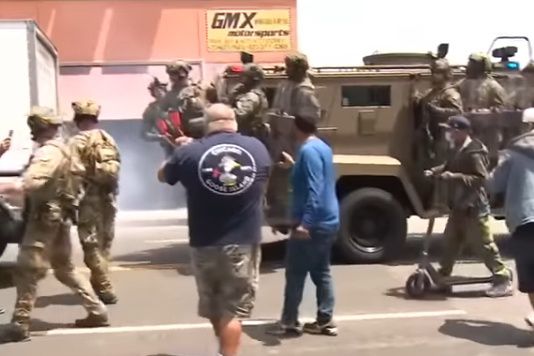
Militarized ATF
This is how democracy dies—not all at once, but under the slow crush of sanctioned injustice.
What we are witnessing is not simply a failure of policy. It is a deliberate effort to turn the United States into a police state that serves the interests of the few, at the expense of the many. It is the transformation of the federal government into a tool for racial dominance, using fear and violence to suppress resistance.
It is unconstitutional. It is immoral. And it must be stopped.
Unlawful Raids, Racist Agenda, Civil Rights Violations
We must name it for what it is: State-sponsored oppression.
Now is not the time for silence or neutrality. Now is the time to resist—legally, politically, and morally. We must demand accountability from every agency, every politician, and every corporation complicit in this violence. We must protect and elevate the voices of the targeted. And we must fight to restore the Constitution to its rightful place as a shield for the people—not a weapon for the powerful.
History is watching. Future generations will ask what we did when democracy was under attack from within. Let the answer be that we stood up.
The Trump administration signaled a hazardous intensification of institutional racism and xenophobia in the United States. The Trump administration turned immigration enforcement into a weapon of fear and control, disproportionately targeting immigrant, brown, and Black communities through policies such as the “Muslim Ban,” the separation of families at the border, and the aggressive increase in ICE raids.
This period has been characterized by illegal ICE raids, which frequently involve breaches of fundamental rights protected by the U.S. Constitution, notably the Fourth and Fourteenth Amendments, and are frequently conducted without warrants or due process. These raids not only tear apart families, but also convey a terrifying signal that some groups of people, particularly Latinos, Muslims, and undocumented immigrants, are less deserving of respect or safety.
Illegal ICE Raids
Simultaneously, white supremacist language has been encouraged rather than denounced. In response to the Charlottesville march, Trump infamously said there were “very fine people on both sides,” and the administration refused to take a strong stance against violent hate groups, which revived formerly marginalized racist ideas.
All of this is completely at odds with the values that the Constitution professes to support. The Founders cautioned about tyranny, but under Trump, we see a government engaging in tyranny from within, using the machinery of state authority to infringe on the rights of the most vulnerable while protecting the powerful.
Orange County CA Lake Forrest Man Eric Walter Ramminger Arrested for hate crimes, racial slurs, Assault, death threats against a business owner.
The purpose of the Constitution is to be a living document—a protection for everyone, not a selective instrument used to support privilege while stifling dissent. Now more than ever, it is crucial to demand responsibility, defend human rights, and advocate for a real democracy where liberty and justice are assured for everyone, not just a select few.
SAPOA – Santa Ana Police Officers Association Asociación de Oficiales de Policía de Santa Ana (SAPOA)
El reciente ataque del presidente John Kachirisky a la Organización de Servicios Comunitarios del Condado de Orange (CSO-OC), encabezada por la Asociación de Oficiales de Policía de Santa Ana (SAPOA), no es sólo un ataque a una organización de base; es un ataque a la verdad, a la justicia y a las comunidades que se atreven a hablar en contra de la violencia policial.
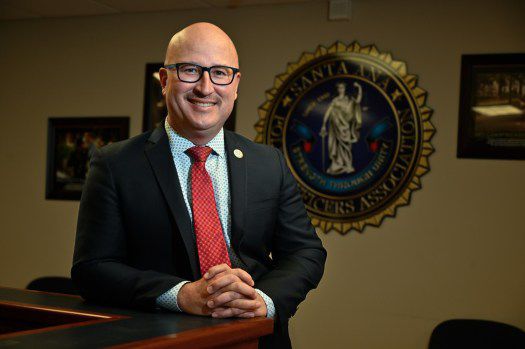
El presidente de la Asociación de Oficiales de Policía de Santa Ana (SAPOA), John Kachirisky.
SAPOA ha vuelto a revelar su estrategia en su cobarde intento de desacreditar a CSO-OC y a sus líderes, incluyendo a David Pulido: silenciar la disidencia, difamar a las víctimas y mentir para proteger la placa a toda costa. No se trata de defender a la policía ni de proteger la seguridad pública; se trata de poder, control y la defensa de un sistema que, con demasiada frecuencia, oculta las irregularidades tras un manto azul.
El momento y el tono del ataque de SAPOA son reveladores. Ocurre en un momento en que aumentan las demandas de rendición de cuentas por el asesinato de Noé Rodríguez, un hombre cuya vida fue arrebatada durante un enfrentamiento policial que amerita total transparencia y justicia. Familias como la de Noé han soportado durante mucho tiempo no solo el dolor psicológico de la pérdida, sino también la agonía adicional de ser ignoradas, tratadas con irrespeto y quizás incluso calumniadas por quienes ostentan la autoridad. La acción más reciente de SAPOA es un intento deliberado de intimidar a quienes exigen un cambio.
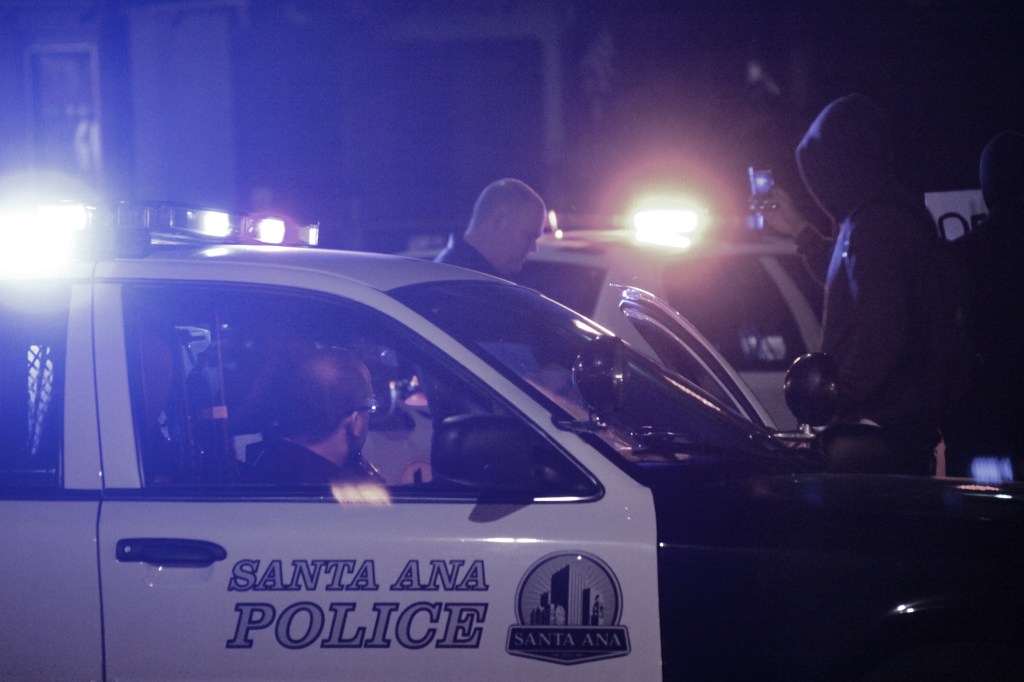
Photo by: The Orange County Reporter / Departamento de Policía de Santa Ana
Esta no es la primera vez que SAPOA ha señalado a organizadores comunitarios. Han intentado repetidamente silenciar a las autoridades municipales, engañar al público y socavar a los activistas. Sus afirmaciones están meticulosamente redactadas con la intención de difundir desinformación y desviar la responsabilidad, una estrategia que busca proteger a la organización en lugar de beneficiar a los residentes de Santa Ana.
Sin embargo, no nos dejaremos intimidar.
Apoyamos a CSO-OC. Apoyamos a las familias de las víctimas de la brutalidad policial. Y apoyamos a todos los ciudadanos de Santa Ana que creen que la verdadera seguridad pública no puede existir sin responsabilidad.
La alcaldesa de Santa Ana, Valerie Amezcua, es una de las principales partidarias de SAPOA, que financió parcial o totalmente su puesto como alcaldesa de Santa Ana.
Los funcionarios electos que dicen representar los intereses del pueblo deben dejar de actuar como sirvientes políticos de un sindicato que prioriza la autopreservación sobre la justicia, y el Ayuntamiento no debe permanecer en silencio. Se opondrán a las tácticas intimidatorias de SAPOA y abogarán por la transparencia, la supervisión independiente y un cambio real si realmente les importan los ciudadanos de Santa Ana.
Noé Rodríguez merece justicia por necesidad moral, no solo por exigencia. Mientras tanto, seguiremos luchando por una Santa Ana donde la seguridad se base en la protección contra la violencia, en lugar de la intimidación de quienes han jurado servir.
President John Kachirisky’s recent attack on Community Services Organization – Orange County (CSO-OC), headed by the Santa Ana Police Officers Association (SAPOA), is not just an attack on a grassroots organization; it is an attack on truth, justice, and the communities who dare to speak out against police violence.
Santa Ana Police Officers Association (SAPOA) President John Kachirisky’s.
SAPOA has once again revealed its playbook in its cowardly effort to discredit CSO-OC and its leaders, including David Pulido: silence dissent, smear victims, and lie to protect the badge at all costs. This is not about defending police or protecting public safety; this is about power, control, and upholding a system that, all too frequently, hides wrongdoing behind a wall of blue.
SAPOA’s attack’s timing and tone are revealing. It happens at a time when there are increasing demands for accountability in the killing of Noe Rodriguez, a man whose life was taken during a police encounter that warrants complete transparency and justice. Families like Noe’s have long endured not just the psychological pain of loss but also the additional agony of being ignored, treated with disrespect, and perhaps even slandered by those in positions of authority. The most recent action taken by SAPOA is a deliberate attempt to scare the very individuals who are calling for change.
Photo by The Orange County Reporter / Santa Ana Police Department.
This is not the first time community organizers have been singled out by SAPOA. They have repeatedly tried to silence city authorities, deceive the public, and undermine activists. Their claims are meticulously written with the intention of spreading misinformation and shifting responsibility, which is a strategy meant to safeguard the organization rather than benefit the residents of Santa Ana.
However, we will not be cowed.
We support CSO-OC. We support the families of those who have been victims of police brutality. And we support all citizens of Santa Ana who think that true public safety cannot exist without responsibility.
Santa Ana Mayor Valerie Amezcua is a Primary Supporter of SAPOA that partly or fully financed her seat as the Mayor of Santa Ana.
Elected officials who profess to represent the interests of the people must stop behaving as political servants to a union that prioritizes self-preservation over justice, and the City Council must not remain silent. They will stand up to SAPOA’s bullying tactics and advocate for transparency, independent oversight, and real change if they truly care about the citizens of Santa Ana.
Noe Rodriguez deserves justice as a matter of moral necessity rather than simply as a requirement. In the meanwhile, we will keep pushing for a Santa Ana where safety is about being protected from violence rather than being intimidated by those who have taken an oath to serve.
It’s time to stop. The truth will not be suppressed.
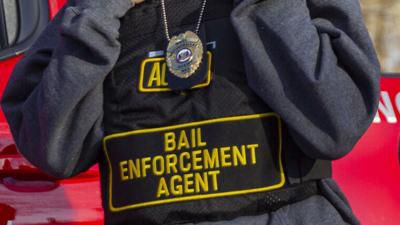
ICE Using Bail Enforcement Agents (Bounty Hunters) to do immigration raids in Orange County CA.
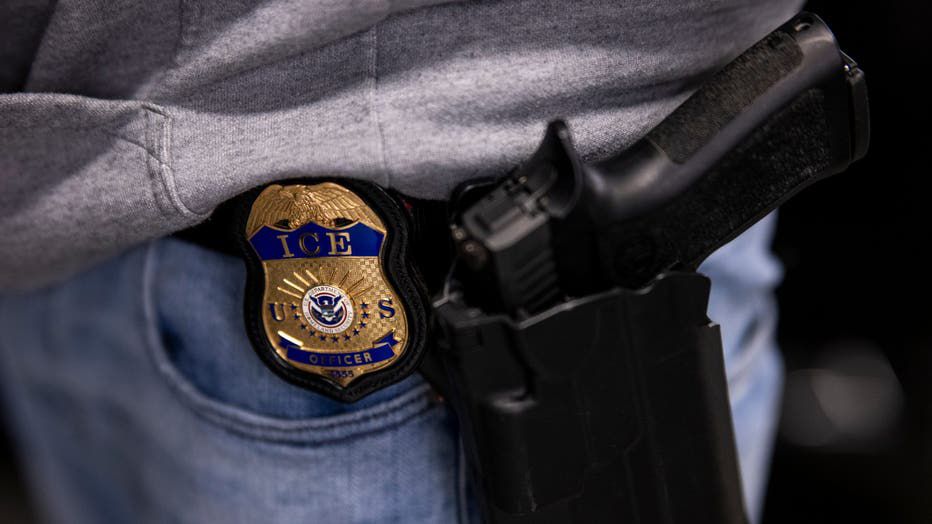
Although not in the manner that most people would expect, the Immigration and Customs Enforcement (ICE) has increased its activities in Orange County, California, of late. There have been reports of disguised ICE officers driving unmarked vehicles and posing as “bail enforcement agents” in order to break into homes. These practices have ethical, legal, and constitutional implications that require quick action.
At a moment when public faith in law enforcement is already waning, particularly in immigrant communities, these dishonest methods exacerbate public distrust and spread anxiety among individuals who are just trying to live their lives without the threat of deportation. Despite ICE’s history of employing divisive force to enforce federal immigration legislation, the use of covert methods typically reserved for fugitive investigations or high-risk criminal arrests should not be used indiscriminately against civil immigration offenses.
A troubling trend
According to neighborhood reports and eyewitness accounts, people come to houses claiming to be bail enforcement officials—sometimes without providing adequate proof of their identification or explaining the purpose of their visit. Some allege that they tricked residents in order to gain admission, but they only revealed their connection to ICE after they were inside. This deception has the potential to violate the legal restrictions governing search and seizure in addition to eroding residents’ trust.
The Fourth Amendment safeguards citizens against unlawful searches and seizures; in general, law enforcement must obtain a warrant before entering private homes. Nevertheless, it raises important concerns about whether constitutional rights are being violated in the pursuit of immigration enforcement objectives if officers deceive people about their motives or identity in order to gain entry.
Impact on Communities:
The economic, cultural, and social landscape of Orange County is significantly influenced by many of the diverse immigrant groups that live there. The secrecy and deception strategies used by ICE in enforcement actions contribute to a climate of uncertainty and fear. Parents are reluctant to enroll their children in school because they are afraid of running into federal immigration officers, workers are hesitant to go to work, and crime victims are wary of assisting local law enforcement.
This chilling impact puts pressure on ties between immigrant populations and local police, thereby undermining broader public safety measures. In addition, people who may have sought refuge from violence or persecution in their home countries are at risk of encountering new dangers in what they hoped would be a secure location.
supervisory and legal uncertainties
The growing use of veiled operatives and fake identities in enforcement operations indicates a concerning shift in strategy, even if ICE asserts that its agents are trained to follow stringent protocols. Serious questions arise about responsibility, monitoring, and openness if ICE mixes frontiers with bounty hunters or private enforcement officers.
The behavior of federal officials in residential settings should be carefully regulated, particularly while entering homes without obvious identification or court approval. Whether these actions comply with existing legal frameworks and whether the existing protections adequately protect civil liberties should be examined by Congress and oversight organizations.
The right and responsibility to seek answers lies with local authorities, immigrant advocacy groups, and concerned citizens. The heads of Orange County, California, Attorney General Rob Bonta, and members of Congress should call for a comprehensive investigation into these activities. If necessary to put an end to the misuse of deceptive law enforcement identities in civil immigration enforcement, legislation should be passed.
Communities should be aware of who is knocking at their doors and why. Law enforcement must function with transparency, respect for due process, and a focus on fostering trust rather than destroying it.
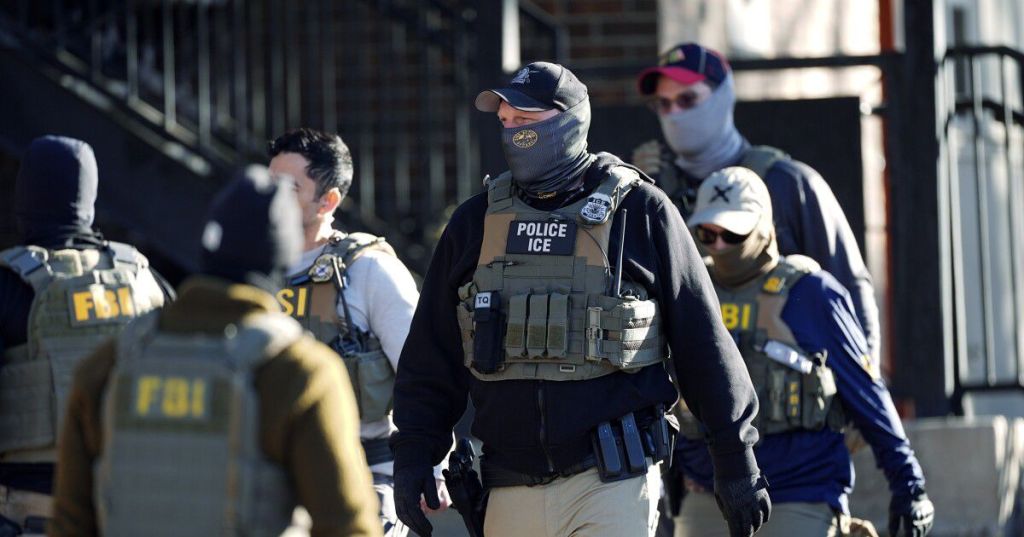
# Dressed as bail enforcement officers, masked ICE agents in Orange County set a dangerous example that puts the rights of everyone at risk, regardless of their immigration status, as well as the integrity of our judicial system. Strategies used to achieve enforcement outcomes that rely on deception and terror must be rejected by our community. True security is founded on justice, transparency, and respect for human dignity, not on fear.
Note:
A controversial bill moving through the Mississippi legislature would allow bounty hunters — also known as bail enforcement agents — to target individuals suspected of violating state-level immigration laws, raising alarm among civil rights advocates, immigrant communities, and legal experts.

House Bill 1484 proposes the creation of the so-called Mississippi Illegal Aliens Certified Bounty Hunter Program, which would certify licensed bail bond agents and surety recovery agents for purposes of finding and detaining anyone in the country illegally.
Các báo cáo về hoạt động của ICE tại Santa Ana, California, đã khơi lại các vấn đề về sự can thiệp quá mức của chính phủ, thiếu cởi mở và sự tham gia ngày càng tăng của các nhà thầu tư nhân trong các hoạt động thực thi pháp luật công. Mặc dù không liên quan trực tiếp đến các cuộc đột kích nhập cư cụ thể này, Haliburton, một công ty toàn cầu có lịch sử lâu đời làm việc cho chính phủ Hoa Kỳ, đã nêu ra những vấn đề đáng lo ngại về danh tính của những người phụ trách các cuộc đột kích này và động cơ khiến một số người tham gia che giấu danh tính của họ.
Sau những cáo buộc rằng các nhà lãnh đạo thành phố đã biết về các cuộc đột kích của ICE trước đó trong năm nay, Hội đồng thành phố Santa Ana gần đây đã thừa nhận những lo ngại về việc thực thi luật nhập cư. Những tuyên bố này cho thấy sự khó chịu ngày càng tăng trong số những cư dân cảm thấy họ đang bị nhắm mục tiêu một cách bất công theo luật nhập cư liên bang. Việc sử dụng danh tính ẩn và các hoạt động không xác định trong suốt các hành động thực thi chỉ khiến công chúng hoài nghi hơn và làm xói mòn lòng tin vào hệ thống.
Mặc dù Halliburton nổi tiếng nhất với các hợp đồng năng lượng và quốc phòng, chẳng hạn như các tương tác gây tranh cãi trong suốt Chiến tranh Iraq, nhưng công ty này không bị liên kết ngay lập tức với các hoạt động thực thi luật nhập cư. Nhưng có thể hiểu được tại sao một số người lại suy đoán về vai trò của nó khi tính ẩn danh trở thành đặc điểm của các hoạt động cảnh sát do lịch sử lâu dài của nó hoạt động dưới sự giám sát hạn chế của công chúng và mối quan hệ lâu dài với chính phủ Hoa Kỳ.
Nhân viên có thể bị buộc phải đeo khẩu trang trong các hoạt động của ICE vì lý do hoạt động hoặc an toàn, nhưng thông lệ này lại tạo ra ấn tượng về một quyền lực mờ ám, không được kiểm soát mà không có sự công khai hoặc trách nhiệm giải trình. Sự giám sát của đảng dân chủ là không thể khi mọi người không hiểu biết về những người ban hành luật. Mối quan ngại này trở nên tồi tệ hơn khi các nhà thầu tư nhân – những người báo cáo với hội đồng quản trị công ty chứ không phải công dân – được cho là tham gia vào việc thực thi pháp luật.
Mối quan tâm hàng đầu phải là sự công khai. Bất kể Halliburton hay nhà thầu nào khác đang hỗ trợ ICE, người dân Hoa Kỳ nên được thông báo về những người đang tiến hành các hoạt động này, những hệ thống giám sát nào đang được áp dụng và cách thức quyết định các chiến thuật thực thi pháp luật. Người dân Santa Ana và tất cả các cộng đồng bị ảnh hưởng bởi việc thực thi luật nhập cư nên nhận được câu trả lời, chứ không phải sự mơ hồ.
Những người giám sát và nhà lập pháp phải quyết định xem ranh giới giữa khu vực công và tư có trở nên quá mơ hồ trong các hoạt động địa phương quan trọng hay không và liệu các biện pháp bảo vệ hiện có có đủ để duy trì các quyền công dân hay không. Bất cứ điều gì ít hơn dân chủ đều nuôi dưỡng sự ngờ vực, sợ hãi và xung đột; mặt khác, dân chủ phát triển mạnh mẽ trong sự công khai.
Los informes sobre las operaciones de ICE en Santa Ana, California, han reavivado los problemas de extralimitación gubernamental, falta de transparencia y la creciente participación de contratistas privados en las actividades de aplicación de la ley. Aunque no está directamente relacionada con estas redadas de inmigración en particular, Haliburton, una firma internacional con una larga trayectoria trabajando para el gobierno de Estados Unidos, plantea cuestiones inquietantes sobre la identidad de los responsables y la motivación de algunos de los participantes para ocultar su identidad.
Tras las acusaciones de que los líderes de la ciudad estaban al tanto de redadas previas de ICE este año, el Ayuntamiento de Santa Ana reconoció recientemente su preocupación por la aplicación de la ley migratoria. Estas declaraciones sugieren un creciente malestar entre los habitantes, que se sienten injustamente perseguidos por la legislación federal de inmigración. El uso de identidades ocultas y agentes desconocidos en las acciones de aplicación de la ley simplemente aumenta el escepticismo del público y erosiona la confianza en el sistema.
Aunque Halliburton es más conocida por sus contratos de energía y defensa, como sus polémicas interacciones durante la guerra de Irak, no se la ha vinculado inmediatamente con actividades de control migratorio. Sin embargo, es comprensible que algunos especulen sobre su papel cuando el anonimato se convierte en una característica de las operaciones policiales, dado su largo historial de operar bajo escasa supervisión pública y sus antiguos vínculos con el gobierno estadounidense.
El personal puede estar obligado a usar mascarillas durante las actividades del ICE por razones operativas o de seguridad, pero esta práctica alimenta la impresión de un poder opaco, sin control, sin transparencia ni rendición de cuentas. La supervisión democrática es imposible cuando se desconoce quiénes promulgan las leyes. Esta preocupación se agrava cuando se cree que contratistas privados —que reportan a las juntas directivas corporativas en lugar de a los ciudadanos— participan en la aplicación de la ley.
La principal preocupación debería ser la transparencia. Sea cual sea Halliburton u otro contratista que asista al ICE, el pueblo estadounidense debe estar informado de quién lleva a cabo estas operaciones, qué sistemas de vigilancia existen y cómo se deciden las tácticas de aplicación de la ley. Los habitantes de Santa Ana y todas las comunidades afectadas por la aplicación de las leyes migratorias deben recibir respuestas, no ambigüedades.
Los organismos de control y los legisladores deben decidir si los límites entre los sectores público y privado se están volviendo demasiado difusos en actividades locales importantes y si las protecciones existentes son suficientes para defender los derechos civiles. Cualquier cosa que no sea democracia fomenta la desconfianza, el miedo y el conflicto; por otro lado, la democracia prospera abiertamente.












 The OC Reporter