
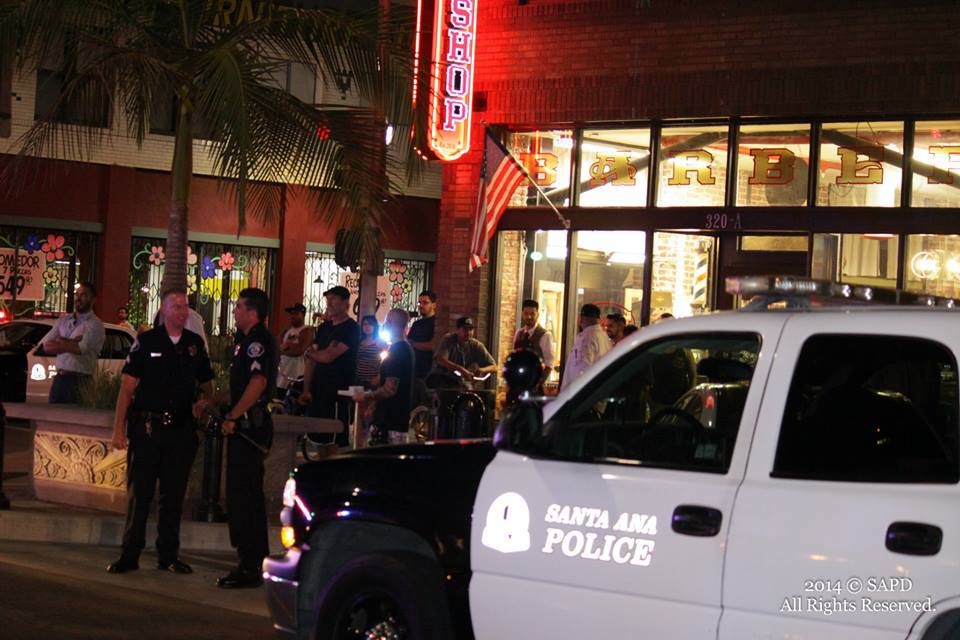
The streets of Santa Ana have become a battleground for basic human rights, where residents live in fear—not from criminals, but from armed bounty hunters operating with alarming impunity. The silence from Mayor Valerie Amezcua and the complicity of the Santa Ana Police Department (SAPD) in allowing these violent kidnappings to occur is not just troubling—it is unacceptable.
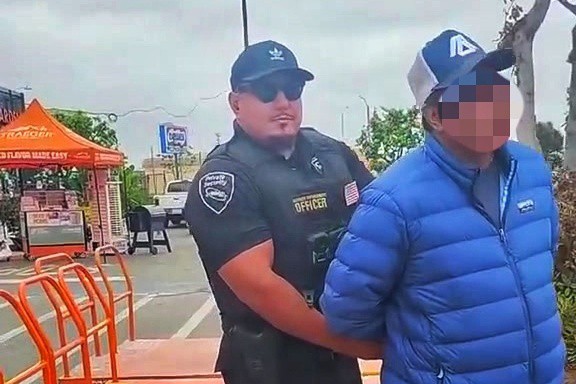
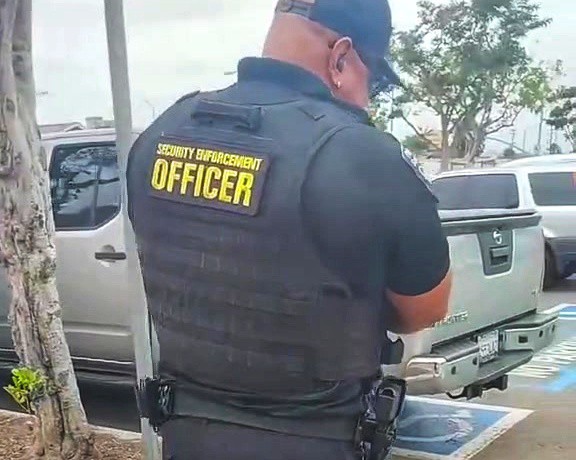
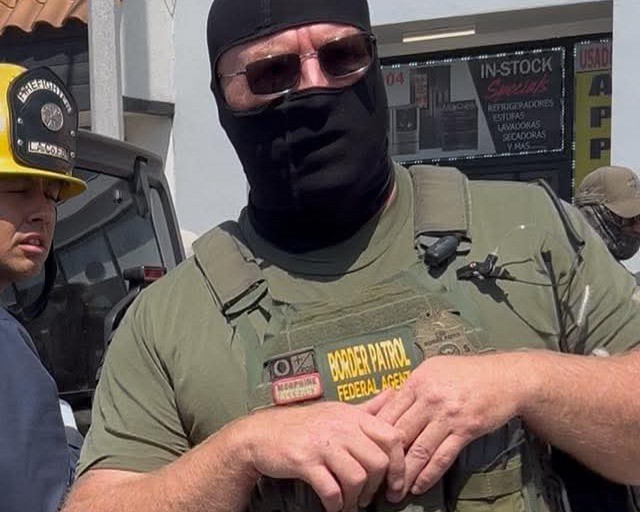
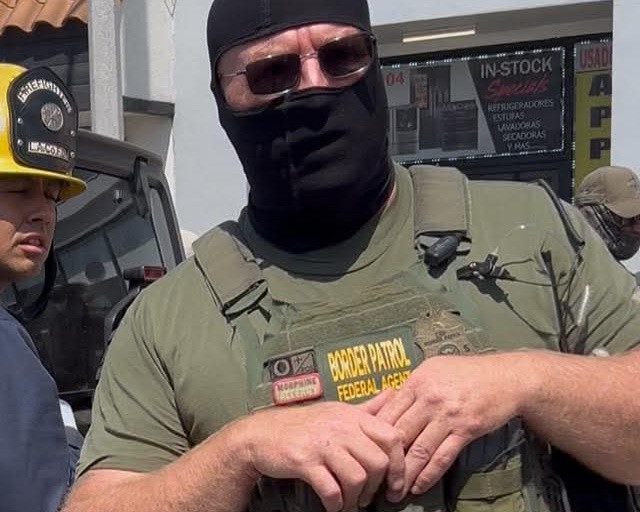
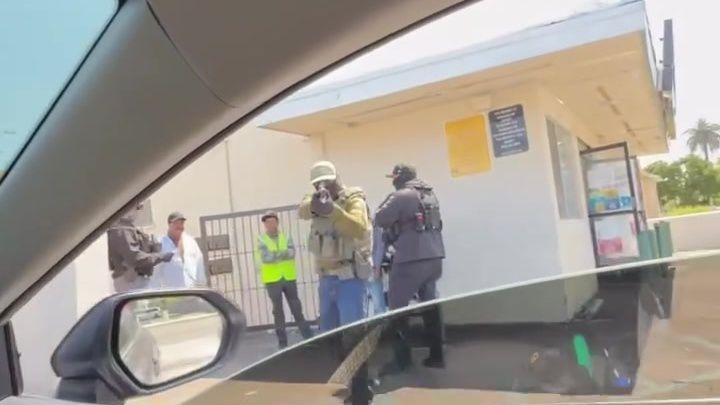
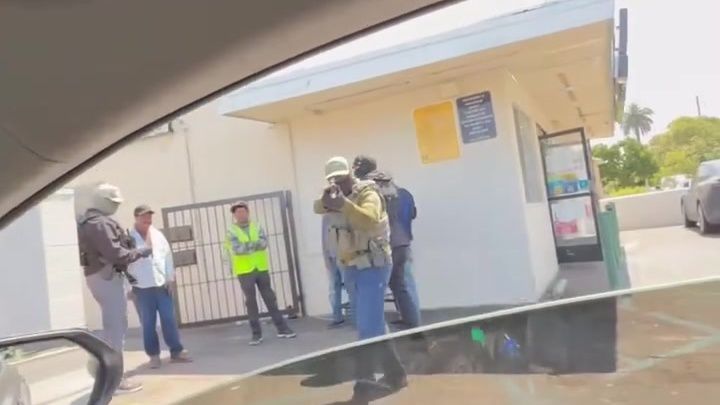
On Tuesday, July 1st, 2025, multiple reports emerged of brazen kidnappings carried out by bounty hunters on Main St., Warner Ave., and Edinger Ave. Witnesses described scenes that would be more fitting for a war zone than a U.S. city: armed individuals grabbing people off the street, pointing assault rifles—including AK-47-style weapons—at terrified civilians, and disappearing with their victims while law enforcement stood by and did nothing.
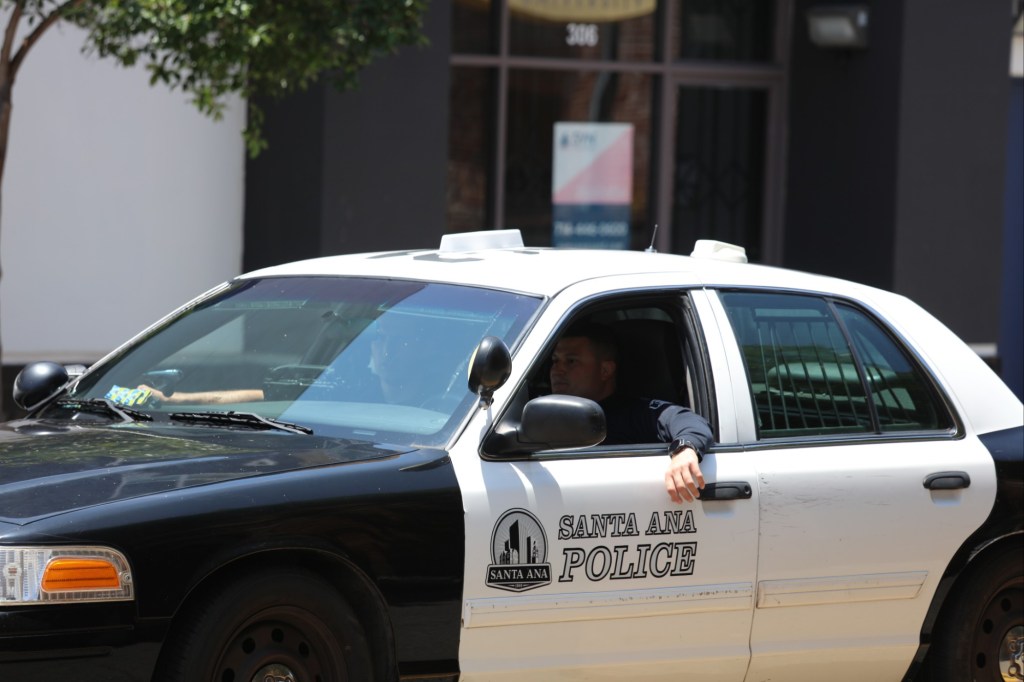
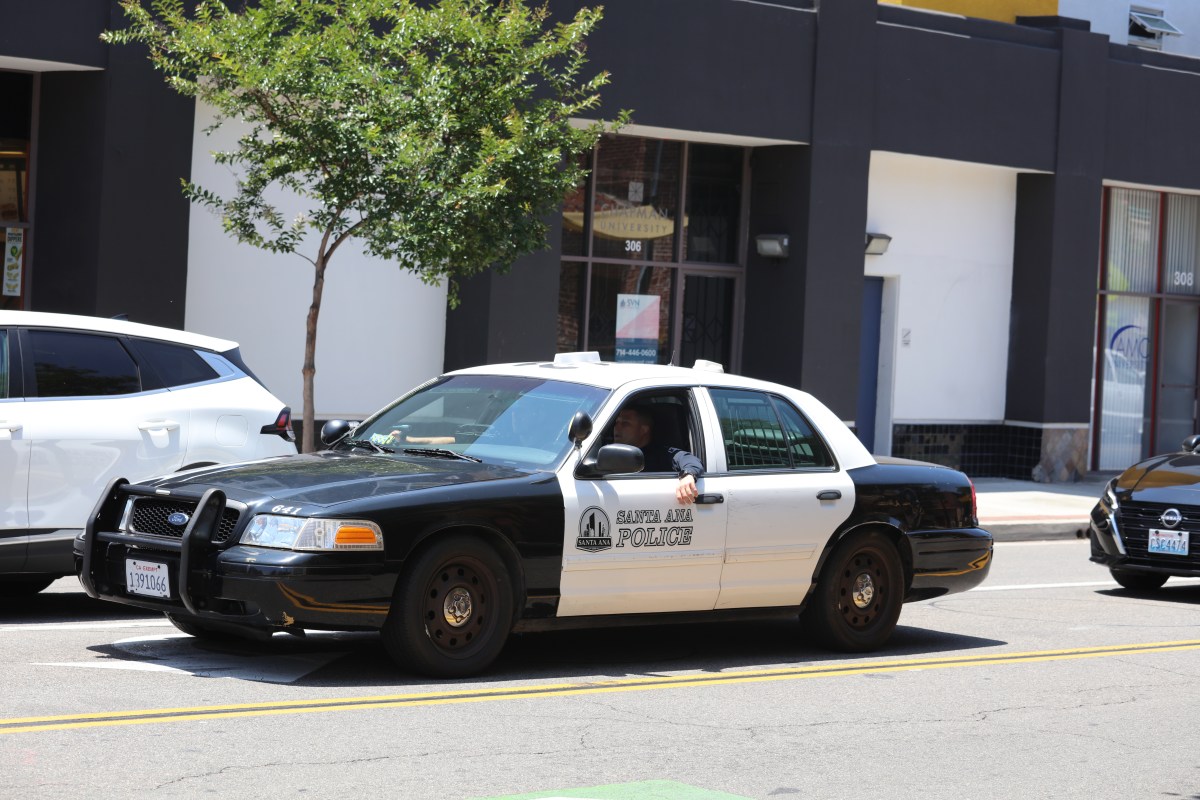
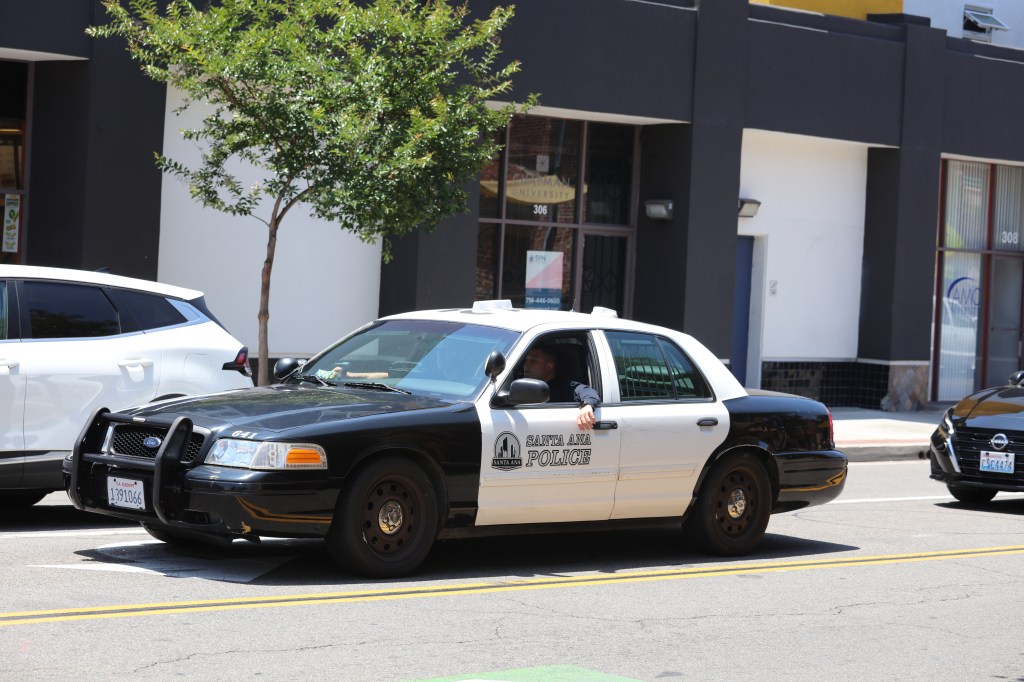
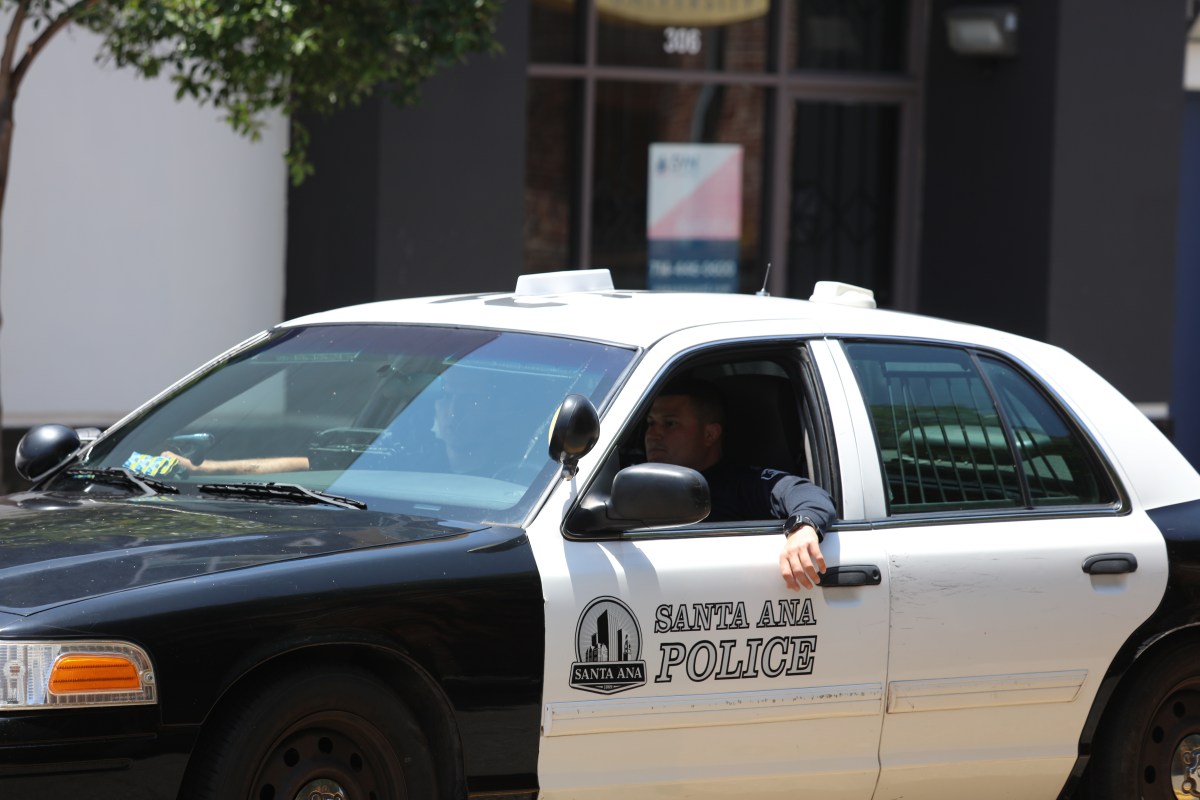
Let that sink in: the police did not respond. In broad daylight, in front of SAPD officers, bounty hunters—private actors with no legal authority—committed acts of kidnapping and intimidation. This is not justice. This is not safety. This is an abdication of duty by those sworn to protect the public.
Mayor Valerie Amezcua has offered no public statement, no press conference, no acknowledgment of this escalating crisis. Where is her voice? Where is her leadership? If the mayor cannot—or will not—stand up for the safety and dignity of Santa Ana’s residents, she has no business leading this city.
Bounty hunters are not law enforcement. They do not operate under the same oversight, training, or accountability standards. Yet here in Santa Ana, they act as if they wear badges—threatening, detaining, and even kidnapping individuals without consequence. And the SAPD, rather than intervening to stop these crimes, appears to be shielding them.
This raises serious questions: What kind of relationship exists between the SAPD and these bounty hunters? Are we witnessing collusion? Is there an informal agreement allowing rogue actors to enforce their own brand of “justice” while real justice is ignored?
Santa Ana residents deserve better. They deserve a mayor who protects them, not puts them at risk. They deserve a police department that serves and protects—not enables violence and disappearances.
If Mayor Amezcua continues to remain silent while bounty hunters terrorize our neighborhoods, then yes—she should be recalled. Her inaction is not neutral; it is dangerous. It sends a message that some lives don’t matter, that violence is tolerable, and that accountability is optional.
And to the SAPD: your oath was to protect the people. When you stood by and allowed armed men to kidnap citizens in the street, you broke that oath.
We call on Mayor Amezcua to immediately address the public, issue a clear stance against these unlawful kidnappings, and demand transparency from the SAPD. We call for an independent investigation into the events of July 1st and the broader pattern of bounty hunters activity in our city.
Enough is enough. Santa Ana residents should not live in fear of being kidnapped by armed strangers while our leaders look the other way. If we do not hold our officials accountable now, we risk losing what little trust remains in our institutions—and putting lives at even greater risk.
It’s time for action. It’s time for justice. It’s time to protect Santa Ana.




 The OC Reporter