Editorial: Las redadas de ICE en Santa Ana y la sombra del poder enfatizan la transparencia.

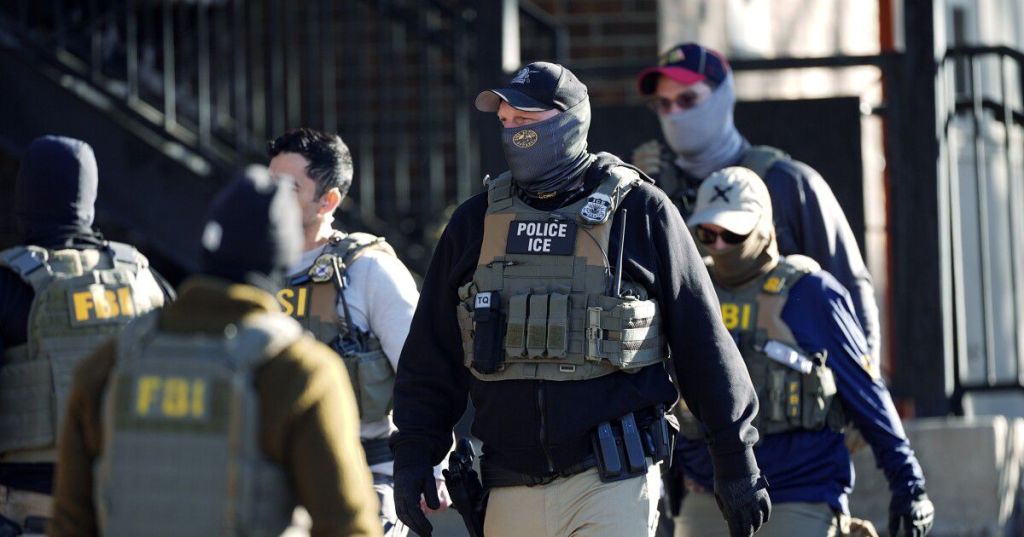
Los informes sobre las operaciones de ICE en Santa Ana, California, han reavivado los problemas de extralimitación gubernamental, falta de transparencia y la creciente participación de contratistas privados en las actividades de aplicación de la ley. Aunque no está directamente relacionada con estas redadas de inmigración en particular, Haliburton, una firma internacional con una larga trayectoria trabajando para el gobierno de Estados Unidos, plantea cuestiones inquietantes sobre la identidad de los responsables y la motivación de algunos de los participantes para ocultar su identidad.

Tras las acusaciones de que los líderes de la ciudad estaban al tanto de redadas previas de ICE este año, el Ayuntamiento de Santa Ana reconoció recientemente su preocupación por la aplicación de la ley migratoria. Estas declaraciones sugieren un creciente malestar entre los habitantes, que se sienten injustamente perseguidos por la legislación federal de inmigración. El uso de identidades ocultas y agentes desconocidos en las acciones de aplicación de la ley simplemente aumenta el escepticismo del público y erosiona la confianza en el sistema.

Aunque Halliburton es más conocida por sus contratos de energía y defensa, como sus polémicas interacciones durante la guerra de Irak, no se la ha vinculado inmediatamente con actividades de control migratorio. Sin embargo, es comprensible que algunos especulen sobre su papel cuando el anonimato se convierte en una característica de las operaciones policiales, dado su largo historial de operar bajo escasa supervisión pública y sus antiguos vínculos con el gobierno estadounidense.

El personal puede estar obligado a usar mascarillas durante las actividades del ICE por razones operativas o de seguridad, pero esta práctica alimenta la impresión de un poder opaco, sin control, sin transparencia ni rendición de cuentas. La supervisión democrática es imposible cuando se desconoce quiénes promulgan las leyes. Esta preocupación se agrava cuando se cree que contratistas privados —que reportan a las juntas directivas corporativas en lugar de a los ciudadanos— participan en la aplicación de la ley.

La principal preocupación debería ser la transparencia. Sea cual sea Halliburton u otro contratista que asista al ICE, el pueblo estadounidense debe estar informado de quién lleva a cabo estas operaciones, qué sistemas de vigilancia existen y cómo se deciden las tácticas de aplicación de la ley. Los habitantes de Santa Ana y todas las comunidades afectadas por la aplicación de las leyes migratorias deben recibir respuestas, no ambigüedades.

Los organismos de control y los legisladores deben decidir si los límites entre los sectores público y privado se están volviendo demasiado difusos en actividades locales importantes y si las protecciones existentes son suficientes para defender los derechos civiles. Cualquier cosa que no sea democracia fomenta la desconfianza, el miedo y el conflicto; por otro lado, la democracia prospera abiertamente.

Editorial: Santa Ana’s ICE raids and the Shadow of Power emphasize transparency.

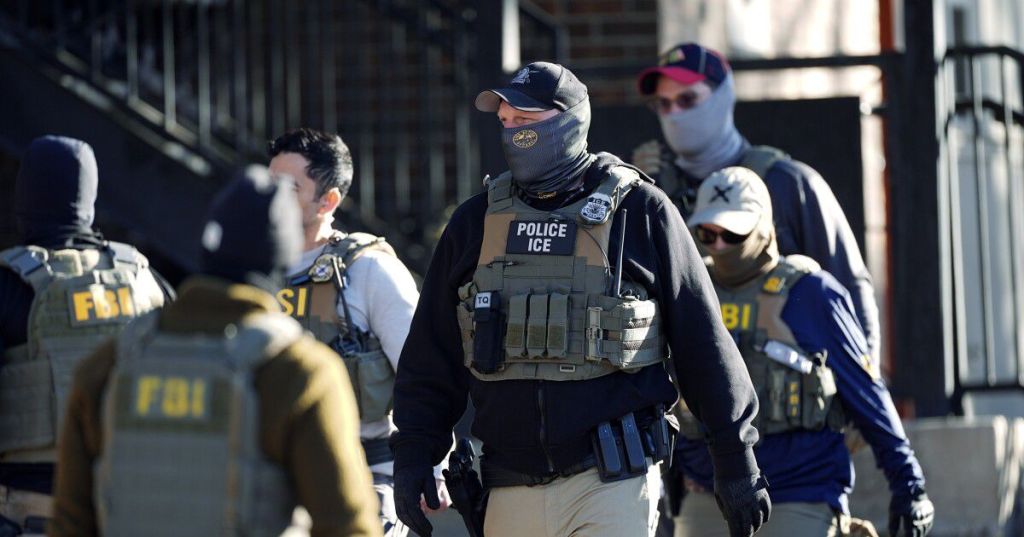
Reports of ICE operations in Santa Ana, California, have resurrected issues of government overreach, lack of openness, and the growing part private contractors in public law enforcement activities. Though not directly connected to these particular immigration raids, Haliburton, a worldwide firm with a long history of working for the US government, brings up unsettling issues about the identity of those in charge of them and the motivation for some of the participants to conceal their identities.

Following accusations that city leaders were aware of prior ICE raids this year, the Santa Ana City Council recently acknowledged concerns about immigration enforcement. These statements suggest growing discomfort among inhabitants who feel they are being unfairly targeted under federal immigration legislation. Using hidden identities and unknown operatives throughout enforcement actions just makes the public more skeptical and erodes trust in the system.

Although Halliburton is most well-known for its energy and defense contracts, such as its contentious interactions throughout the Iraq War, it has not been immediately linked to immigration enforcement activities. But it’s understandable that some would speculate about its role when anonymity becomes a characteristic of police operations given its long history of operating under limited public oversight and its long-standing ties with the U. S. government.

Personnel may be obliged to wear face coverings during ICE activities for operational or safety reasons, but this practice feeds into the impression of an opaque, unchecked power without openness or accountability. Democratic oversight is impossible when people lack the knowledge of the people enacting the law. This concern is made worse when private contractors—who report to corporate boards rather than citizens—are thought to be involved in law enforcement.

Top concern ought to be openness. Whatever Halliburton or other contractor is assisting ICE, the American people should be informed of who is conducting these operations, what surveillance systems are in place, and how law enforcement tactics are decided upon. The people of Santa Ana and all communities affected by immigration enforcement should receive answers, not ambiguity.

Watchdogs and legislators have to decide whether the boundaries between the public and private sectors are becoming too indistinct in important local activities and if existing protections are sufficient to uphold civil rights. Anything less than democracy fosters mistrust, fear, and strife; on the other hand, democracy thrives in the open.

Una mujer de 19 años fue detenida en Orange después de un enfrentamiento en un paso elevado de la autopista.

ORANGE, California—28 de mayo de 2025

Tras una amenaza de saltar desde un paso elevado de la autopista Orange el miércoles por la noche, una mujer de 19 años fue detenida. Esto provocó el cierre de varios carriles en la autopista Costa Mesa (55).

Las autoridades informaron que el incidente ocurrió poco antes de las 4:30 p. m. cerca del paso elevado de la avenida Lincoln. Alrededor de las 4:25 p. m., agentes de la Patrulla de Carreteras de California (CHP) comenzaron a desviar el tráfico de la zona mientras las autoridades intentaban resolver el asunto.

El teniente Phil McMullin, del Departamento de Policía de Orange, confirmó que la joven parecía estar en estado de angustia emocional y que había ascendido a la cornisa del paso elevado, lo que aumentaba la preocupación por su seguridad.

Un negociador de crisis del Departamento de Policía de Orange se unió al equipo de respuesta y habló con la mujer durante más de una hora para intentar ponerla a salvo. Las autoridades informaron que fue arrestada discretamente poco antes de las 6 p. m.

“Ella cooperó una vez que pudimos establecer comunicación”, dijo el teniente McMullin, y agregó: “Nuestra prioridad siempre fue su bienestar”.

Trasladada a un hospital cercano para realizarle pruebas, se espera que la mujer reciba tratamiento y apoyo a través de los servicios de salud mental del condado.

Debido a la ubicación del enfrentamiento, la autopista 55 estuvo cerrada en ambas direcciones durante varias horas, lo que provocó una grave congestión vehicular en las horas punta de la tarde. La Patrulla de Caminos de California (CHP) reabrió la autopista poco después de las 7 p. m.

Este suceso pone de relieve la importancia de la concienciación sobre la salud mental y el papel fundamental de los equipos de respuesta a crisis capacitados en situaciones difíciles.

Cualquier persona que tenga información o haya presenciado los sucesos previos al enfrentamiento debe comunicarse con el Departamento de Policía de Orange.

Anuncio de Servicio Público:

“Si usted o alguien que conoce se siente abrumado o piensa en suicidarse, por favor, contáctenos”.

“Hay personas que se preocupan y recursos que pueden ayudar”.

La Línea de Apoyo entre Pares de California está disponible las 24 horas, los 7 días de la semana, al 1-855-600-9276 para cualquier persona que experimente angustia emocional.

También puede contactar a esta agencia por teléfono celular.

Hay ayuda disponible.

Hable con alguien hoy mismo.

988 Línea de Ayuda para Suicidios y Crisis
Idiomas: Inglés, Español
Horario: Disponible las 24 horas

Llame al: 988

19-year-old lady apprehended in Orange after a freeway overpass showdown.

ORANGE, California—May 28, 2025

Following a threat to jump from an Orange freeway overpass on Wednesday night, a 19-year-old woman was apprehended; this caused a several lane closure on the Costa Mesa (55) Freeway.

Officials say the event happened just before 4:30 p.m. close to the Lincoln Avenue overpass. Around 4:25 p.m., California Highway Patrol (CHP) officers began rerouting traffic away from the region as authorities tried to resolve the matter.

Lt. Phil McMullin of the Orange Police Department confirmed that the young lady appeared to be in emotional distress and had ascended onto the overpass ledge, hence heightening worries about her safety.

Joining the response team, a crisis negotiator from the Orange Police Department spoke with the woman for over an hour in an effort to get her to safety. Officials say she was arrested quietly shortly before 6 p.m.

“She was cooperative once we could establish communication,” Lt. McMullin said, adding that “Our priority was always her well-being.”

Taken for testing at a nearby hospital, the woman is expected to get treatment and support through county mental health services.

Due of the location of the standoff, the 55 Freeway was closed in both directions for several hours, which produced severe evening rush traffic congestion. CHP re-opened the freeway sometime after 7 p.m.

This event brings to mind the value of mental health awareness and the necessary role of trained crisis responders in challenging conditions.

Anyone with information or might have witnessed the events leading up to the confrontation should contact the Orange Police Department.

Public Service Announcement:

“If you or someone you know is feeling overwhelmed or thinking about suicide, please reach out,”

“There are people who care and resources that can help.”

The California Peer Support Warm Line is available 24/7 at 1-855-600-9276 for anyone experiencing emotional distress.

Also you can contact this agency via your cell phone.

Help is available


Speak with someone today


988 Suicide and Crisis Lifeline
Languages: English, Spanish
Hours: Available 24 hours

Call: 988

Editorial: A Personal Encounter Underscores the Significance of Clear Boundaries at Camp Pendleton

US Military Base Camp Pendleton MP

I unintentionally entered Camp Pendleton this week through one of its public access sites, which put me in an unexpected situation. I had accidentally driven onto federal property, which was a genuine mistake that was immediately noticed by the military police at Camp Pendleton.

After that, I had a courteous and professional conversation with the MPs who pulled me over at the entrance checkpoint. They checked my identification, interrogated me about why I was there, and made sure I wasn’t a security risk. They gave me a warning and sent me back to the main road after concluding that my presence was unintentional and not dangerous.

The U.S. Immigration and Customs Enforcement (ICE) agency was noticeably absent from this interaction. I was not surprised by this fact given that immigration enforcement and law enforcement frequently converge in unexpected ways in the current environment. And the fact that the military police were entirely concerned with security and safety—not immigration status—gave me a sense of comfort.

Every U.S. military facility, including Camp Pendleton, has its own distinct jurisdiction. It is a community that welcomes thousands of service members, their families, and civilian workers, as well as a sovereign military area. The military police’s decision not to include ICE during regular vehicle stops or searches is not only legally correct but also necessary for preserving trust and operational efficiency inside the base.

Camp Pendleton

The lack of immigration enforcement in routine policing creates a culture of security and cooperation for people who reside or work on base, such as civilian contractors, international military liaisons, or foreign nationals serving under special visas. It makes certain that individuals are not deterred by the threat of deportation from seeking necessary services or reporting crimes.

My brief but ultimately uneventful experience serves to emphasize a more fundamental point: military facilities must continue to prioritize their primary purpose of protecting the country. The law enforcement in that area should be carried out with professionalism, clarity, and a thorough awareness of the unique characteristics of military communities.

For a long time, the Department of Defense has maintained that military facilities are not the place for local law enforcement activities that have nothing to do with base security. Whether by duty, invitation, or, like in my case, by mistake, this policy safeguards the integrity of the military objective as well as the rights and dignity of all persons who enter the base.

The Camp Pendleton Military Police should be praised for their professional and cautious response to the situation. Their behavior demonstrates a dedication to the values of fairness, discretion, and respect that characterize our military, as well as to security.

Mistakes occur, but an institution’s actual character is revealed by how it responds. In this instance, Camp Pendleton successfully completed the test.

Bài xã luận: Cuộc khủng hoảng lãnh đạo của Thị trưởng Santa Ana Valerie Amezcua gây nguy hiểm cho cư dân

Trong một thành phố được công nhận vì sự tận tụy với cộng đồng người nhập cư, Thị trưởng Valerie Amezcua của Santa Ana đang ở trung tâm của một cuộc tranh cãi đang gia tăng, gây nghi ngờ về khả năng lãnh đạo và các ưu tiên của bà. Tại cuộc họp của Hội đồng thành phố vào ngày 6 tháng 5 năm 2025, những phát biểu của Thị trưởng Amezcua cho thấy sự thay đổi đáng lo ngại trong sự chú ý—một sự thay đổi dường như tập trung nhiều hơn vào việc đảm bảo nguồn quỹ liên bang và thẩm quyền chính trị hơn là bảo vệ chính những cá nhân mà bà được bầu để đại diện.

Santa Ana đã được coi là thành phố trú ẩn trong nhiều năm, một lập trường dựa trên nguyên tắc rằng tất cả cư dân—bất kể tình trạng nhập cư của họ—đều có quyền được hưởng các dịch vụ công, sự an toàn và sự tôn trọng. Sự tận tụy này đã biến thành phố thành nơi ẩn náu cho nhiều người, đặc biệt là trong thời điểm bất ổn xung quanh luật nhập cư. Tuy nhiên, những bình luận gần đây của Thị trưởng Amezcua ngụ ý rằng giá trị cốt lõi này hiện đang bị đe dọa—không phải từ những tác động bên ngoài, mà từ các quan chức trong Tòa thị chính.

Trong cuộc họp hội đồng căng thẳng vào ngày 6 tháng 5, Amezcua đã bày tỏ lo ngại về khả năng mất nguồn tài chính liên bang liên quan đến các hoạt động thực thi pháp luật, nhấn mạnh cách nó có thể ảnh hưởng đến nguồn lực của cảnh sát và vị trí của chính bà. Mặc dù quản lý tài chính là rất quan trọng, nhưng việc đưa ra cuộc trò chuyện theo những thuật ngữ tập trung vào bản thân như vậy đã khiến cộng đồng bất ổn. Điều này đã truyền đạt cho nhiều người rằng thị trưởng có thể đang cân nhắc thỏa hiệp chính sách bảo vệ của thành phố – không phải vì cần thiết mà là do lo sợ – sợ mất thẩm quyền, mất nguồn tài trợ và cuối cùng là mất quyền kiểm soát.

Kiểu lãnh đạo này – hoặc việc thiếu nó – thực sự đáng lo ngại. Các chính sách bảo vệ không chỉ đại diện cho các biểu tượng đơn thuần; chúng hoạt động như các biện pháp bảo vệ quan trọng. Bằng cách ngăn cản sự hợp tác với Cơ quan Thực thi Di trú và Hải quan (ICE), các chính sách này giúp những người không có giấy tờ cảm thấy an toàn khi báo cáo tội phạm, tiếp cận viện trợ khẩn cấp và tham gia vào các vấn đề cộng đồng. Việc xóa bỏ các biện pháp bảo vệ đó sẽ dẫn đến hậu quả nghiêm trọng và ngay lập tức, đặc biệt là đối với những bộ phận dễ bị tổn thương nhất trong xã hội của chúng ta.

Cách tiếp cận có vẻ cởi mở của thị trưởng trong việc sửa đổi chính sách bảo vệ người nhập cư của thành phố mà không có chiến lược xác định hoặc thỏa thuận cộng đồng làm xói mòn lòng tin vào chính quyền địa phương. Người dân nên có những nhà lãnh đạo duy trì các nguyên tắc trong bối cảnh thách thức chính trị, chứ không phải những người chùn bước khi đối mặt với khó khăn tài chính hoặc áp lực đảng phái.

Ngoài ra, thời điểm và cách thức đưa ra bình luận của Amezcua là hoàn toàn không phù hợp. Trong một năm có đặc điểm là tình cảm chống người nhập cư leo thang trên khắp cả nước, Santa Ana nên củng cố – chứ không phải lùi bước – vị thế của mình như một ví dụ về chính quyền bao trùm. Thay vào đó, các tuyên bố của thị trưởng đã tạo ra sự nhầm lẫn, sợ hãi và chia rẽ vào thời điểm mà sự đoàn kết đang rất cần thiết.

Chúng tôi kêu gọi Thị trưởng Amezcua làm rõ lập trường của mình trước công chúng và tái khẳng định rõ ràng sự cống hiến của bà cho các giá trị bảo vệ người nhập cư của Santa Ana. Nếu bà không thể làm như vậy một cách chân thành, có lẽ đã đến lúc cần có một nhà lãnh đạo mới – một nhà lãnh đạo thể hiện các nguyên tắc về lòng trắc ẩn, lòng dũng cảm và cộng đồng mà Santa Ana thực sự xứng đáng có được.

Hãy ghi nhớ mục đích của các thành phố bảo vệ người nhập cư: chúng nhằm mục đích bảo vệ mạng sống, không phải để thách thức quyền lực của liên bang. Thị trưởng nên biết rằng trách nhiệm của bà liên quan đến việc đảm bảo an toàn cho mọi người, chứ không chỉ là nhận được hỗ trợ tài chính. Hiện tại, cư dân Santa Ana đang theo dõi chặt chẽ các quyết định và hướng đi của bà.

Editorial: La crisis de liderazgo de la alcaldesa de Santa Ana, Valerie Amezcua, pone en peligro a los residentes

En una ciudad reconocida por su dedicación a las poblaciones inmigrantes, la alcaldesa de Santa Ana, Valerie Amezcua, se encuentra en el centro de una creciente controversia que pone en duda su liderazgo y sus prioridades. En la reunión del Ayuntamiento del 6 de mayo de 2025, las declaraciones de la alcaldesa Amezcua indicaron un preocupante cambio de enfoque: parece más centrado en asegurar fondos federales y autoridad política que en proteger a las personas a quienes fue elegida para representar.

Santa Ana ha sido considerada una ciudad santuario durante muchos años, una postura basada en el principio de que todos los residentes, independientemente de su estatus migratorio, tienen derecho a servicios públicos, seguridad y respeto. Esta dedicación ha convertido a la ciudad en un refugio para muchos, especialmente en tiempos de incertidumbre en torno a las leyes de inmigración.  Sin embargo, comentarios recientes de la alcaldesa Amezcua sugieren que este valor fundamental está ahora en riesgo, no por influencias externas, sino por parte de funcionarios del Ayuntamiento.

Durante la tensa reunión del consejo del 6 de mayo, Amezcua expresó su preocupación por la posible pérdida de financiación federal vinculada a las actividades policiales, enfatizando cómo esto podría afectar los recursos policiales y su propia posición. Si bien la gestión financiera es crucial, enmarcar la conversación en términos tan egocéntricos ha inquietado a la comunidad. Ha transmitido a muchos que la alcaldesa podría estar considerando comprometer la política de santuario de la ciudad, no por necesidad, sino por temor a perder autoridad, financiación y, en última instancia, control.

Este tipo de liderazgo, o la falta de él, es realmente preocupante. Las políticas de santuario representan más que simples símbolos; funcionan como protecciones cruciales. Al desalentar la colaboración con el Servicio de Inmigración y Control de Aduanas (ICE), estas políticas ayudan a las personas indocumentadas a sentirse seguras al denunciar delitos, acceder a ayuda de emergencia y participar en asuntos comunitarios.  Desmantelar estas protecciones conllevaría repercusiones inmediatas y graves, especialmente para los segmentos más vulnerables de nuestra sociedad.

La aparente apertura de la alcaldesa a la hora de modificar la política de santuario de la ciudad sin una estrategia definida ni un acuerdo comunitario erosiona la confianza en el gobierno local. Los ciudadanos deberían tener líderes que defiendan sus principios ante los desafíos políticos, no aquellos que flaqueen ante dificultades financieras o presiones partidistas.

Además, el momento y la forma en que Amezcua pronunció sus comentarios fueron sumamente inapropiados. En un año caracterizado por la escalada del sentimiento antiinmigrante en todo el país, Santa Ana debería fortalecer, y no retroceder, su posición como ejemplo de gobierno inclusivo. En cambio, las declaraciones de la alcaldesa han generado confusión, miedo y división en un momento en que la solidaridad es urgentemente necesaria.

Instamos a la alcaldesa Amezcua a que aclare públicamente su postura y reafirme claramente su compromiso con los valores de santuario de Santa Ana.  Si no puede hacerlo con sinceridad, quizás sea hora de que surja un nuevo liderazgo: un liderazgo que encarne los principios de compasión, valentía y comunidad que Santa Ana realmente merece.

Tengamos presente el propósito de las ciudades santuario: su propósito es preservar vidas, no desafiar el poder federal. La alcaldesa debe ser consciente de que sus responsabilidades incluyen garantizar la seguridad de las personas, más que simplemente obtener apoyo financiero. En este momento, los residentes de Santa Ana observan atentamente sus decisiones y el rumbo que tome.

Editorial: The Leadership Crisis of Santa Ana Mayor Valerie Amezcua Endangers Residents

In a city recognized for its dedication to immigrant populations, Mayor Valerie Amezcua of Santa Ana is at the heart of a rising controversy that casts doubt on her leadership and the priorities she holds. At the City Council meeting on May 6th, 2025, the remarks made by Mayor Amezcua indicated a disturbing shift in attention—one that seems more focused on securing federal funds and political authority rather than safeguarding the very individuals she was elected to represent.

Santa Ana has been esteemed as a sanctuary city for many years, a stance based on the principle that all residents—irrespective of their immigration status—are entitled to public services, safety, and respect. This dedication has turned the city into a haven for many, particularly during uncertain times surrounding immigration laws. However, recent comments from Mayor Amezcua imply that this core value is now at risk—not from outside influences, but from officials within City Hall.

During the tense council meeting on May 6th, Amezcua expressed worries about the possible loss of federal financing linked to law enforcement activities, emphasizing how it could affect police resources and her own position. While financial management is crucial, framing the conversation in such self-focused terms has unsettled the community. It has conveyed to many that the mayor may be contemplating compromising the city’s sanctuary policy—not out of necessity, but from apprehension—fear of losing authority, funding, and ultimately, control.

This type of leadership—or the lack thereof—is genuinely concerning. Sanctuary policies represent more than mere symbols; they function as critical protections. By discouraging collaboration with Immigration and Customs Enforcement (ICE), these policies help undocumented individuals feel secure when reporting crimes, accessing emergency aid, and engaging in community affairs. Dismantling those protections would lead to immediate and severe repercussions, especially for the most vulnerable segments of our society.

The mayor’s seemingly open approach to modifying the city’s sanctuary policy without a defined strategy or community agreement erodes trust in local governance. Citizens should have leaders who uphold principles amidst political challenges, not ones who falter when facing financial difficulties or partisan pressures.

Additionally, the timing and manner of Amezcua’s comments were highly inappropriate. In a year characterized by escalating anti-immigrant feelings across the country, Santa Ana should be strengthening—not stepping back from—its standing as an example of inclusive governance. Instead, the mayor’s statements have created confusion, fear, and division at a time when solidarity is urgently needed.

We urge Mayor Amezcua to clarify her stance publicly and clearly reaffirm her dedication to Santa Ana’s sanctuary values. If she is unable to do so sincerely, perhaps it is time for new leadership to emerge—leadership that embodies the principles of compassion, bravery, and community that Santa Ana truly deserves.

Let’s keep in mind the purpose of sanctuary cities: they are meant to preserve lives, not to challenge federal power. The mayor should be aware that her responsibilities involve ensuring the safety of individuals, rather than just obtaining financial support. At this moment, the residents of Santa Ana are closely observing her decisions and the direction she takes.

Shadow Enforcers: The Controversy of ICE Utilizing Bail Agents for Immigration Raids

Shadow Enforcers: The Controversy of ICE Utilizing Bail Agents for Immigration Raids

Introduction

The intersection of immigration enforcement and private interests has sparked a contentious debate: Is U.S. Immigration and Customs Enforcement (ICE) leveraging bail enforcement agents—often known as bounty hunters—to conduct immigration raids? This practice, if true, raises profound legal, ethical, and societal questions, touching on issues of accountability, civil liberties, and the privatization of justice.

Background: Roles and Responsibilities 

ICE, a federal agency under Homeland Security, is tasked with enforcing immigration laws and deporting individuals deemed removable. Bail enforcement agents, conversely, operate in the criminal justice sphere, apprehending individuals who flee after posting bail. These agents typically work for private bail bonds companies, motivated by financial incentives rather than public service mandates.

Evidence of Collaboration: A Murky Landscape 

While ICE has historically partnered with local law enforcement through programs like 287(g)—which permits selected officers to perform immigration enforcement functions—the involvement of bail agents remains less transparent. Reports from advocacy groups and media outlets suggest sporadic collaborations. For instance, in 2021, a raid in Texas reportedly involved individuals later identified as bail agents, per court records. However, ICE has neither confirmed nor denied systematic coordination, leaving room for speculation and concern.

ICE Using Bail Enforcement Agents in The City of Huntington Beach CA

Proponents’ Perspective: Efficiency Over Bureaucracy

Supporters argue that enlisting bail agents could enhance ICE’s capacity amid resource constraints. These agents possess expertise in locating individuals evading authorities, potentially streamlining immigration operations. Some lawmakers contend that such partnerships are a pragmatic response to rising caseloads, echoing broader arguments for public-private collaboration in law enforcement.

Opposition: Legal and Ethical Quagmires 

Critics, however, warn of dangerous precedents. Bail agents lack the legal authority to enforce federal immigration laws, raising questions about the legality of such actions. The 287(g) program requires formal agreements and training, which bail agents typically do not receive. This disconnect risks unconstitutional arrests and racial profiling, particularly in communities already wary of immigration sweeps.  

Legal scholars stress that outsourcing enforcement to profit-driven entities creates accountability gaps. A 2022 ACLU report highlighted cases where bail agents allegedly detained individuals without proper identification or warrants, blurring lines between civil immigration violations and criminal justice.  

Case Studies: Lessons from the Field

In Georgia, a 2020 raid led to the wrongful detention of a U.S. citizen by agents working with ICE, sparking a lawsuit. Though the perpetrators were local officers, the incident underscores risks when untrained actors engage in enforcement. Similarly, a North Carolina sheriff’s department faced scrutiny for deputizing bail agents during immigration operations, later deemed unauthorized by state officials.

Ethical Dilemmas: Profit vs. Justice 

Bail agents’ financial stake in apprehensions introduces moral hazards. The potential for incentivized targeting of vulnerable populations—whether due to racial bias or mistaken identity—threatens civil liberties. Moreover, the lack of oversight mechanisms exacerbates fears among immigrant communities, eroding trust in both law enforcement and the judicial system.

Legal Framework: A Gray Area in Need of Clarity 

Federal law reserves immigration enforcement for federal officers, though courts have allowed limited local cooperation. The absence of clear guidelines on bail agents’ role leaves room for abuse. Legal experts urge Congress to address this loophole, ensuring all enforcement actors adhere to constitutional safeguards.

Conclusion: A Call for Transparency and Reform

While ICE’s challenges are undeniable, deploying unregulated agents risks undermining the rule of law. The Department of Homeland Security must clarify its policies and institute rigorous oversight. Lawmakers should consider legislation to bar profit-driven entities from immigration enforcement, prioritizing human rights over expediency.  

Communities deserve assurances that enforcement efforts uphold dignity and justice—not devolve into hunting expeditions fueled by financial motives. As debates over immigration intensify, maintaining public trust must remain paramount. The shadows of ambiguity surrounding ICE’s tactics demand illumination—and swift action.

Editorial: The Broken Promise of Sanctuary: ICE Raids in Santa Ana Expose Leadership Failures


In recent weeks, the city of Santa Ana, California—self-identified as a sanctuary for undocumented immigrants—has been thrust into national attention following a series of aggressive Immigration and Customs Enforcement (ICE) raids that have left its predominantly Latino community in distress. These operations serve as a stark reminder of how tenuous the notion of “sanctuary” is when local leadership fails to uphold its commitments. At the core of this controversy is Mayor Valerie Amezcua, whose tenure has increasingly come under scrutiny as her administration seems ill-equipped—or perhaps unwilling—to protect residents from federal encroachment.


Santa Ana, similar to many cities throughout the United States, adopted sanctuary policies with the aim of fostering trust between immigrant communities and law enforcement. The premise was straightforward yet powerful: local police would not cooperate with federal immigration authorities unless absolutely necessary, ensuring that all residents could feel secure in reporting crimes or seeking assistance without the dread of deportation. For years, these measures have acted as a lifeline for thousands of families who consider Santa Ana their home. However, now faced with an intensifying crackdown by ICE, the facade of protection offered by these policies appears to be fraying—and one cannot help but question whether Mayor Amezcua holds some responsibility for the turmoil unfolding before us.

A Crisis Unfolding

The recent surge of ICE arrests in Santa Ana has sent shockwaves through neighborhoods already contending with economic difficulties and systemic inequality. Families have been shattered, children left without parents, and businesses disrupted as workers disappear overnight. Community leaders report widespread anxiety among residents, who are now uncertain about where they can turn for safety. This climate of fear is precisely what sanctuary policies were intended to avert—but instead, it appears the city’s leaders have permitted ICE agents to disrupt lives with impunity.


What renders this situation particularly outrageous is the fact that Santa Ana’s population is predominantly Latino, with nearly three-quarters of its residents identifying as Hispanic or Latinx. Many of these individuals arrived in the United States in search of improved opportunities for themselves and their families, contributing significantly to the cultural and economic fabric of the city. Yet rather than standing firmly with them during this crisis, Mayor Amezcua has seemed absent at best—and complicit at worst.

Leadership on Trial

Since assuming office, Mayor Amezcua has faced challenges in exhibiting effective leadership, often criticized for favoring optics over substantive action. Her response to the current ICE raids has done little to alleviate those apprehensions. While other mayors of sanctuary cities have publicly denounced such actions and worked diligently to protect their constituents, Amezcua has conspicuously maintained her silence. When pressed for clarification, she provides vague assurances about “working within legal frameworks” but refrains from committing to tangible measures that might genuinely protect vulnerable residents.
This absence of decisive action prompts significant inquiries regarding her dedication to the very constituents she vowed to serve. How can a mayor assert her representation of a community when she declines to confront forces that threaten its very survival? In moments of crisis, authentic leadership necessitates boldness—not timidity. It mandates heeding the voices of those most impacted and undertaking substantive measures to fulfill their needs. Regrettably, Mayor Amezcua’s history implies she possesses neither the courage nor the vision to meet the chall

A Call to Action

The struggles of Santa Ana’s immigrant community should act as a clarion call, not only for Mayor Amezcua but also for every elected official in municipalities across the nation. Sanctuary policies are of no consequence if they cannot be enforced effectively—and such enforcement commences with robust, principled leadership ready to oppose injustice. Local administrations must investigate every potential avenue to resist federal overreach, ranging from legal disputes to grassroots initiatives aimed at empowering marginalized populations.

Furthermore, residents are urged to hold their leaders accountable. If Mayor Amezcua is unable to fulfill the promise of sanctuary, then it may be time for another individual to rise to the occasion—someone who comprehends the stakes involved and possesses the moral clarity required to uphold human dignity above all else.

Conclusion

Santa Ana stands at a pivotal juncture, torn between the ideals it previously embraced and the harsh realities of existence under an increasingly antagonistic federal administration. For an extended period, the city’s leaders have depended on vacuous rhetoric while neglecting to enforce meaningful protections for their most vulnerable residents. As ICE persistently targets Latino families in Santa Ana, one irrefutable truth emerges: the era of empty gestures has concluded. Genuine transformation will necessitate authentic leadership—and until Mayor Amezcua demonstrates her ability to provide such leadership, the residents of Santa Ana merit superior representation.