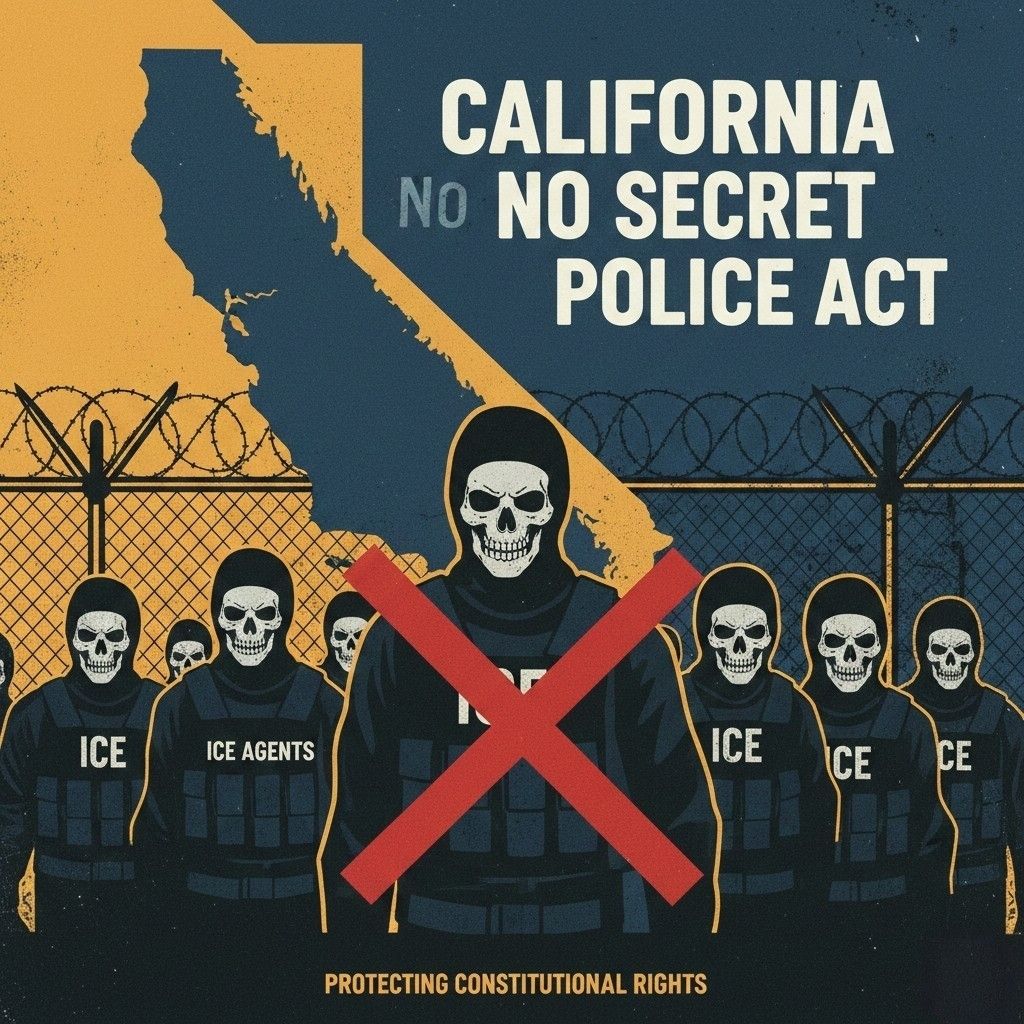
Editorial: Aclarando el rol de ICE y CBP: la autoridad federal no se extiende a la delegación de ciudadanos comunes

No es un agente de la ley federal, sino un cazarrecompensas que infringe las leyes estatales y federales.

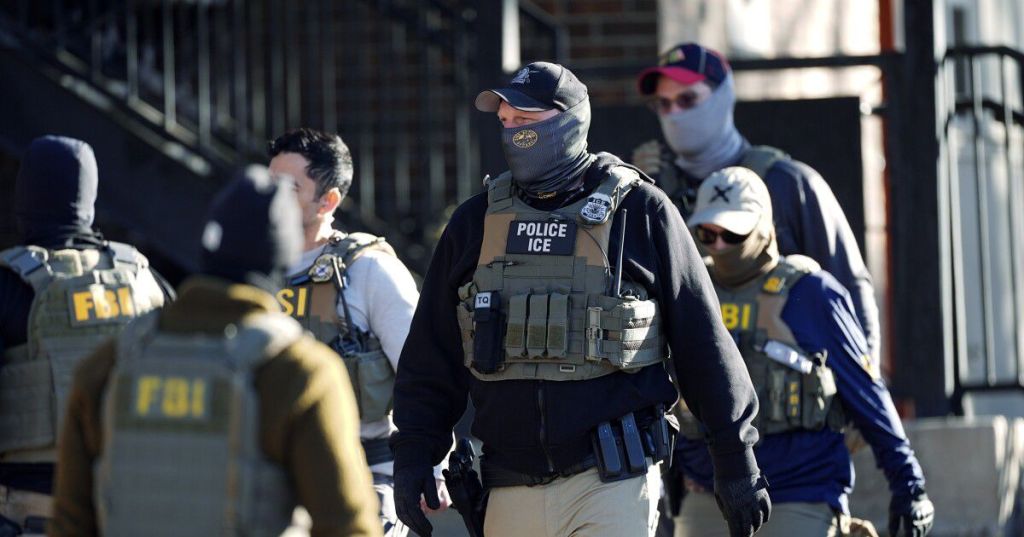
En los últimos meses, se ha difundido desinformación en redes sociales y en el discurso político, sugiriendo que el Servicio de Inmigración y Control de Aduanas (ICE) o la Oficina de Aduanas y Protección Fronteriza (CBP) de EE. UU. tienen la autoridad para delegar a ciudadanos estadounidenses comunes en la aplicación de la ley migratoria. Esta afirmación no solo es engañosa, sino categóricamente falsa, y su persistencia podría socavar la confianza pública en las fuerzas del orden federales y generar peligrosos malentendidos sobre el estado de derecho.

Seamos claros: ni el ICE ni la CBP designan a ciudadanos estadounidenses comunes para fines policiales. Estas agencias cuentan con oficiales y agentes capacitados y juramentados que se someten a rigurosas verificaciones de antecedentes, capacitación especializada y rinden cuentas ante la ley federal. La idea de que a los estadounidenses comunes se les puedan otorgar las facultades de agentes federales de las fuerzas del orden es una invención sin fundamento legal ni político.

Entendiendo las Agencias

  • El Servicio de Inmigración y Control de Aduanas de Estados Unidos (ICE) opera bajo el Departamento de Seguridad Nacional (DHS) y es responsable de hacer cumplir las leyes federales que rigen el control fronterizo, las aduanas, el comercio y la inmigración. Sus agentes son profesionales altamente capacitados encargados de investigar violaciones a la ley de inmigración, la trata de personas, el contrabando y otras amenazas a la seguridad nacional.
  • La Oficina de Aduanas y Protección Fronteriza de los Estados Unidos (CBP) es la agencia encargada de la seguridad fronteriza en los puertos de entrada y entre ellos. Los oficiales de la CBP y los agentes de la Patrulla Fronteriza son agentes federales encargados de hacer cumplir las leyes de inmigración, aduanas y agricultura.

Ambas agencias trabajan dentro de un marco legal establecido por el Congreso y supervisado por el DHS y el sistema judicial más amplio.

¿Por qué no se produce la delegación?

El concepto de delegación —donde una agencia gubernamental autoriza temporalmente a civiles a actuar en su nombre— no es inédito en la historia estadounidense, particularmente en tiempos de guerra o emergencia. Sin embargo, en el contexto moderno, especialmente en lo que respecta a la aplicación de la ley migratoria:

  1. Restricciones legales : No existe ninguna ley federal actual que autorice a ICE o CBP a delegar a ciudadanos privados en la aplicación de las leyes de inmigración.
  2. Capacitación y rendición de cuentas : Las fuerzas del orden requieren una amplia capacitación, conocimientos jurídicos y medidas de rendición de cuentas. Empoderar a personas sin la capacitación adecuada supondría graves riesgos para los derechos civiles y la seguridad pública.
  3. Cadena de Mando : Las agencias federales operan bajo estrictas cadenas de mando y supervisión. Permitir que personas no oficiales actúen como agentes socava el debido proceso y podría dar lugar a abusos de poder.

El peligro de la desinformación

Promover la creencia de que el ICE o la CBP pueden delegar responsabilidades a los ciudadanos alimenta las teorías conspirativas y el vigilantismo. Puede animar a las personas a tomarse la justicia por su mano, lo que deriva en acoso, detenciones ilegales y discriminación racial, todo lo cual erosiona la confianza de la comunidad y viola derechos constitucionales.

Además, estas afirmaciones distraen de los debates reales sobre la reforma migratoria, la seguridad fronteriza y los desafíos que enfrentan estas agencias. Además, generan un temor innecesario en las comunidades inmigrantes, polarizando aún más un tema ya de por sí polémico.

Conclusión

Es vital que sepamos distinguir entre la realidad y la ficción en lo que respecta a la aplicación de las leyes migratorias. ICE y CBP son agencias federales profesionales que llevan a cabo misiones complejas y difíciles conforme a la ley. Difundir falsedades sobre sus operaciones perjudica al público y amenaza la integridad de nuestras instituciones democráticas.

Instamos a la ciudadanía a confiar en fuentes de información fiables y a abordar las afirmaciones sobre las agencias federales con escepticismo y pensamiento crítico. En tiempos de profunda división política y desinformación generalizada, la claridad y la verdad son más importantes que nunca.

Editorial: Clarifying the Role of ICE and CBP — Federal Authority Does Not Extend to Deputizing Ordinary Citizens

Not A Federal Law Enforcement Agent, but A Bounty Hunter Breaking State and Federal Laws.

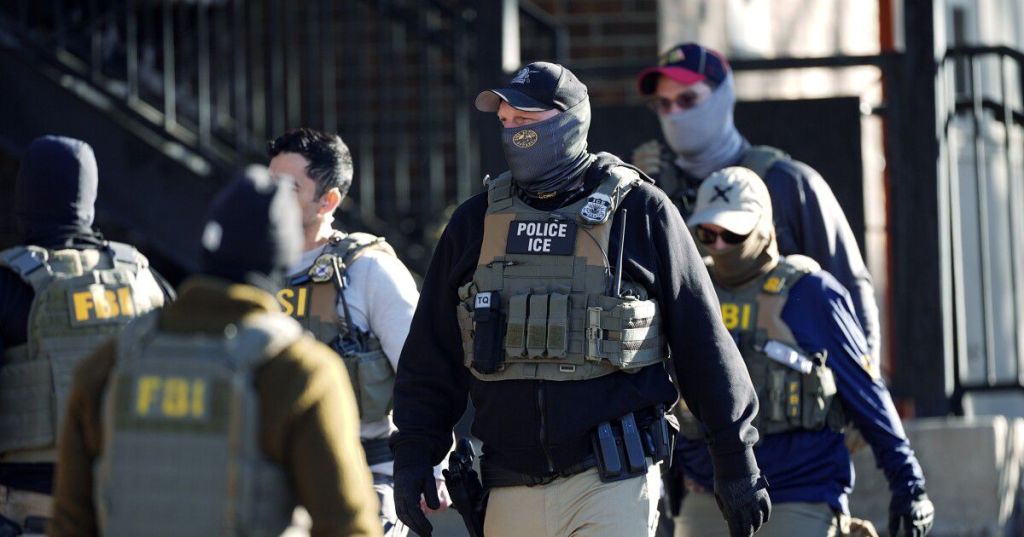
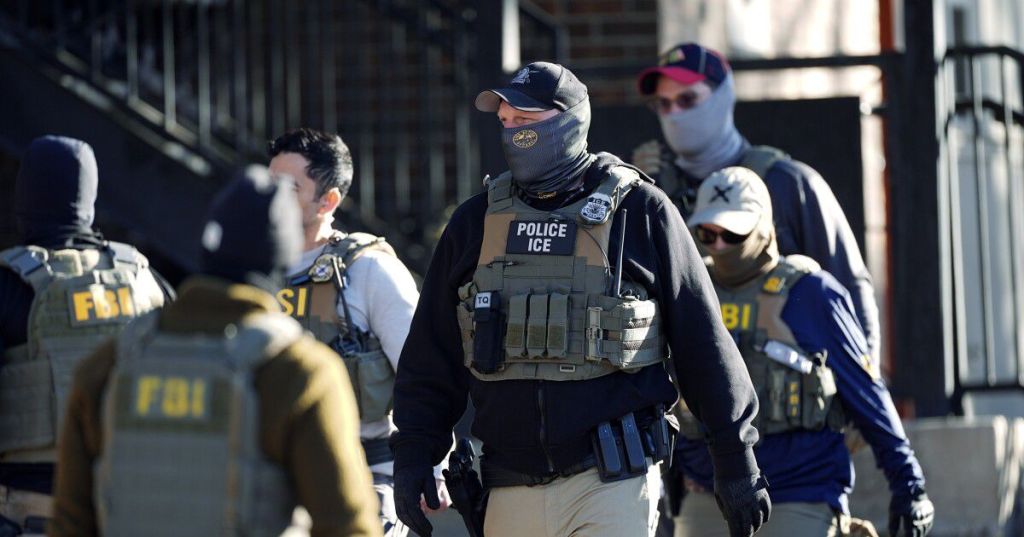
In recent months, misinformation has spread across social media and political discourse suggesting that U.S. Immigration and Customs Enforcement (ICE) or U.S. Customs and Border Protection (CBP) have the authority to deputize ordinary American citizens to assist in immigration enforcement. This claim is not only misleading—it’s categorically false, and its persistence risks undermining public trust in federal law enforcement and creating dangerous misunderstandings about the rule of law.

Let us be clear: Neither ICE nor CBP deputizes ordinary U.S. citizens for law enforcement purposes. These agencies are staffed by trained, sworn officers and agents who undergo rigorous background checks, specialized training, and are held accountable under federal law. The idea that average Americans can be granted the powers of federal law enforcement officers is a fabrication with no basis in statute or policy.

Understanding the Agencies

  • U.S. Immigration and Customs Enforcement (ICE) operates under the Department of Homeland Security (DHS) and is responsible for enforcing federal laws governing border control, customs, trade, and immigration. Its agents are highly trained professionals tasked with investigating violations of immigration law, human trafficking, smuggling, and other national security threats.
  • U.S. Customs and Border Protection (CBP) is the frontline agency charged with securing the nation’s borders at and between ports of entry. CBP officers and Border Patrol agents are federal law enforcement personnel who enforce immigration, customs, and agricultural laws.

Both agencies work within a legal framework established by Congress and overseen by DHS and the broader judicial system.

Why Deputization Doesn’t Happen

The concept of deputization—where a government agency temporarily authorizes civilians to act on its behalf—is not unheard of in American history, particularly during times of war or emergency. However, in the modern context, especially regarding immigration enforcement:

  1. Legal Constraints: There is no current federal law authorizing ICE or CBP to deputize private citizens for immigration enforcement.
  2. Training and Accountability: Law enforcement requires extensive training, legal knowledge, and accountability measures. Empowering untrained individuals would pose serious risks to civil rights and public safety.
  3. Chain of Command: Federal agencies operate under strict chains of command and oversight. Allowing non-officials to act as agents undermines due process and could lead to abuses of power.

The Danger of Misinformation

Promoting the belief that ICE or CBP can deputize citizens fuels conspiracy theories and vigilantism. It can embolden individuals to take the law into their own hands, leading to harassment, unlawful detentions, and racial profiling—all of which erode community trust and violate constitutional rights.

Moreover, such claims distract from real discussions about immigration reform, border security, and the challenges faced by these agencies. They also create unnecessary fear among immigrant communities, further polarizing an already contentious issue.

Conclusion

It is vital that we separate fact from fiction when it comes to immigration enforcement. ICE and CBP are professional federal agencies carrying out complex and difficult missions under the law. Spreading falsehoods about their operations does a disservice to the public and threatens the integrity of our democratic institutions.

We urge citizens to rely on credible sources of information and to approach claims about federal agencies with skepticism and critical thinking. In a time of deep political division and widespread misinformation, clarity and truth matter more than ever.

Editorial: The Trump Administration’s Racist Policies in America.

The US President

The Trump administration signaled a hazardous intensification of institutional racism and xenophobia in the United States. The Trump administration turned immigration enforcement into a weapon of fear and control, disproportionately targeting immigrant, brown, and Black communities through policies such as the “Muslim Ban,” the separation of families at the border, and the aggressive increase in ICE raids.

This period has been characterized by illegal ICE raids, which frequently involve breaches of fundamental rights protected by the U.S. Constitution, notably the Fourth and Fourteenth Amendments, and are frequently conducted without warrants or due process. These raids not only tear apart families, but also convey a terrifying signal that some groups of people, particularly Latinos, Muslims, and undocumented immigrants, are less deserving of respect or safety.

Illegal ICE Raids

Simultaneously, white supremacist language has been encouraged rather than denounced. In response to the Charlottesville march, Trump infamously said there were “very fine people on both sides,” and the administration refused to take a strong stance against violent hate groups, which revived formerly marginalized racist ideas.

All of this is completely at odds with the values that the Constitution professes to support. The Founders cautioned about tyranny, but under Trump, we see a government engaging in tyranny from within, using the machinery of state authority to infringe on the rights of the most vulnerable while protecting the powerful.

Orange County CA Lake Forrest Man Eric Walter Ramminger Arrested for hate crimes, racial slurs, Assault, death threats against a business owner.

The purpose of the Constitution is to be a living document—a protection for everyone, not a selective instrument used to support privilege while stifling dissent. Now more than ever, it is crucial to demand responsibility, defend human rights, and advocate for a real democracy where liberty and justice are assured for everyone, not just a select few.

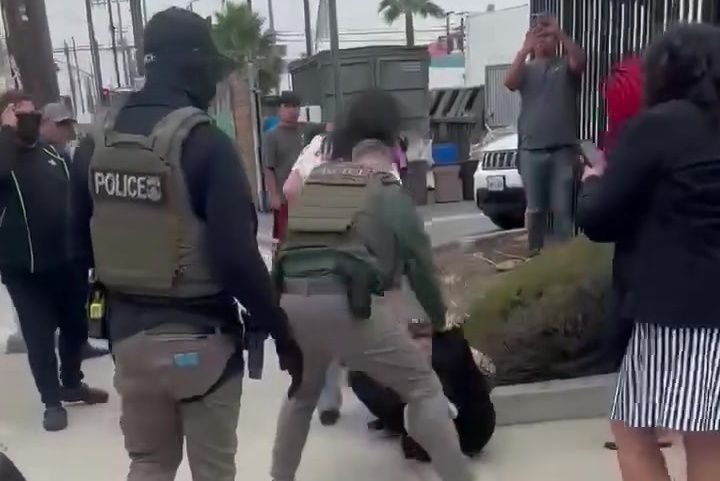
Editorial: The use of masked bail enforcement officials by ICE during raids in Orange County raises worrying concerns about transparency and civil rights.

ICE Using Bail Enforcement Agents (Bounty Hunters) to do immigration raids in Orange County CA.

Although not in the manner that most people would expect, the Immigration and Customs Enforcement (ICE) has increased its activities in Orange County, California, of late. There have been reports of disguised ICE officers driving unmarked vehicles and posing as “bail enforcement agents” in order to break into homes. These practices have ethical, legal, and constitutional implications that require quick action.

At a moment when public faith in law enforcement is already waning, particularly in immigrant communities, these dishonest methods exacerbate public distrust and spread anxiety among individuals who are just trying to live their lives without the threat of deportation. Despite ICE’s history of employing divisive force to enforce federal immigration legislation, the use of covert methods typically reserved for fugitive investigations or high-risk criminal arrests should not be used indiscriminately against civil immigration offenses.

A troubling trend

According to neighborhood reports and eyewitness accounts, people come to houses claiming to be bail enforcement officials—sometimes without providing adequate proof of their identification or explaining the purpose of their visit. Some allege that they tricked residents in order to gain admission, but they only revealed their connection to ICE after they were inside. This deception has the potential to violate the legal restrictions governing search and seizure in addition to eroding residents’ trust.

The Fourth Amendment safeguards citizens against unlawful searches and seizures; in general, law enforcement must obtain a warrant before entering private homes. Nevertheless, it raises important concerns about whether constitutional rights are being violated in the pursuit of immigration enforcement objectives if officers deceive people about their motives or identity in order to gain entry.

Impact on Communities:

The economic, cultural, and social landscape of Orange County is significantly influenced by many of the diverse immigrant groups that live there. The secrecy and deception strategies used by ICE in enforcement actions contribute to a climate of uncertainty and fear. Parents are reluctant to enroll their children in school because they are afraid of running into federal immigration officers, workers are hesitant to go to work, and crime victims are wary of assisting local law enforcement.

This chilling impact puts pressure on ties between immigrant populations and local police, thereby undermining broader public safety measures. In addition, people who may have sought refuge from violence or persecution in their home countries are at risk of encountering new dangers in what they hoped would be a secure location.

supervisory and legal uncertainties

The growing use of veiled operatives and fake identities in enforcement operations indicates a concerning shift in strategy, even if ICE asserts that its agents are trained to follow stringent protocols. Serious questions arise about responsibility, monitoring, and openness if ICE mixes frontiers with bounty hunters or private enforcement officers.

The behavior of federal officials in residential settings should be carefully regulated, particularly while entering homes without obvious identification or court approval. Whether these actions comply with existing legal frameworks and whether the existing protections adequately protect civil liberties should be examined by Congress and oversight organizations.

The right and responsibility to seek answers lies with local authorities, immigrant advocacy groups, and concerned citizens. The heads of Orange County, California, Attorney General Rob Bonta, and members of Congress should call for a comprehensive investigation into these activities. If necessary to put an end to the misuse of deceptive law enforcement identities in civil immigration enforcement, legislation should be passed.

Communities should be aware of who is knocking at their doors and why. Law enforcement must function with transparency, respect for due process, and a focus on fostering trust rather than destroying it.

# Dressed as bail enforcement officers, masked ICE agents in Orange County set a dangerous example that puts the rights of everyone at risk, regardless of their immigration status, as well as the integrity of our judicial system. Strategies used to achieve enforcement outcomes that rely on deception and terror must be rejected by our community. True security is founded on justice, transparency, and respect for human dignity, not on fear.

Note:

A controversial bill moving through the Mississippi legislature would allow bounty hunters — also known as bail enforcement agents — to target individuals suspected of violating state-level immigration laws, raising alarm among civil rights advocates, immigrant communities, and legal experts.

House Bill 1484 proposes the creation of the so-called Mississippi Illegal Aliens Certified Bounty Hunter Program, which would certify licensed bail bond agents and surety recovery agents for purposes of finding and detaining anyone in the country illegally.

House Bill 1484 PDF

Click to access HB1484IN.pdf

Bài xã luận: Các cuộc đột kích của ICE tại Santa Ana và Shadow of Power nhấn mạnh đến tính minh bạch.

Các báo cáo về hoạt động của ICE tại Santa Ana, California, đã khơi lại các vấn đề về sự can thiệp quá mức của chính phủ, thiếu cởi mở và sự tham gia ngày càng tăng của các nhà thầu tư nhân trong các hoạt động thực thi pháp luật công. Mặc dù không liên quan trực tiếp đến các cuộc đột kích nhập cư cụ thể này, Haliburton, một công ty toàn cầu có lịch sử lâu đời làm việc cho chính phủ Hoa Kỳ, đã nêu ra những vấn đề đáng lo ngại về danh tính của những người phụ trách các cuộc đột kích này và động cơ khiến một số người tham gia che giấu danh tính của họ.

Sau những cáo buộc rằng các nhà lãnh đạo thành phố đã biết về các cuộc đột kích của ICE trước đó trong năm nay, Hội đồng thành phố Santa Ana gần đây đã thừa nhận những lo ngại về việc thực thi luật nhập cư. Những tuyên bố này cho thấy sự khó chịu ngày càng tăng trong số những cư dân cảm thấy họ đang bị nhắm mục tiêu một cách bất công theo luật nhập cư liên bang. Việc sử dụng danh tính ẩn và các hoạt động không xác định trong suốt các hành động thực thi chỉ khiến công chúng hoài nghi hơn và làm xói mòn lòng tin vào hệ thống.

Mặc dù Halliburton nổi tiếng nhất với các hợp đồng năng lượng và quốc phòng, chẳng hạn như các tương tác gây tranh cãi trong suốt Chiến tranh Iraq, nhưng công ty này không bị liên kết ngay lập tức với các hoạt động thực thi luật nhập cư. Nhưng có thể hiểu được tại sao một số người lại suy đoán về vai trò của nó khi tính ẩn danh trở thành đặc điểm của các hoạt động cảnh sát do lịch sử lâu dài của nó hoạt động dưới sự giám sát hạn chế của công chúng và mối quan hệ lâu dài với chính phủ Hoa Kỳ.

Nhân viên có thể bị buộc phải đeo khẩu trang trong các hoạt động của ICE vì lý do hoạt động hoặc an toàn, nhưng thông lệ này lại tạo ra ấn tượng về một quyền lực mờ ám, không được kiểm soát mà không có sự công khai hoặc trách nhiệm giải trình. Sự giám sát của đảng dân chủ là không thể khi mọi người không hiểu biết về những người ban hành luật. Mối quan ngại này trở nên tồi tệ hơn khi các nhà thầu tư nhân – những người báo cáo với hội đồng quản trị công ty chứ không phải công dân – được cho là tham gia vào việc thực thi pháp luật.

Mối quan tâm hàng đầu phải là sự công khai. Bất kể Halliburton hay nhà thầu nào khác đang hỗ trợ ICE, người dân Hoa Kỳ nên được thông báo về những người đang tiến hành các hoạt động này, những hệ thống giám sát nào đang được áp dụng và cách thức quyết định các chiến thuật thực thi pháp luật. Người dân Santa Ana và tất cả các cộng đồng bị ảnh hưởng bởi việc thực thi luật nhập cư nên nhận được câu trả lời, chứ không phải sự mơ hồ.

Những người giám sát và nhà lập pháp phải quyết định xem ranh giới giữa khu vực công và tư có trở nên quá mơ hồ trong các hoạt động địa phương quan trọng hay không và liệu các biện pháp bảo vệ hiện có có đủ để duy trì các quyền công dân hay không. Bất cứ điều gì ít hơn dân chủ đều nuôi dưỡng sự ngờ vực, sợ hãi và xung đột; mặt khác, dân chủ phát triển mạnh mẽ trong sự công khai.

Editorial: Las redadas de ICE en Santa Ana y la sombra del poder enfatizan la transparencia.

Los informes sobre las operaciones de ICE en Santa Ana, California, han reavivado los problemas de extralimitación gubernamental, falta de transparencia y la creciente participación de contratistas privados en las actividades de aplicación de la ley. Aunque no está directamente relacionada con estas redadas de inmigración en particular, Haliburton, una firma internacional con una larga trayectoria trabajando para el gobierno de Estados Unidos, plantea cuestiones inquietantes sobre la identidad de los responsables y la motivación de algunos de los participantes para ocultar su identidad.

Tras las acusaciones de que los líderes de la ciudad estaban al tanto de redadas previas de ICE este año, el Ayuntamiento de Santa Ana reconoció recientemente su preocupación por la aplicación de la ley migratoria. Estas declaraciones sugieren un creciente malestar entre los habitantes, que se sienten injustamente perseguidos por la legislación federal de inmigración. El uso de identidades ocultas y agentes desconocidos en las acciones de aplicación de la ley simplemente aumenta el escepticismo del público y erosiona la confianza en el sistema.

Aunque Halliburton es más conocida por sus contratos de energía y defensa, como sus polémicas interacciones durante la guerra de Irak, no se la ha vinculado inmediatamente con actividades de control migratorio. Sin embargo, es comprensible que algunos especulen sobre su papel cuando el anonimato se convierte en una característica de las operaciones policiales, dado su largo historial de operar bajo escasa supervisión pública y sus antiguos vínculos con el gobierno estadounidense.

El personal puede estar obligado a usar mascarillas durante las actividades del ICE por razones operativas o de seguridad, pero esta práctica alimenta la impresión de un poder opaco, sin control, sin transparencia ni rendición de cuentas. La supervisión democrática es imposible cuando se desconoce quiénes promulgan las leyes. Esta preocupación se agrava cuando se cree que contratistas privados —que reportan a las juntas directivas corporativas en lugar de a los ciudadanos— participan en la aplicación de la ley.

La principal preocupación debería ser la transparencia. Sea cual sea Halliburton u otro contratista que asista al ICE, el pueblo estadounidense debe estar informado de quién lleva a cabo estas operaciones, qué sistemas de vigilancia existen y cómo se deciden las tácticas de aplicación de la ley. Los habitantes de Santa Ana y todas las comunidades afectadas por la aplicación de las leyes migratorias deben recibir respuestas, no ambigüedades.

Los organismos de control y los legisladores deben decidir si los límites entre los sectores público y privado se están volviendo demasiado difusos en actividades locales importantes y si las protecciones existentes son suficientes para defender los derechos civiles. Cualquier cosa que no sea democracia fomenta la desconfianza, el miedo y el conflicto; por otro lado, la democracia prospera abiertamente.

Editorial: Santa Ana’s ICE raids and the Shadow of Power emphasize transparency.

Reports of ICE operations in Santa Ana, California, have resurrected issues of government overreach, lack of openness, and the growing part private contractors in public law enforcement activities. Though not directly connected to these particular immigration raids, Haliburton, a worldwide firm with a long history of working for the US government, brings up unsettling issues about the identity of those in charge of them and the motivation for some of the participants to conceal their identities.

Following accusations that city leaders were aware of prior ICE raids this year, the Santa Ana City Council recently acknowledged concerns about immigration enforcement. These statements suggest growing discomfort among inhabitants who feel they are being unfairly targeted under federal immigration legislation. Using hidden identities and unknown operatives throughout enforcement actions just makes the public more skeptical and erodes trust in the system.

Although Halliburton is most well-known for its energy and defense contracts, such as its contentious interactions throughout the Iraq War, it has not been immediately linked to immigration enforcement activities. But it’s understandable that some would speculate about its role when anonymity becomes a characteristic of police operations given its long history of operating under limited public oversight and its long-standing ties with the U. S. government.

Personnel may be obliged to wear face coverings during ICE activities for operational or safety reasons, but this practice feeds into the impression of an opaque, unchecked power without openness or accountability. Democratic oversight is impossible when people lack the knowledge of the people enacting the law. This concern is made worse when private contractors—who report to corporate boards rather than citizens—are thought to be involved in law enforcement.

Top concern ought to be openness. Whatever Halliburton or other contractor is assisting ICE, the American people should be informed of who is conducting these operations, what surveillance systems are in place, and how law enforcement tactics are decided upon. The people of Santa Ana and all communities affected by immigration enforcement should receive answers, not ambiguity.

Watchdogs and legislators have to decide whether the boundaries between the public and private sectors are becoming too indistinct in important local activities and if existing protections are sufficient to uphold civil rights. Anything less than democracy fosters mistrust, fear, and strife; on the other hand, democracy thrives in the open.

Editorial: A Personal Encounter Underscores the Significance of Clear Boundaries at Camp Pendleton

US Military Base Camp Pendleton MP

I unintentionally entered Camp Pendleton this week through one of its public access sites, which put me in an unexpected situation. I had accidentally driven onto federal property, which was a genuine mistake that was immediately noticed by the military police at Camp Pendleton.

After that, I had a courteous and professional conversation with the MPs who pulled me over at the entrance checkpoint. They checked my identification, interrogated me about why I was there, and made sure I wasn’t a security risk. They gave me a warning and sent me back to the main road after concluding that my presence was unintentional and not dangerous.

The U.S. Immigration and Customs Enforcement (ICE) agency was noticeably absent from this interaction. I was not surprised by this fact given that immigration enforcement and law enforcement frequently converge in unexpected ways in the current environment. And the fact that the military police were entirely concerned with security and safety—not immigration status—gave me a sense of comfort.

Every U.S. military facility, including Camp Pendleton, has its own distinct jurisdiction. It is a community that welcomes thousands of service members, their families, and civilian workers, as well as a sovereign military area. The military police’s decision not to include ICE during regular vehicle stops or searches is not only legally correct but also necessary for preserving trust and operational efficiency inside the base.

Camp Pendleton

The lack of immigration enforcement in routine policing creates a culture of security and cooperation for people who reside or work on base, such as civilian contractors, international military liaisons, or foreign nationals serving under special visas. It makes certain that individuals are not deterred by the threat of deportation from seeking necessary services or reporting crimes.

My brief but ultimately uneventful experience serves to emphasize a more fundamental point: military facilities must continue to prioritize their primary purpose of protecting the country. The law enforcement in that area should be carried out with professionalism, clarity, and a thorough awareness of the unique characteristics of military communities.

For a long time, the Department of Defense has maintained that military facilities are not the place for local law enforcement activities that have nothing to do with base security. Whether by duty, invitation, or, like in my case, by mistake, this policy safeguards the integrity of the military objective as well as the rights and dignity of all persons who enter the base.

The Camp Pendleton Military Police should be praised for their professional and cautious response to the situation. Their behavior demonstrates a dedication to the values of fairness, discretion, and respect that characterize our military, as well as to security.

Mistakes occur, but an institution’s actual character is revealed by how it responds. In this instance, Camp Pendleton successfully completed the test.

Editorial: Holding the Santa Ana Police Department Responsible for Unregulated Patrol Stops

Photo by: Igmar Rodas/The Orange County Reporter Santa Ana Police Department makes traffic stops on Private Property.

A concerning trend has surfaced in Santa Ana: patrol officers are conducting traffic stops without adequately informing dispatch, resulting in no official documentation of their whereabouts or the rationale for the stop. When anxious residents contact the police department to report these dubious incidents—equipped with patrol car numbers and precise details—they encounter stonewalling and evasive responses from supervisory personnel.

The fundamental problem lies in a deficiency of accountability. Patrol vehicles are fitted with GPS tracking, yet supervisors decline to utilize this technology to confirm officer locations. Some even assert that accessing GPS information is “beyond their pay grade. ” This provokes serious questions: if supervisors are unaware of their officers’ locations, who possesses that knowledge? And if they do have it but choose not to reveal it, what could they be concealing?

Photo by: Igmar Rodas/The Orange County Reporter, Santa Ana Residents at Risk for Unchecked Stops, As Police Dispatch are unaware.

Openness is the cornerstone of public confidence in law enforcement. When officers act outside the regulations of their own department, it paves the way for misconduct—unlawful stops, racial profiling, and violations of civil rights. The situation where a supervisor denies the existence of a patrol unit that residents have clearly observed, or declines to provide badge numbers, is intolerable.

Santa Ana residents warrant a police force that functions within the confines of the law, rather than above it. The department must enforce stricter oversight protocols, incorporating real-time tracking of patrol vehicle locations that supervisors are obligated to supervise. Moreover, there must be a defined, enforceable policy requiring that all traffic stops are recorded with dispatch.

Photo by: Igmar Rodas/The Orange County Reporter.

Should the department resist these fundamental accountability initiatives, it falls upon the community to advocate for change. City officials, the police chief, and civilian oversight bodies must intervene to guarantee that officers adhere to appropriate protocols. Transparency is not a privilege—it is a public entitlement. Officers in Santa Ana must be accountable to the individuals they serve, rather than operating covertly.