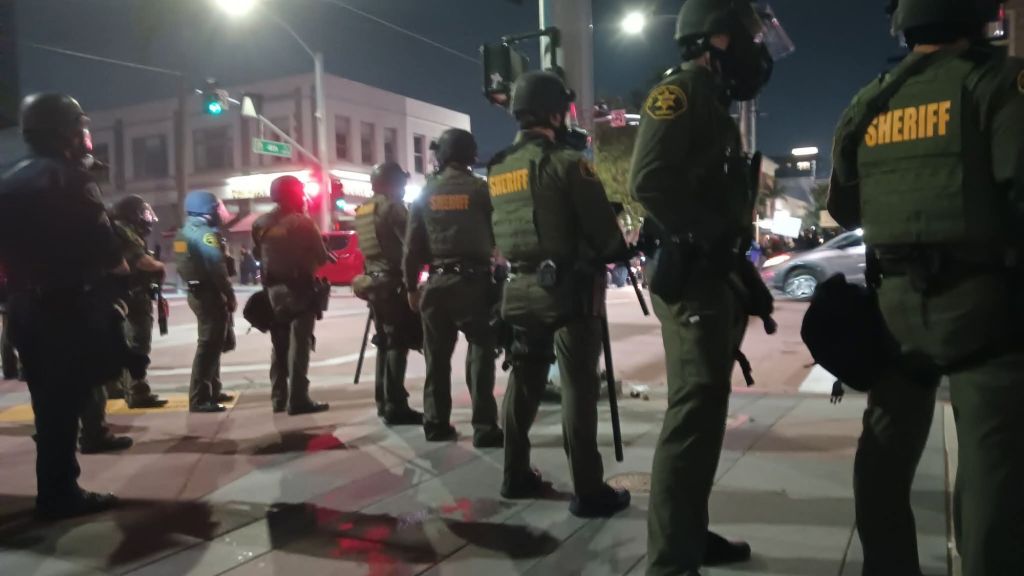
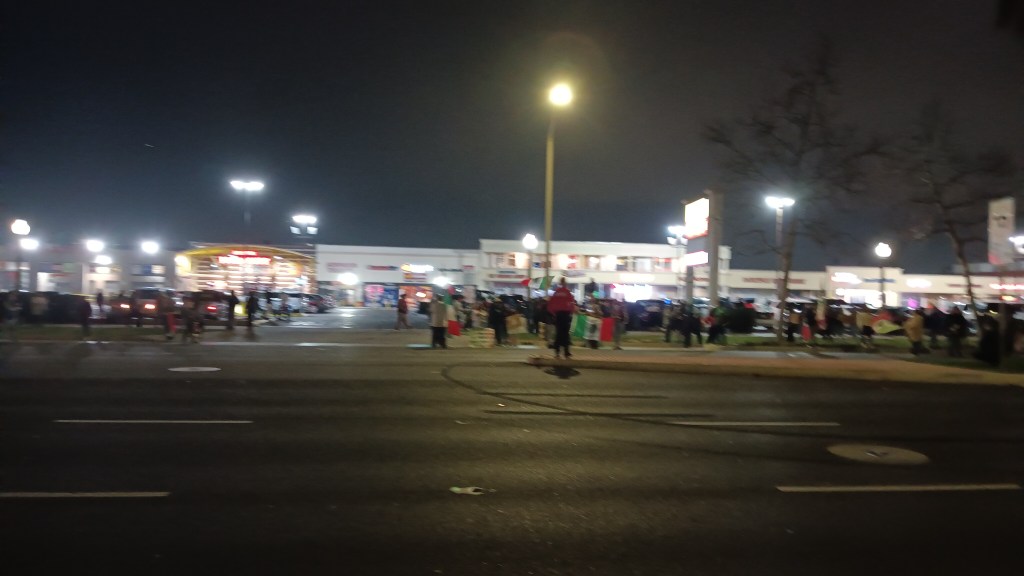
What started out as a calm protest in Downtown Santa Ana quickly descended into disorder and violence as various law enforcement agencies —including the Santa Ana Police Department, Huntington Beach, Anaheim, Irvine, Seal Beach, La Palma, Orange County Sheriff’s Department (OCSD), even the California National Guard— descended on the demonstration to forcefully disperse the crowd.
Witnesses say that police in riot gear advanced fiercely aided by armored vehicles and monitoring drones. What should’ve First Amendment rights exercise turned into a conflict involving tear gas, rubber bullets, and batons against demonstrators. Police sirens and shouting dispersal commands drowned out justice chants.
Orange County Sheriff Department
Why agencies from cities miles away—including Huntington Beach and Seal Beach—were called in to intervene in a Santa Ana protest? Why was the National Guard sent in a civilian environment and with what mandate?
The scene reflected a disturbing national trend: the swift militarization of local law enforcement and the organized suppression of public opposition. It begs immediate concerns about civil liberties, jurisdictional overreach, and the decline of local trust when peaceful protesters are treated as enemy combatant and police from different jurisdictions act in harmony without transparency or local accountability.
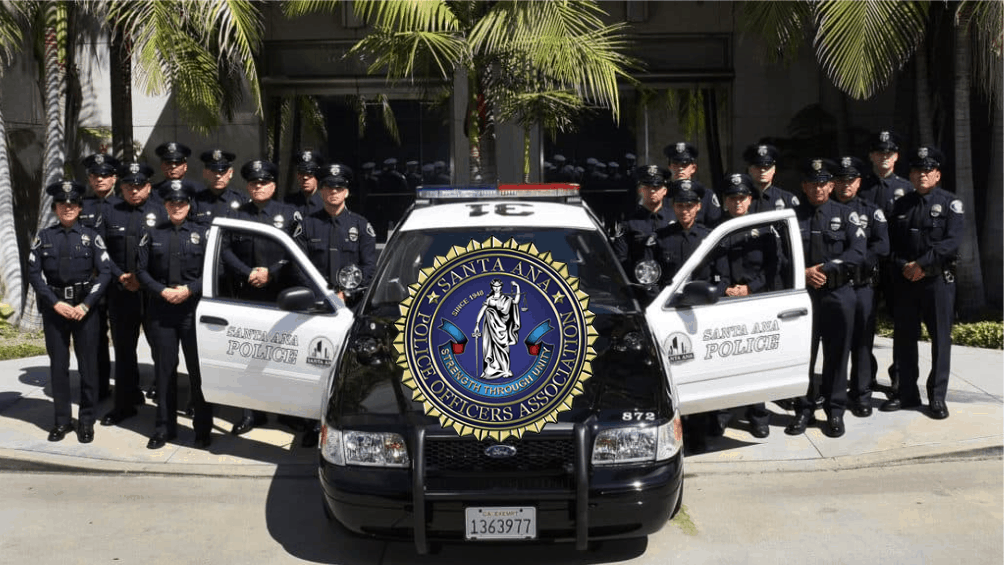
Santa Ana Police Department
This is not public safety.” This is a display of power;it sets a hazardous precedent.”
City and county level elected officials have to account for this increase. Mayor Valerie Amezcua and the Santa Ana City Council have to account for their involvement—or lack of influence—regarding what happened. People ought to know why if they approved this.Who else would?
Demonstrators put up a barrier
The citizens of Santa Ana are entitled to object, seek justice, and hold those in authority responsible. Official news releases or cleaned reports should not cover the events of this day. The community is watching; history will remember.
SAPOA – Santa Ana Police Officers Association Asociación de Oficiales de Policía de Santa Ana (SAPOA)
El reciente ataque del presidente John Kachirisky a la Organización de Servicios Comunitarios del Condado de Orange (CSO-OC), encabezada por la Asociación de Oficiales de Policía de Santa Ana (SAPOA), no es sólo un ataque a una organización de base; es un ataque a la verdad, a la justicia y a las comunidades que se atreven a hablar en contra de la violencia policial.
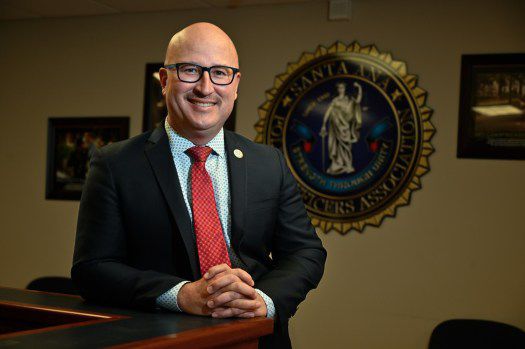
El presidente de la Asociación de Oficiales de Policía de Santa Ana (SAPOA), John Kachirisky.
SAPOA ha vuelto a revelar su estrategia en su cobarde intento de desacreditar a CSO-OC y a sus líderes, incluyendo a David Pulido: silenciar la disidencia, difamar a las víctimas y mentir para proteger la placa a toda costa. No se trata de defender a la policía ni de proteger la seguridad pública; se trata de poder, control y la defensa de un sistema que, con demasiada frecuencia, oculta las irregularidades tras un manto azul.
El momento y el tono del ataque de SAPOA son reveladores. Ocurre en un momento en que aumentan las demandas de rendición de cuentas por el asesinato de Noé Rodríguez, un hombre cuya vida fue arrebatada durante un enfrentamiento policial que amerita total transparencia y justicia. Familias como la de Noé han soportado durante mucho tiempo no solo el dolor psicológico de la pérdida, sino también la agonía adicional de ser ignoradas, tratadas con irrespeto y quizás incluso calumniadas por quienes ostentan la autoridad. La acción más reciente de SAPOA es un intento deliberado de intimidar a quienes exigen un cambio.
Photo by: The Orange County Reporter / Departamento de Policía de Santa Ana
Esta no es la primera vez que SAPOA ha señalado a organizadores comunitarios. Han intentado repetidamente silenciar a las autoridades municipales, engañar al público y socavar a los activistas. Sus afirmaciones están meticulosamente redactadas con la intención de difundir desinformación y desviar la responsabilidad, una estrategia que busca proteger a la organización en lugar de beneficiar a los residentes de Santa Ana.
Sin embargo, no nos dejaremos intimidar.
Apoyamos a CSO-OC. Apoyamos a las familias de las víctimas de la brutalidad policial. Y apoyamos a todos los ciudadanos de Santa Ana que creen que la verdadera seguridad pública no puede existir sin responsabilidad.
La alcaldesa de Santa Ana, Valerie Amezcua, es una de las principales partidarias de SAPOA, que financió parcial o totalmente su puesto como alcaldesa de Santa Ana.
Los funcionarios electos que dicen representar los intereses del pueblo deben dejar de actuar como sirvientes políticos de un sindicato que prioriza la autopreservación sobre la justicia, y el Ayuntamiento no debe permanecer en silencio. Se opondrán a las tácticas intimidatorias de SAPOA y abogarán por la transparencia, la supervisión independiente y un cambio real si realmente les importan los ciudadanos de Santa Ana.
Noé Rodríguez merece justicia por necesidad moral, no solo por exigencia. Mientras tanto, seguiremos luchando por una Santa Ana donde la seguridad se base en la protección contra la violencia, en lugar de la intimidación de quienes han jurado servir.
President John Kachirisky’s recent attack on Community Services Organization – Orange County (CSO-OC), headed by the Santa Ana Police Officers Association (SAPOA), is not just an attack on a grassroots organization; it is an attack on truth, justice, and the communities who dare to speak out against police violence.
Santa Ana Police Officers Association (SAPOA) President John Kachirisky’s.
SAPOA has once again revealed its playbook in its cowardly effort to discredit CSO-OC and its leaders, including David Pulido: silence dissent, smear victims, and lie to protect the badge at all costs. This is not about defending police or protecting public safety; this is about power, control, and upholding a system that, all too frequently, hides wrongdoing behind a wall of blue.
SAPOA’s attack’s timing and tone are revealing. It happens at a time when there are increasing demands for accountability in the killing of Noe Rodriguez, a man whose life was taken during a police encounter that warrants complete transparency and justice. Families like Noe’s have long endured not just the psychological pain of loss but also the additional agony of being ignored, treated with disrespect, and perhaps even slandered by those in positions of authority. The most recent action taken by SAPOA is a deliberate attempt to scare the very individuals who are calling for change.
Photo by The Orange County Reporter / Santa Ana Police Department.
This is not the first time community organizers have been singled out by SAPOA. They have repeatedly tried to silence city authorities, deceive the public, and undermine activists. Their claims are meticulously written with the intention of spreading misinformation and shifting responsibility, which is a strategy meant to safeguard the organization rather than benefit the residents of Santa Ana.
However, we will not be cowed.
We support CSO-OC. We support the families of those who have been victims of police brutality. And we support all citizens of Santa Ana who think that true public safety cannot exist without responsibility.
Santa Ana Mayor Valerie Amezcua is a Primary Supporter of SAPOA that partly or fully financed her seat as the Mayor of Santa Ana.
Elected officials who profess to represent the interests of the people must stop behaving as political servants to a union that prioritizes self-preservation over justice, and the City Council must not remain silent. They will stand up to SAPOA’s bullying tactics and advocate for transparency, independent oversight, and real change if they truly care about the citizens of Santa Ana.
Noe Rodriguez deserves justice as a matter of moral necessity rather than simply as a requirement. In the meanwhile, we will keep pushing for a Santa Ana where safety is about being protected from violence rather than being intimidated by those who have taken an oath to serve.
It’s time to stop. The truth will not be suppressed.
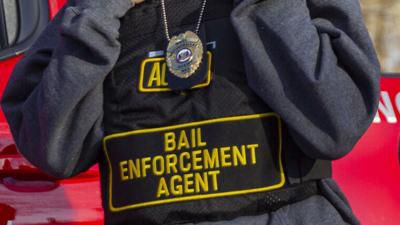
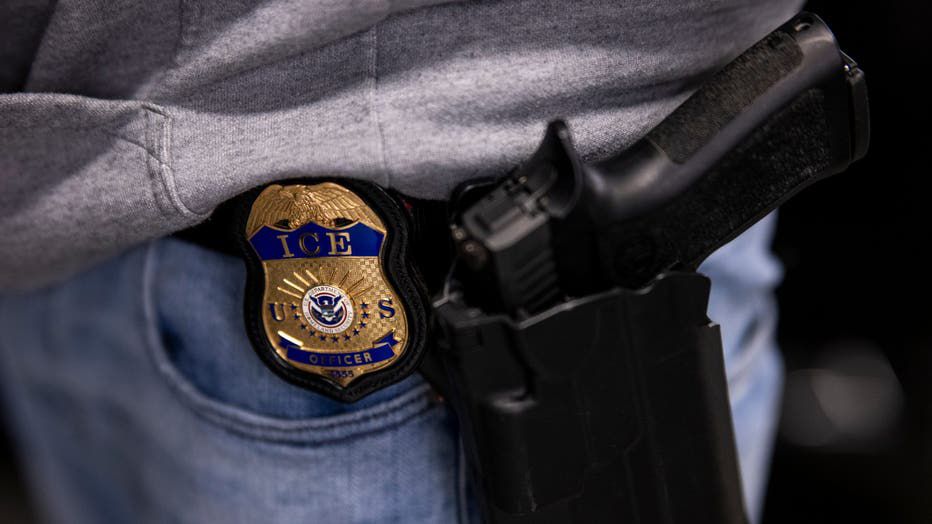
ICE Using Bail Enforcement Agents (Bounty Hunters) to do immigration raids in Orange County CA.
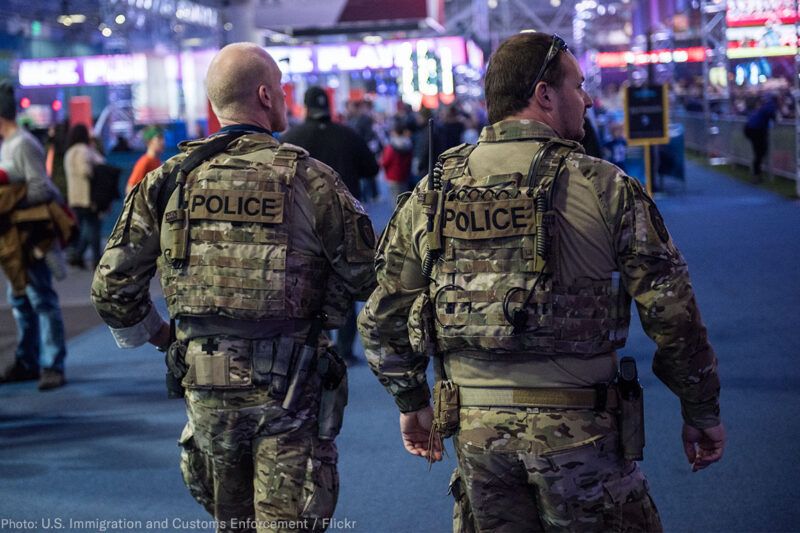
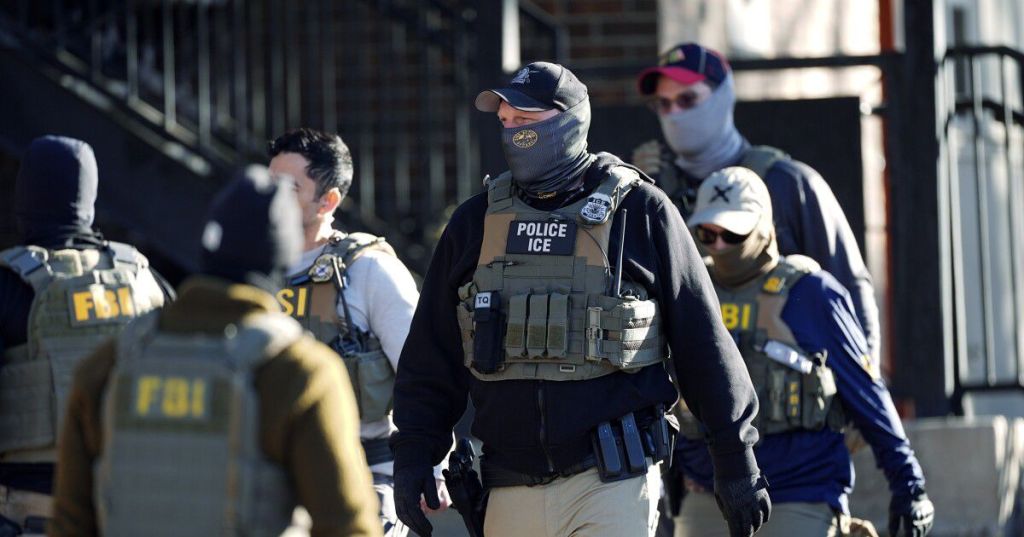
Although not in the manner that most people would expect, the Immigration and Customs Enforcement (ICE) has increased its activities in Orange County, California, of late. There have been reports of disguised ICE officers driving unmarked vehicles and posing as “bail enforcement agents” in order to break into homes. These practices have ethical, legal, and constitutional implications that require quick action.
At a moment when public faith in law enforcement is already waning, particularly in immigrant communities, these dishonest methods exacerbate public distrust and spread anxiety among individuals who are just trying to live their lives without the threat of deportation. Despite ICE’s history of employing divisive force to enforce federal immigration legislation, the use of covert methods typically reserved for fugitive investigations or high-risk criminal arrests should not be used indiscriminately against civil immigration offenses.
A troubling trend
According to neighborhood reports and eyewitness accounts, people come to houses claiming to be bail enforcement officials—sometimes without providing adequate proof of their identification or explaining the purpose of their visit. Some allege that they tricked residents in order to gain admission, but they only revealed their connection to ICE after they were inside. This deception has the potential to violate the legal restrictions governing search and seizure in addition to eroding residents’ trust.
The Fourth Amendment safeguards citizens against unlawful searches and seizures; in general, law enforcement must obtain a warrant before entering private homes. Nevertheless, it raises important concerns about whether constitutional rights are being violated in the pursuit of immigration enforcement objectives if officers deceive people about their motives or identity in order to gain entry.
Impact on Communities:
The economic, cultural, and social landscape of Orange County is significantly influenced by many of the diverse immigrant groups that live there. The secrecy and deception strategies used by ICE in enforcement actions contribute to a climate of uncertainty and fear. Parents are reluctant to enroll their children in school because they are afraid of running into federal immigration officers, workers are hesitant to go to work, and crime victims are wary of assisting local law enforcement.
This chilling impact puts pressure on ties between immigrant populations and local police, thereby undermining broader public safety measures. In addition, people who may have sought refuge from violence or persecution in their home countries are at risk of encountering new dangers in what they hoped would be a secure location.
supervisory and legal uncertainties
The growing use of veiled operatives and fake identities in enforcement operations indicates a concerning shift in strategy, even if ICE asserts that its agents are trained to follow stringent protocols. Serious questions arise about responsibility, monitoring, and openness if ICE mixes frontiers with bounty hunters or private enforcement officers.
The behavior of federal officials in residential settings should be carefully regulated, particularly while entering homes without obvious identification or court approval. Whether these actions comply with existing legal frameworks and whether the existing protections adequately protect civil liberties should be examined by Congress and oversight organizations.
The right and responsibility to seek answers lies with local authorities, immigrant advocacy groups, and concerned citizens. The heads of Orange County, California, Attorney General Rob Bonta, and members of Congress should call for a comprehensive investigation into these activities. If necessary to put an end to the misuse of deceptive law enforcement identities in civil immigration enforcement, legislation should be passed.
Communities should be aware of who is knocking at their doors and why. Law enforcement must function with transparency, respect for due process, and a focus on fostering trust rather than destroying it.
# Dressed as bail enforcement officers, masked ICE agents in Orange County set a dangerous example that puts the rights of everyone at risk, regardless of their immigration status, as well as the integrity of our judicial system. Strategies used to achieve enforcement outcomes that rely on deception and terror must be rejected by our community. True security is founded on justice, transparency, and respect for human dignity, not on fear.
Note:
A controversial bill moving through the Mississippi legislature would allow bounty hunters — also known as bail enforcement agents — to target individuals suspected of violating state-level immigration laws, raising alarm among civil rights advocates, immigrant communities, and legal experts.

House Bill 1484 proposes the creation of the so-called Mississippi Illegal Aliens Certified Bounty Hunter Program, which would certify licensed bail bond agents and surety recovery agents for purposes of finding and detaining anyone in the country illegally.
Các báo cáo về hoạt động của ICE tại Santa Ana, California, đã khơi lại các vấn đề về sự can thiệp quá mức của chính phủ, thiếu cởi mở và sự tham gia ngày càng tăng của các nhà thầu tư nhân trong các hoạt động thực thi pháp luật công. Mặc dù không liên quan trực tiếp đến các cuộc đột kích nhập cư cụ thể này, Haliburton, một công ty toàn cầu có lịch sử lâu đời làm việc cho chính phủ Hoa Kỳ, đã nêu ra những vấn đề đáng lo ngại về danh tính của những người phụ trách các cuộc đột kích này và động cơ khiến một số người tham gia che giấu danh tính của họ.
Sau những cáo buộc rằng các nhà lãnh đạo thành phố đã biết về các cuộc đột kích của ICE trước đó trong năm nay, Hội đồng thành phố Santa Ana gần đây đã thừa nhận những lo ngại về việc thực thi luật nhập cư. Những tuyên bố này cho thấy sự khó chịu ngày càng tăng trong số những cư dân cảm thấy họ đang bị nhắm mục tiêu một cách bất công theo luật nhập cư liên bang. Việc sử dụng danh tính ẩn và các hoạt động không xác định trong suốt các hành động thực thi chỉ khiến công chúng hoài nghi hơn và làm xói mòn lòng tin vào hệ thống.
Mặc dù Halliburton nổi tiếng nhất với các hợp đồng năng lượng và quốc phòng, chẳng hạn như các tương tác gây tranh cãi trong suốt Chiến tranh Iraq, nhưng công ty này không bị liên kết ngay lập tức với các hoạt động thực thi luật nhập cư. Nhưng có thể hiểu được tại sao một số người lại suy đoán về vai trò của nó khi tính ẩn danh trở thành đặc điểm của các hoạt động cảnh sát do lịch sử lâu dài của nó hoạt động dưới sự giám sát hạn chế của công chúng và mối quan hệ lâu dài với chính phủ Hoa Kỳ.
Nhân viên có thể bị buộc phải đeo khẩu trang trong các hoạt động của ICE vì lý do hoạt động hoặc an toàn, nhưng thông lệ này lại tạo ra ấn tượng về một quyền lực mờ ám, không được kiểm soát mà không có sự công khai hoặc trách nhiệm giải trình. Sự giám sát của đảng dân chủ là không thể khi mọi người không hiểu biết về những người ban hành luật. Mối quan ngại này trở nên tồi tệ hơn khi các nhà thầu tư nhân – những người báo cáo với hội đồng quản trị công ty chứ không phải công dân – được cho là tham gia vào việc thực thi pháp luật.
Mối quan tâm hàng đầu phải là sự công khai. Bất kể Halliburton hay nhà thầu nào khác đang hỗ trợ ICE, người dân Hoa Kỳ nên được thông báo về những người đang tiến hành các hoạt động này, những hệ thống giám sát nào đang được áp dụng và cách thức quyết định các chiến thuật thực thi pháp luật. Người dân Santa Ana và tất cả các cộng đồng bị ảnh hưởng bởi việc thực thi luật nhập cư nên nhận được câu trả lời, chứ không phải sự mơ hồ.
Những người giám sát và nhà lập pháp phải quyết định xem ranh giới giữa khu vực công và tư có trở nên quá mơ hồ trong các hoạt động địa phương quan trọng hay không và liệu các biện pháp bảo vệ hiện có có đủ để duy trì các quyền công dân hay không. Bất cứ điều gì ít hơn dân chủ đều nuôi dưỡng sự ngờ vực, sợ hãi và xung đột; mặt khác, dân chủ phát triển mạnh mẽ trong sự công khai.
En una ciudad reconocida por su dedicación a las poblaciones inmigrantes, la alcaldesa de Santa Ana, Valerie Amezcua, se encuentra en el centro de una creciente controversia que pone en duda su liderazgo y sus prioridades. En la reunión del Ayuntamiento del 6 de mayo de 2025, las declaraciones de la alcaldesa Amezcua indicaron un preocupante cambio de enfoque: parece más centrado en asegurar fondos federales y autoridad política que en proteger a las personas a quienes fue elegida para representar.
Santa Ana ha sido considerada una ciudad santuario durante muchos años, una postura basada en el principio de que todos los residentes, independientemente de su estatus migratorio, tienen derecho a servicios públicos, seguridad y respeto. Esta dedicación ha convertido a la ciudad en un refugio para muchos, especialmente en tiempos de incertidumbre en torno a las leyes de inmigración. Sin embargo, comentarios recientes de la alcaldesa Amezcua sugieren que este valor fundamental está ahora en riesgo, no por influencias externas, sino por parte de funcionarios del Ayuntamiento.
Durante la tensa reunión del consejo del 6 de mayo, Amezcua expresó su preocupación por la posible pérdida de financiación federal vinculada a las actividades policiales, enfatizando cómo esto podría afectar los recursos policiales y su propia posición. Si bien la gestión financiera es crucial, enmarcar la conversación en términos tan egocéntricos ha inquietado a la comunidad. Ha transmitido a muchos que la alcaldesa podría estar considerando comprometer la política de santuario de la ciudad, no por necesidad, sino por temor a perder autoridad, financiación y, en última instancia, control.
Este tipo de liderazgo, o la falta de él, es realmente preocupante. Las políticas de santuario representan más que simples símbolos; funcionan como protecciones cruciales. Al desalentar la colaboración con el Servicio de Inmigración y Control de Aduanas (ICE), estas políticas ayudan a las personas indocumentadas a sentirse seguras al denunciar delitos, acceder a ayuda de emergencia y participar en asuntos comunitarios. Desmantelar estas protecciones conllevaría repercusiones inmediatas y graves, especialmente para los segmentos más vulnerables de nuestra sociedad.
La aparente apertura de la alcaldesa a la hora de modificar la política de santuario de la ciudad sin una estrategia definida ni un acuerdo comunitario erosiona la confianza en el gobierno local. Los ciudadanos deberían tener líderes que defiendan sus principios ante los desafíos políticos, no aquellos que flaqueen ante dificultades financieras o presiones partidistas.
Además, el momento y la forma en que Amezcua pronunció sus comentarios fueron sumamente inapropiados. En un año caracterizado por la escalada del sentimiento antiinmigrante en todo el país, Santa Ana debería fortalecer, y no retroceder, su posición como ejemplo de gobierno inclusivo. En cambio, las declaraciones de la alcaldesa han generado confusión, miedo y división en un momento en que la solidaridad es urgentemente necesaria.
Instamos a la alcaldesa Amezcua a que aclare públicamente su postura y reafirme claramente su compromiso con los valores de santuario de Santa Ana. Si no puede hacerlo con sinceridad, quizás sea hora de que surja un nuevo liderazgo: un liderazgo que encarne los principios de compasión, valentía y comunidad que Santa Ana realmente merece.
Tengamos presente el propósito de las ciudades santuario: su propósito es preservar vidas, no desafiar el poder federal. La alcaldesa debe ser consciente de que sus responsabilidades incluyen garantizar la seguridad de las personas, más que simplemente obtener apoyo financiero. En este momento, los residentes de Santa Ana observan atentamente sus decisiones y el rumbo que tome.
In a city recognized for its dedication to immigrant populations, Mayor Valerie Amezcua of Santa Ana is at the heart of a rising controversy that casts doubt on her leadership and the priorities she holds. At the City Council meeting on May 6th, 2025, the remarks made by Mayor Amezcua indicated a disturbing shift in attention—one that seems more focused on securing federal funds and political authority rather than safeguarding the very individuals she was elected to represent.
Santa Ana has been esteemed as a sanctuary city for many years, a stance based on the principle that all residents—irrespective of their immigration status—are entitled to public services, safety, and respect. This dedication has turned the city into a haven for many, particularly during uncertain times surrounding immigration laws. However, recent comments from Mayor Amezcua imply that this core value is now at risk—not from outside influences, but from officials within City Hall.
During the tense council meeting on May 6th, Amezcua expressed worries about the possible loss of federal financing linked to law enforcement activities, emphasizing how it could affect police resources and her own position. While financial management is crucial, framing the conversation in such self-focused terms has unsettled the community. It has conveyed to many that the mayor may be contemplating compromising the city’s sanctuary policy—not out of necessity, but from apprehension—fear of losing authority, funding, and ultimately, control.
This type of leadership—or the lack thereof—is genuinely concerning. Sanctuary policies represent more than mere symbols; they function as critical protections. By discouraging collaboration with Immigration and Customs Enforcement (ICE), these policies help undocumented individuals feel secure when reporting crimes, accessing emergency aid, and engaging in community affairs. Dismantling those protections would lead to immediate and severe repercussions, especially for the most vulnerable segments of our society.
The mayor’s seemingly open approach to modifying the city’s sanctuary policy without a defined strategy or community agreement erodes trust in local governance. Citizens should have leaders who uphold principles amidst political challenges, not ones who falter when facing financial difficulties or partisan pressures.
Additionally, the timing and manner of Amezcua’s comments were highly inappropriate. In a year characterized by escalating anti-immigrant feelings across the country, Santa Ana should be strengthening—not stepping back from—its standing as an example of inclusive governance. Instead, the mayor’s statements have created confusion, fear, and division at a time when solidarity is urgently needed.
We urge Mayor Amezcua to clarify her stance publicly and clearly reaffirm her dedication to Santa Ana’s sanctuary values. If she is unable to do so sincerely, perhaps it is time for new leadership to emerge—leadership that embodies the principles of compassion, bravery, and community that Santa Ana truly deserves.
Let’s keep in mind the purpose of sanctuary cities: they are meant to preserve lives, not to challenge federal power. The mayor should be aware that her responsibilities involve ensuring the safety of individuals, rather than just obtaining financial support. At this moment, the residents of Santa Ana are closely observing her decisions and the direction she takes.
La muerte de Freddie Washington mientras se encontraba bajo custodia policial ha provocado una gran controversia, en particular en relación con la respuesta del Departamento de Policía de Santa Ana al incidente. Muchos se preguntan por qué el departamento no ha sido abierto respecto de información vital sobre la muerte de Washington, lo que ha llevado a sospechar de un posible encubrimiento.
Fredd
Es importante reconocer, en primer lugar, que Washington falleció mientras se encontraba bajo custodia de las fuerzas del orden en Santa Ana, California. La falta de transparencia sobre los hechos que precedieron a su muerte, junto con las declaraciones públicas incompletas o tardías del Departamento de Policía de Santa Ana, ha intensificado el escepticismo público. Los críticos sostienen que la vacilación del departamento a la hora de revelar detalles esenciales, como la causa de la muerte o detalles específicos sobre las circunstancias de su arresto, puede ser un intento de proteger a los agentes implicados de ser interrogados.
En situaciones de alto perfil como ésta, es frecuente que se produzcan encubrimientos, especialmente cuando las autoridades se enfrentan a posibles repercusiones jurídicas y políticas. A falta de una investigación exhaustiva y transparente, es imposible que el público conozca la verdad. En una época caracterizada por una desconfianza generalizada hacia las fuerzas del orden, sucesos como éste aumentan las preocupaciones en torno a la rendición de cuentas de la policía y la protección de los derechos de los ciudadanos.
Además, existen problemas sistémicos más amplios. En numerosos casos, los departamentos pueden intentar ocultar información para mantener su reputación, evadir demandas judiciales o evitar más discordia en la comunidad. Sin embargo, esa falta de rendición de cuentas no hace más que aumentar las tensiones y generar demandas de una mayor supervisión y reformas en las fuerzas del orden.
La prioridad ahora debe ser insistir en una investigación completa e independiente sobre la muerte de Freddie Washington. Solo con transparencia y rendición de cuentas se puede empezar a restablecer la confianza entre las fuerzas del orden y las comunidades a las que sirven. Hasta que eso ocurra, la nube de sospechas y la posibilidad de un encubrimiento persistirán, socavando la credibilidad del departamento de policía y perpetuando el ciclo de desconfianza pública.
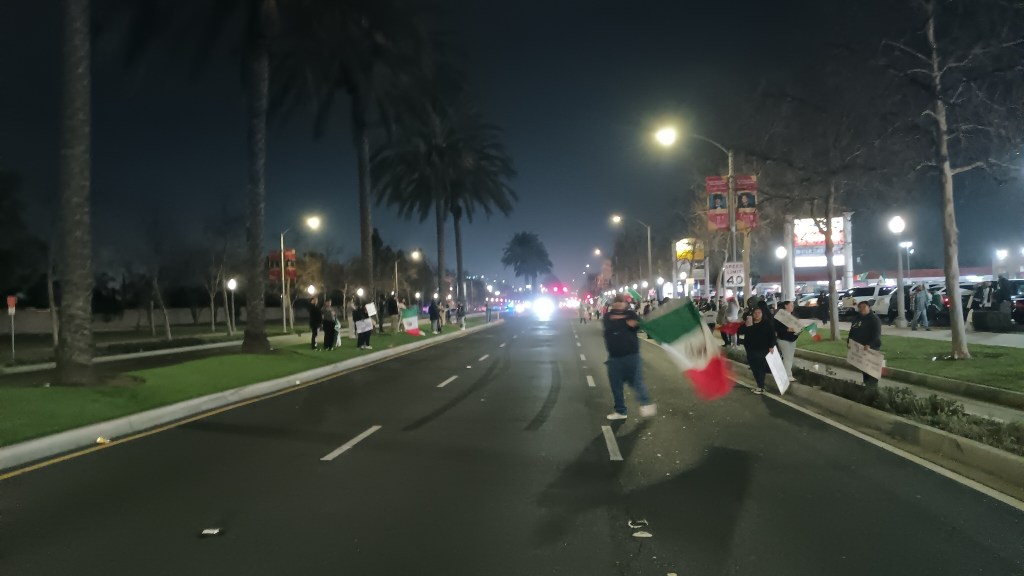
En los últimos días, Santa Ana, una ciudad ubicada en el condado de Orange, California, ha vivido extensas protestas pacíficas. Estas manifestaciones han sido impulsadas principalmente por la gran comunidad latina de la ciudad, que ha expresado una gran preocupación por múltiples cuestiones interconectadas.
Un tema clave en juego son las recientes políticas migratorias del presidente Donald Trump, especialmente sus propuestas de deportaciones masivas de inmigrantes indocumentados, incluidos aquellos sin antecedentes penales que se desempeñan como miembros diligentes y contribuyentes de la sociedad. El plan del gobierno de invocar la Ley de Enemigos Extranjeros de 1798 para acelerar las deportaciones ha intensificado estas preocupaciones.
Foto de: Igmar Rodas / The Orange County Reporter
Para agravar aún más el malestar local, hay informes que indican que la alcaldesa de Santa Ana, Valerie Amezcua, podría estar coordinando con el Servicio de Inmigración y Control de Aduanas (ICE) para ejecutar estas órdenes federales. Muchos perciben esta supuesta colaboración como una violación de la ley de ciudades santuario de Santa Ana de 2017, que se promulgó para proteger a las personas indocumentadas de las acciones federales de inmigración.
Las protestas se han caracterizado por su enfoque no violento, con manifestantes que abogan por la protección de los derechos de los inmigrantes y el cumplimiento de la ordenanza de ciudad santuario. Los líderes comunitarios y los defensores están promoviendo políticas que reconocen el papel de los inmigrantes indocumentados y buscan una reforma migratoria integral en lugar de acciones punitivas.
Foto de: Igmar Rodas / The Orange County Reporter
Estos sucesos en Santa Ana reflejan una conversación nacional más amplia sobre las políticas de inmigración y la participación de los gobiernos locales en su aplicación. A medida que la situación evoluciona, pone de relieve la discordia entre los mandatos federales y los principios comunitarios, en particular en áreas con grandes poblaciones de inmigrantes.
On any weekend night, the lively streets of downtown Santa Ana brim with excitement, yet beneath the vivid lights and booming bass of the nightclubs exists a more troubling aspect—one tainted by violence. As someone who has spent numerous evenings walking through these streets, I have observed firsthand the growing prevalence of fights erupting both within and outside the clubs. What’s equally concerning, however, is the sluggish and often insufficient reaction by the Santa Ana Police Department to these occurrences, prompting me to wonder if the safety of the community is genuinely a priority.
Within the nightclubs, the tension is tangible. The densely packed crowds, fueled by alcoholic drinks and drugs, foster an atmosphere ripe for conflict. A careless remark or a minor shove can swiftly escalate into a full-blown brawl. I have seen altercations ignite over insignificant issues—someone cutting in line at the bar, an intoxicated person inadvertently colliding with another, or even just an incorrect glance exchanged between two strangers. The ensuing chaos is consistently the same: people yelling, chairs and bottles flying, and bystanders hastily trying to dodge getting caught in the fray. However, it’s not only the fights that unsettle me. It’s the absence of action from club security, who appear more concerned about safeguarding their business than ensuring patron safety.
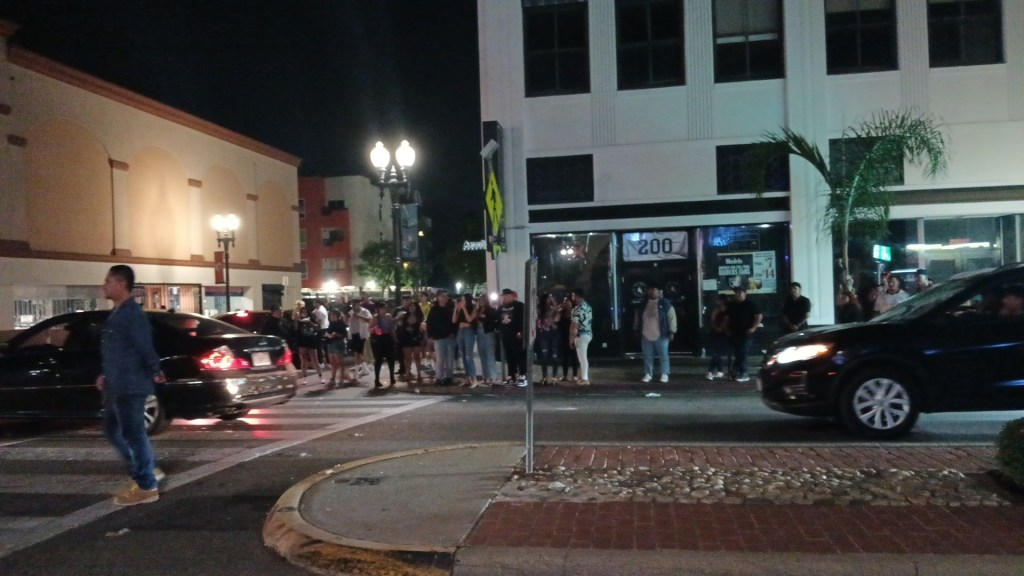
Photo: Igmar Rodas / Chaos erupts outside Next Round Bar & Grill in Downtown Santa Ana.
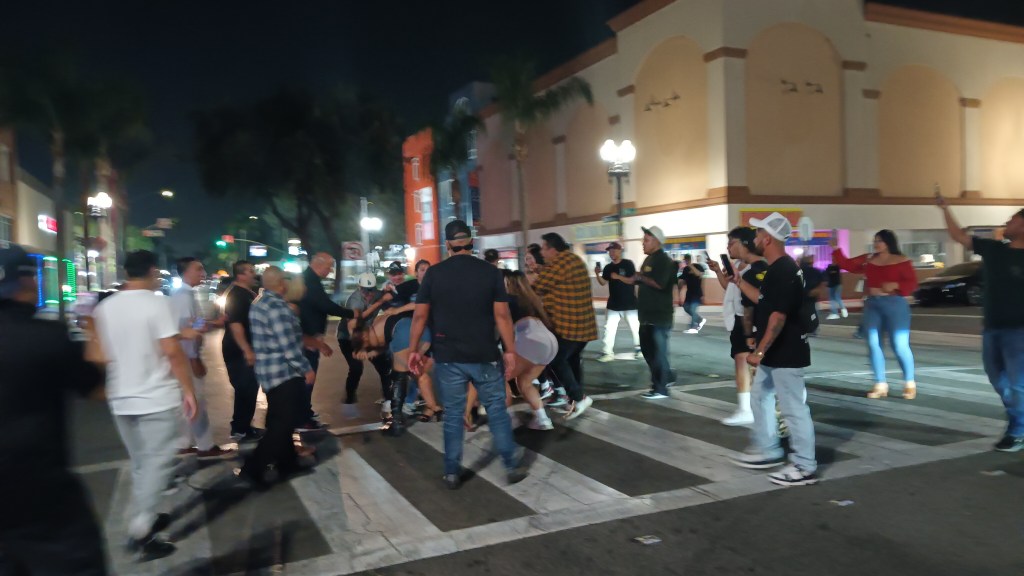
Yet even more alarming is what transpires when the brawls bleed out into the streets. The once-vibrant streets of downtown transform into battlegrounds, with individuals throwing punches, hurling slurs, and generating an overall sense of lawlessness. Just a few weeks ago, I watched in astonishment as a fight between two men escalated into a blockwide clash. People were yelling for assistance, yet the police were nowhere to be found. It wasn’t until several minutes later—an eternity in the midst of chaos—that officers arrived, and by that moment, the harm was done. Several individuals had already been harmed, and the offenders had vanished.
Photo: Igmar Rodas / Over 50 intoxicated people blocking traffic brawling in the middle of an intersection at 2nd and Broadway in Downtown Santa Ana.
The sluggish reaction from the Santa Ana Police Department is the elephant in the room. For a city that takes pride in cultivating a lively nightlife, it’s unacceptable that the police appear so ill-equipped to handle these frequent violent episodes. On numerous occasions, I have heard from both patrons and local business proprietors that they have reached out to the police for assistance, only to have officers arrive far too late. There’s a feeling of neglect, a sense that the police are either too short-staffed or simply too overwhelmed to adequately tackle the situation. The absence of prompt action often leaves those caught in the turmoil feeling deserted, while those accountable for the violence go unpunished.
This delayed reaction isn’t merely an inconvenience; it’s a critical safety issue. Each time an altercation occurs, there’s a potential for it to escalate—firearms, blades, or even worse could easily come into play, and the longer it takes for law enforcement to intervene, the more probable it is that circumstances will deteriorate. The streets of Santa Ana shouldn’t resemble a battleground after sunset. People ought to be able to enjoy an evening out without the anxiety of being caught up in or witnessing violence. And yet, repeatedly, we’re left questioning: where are the police when they are needed?
Photo: Igmar Rodas / Brawl still going with no Santa Ana Police Department presence, (I had to call 911 to get the Santa Ana Police Department to respond).
What is evident is that the situation necessitates action, and it must occur immediately. The Santa Ana Police Department ought to devise methods to enhance its response time to incidents within and surrounding the downtown area. An increase in officer deployment during peak times is essential, along with improved coordination with nightclub security to stop situations from escalating initially. Moreover, there ought to be a heightened focus on community policing, with officers establishing connections with local business owners and the public, so that when an altercation does occur, there’s already an element of trust that can speed up the response process.
As a resident and Independent Reporter to downtown Santa Ana, I desire to see it prosper. I want individuals to unite and relish the nightlife, without concerns for their safety. However, for that to materialize, the Santa Ana Police Department and the city must do more to guarantee that the fights inside and outside the nightclubs don’t continue to tarnish the reputation of this once-vibrant area. We require a quick, definitive response to violence, not just dealing with its consequences. The moment for action is now.











 The OC Reporter