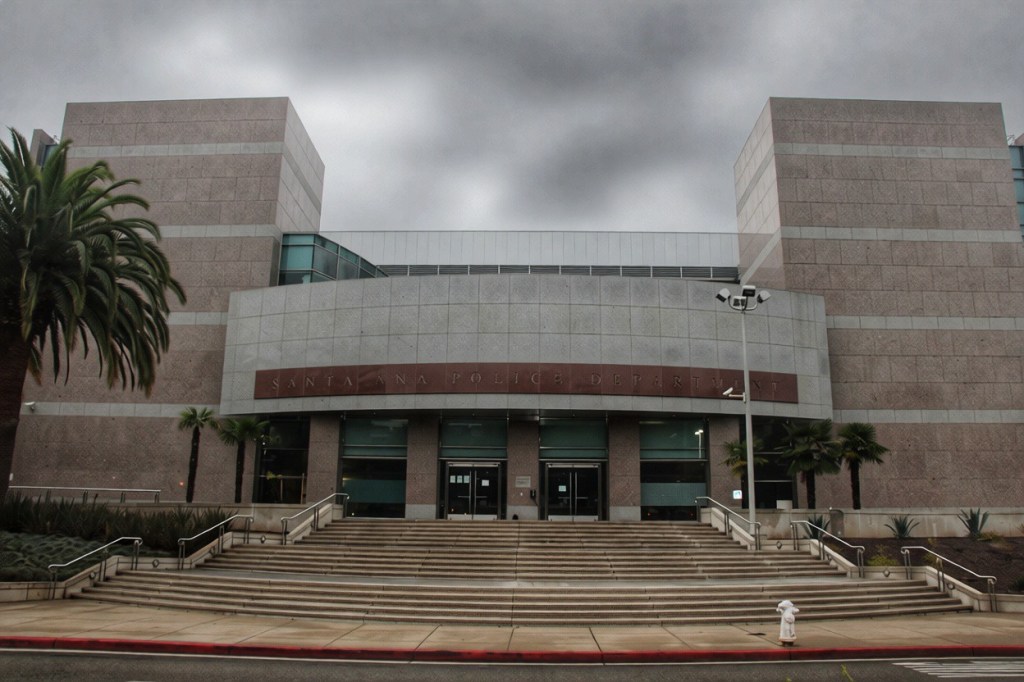
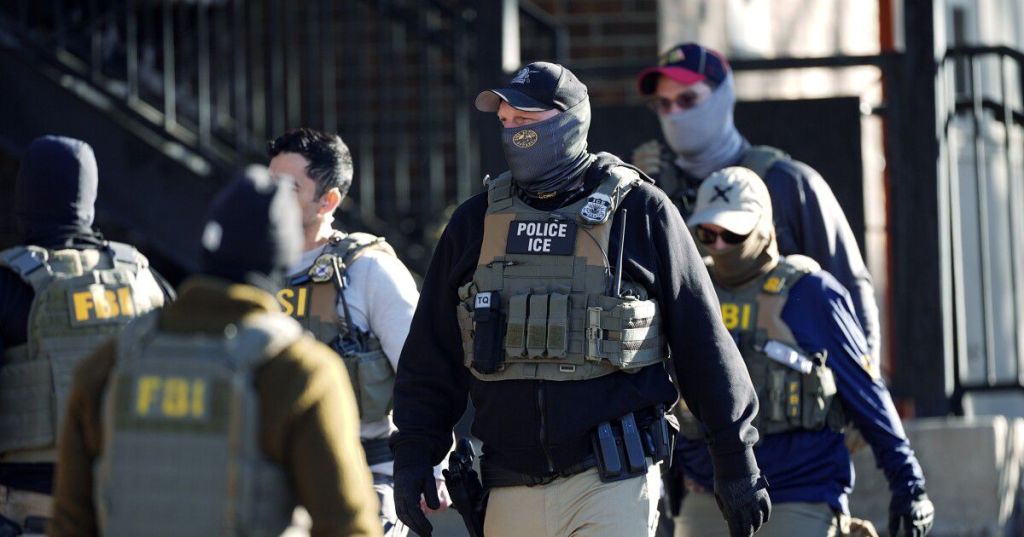
Editorial: Santa Ana debe dejar de ignorar a los terroristas cazarrecompensas que se hacen pasar por agentes de ICE.

Foto: The OC Reporter / Departamento de Policía de Santa Ana

A estas alturas ya no es un rumor; es un hecho documentado.

Hombres con placas falsas que se hacen pasar por funcionarios federales están aterrorizando hogares, asustando a jóvenes y destrozando familias en las calles de Santa Ana. No son agentes de ICE. Son cazarrecompensas independientes o contratistas que carecen de autoridad legal, constitucional y de derecho a estar en nuestras calles. Sin embargo, se aprovechan de nuestra ansiedad, desconcierto y del silencio de quienes juraron defendernos, actuando con total impunidad.

Estas personas no son agentes del orden. Son delincuentes. Suplantar la identidad de un agente federal es un delito grave tanto en California como a nivel federal. La entrada ilegal en propiedad ajena se define como el ingreso a una residencia sin permiso ni orden judicial. Utilizar amenazas de deportación para obtener favores o dinero de los residentes locales constituye coacción, y posiblemente secuestro. Además, según el artículo 837 del Código Penal de California, toda persona tiene el derecho —y la obligación— de realizar un arresto ciudadano al presenciar la comisión de tales delitos.

Entonces, ¿cuál es la razón de Santa Ana? ¿La policía se niega a actuar? No es por miedo al ICE. El problema no radica en la falta de conocimiento de la jurisdicción, sino en la negligencia. Es complicidad por inacción.

Foto de: The OC Reporter/ Impostores de ICE vistos en la 1.ª y Grand Ave.

A pesar de que el Ayuntamiento creó correctamente el fondo Ayuda Sin Fronteras, presentó solicitudes de acceso a la información pública, se sumó a demandas federales y recibió 50.000 dólares de apoyo de Sahuayo, México, nuestra policía sigue sin hacer nada mientras estos delincuentes andan sueltos. No están sobrecargados de trabajo ni confundidos. Simplemente deciden no aplicar la ley. Esto no es una discrepancia política. No es un debate sobre inmigración. Se trata de justicia fundamental.

Una madre no vive en una ciudad santuario si un hombre con una chaqueta negra llama a su puerta diciendo ser agente federal y ella se esconde en su cocina mientras la policía no hace nada cuando llama al 911. Está bajo asedio.

El alcalde Amezcua y el Ayuntamiento se han expresado extensamente sobre dignidad, justicia y derechos civiles. Ahora deben exigir que se tomen medidas. El Departamento de Policía de Santa Ana debe:

  • Utilice las leyes vigentes sobre arresto ciudadano y las leyes estatales contra la suplantación de identidad para capacitar de inmediato a los agentes en el reconocimiento y la detención de impostores que se hacen pasar por cazarrecompensas.
  • Identificar y denunciar públicamente a estos individuos como delincuentes, en lugar de como “socios en la aplicación de la ley”.
  • Establecer un equipo de respuesta rápida para investigar y registrar cada incidente reportado, y luego poner esta información a disposición del público en general.
  • Para procesar a los delincuentes reincidentes por cargos federales, trabaje con el FBI y el Departamento de Justicia.
  • Difundir imágenes, descripciones de vehículos y métodos conocidos a través de alertas comunitarias para informar a las familias sobre a quién temer y a quién detener.
Foto de: The OC Reporter/ Impostores de ICE vistos en Ross y Santa Ana Blvd.

El liderazgo moral de la ciudad no vale nada si su fuerza policial no defiende a sus ciudadanos de los criminales que se esconden tras la fachada del gobierno federal.

El aumento de $100,000 a Ayuda Sin Fronteras es algo que aplaudimos. Sin embargo, la tranquilidad de un niño que duerme sin ansiedad no se puede reemplazar con ninguna ayuda económica. El trauma de una intrusión domiciliaria por parte de un individuo con una placa falsa no se puede reparar con ninguna acción legal.

Gracias a Santa Ana, el mundo ha visto lo que es la valentía. Ahora debe demostrar lo que es la justicia mediante arrestos, no mediante comunicados de prensa.

Los cazarrecompensas no son agentes de inmigración, son delincuentes. Violan la ley. Además, nuestra policía debería empezar a tratarlos como tales.

— Los habitantes de Santa Ana merecen más que compasión. Merecen protección.

Editorial: When Security Guards Play Cop — The Dangerous Consequences and Who’s Responsible

Unidentified Security making an arrest of an individual for Allegedly Being Undocumented.

A disturbing video has surfaced showing a California security guard acting like a law enforcement officer, detaining an undocumented man outside a Home Depot and claiming he would call immigration authorities. In the footage, the man is held against his will while the so-called “guard” makes false claims of authority, threatening deportation and treating the individual like a criminal suspect — despite having no legal right to make such an arrest.

This isn’t just a case of overstepping — it’s a potential crime.

A Crime in Plain Sight

Under California law, kidnapping is defined as moving a person a substantial distance without their consent, through force or fear (Penal Code § 207). Even if the guard believed he was acting within his rights, intent doesn’t erase the act — and detaining someone without legal authority can constitute kidnapping.

Additionally, impersonating a peace officer is a misdemeanor punishable by up to one year in county jail and a fine of up to $10,000 (Penal Code § 538d). If this individual falsely claimed authority, flashed a badge, or otherwise led the detainee to believe he was a legitimate law enforcement officer, he may have committed multiple crimes.

And yet, no charges have been filed. The Bureau of Security and Investigative Services (BSIS), which regulates private security guards in California, has reportedly not been notified. No public statement has come from either the security company involved or from Home Depot, which employs the firm under contract.

Security Guard overstepping his Authority and Kidnapping this individual for Allegedly being undocumented.

Who Is Liable?

The question now becomes: Who is responsible for this abuse?

1. The Security Guard

At the very least, the individual guard should be investigated for:

  • Kidnapping
  • False imprisonment
  • Impersonation of an officer
  • Unauthorized arrest

If proven guilty, the consequences should include immediate revocation of his guard card by BSIS, criminal prosecution, and possible civil liability.

2. The Security Company

Security firms are legally responsible for the actions of their employees when those actions occur during the scope of employment. If this guard was on duty at a location contracted by the company (such as the Home Depot in question), then the company could be liable for:

  • Negligent hiring or training
  • Failure to supervise
  • Allowing unlawful conduct by its agents

Companies must ensure that their employees understand the limits of their authority — especially when it comes to detaining individuals suspected of immigration violations. Private security personnel do not have the power to arrest someone solely for being undocumented.

3. Home Depot

While not a law enforcement agency itself, Home Depot contracts with private security firms to provide services. While they may not be directly liable unless they encouraged or authorized illegal behavior, they still have a moral obligation to distance themselves from misconduct and demand accountability from their contractors.

They also have a responsibility to the public to ensure that the people patrolling their premises are trained, licensed, and operating within the law.

Home Depot Security Enforcement “Officer”

Where Is BSIS?

The fact that BSIS has not been alerted is deeply troubling. As the state agency charged with overseeing private security operations, BSIS must act swiftly when allegations of misconduct arise. That includes investigating incidents like this, suspending or revoking licenses where appropriate, and referring cases to local prosecutors when criminal activity is evident.

If BSIS fails to act, it sends a message that impersonating officers and illegally detaining people won’t carry consequences — a dangerous precedent in a state that prides itself on protecting civil liberties.

A Call for Justice

We cannot allow private security guards to play sheriff, especially when doing so puts vulnerable communities at risk. This incident is not isolated — similar stories have emerged across the country, often targeting immigrants who may not know their rights or fear retaliation if they speak out.

Local law enforcement agencies must also take note: if you witness a citizen being detained by someone claiming to be a federal agent or law enforcement officer, your duty is to verify identity and authority before allowing or assisting in any arrest. Failure to do so may make you complicit in a felony.

Conclusion

This incident demands action:

  • Prosecute the individual guard for potential crimes.
  • Hold the security company accountable for oversight failures.
  • Demand transparency from Home Depot.
  • Alert and involve BSIS immediately.

No one should live in fear of being detained or deported by someone wearing a badge they don’t deserve.

Enough is enough. It’s time for justice — not vigilante justice disguised as security.

Editorial: The use of masked bail enforcement officials by ICE during raids in Orange County raises worrying concerns about transparency and civil rights.

ICE Using Bail Enforcement Agents (Bounty Hunters) to do immigration raids in Orange County CA.

Although not in the manner that most people would expect, the Immigration and Customs Enforcement (ICE) has increased its activities in Orange County, California, of late. There have been reports of disguised ICE officers driving unmarked vehicles and posing as “bail enforcement agents” in order to break into homes. These practices have ethical, legal, and constitutional implications that require quick action.

At a moment when public faith in law enforcement is already waning, particularly in immigrant communities, these dishonest methods exacerbate public distrust and spread anxiety among individuals who are just trying to live their lives without the threat of deportation. Despite ICE’s history of employing divisive force to enforce federal immigration legislation, the use of covert methods typically reserved for fugitive investigations or high-risk criminal arrests should not be used indiscriminately against civil immigration offenses.

A troubling trend

According to neighborhood reports and eyewitness accounts, people come to houses claiming to be bail enforcement officials—sometimes without providing adequate proof of their identification or explaining the purpose of their visit. Some allege that they tricked residents in order to gain admission, but they only revealed their connection to ICE after they were inside. This deception has the potential to violate the legal restrictions governing search and seizure in addition to eroding residents’ trust.

The Fourth Amendment safeguards citizens against unlawful searches and seizures; in general, law enforcement must obtain a warrant before entering private homes. Nevertheless, it raises important concerns about whether constitutional rights are being violated in the pursuit of immigration enforcement objectives if officers deceive people about their motives or identity in order to gain entry.

Impact on Communities:

The economic, cultural, and social landscape of Orange County is significantly influenced by many of the diverse immigrant groups that live there. The secrecy and deception strategies used by ICE in enforcement actions contribute to a climate of uncertainty and fear. Parents are reluctant to enroll their children in school because they are afraid of running into federal immigration officers, workers are hesitant to go to work, and crime victims are wary of assisting local law enforcement.

This chilling impact puts pressure on ties between immigrant populations and local police, thereby undermining broader public safety measures. In addition, people who may have sought refuge from violence or persecution in their home countries are at risk of encountering new dangers in what they hoped would be a secure location.

supervisory and legal uncertainties

The growing use of veiled operatives and fake identities in enforcement operations indicates a concerning shift in strategy, even if ICE asserts that its agents are trained to follow stringent protocols. Serious questions arise about responsibility, monitoring, and openness if ICE mixes frontiers with bounty hunters or private enforcement officers.

The behavior of federal officials in residential settings should be carefully regulated, particularly while entering homes without obvious identification or court approval. Whether these actions comply with existing legal frameworks and whether the existing protections adequately protect civil liberties should be examined by Congress and oversight organizations.

The right and responsibility to seek answers lies with local authorities, immigrant advocacy groups, and concerned citizens. The heads of Orange County, California, Attorney General Rob Bonta, and members of Congress should call for a comprehensive investigation into these activities. If necessary to put an end to the misuse of deceptive law enforcement identities in civil immigration enforcement, legislation should be passed.

Communities should be aware of who is knocking at their doors and why. Law enforcement must function with transparency, respect for due process, and a focus on fostering trust rather than destroying it.

# Dressed as bail enforcement officers, masked ICE agents in Orange County set a dangerous example that puts the rights of everyone at risk, regardless of their immigration status, as well as the integrity of our judicial system. Strategies used to achieve enforcement outcomes that rely on deception and terror must be rejected by our community. True security is founded on justice, transparency, and respect for human dignity, not on fear.

Note:

A controversial bill moving through the Mississippi legislature would allow bounty hunters — also known as bail enforcement agents — to target individuals suspected of violating state-level immigration laws, raising alarm among civil rights advocates, immigrant communities, and legal experts.

House Bill 1484 proposes the creation of the so-called Mississippi Illegal Aliens Certified Bounty Hunter Program, which would certify licensed bail bond agents and surety recovery agents for purposes of finding and detaining anyone in the country illegally.

House Bill 1484 PDF

Click to access HB1484IN.pdf

Editorial: Las redadas de ICE en Santa Ana y la sombra del poder enfatizan la transparencia.

Los informes sobre las operaciones de ICE en Santa Ana, California, han reavivado los problemas de extralimitación gubernamental, falta de transparencia y la creciente participación de contratistas privados en las actividades de aplicación de la ley. Aunque no está directamente relacionada con estas redadas de inmigración en particular, Haliburton, una firma internacional con una larga trayectoria trabajando para el gobierno de Estados Unidos, plantea cuestiones inquietantes sobre la identidad de los responsables y la motivación de algunos de los participantes para ocultar su identidad.

Tras las acusaciones de que los líderes de la ciudad estaban al tanto de redadas previas de ICE este año, el Ayuntamiento de Santa Ana reconoció recientemente su preocupación por la aplicación de la ley migratoria. Estas declaraciones sugieren un creciente malestar entre los habitantes, que se sienten injustamente perseguidos por la legislación federal de inmigración. El uso de identidades ocultas y agentes desconocidos en las acciones de aplicación de la ley simplemente aumenta el escepticismo del público y erosiona la confianza en el sistema.

Aunque Halliburton es más conocida por sus contratos de energía y defensa, como sus polémicas interacciones durante la guerra de Irak, no se la ha vinculado inmediatamente con actividades de control migratorio. Sin embargo, es comprensible que algunos especulen sobre su papel cuando el anonimato se convierte en una característica de las operaciones policiales, dado su largo historial de operar bajo escasa supervisión pública y sus antiguos vínculos con el gobierno estadounidense.

El personal puede estar obligado a usar mascarillas durante las actividades del ICE por razones operativas o de seguridad, pero esta práctica alimenta la impresión de un poder opaco, sin control, sin transparencia ni rendición de cuentas. La supervisión democrática es imposible cuando se desconoce quiénes promulgan las leyes. Esta preocupación se agrava cuando se cree que contratistas privados —que reportan a las juntas directivas corporativas en lugar de a los ciudadanos— participan en la aplicación de la ley.

La principal preocupación debería ser la transparencia. Sea cual sea Halliburton u otro contratista que asista al ICE, el pueblo estadounidense debe estar informado de quién lleva a cabo estas operaciones, qué sistemas de vigilancia existen y cómo se deciden las tácticas de aplicación de la ley. Los habitantes de Santa Ana y todas las comunidades afectadas por la aplicación de las leyes migratorias deben recibir respuestas, no ambigüedades.

Los organismos de control y los legisladores deben decidir si los límites entre los sectores público y privado se están volviendo demasiado difusos en actividades locales importantes y si las protecciones existentes son suficientes para defender los derechos civiles. Cualquier cosa que no sea democracia fomenta la desconfianza, el miedo y el conflicto; por otro lado, la democracia prospera abiertamente.

Editorial: El racismo persistente en Huntington Beach: desde la violencia contra los inmigrantes hasta el simbolismo MAGA

Huntington Beach, CA: Apoyando a MAGA colocando una placa en la biblioteca principal de Huntington Beach.


Huntington Beach, California, siempre ha tenido la reputación de ser un centro de política reaccionaria y eventos con carga racial. Desde enfrentamientos agresivos dirigidos a los inmigrantes hasta manifestaciones en apoyo del nacionalismo blanco, la ciudad ha atraído constantemente la atención por todas las razones inapropiadas. Ahora, en otro ejemplo más de sus desafíos raciales arraigados, el Ayuntamiento de Huntington Beach ha decidido respaldar una placa con la temática MAGA, una decisión que solidifica aún más la posición de la ciudad como bastión de las creencias de extrema derecha.


En el centro de la disputa está la concejal y comisionada de finanzas Gracey Van Der Mark, quien actualmente enfrenta Reacciónes Negativas por comentarios racistas que publicó en línea. En un video de YouTube, Van Der Mark describió a las personas negras como “gente de color”, un término históricamente vinculado con la segregación de la era de Jim Crow y la discriminación racial. Aunque sus partidarios pueden intentar minimizar sus declaraciones, su historial indica un patrón de prejuicio en lugar de un error singular.


 Van Der Mark está familiarizada con la controversia. Anteriormente se la ha asociado con opiniones extremistas, incluida su participación en eventos vinculados a organizaciones nacionalistas blancas. Su ascenso en la política de Huntington Beach simboliza la creciente alineación de la ciudad con ideologías de extrema derecha, donde el lenguaje racista y las medidas excluyentes se normalizan en lugar de denunciarse.


El respaldo a la placa MAGA es más que un símbolo: representa una declaración de intenciones. Indica que el liderazgo de Huntington Beach favorece las cuestiones de guerra cultural por sobre la inclusión y el progreso. Para numerosos inmigrantes, personas de color y grupos marginados que residen en la ciudad, sirve como otro recordatorio de que no son bienvenidos.


Huntington Beach se enfrenta a una decisión: continuar por el camino de la división y la hostilidad racial, o tomar medidas significativas para enfrentar su legado de exclusión y discriminación. La acción inicial debe incluir responsabilizar a individuos como Van Der Mark, rechazar el simbolismo racialmente insensible y comprometerse con políticas que celebren la diversidad en lugar de demonizarla.  Hasta que eso ocurra, Huntington Beach seguirá siendo lo que ha sido durante mucho tiempo: una ciudad que se aferra a una historia de amargura racial, en lugar de aspirar a un futuro de igualdad.

Editorial: Santa Ana Mayor Valerie Amezcua Collaborating with ICE to Deport Santa Ana Residents? – A Breach of Trust in a Sanctuary City

Arrest of a person by ICE Agents on January 8th 2025 and Mayor Amezcua in Silence in the Sanctuary city of Santa Ana.

Santa Ana, a lively and diverse community that has historically taken pride in safeguarding immigrant families, is undergoing a concerning transformation. Under Mayor Valerie Amezcua’s direction, recent information has emerged indicating that the mayor’s office is collaborating with U. S. Immigration and Customs Enforcement (ICE) to deport residents. This has ignited a backlash from residents, activists, and community leaders who view this as a blatant contradiction to the city’s longstanding identity as a sanctuary city.

Santa Ana officially established its sanctuary status in 2017, offering vital protections for immigrants by limiting local law enforcement cooperation with federal immigration agencies. The aim was unequivocal: to foster a safe atmosphere for all residents, irrespective of their immigration status. Immigrant communities in Santa Ana have established their lives here, enriching the cultural, economic, and social landscape of the city. For many, the sanctuary label signified that they could exist with enhanced security, without the constant dread of deportation.

However, the recent revelations have overshadowed this feeling of safety and reliability. If Mayor Amezcua is indeed cooperating with ICE to facilitate deportations, it undermines the very tenets that Santa Ana’s sanctuary designation was intended to support. It not only breaches the trust of the immigrant community but also communicates that the city might be willing to work alongside federal authorities in ways that contradict its own laws and principles. This dilemma is not solely about one person; it mirrors a broader concern that impacts countless families. Deportations are not just statistics—they signify real individuals, mothers, fathers, sons, and daughters who face the possibility of being separated from their homes and communities. These individuals contribute to the city’s economy, participate in local educational institutions, and are vital members of the Santa Ana community.

If confirmed, Mayor Amezcua’s actions raise significant alarms. They jeopardize the trust that the city has diligently cultivated with its immigrant inhabitants. As a sanctuary city, Santa Ana ought to embody a symbol of safety and inclusion, not a location where immigrants dread deportation at the hands of local law enforcement. The city has always celebrated its progressive ideals, and this apparent policy shift represents a regression in the pursuit of immigrant rights and justice. The residents of Santa Ana are entitled to more. They warrant transparency from their elected officials and the reassurance that their city will continuously serve as a refuge, not a battleground for federal immigration enforcement. If the mayor persists in her collaboration with ICE, it is essential for the community to hold her accountable and demand a return to the principles that have established Santa Ana as a sanctuary city.

Ultimately, the residents of Santa Ana deserve to live free from the anxiety of deportation. If Mayor Amezcua is collaborating with ICE to remove local inhabitants, it is essential for her to reconsider this strategy and recognize that the sanctuary status of Santa Ana ought to be respected, not violated. It is time for our leaders to prioritize the needs of the community and strive for policies that safeguard, rather than penalize, the individuals who consider Santa Ana their home.

Editorial: La alcaldesa de Santa Ana, Valerie Amezcua, colabora con el ICE para deportar a los residentes de Santa Ana?: una violación de la confianza en una ciudad santuario

Arresto de una persona por agentes de ICE el 8 de enero de 2025 y el alcalde Amezcua en silencio en la ciudad santuario de Santa Ana.


Santa Ana, una comunidad vivaz y diversa que históricamente se ha enorgullecido de proteger a las familias inmigrantes, está atravesando una transformación preocupante. Bajo la dirección de la alcaldesa Valerie Amezcua, ha surgido información reciente que indica que la oficina del alcalde está colaborando con el Servicio de Inmigración y Control de Aduanas de los Estados Unidos (ICE) para deportar a los residentes. Esto ha provocado una reacción negativa de los residentes, activistas y líderes comunitarios que ven esto como una contradicción flagrante con la identidad de larga data de la ciudad como ciudad santuario.


Santa Ana estableció oficialmente su estatus de santuario en 2017, ofreciendo protecciones vitales para los inmigrantes al limitar la cooperación de las fuerzas del orden locales con las agencias federales de inmigración. El objetivo era inequívoco: fomentar una atmósfera segura para todos los residentes, independientemente de su estatus migratorio. Las comunidades inmigrantes en Santa Ana han establecido sus vidas aquí, enriqueciendo el panorama cultural, económico y social de la ciudad. Para muchos, la etiqueta de santuario significaba que podían vivir con mayor seguridad, sin el temor constante de la deportación.


Sin embargo, las recientes revelaciones han eclipsado esta sensación de seguridad y fiabilidad. Si el alcalde Amezcua está realmente cooperando con el ICE para facilitar las deportaciones, socava los principios mismos que la designación de santuario de Santa Ana pretendía respaldar. No solo viola la confianza de la comunidad inmigrante, sino que también comunica que la ciudad podría estar dispuesta a trabajar junto con las autoridades federales de maneras que contradicen sus propias leyes y principios. Este dilema no se trata únicamente de una persona; refleja una preocupación más amplia que afecta a innumerables familias. Las deportaciones no son solo estadísticas: significan individuos reales, madres, padres, hijos e hijas que enfrentan la posibilidad de ser separados de sus hogares y comunidades. Estas personas contribuyen a la economía de la ciudad, participan en instituciones educativas locales y son miembros vitales de la comunidad de Santa Ana.


Si se confirma, las acciones del alcalde Amezcua generan importantes alarmas. Ponen en peligro la confianza que la ciudad ha cultivado diligentemente con sus habitantes inmigrantes. Como ciudad santuario, Santa Ana debería encarnar un símbolo de seguridad e inclusión, no un lugar donde los inmigrantes teman la deportación a manos de las fuerzas del orden locales. La ciudad siempre ha celebrado sus ideales progresistas, y este aparente cambio de política representa una regresión en la búsqueda de los derechos y la justicia de los inmigrantes. Los residentes de Santa Ana tienen derecho a más. Se merecen transparencia de sus funcionarios electos y la seguridad de que su ciudad servirá continuamente como refugio, no como campo de batalla para la aplicación de las leyes federales de inmigración. Si la alcaldesa persiste en su colaboración con el ICE, es esencial que la comunidad la haga responsable y exija un retorno a los principios que han establecido a Santa Ana como ciudad santuario.


En última instancia, los residentes de Santa Ana merecen vivir libres de la ansiedad de la deportación. Si la alcaldesa Amezcua está colaborando con el ICE para expulsar a los habitantes locales, es esencial que reconsidere esta estrategia y reconozca que el estatus de santuario de Santa Ana debe ser respetado, no violado. Es hora de que nuestros líderes prioricen las necesidades de la comunidad y luchen por políticas que protejan, en lugar de penalizar, a las personas que consideran a Santa Ana su hogar.