Editorial: Santa Ana’s Homelessness Crisis Demands Urgent, Compassionate Action

Santa Ana Homeless Population is Increasing.

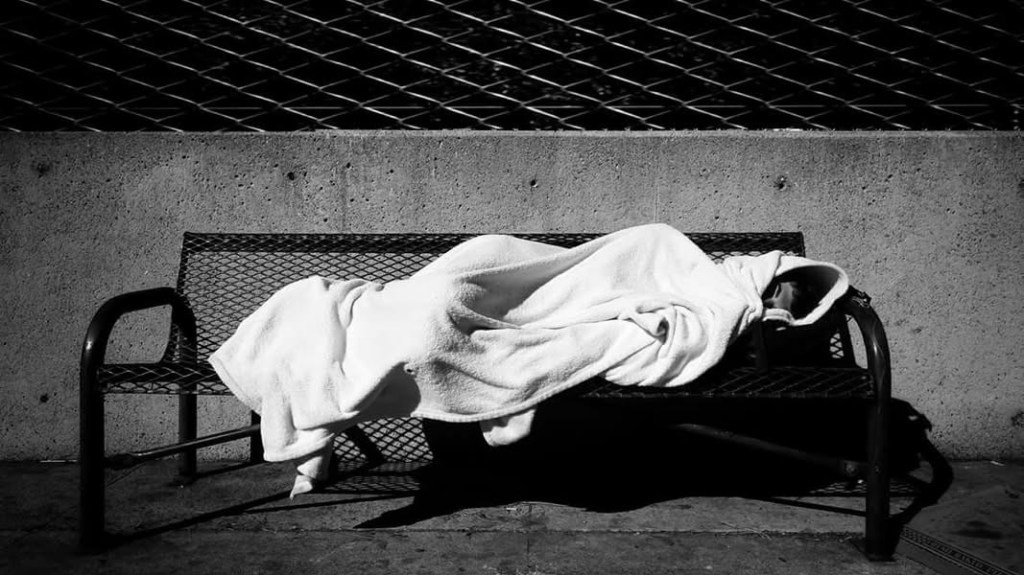
According to the most recent Orange County Point-in-Time (PIT) Count data, the number of people experiencing homelessness in Santa Ana rose from 1,298 in 2023 to 1,520 in 2024—an increase of approximately 17% in just one year. Countywide, the numbers tell a similarly troubling story: homelessness grew from 7,392 to 8,299 individuals over the same period.

These figures are more than statistics—they represent human beings living without the basic dignity of safe, stable shelter. The PIT Count, conducted each January by the Orange County Continuum of Care in accordance with U.S. Department of Housing and Urban Development (HUD) guidelines, offers only a snapshot of a complex and evolving crisis. Yet even this conservative estimate underscores a clear and worsening trend.

The Courtyard Homeless Shelter was closed and the homeless displaced.

Santa Ana, as Orange County’s second-largest city and a historic hub of community and culture, faces mounting pressure to respond with both urgency and empathy. While local officials have taken steps—such as expanding shelter capacity, launching outreach teams, and investing in affordable housing—the scale of need continues to outpace available resources.

The root causes of homelessness are multifaceted: soaring housing costs, stagnant wages, mental health challenges, and systemic inequities. No single policy or program can solve them alone. What’s needed is a coordinated, sustained effort that combines immediate humanitarian support with long-term structural solutions—rental assistance, supportive housing, behavioral health services, and prevention strategies that keep people from falling into homelessness in the first place.

As the 2025 PIT Count approaches, the community must ask: Will we accept a future where more of our neighbors sleep on sidewalks and in parks? Or will we choose bold, compassionate action that affirms the value of every resident?

The data is clear. The time to act is now.

Editorial: Safety on the Santa Ana River Trail — A Community Concern

Photo by: The Orange County Reporter / Shooting At The 17th Street Bridge at the Santa Ana River Trail. Heavy Santa Ana Police Department Investigating Shooting.

Over the past three months, a troubling pattern has emerged along the Santa Ana River Trail. As of last night—July 10, 2025—there have been multiple shootings near the 17th Street Bridge in Santa Ana, raising serious concerns about public safety on one of the city’s most popular recreational paths.

The Santa Ana River Trail is more than just a bike path—it’s a vital artery for commuters, fitness enthusiasts, and families looking to enjoy a peaceful stretch of nature within an urban environment. But with recent incidents concentrated in the evening hours, many residents are asking: How safe is it really to use the trail after dark?

A Pattern of Violence

While crime can occur anywhere, the frequency of shootings near the 17th St. Bridge over the past 90 days suggests a troubling hotspot. These incidents not only endanger those using the trail but also cast a shadow over the sense of security that should accompany outdoor recreation.

Most of the crimes reported occurred during twilight or nighttime hours, prompting understandable concern among joggers, cyclists, and pedestrians who rely on the trail for exercise and transportation. The question now isn’t just whether these crimes are isolated events—but whether they signal a broader issue that demands immediate attention.

Where Is Law Enforcement?

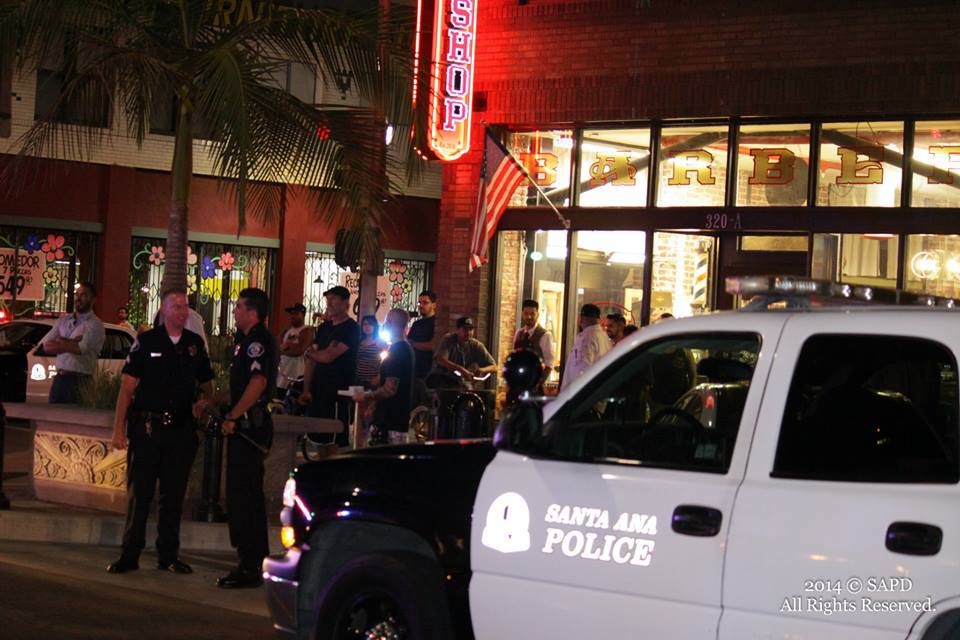
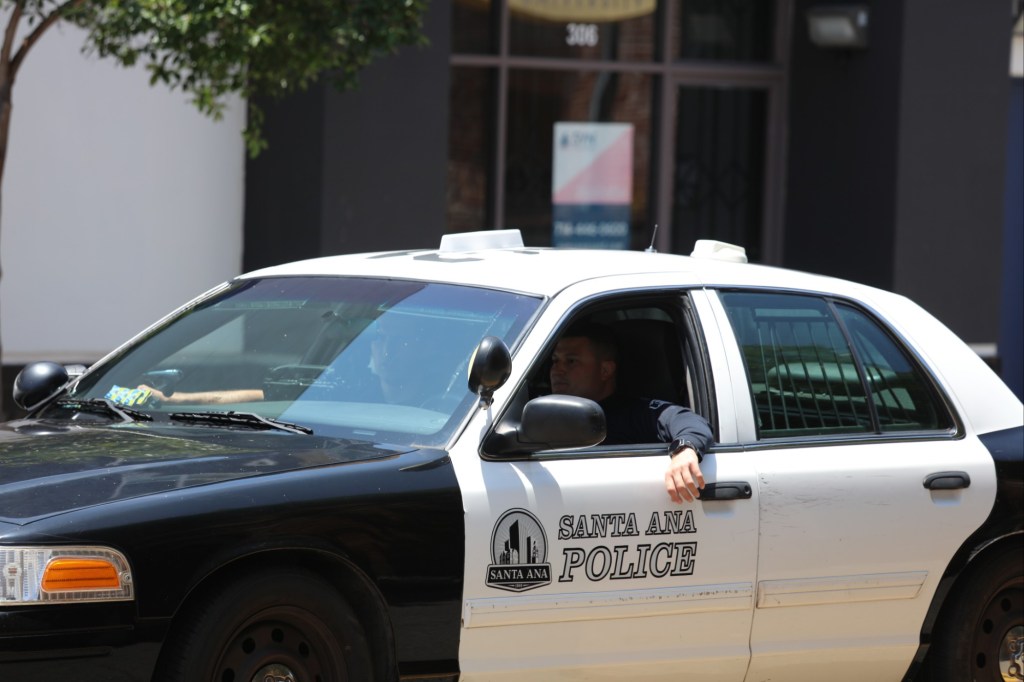
Many residents are also questioning the presence and effectiveness of patrols by the Santa Ana Police Department (SAPD) along the river trail within city limits. While SAPD does conduct regular patrols in the area, the recent spate of violence raises concerns about whether current efforts are sufficient to deter criminal activity.

We urge SAPD to provide transparency regarding their patrol schedules and strategies for securing this critical public space. Increased visibility—particularly during high-risk hours—could go a long way toward restoring community confidence and preventing further incidents.

Additionally, coordination with neighboring agencies such as the Orange County Sheriff’s Department and Anaheim PD may be necessary, as the river trail spans multiple jurisdictions. A unified approach could enhance safety and ensure consistent enforcement across the entire corridor.

What Can Be Done?

Community engagement must also play a role in improving safety. Encouraging trail users to report suspicious behavior, increasing lighting in high-traffic areas, and installing emergency call boxes near known trouble spots could make a meaningful difference.

Local advocacy groups, neighborhood associations, and city officials should come together to evaluate the situation and develop a comprehensive safety plan. This includes not only law enforcement measures but also outreach to at-risk youth and support for community-based interventions that address the root causes of violence.

Final Thoughts

The Santa Ana River Trail should be a place of connection, wellness, and community—not fear. While we acknowledge the challenges law enforcement faces in maintaining safety across a sprawling city, the recent shootings demand a stronger, more visible response.

Residents deserve to walk, bike, and commute safely. City leaders and police officials must act swiftly to ensure that the trail remains a source of pride and enjoyment, not anxiety and danger.

It’s time for action—for accountability, for awareness, and above all, for safety.


Call to Action:
We encourage all concerned residents to attend the next Santa Ana City Council meeting and voice their concerns. We also urge the SAPD to issue a public statement outlining their plans for enhancing safety on the Santa Ana River Trail.

Editorial: Crisis de liderazgo de la alcaldesa de Santa Ana, Valerie Amezcua, y complicidad del Departamento de Policía de Santa Ana y los imitadores de ICE (cazadores de recompensas).

Departamento de Policía de Santa Ana

Las calles de Santa Ana se han convertido en un campo de batalla por los derechos humanos fundamentales, donde los residentes viven con miedo, no de los delincuentes, sino de los cazarrecompensas armados que operan con alarmante impunidad. El silencio de la alcaldesa Valerie Amezcua y la complicidad del Departamento de Policía de Santa Ana (SAPD) al permitir estos secuestros violentos no solo es preocupante, sino también inaceptable.

El martes 1 de julio de 2025, surgieron múltiples informes de secuestros descarados llevados a cabo por cazarrecompensas en Main St., Warner Ave. y Edinger Ave. Los testigos describieron escenas que serían más propias de una zona de guerra que de una ciudad de EE. UU.: individuos armados agarrando a la gente en la calle, apuntando rifles de asalto, incluidas armas tipo AK-47, a civiles aterrorizados y desapareciendo con sus víctimas mientras las fuerzas del orden se quedaban de brazos cruzados sin hacer nada.

Reflexionen sobre esto: la policía no respondió. A plena luz del día, frente a agentes del Departamento de Policía de San Diego (SAPD), cazarrecompensas —agentes privados sin autoridad legal— cometieron secuestros e intimidación. Esto no es justicia. Esto no es seguridad. Es una abdicación del deber por parte de quienes juraron proteger al público.

La alcaldesa Valerie Amezcua no ha hecho declaraciones públicas, ni ha dado conferencias de prensa, ni ha reconocido la creciente crisis. ¿Dónde está su voz? ¿Dónde está su liderazgo? Si la alcaldesa no puede, o no quiere, defender la seguridad y la dignidad de los residentes de Santa Ana, no tiene derecho a dirigir esta ciudad.

Los cazarrecompensas no son agentes del orden. No operan bajo los mismos estándares de supervisión, entrenamiento ni rendición de cuentas. Sin embargo, aquí en Santa Ana, actúan como si llevaran placas: amenazan, detienen e incluso secuestran a personas sin consecuencias. Y el Departamento de Policía de Santa Ana (SAPD), en lugar de intervenir para detener estos delitos, parece estar protegiéndolos.

Esto plantea serias preguntas: ¿Qué tipo de relación existe entre el SAPD y estos cazarrecompensas? ¿Estamos presenciando una colusión? ¿Existe un acuerdo informal que permite a actores corruptos imponer su propia justicia mientras se ignora la verdadera?

Los residentes de Santa Ana merecen algo mejor. Merecen un alcalde que los proteja, no que los ponga en riesgo. Merecen un departamento de policía que sirva y proteja, no que permita la violencia y las desapariciones.

Si la alcaldesa Amezcua sigue guardando silencio mientras los cazarrecompensas aterrorizan nuestros barrios, entonces sí, debería ser destituida. Su inacción no es neutral; es peligrosa. Envía el mensaje de que algunas vidas no importan, que la violencia es tolerable y que la rendición de cuentas es opcional.

Y al SAPD: su juramento fue proteger al pueblo. Al cruzarse de brazos y permitir que hombres armados secuestraran ciudadanos en la calle, rompieron ese juramento.

Exigimos al alcalde Amezcua que se dirija de inmediato al público, emita una postura clara contra estos secuestros ilegales y exija transparencia al Departamento de Policía de Santa Ana (SAPD). Exigimos una investigación independiente sobre los sucesos del 1 de julio y el patrón general de actividad de cazarrecompensas en nuestra ciudad.

Ya basta. Los residentes de Santa Ana no deberían vivir con el temor de ser secuestrados por desconocidos armados mientras nuestros líderes hacen la vista gorda. Si no exigimos responsabilidades a nuestros funcionarios ahora, corremos el riesgo de perder la poca confianza que queda en nuestras instituciones y de poner vidas en mayor riesgo.

Es hora de actuar. Es hora de hacer justicia. Es hora de proteger a Santa Ana.

Editorial: A Crisis of Leadership of Santa Ana Mayor Valerie Amezcua and Complicity of The Santa Ana Police Department and The ICE Impersonators (Bounty Hunters).

Santa Ana Police Department

The streets of Santa Ana have become a battleground for basic human rights, where residents live in fear—not from criminals, but from armed bounty hunters operating with alarming impunity. The silence from Mayor Valerie Amezcua and the complicity of the Santa Ana Police Department (SAPD) in allowing these violent kidnappings to occur is not just troubling—it is unacceptable.

On Tuesday, July 1st, 2025, multiple reports emerged of brazen kidnappings carried out by bounty hunters on Main St., Warner Ave., and Edinger Ave. Witnesses described scenes that would be more fitting for a war zone than a U.S. city: armed individuals grabbing people off the street, pointing assault rifles—including AK-47-style weapons—at terrified civilians, and disappearing with their victims while law enforcement stood by and did nothing.

Let that sink in: the police did not respond. In broad daylight, in front of SAPD officers, bounty hunters—private actors with no legal authority—committed acts of kidnapping and intimidation. This is not justice. This is not safety. This is an abdication of duty by those sworn to protect the public.

Mayor Valerie Amezcua has offered no public statement, no press conference, no acknowledgment of this escalating crisis. Where is her voice? Where is her leadership? If the mayor cannot—or will not—stand up for the safety and dignity of Santa Ana’s residents, she has no business leading this city.

Bounty hunters are not law enforcement. They do not operate under the same oversight, training, or accountability standards. Yet here in Santa Ana, they act as if they wear badges—threatening, detaining, and even kidnapping individuals without consequence. And the SAPD, rather than intervening to stop these crimes, appears to be shielding them.

This raises serious questions: What kind of relationship exists between the SAPD and these bounty hunters? Are we witnessing collusion? Is there an informal agreement allowing rogue actors to enforce their own brand of “justice” while real justice is ignored?

Santa Ana residents deserve better. They deserve a mayor who protects them, not puts them at risk. They deserve a police department that serves and protects—not enables violence and disappearances.

If Mayor Amezcua continues to remain silent while bounty hunters terrorize our neighborhoods, then yes—she should be recalled. Her inaction is not neutral; it is dangerous. It sends a message that some lives don’t matter, that violence is tolerable, and that accountability is optional.

And to the SAPD: your oath was to protect the people. When you stood by and allowed armed men to kidnap citizens in the street, you broke that oath.

We call on Mayor Amezcua to immediately address the public, issue a clear stance against these unlawful kidnappings, and demand transparency from the SAPD. We call for an independent investigation into the events of July 1st and the broader pattern of bounty hunters activity in our city.

Enough is enough. Santa Ana residents should not live in fear of being kidnapped by armed strangers while our leaders look the other way. If we do not hold our officials accountable now, we risk losing what little trust remains in our institutions—and putting lives at even greater risk.

It’s time for action. It’s time for justice. It’s time to protect Santa Ana.

Editorial: A Call for Accountability — Why Hasn’t Mayor Valerie Amezcua Taken Action Against Unverified “Federal Agents” Operating in Santa Ana?

Santa Ana Police Department
Failing to Protect The Residents of Santa Ana.

The people of Santa Ana deserve transparency, protection, and due process under the law. Yet, disturbing reports continue to surface regarding unidentified individuals—often masked and claiming to be federal agents—who are allegedly involved in unlawful detentions and even kidnappings in public view. These actions, reportedly occurring in the presence of Santa Ana Police Department (SAPD) officers who fail to intervene or verify the identities of these individuals, raise urgent questions about both legal responsibility and public safety.

Under California’s Penal Code 832, peace officers are required to act with due diligence in the performance of their duties. When SAPD officers witness what appears to be illegal acts—including kidnapping—and do not intervene or attempt to identify those responsible, they may indeed be complicit under the law. By failing to verify credentials, request identification, or at least investigate such incidents, SAPD officers risk becoming accessories to crimes committed in their presence.

Furthermore, every sworn law enforcement officer has taken an oath to uphold the U.S. Constitution and protect citizens from unlawful government intrusion. When officers stand by as individuals—whether legitimate federal agents or not—engage in warrantless detentions or abductions, they are violating the very principles they swore to defend.

Mayor Valerie Amezcua, as the head of the city’s executive branch and a representative of the people, must address this alarming situation immediately. The City Council and local oversight bodies also have a duty to ensure that SAPD is fulfilling its mandate to serve and protect all residents of Santa Ana—not turning a blind eye to potential criminal activity, no matter the alleged affiliation of the perpetrators.

We call on Mayor Amezcua and SAPD leadership to:

  1. Issue clear directives for officers to verify the identity and agency affiliation of any individual claiming to be a federal agent before allowing them to conduct operations within the city.
  2. Investigate all reported incidents involving unverified individuals engaging in detentions or arrests.
  3. Provide transparency to the public regarding any coordination or communication with federal agencies operating locally.
  4. Hold accountable any officers who fail to perform their sworn duty to protect citizens from unlawful harm or coercion.

The Constitution does not permit selective enforcement of the law. If our local law enforcement will not uphold it—especially when others abuse their perceived authority—they become part of the problem rather than the solution.

Santa Ana deserves better. Our community deserves safety, clarity, and justice—not silence or complicity.