Editorial: Responsabilizar al Departamento de Policía de Santa Ana por detenciones de patrullaje no reguladas

Fotografía de: Igmar Rodas/The Orange County Reporter, el Departamento de Policía de Santa Ana realiza paradas de tráfico en propiedad privada.

En Santa Ana ha surgido una tendencia preocupante: los agentes de patrulla están realizando controles de tráfico sin informar adecuadamente a la central, lo que da como resultado que no haya documentación oficial de su paradero ni de la razón de la detención. Cuando los residentes ansiosos se ponen en contacto con el departamento de policía para denunciar estos dudosos incidentes (que cuentan con los números de los coches patrulla y detalles precisos), se encuentran con respuestas evasivas y de obstrucción por parte del personal supervisor.

El problema fundamental radica en la falta de rendición de cuentas. Los vehículos de patrulla están equipados con sistemas de seguimiento por GPS, pero los supervisores se niegan a utilizar esta tecnología para confirmar la ubicación de los agentes. Algunos incluso afirman que acceder a la información del GPS está “fuera de su nivel salarial”. Esto provoca serias preguntas: si los supervisores desconocen la ubicación de sus agentes, ¿quién posee ese conocimiento? Y si lo tienen pero deciden no revelarlo, ¿qué podrían estar ocultando?
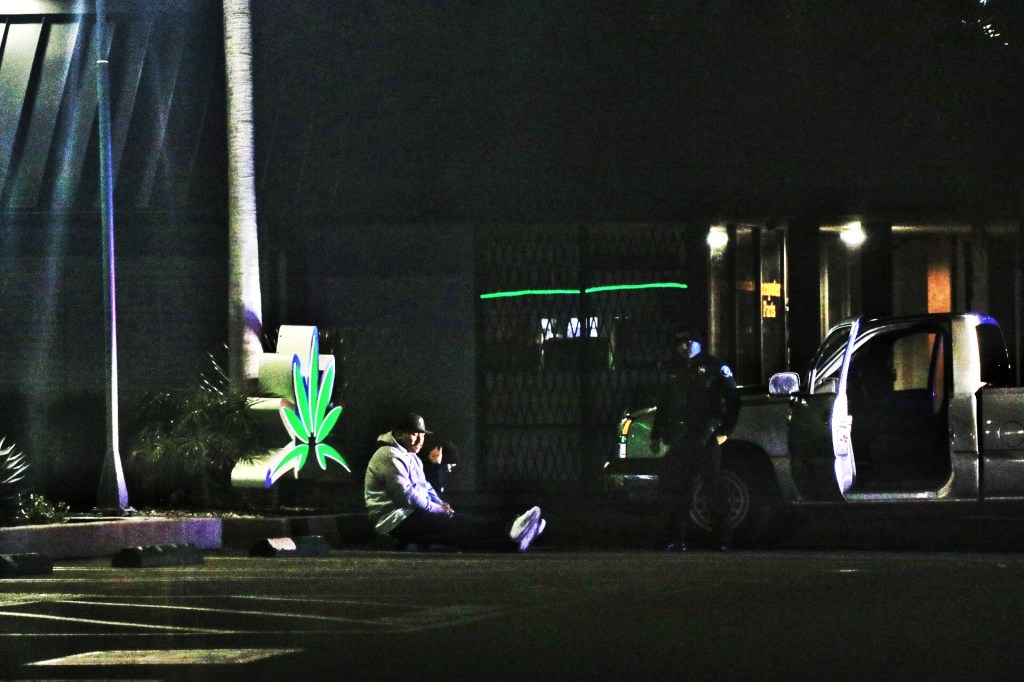
Foto de: Igmar Rodas/The Orange County Reporter, Los residentes de Santa Ana corren el riesgo de ser detenidos sin control, según lo desconocen los despachos de la policía.

La transparencia es la piedra angular de la confianza pública en la aplicación de la ley. Cuando los agentes actúan fuera de las normas de su propio departamento, se abre el camino a la mala conducta: detenciones ilegales, discriminación racial y violaciones de los derechos civiles. La situación en la que un supervisor niega la existencia de una unidad de patrulla que los residentes han observado claramente, o se niega a proporcionar los números de placa, es intolerable.

Los residentes de Santa Ana merecen una fuerza policial que funcione dentro de los límites de la ley, en lugar de por encima de ella. El departamento debe aplicar protocolos de supervisión más estrictos, que incorporen el seguimiento en tiempo real de las ubicaciones de los vehículos de patrulla que los supervisores están obligados a supervisar. Además, debe haber una política definida y aplicable que exija que todas las paradas de tráfico se registren con un despacho.

Foto de: Igmar Rodas/The Orange County Reporter.

Si el departamento se resiste a estas iniciativas fundamentales de rendición de cuentas, la comunidad tiene la responsabilidad de abogar por un cambio. Los funcionarios de la ciudad, el jefe de policía y los organismos de supervisión civil deben intervenir para garantizar que los agentes cumplan con los protocolos adecuados. La transparencia no es un privilegio, es un derecho público. Los agentes de Santa Ana deben rendir cuentas a las personas a las que sirven, en lugar de operar de forma encubierta.


Editorial: Holding the Santa Ana Police Department Responsible for Unregulated Patrol Stops

Photo by: Igmar Rodas/The Orange County Reporter Santa Ana Police Department makes traffic stops on Private Property.

A concerning trend has surfaced in Santa Ana: patrol officers are conducting traffic stops without adequately informing dispatch, resulting in no official documentation of their whereabouts or the rationale for the stop. When anxious residents contact the police department to report these dubious incidents—equipped with patrol car numbers and precise details—they encounter stonewalling and evasive responses from supervisory personnel.

The fundamental problem lies in a deficiency of accountability. Patrol vehicles are fitted with GPS tracking, yet supervisors decline to utilize this technology to confirm officer locations. Some even assert that accessing GPS information is “beyond their pay grade. ” This provokes serious questions: if supervisors are unaware of their officers’ locations, who possesses that knowledge? And if they do have it but choose not to reveal it, what could they be concealing?

Photo by: Igmar Rodas/The Orange County Reporter, Santa Ana Residents at Risk for Unchecked Stops, As Police Dispatch are unaware.

Openness is the cornerstone of public confidence in law enforcement. When officers act outside the regulations of their own department, it paves the way for misconduct—unlawful stops, racial profiling, and violations of civil rights. The situation where a supervisor denies the existence of a patrol unit that residents have clearly observed, or declines to provide badge numbers, is intolerable.

Santa Ana residents warrant a police force that functions within the confines of the law, rather than above it. The department must enforce stricter oversight protocols, incorporating real-time tracking of patrol vehicle locations that supervisors are obligated to supervise. Moreover, there must be a defined, enforceable policy requiring that all traffic stops are recorded with dispatch.

Photo by: Igmar Rodas/The Orange County Reporter.

Should the department resist these fundamental accountability initiatives, it falls upon the community to advocate for change. City officials, the police chief, and civilian oversight bodies must intervene to guarantee that officers adhere to appropriate protocols. Transparency is not a privilege—it is a public entitlement. Officers in Santa Ana must be accountable to the individuals they serve, rather than operating covertly.

Editorial: Encubrimiento de una muerte bajo custodia policial, Departamento de Policía de Santa Ana

La muerte de Freddie Washington mientras se encontraba bajo custodia policial ha provocado una gran controversia, en particular en relación con la respuesta del Departamento de Policía de Santa Ana al incidente. Muchos se preguntan por qué el departamento no ha sido abierto respecto de información vital sobre la muerte de Washington, lo que ha llevado a sospechar de un posible encubrimiento.

Fredd

Es importante reconocer, en primer lugar, que Washington falleció mientras se encontraba bajo custodia de las fuerzas del orden en Santa Ana, California. La falta de transparencia sobre los hechos que precedieron a su muerte, junto con las declaraciones públicas incompletas o tardías del Departamento de Policía de Santa Ana, ha intensificado el escepticismo público. Los críticos sostienen que la vacilación del departamento a la hora de revelar detalles esenciales, como la causa de la muerte o detalles específicos sobre las circunstancias de su arresto, puede ser un intento de proteger a los agentes implicados de ser interrogados.

En situaciones de alto perfil como ésta, es frecuente que se produzcan encubrimientos, especialmente cuando las autoridades se enfrentan a posibles repercusiones jurídicas y políticas. A falta de una investigación exhaustiva y transparente, es imposible que el público conozca la verdad. En una época caracterizada por una desconfianza generalizada hacia las fuerzas del orden, sucesos como éste aumentan las preocupaciones en torno a la rendición de cuentas de la policía y la protección de los derechos de los ciudadanos.

Además, existen problemas sistémicos más amplios. En numerosos casos, los departamentos pueden intentar ocultar información para mantener su reputación, evadir demandas judiciales o evitar más discordia en la comunidad. Sin embargo, esa falta de rendición de cuentas no hace más que aumentar las tensiones y generar demandas de una mayor supervisión y reformas en las fuerzas del orden.

La prioridad ahora debe ser insistir en una investigación completa e independiente sobre la muerte de Freddie Washington. Solo con transparencia y rendición de cuentas se puede empezar a restablecer la confianza entre las fuerzas del orden y las comunidades a las que sirven. Hasta que eso ocurra, la nube de sospechas y la posibilidad de un encubrimiento persistirán, socavando la credibilidad del departamento de policía y perpetuando el ciclo de desconfianza pública.

Santa Ana Mayor Valerie Amezcua may be collaborating with Immigration and Customs Enforcement (ICE) in the implementation of these federal directives

Photo by: Igmar Rodas / The Orange County Reporter

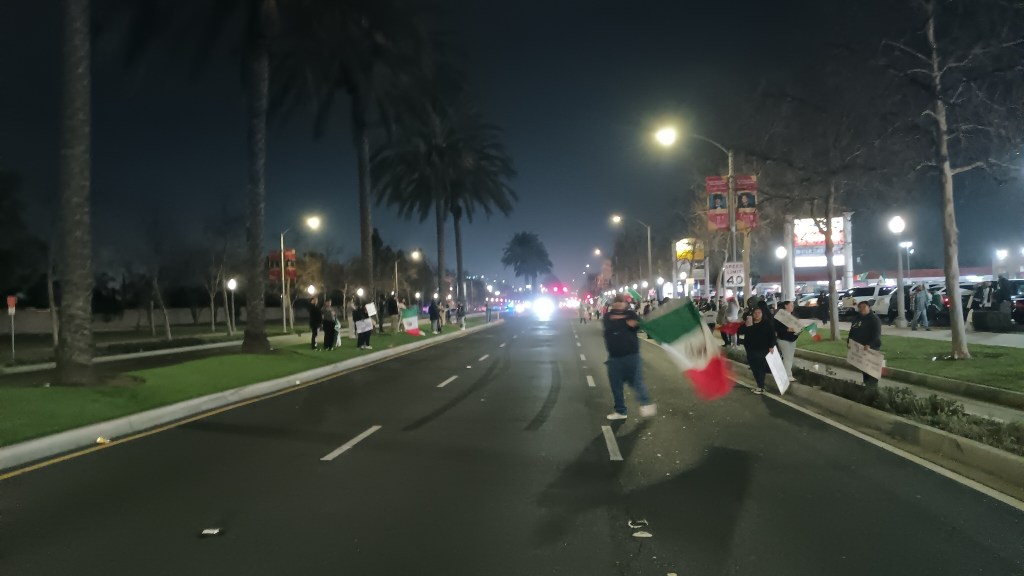
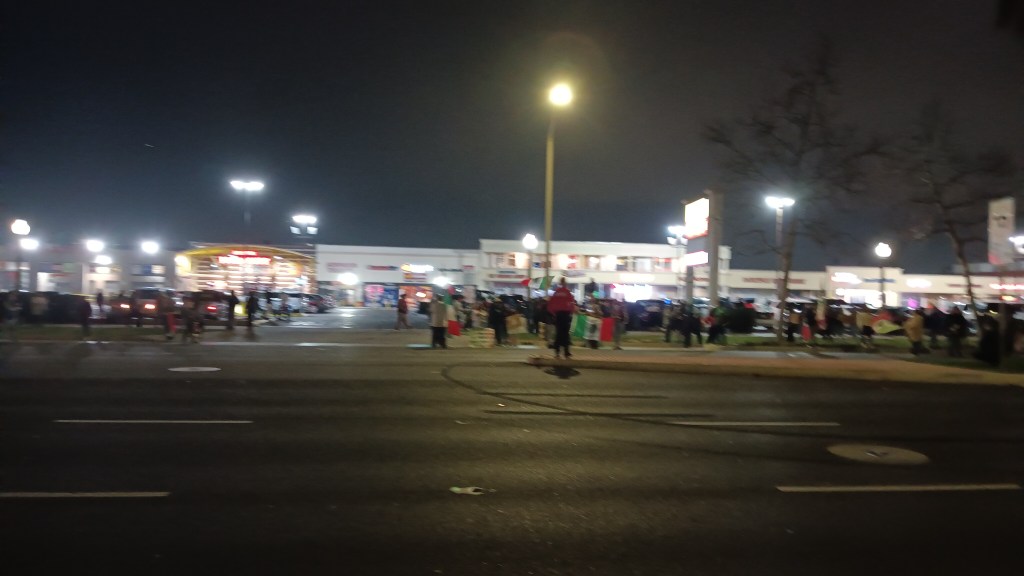
In recent days, Santa Ana, a city located in Orange County, California, has experienced extensive peaceful protests. These demonstrations have been mainly fueled by the city’s large Latino community, voicing significant concern over multiple interconnected issues.


A key issue at stake is President Donald Trump’s recent immigration policies, especially his proposals for mass deportations of undocumented immigrants, including those without criminal histories who serve as diligent, tax-paying members of society. The administration’s plan to invoke the 1798 Alien Enemies Act to accelerate deportations has intensified these worries.

Photo by: Igmar Rodas / The Orange County Reporter


Further aggravating local unrest are reports indicating that Santa Ana Mayor Valerie Amezcua may be coordinating with Immigration and Customs Enforcement (ICE) to carry out these federal orders. Many perceive this alleged collaboration as a breach of Santa Ana’s 2017 sanctuary city law, which was enacted to safeguard undocumented individuals from federal immigration actions.


The protests have been characterized by their non-violent approach, with demonstrators advocating for the safeguarding of immigrant rights and compliance with the sanctuary city ordinance. Community leaders and advocates are promoting policies that acknowledge the roles of undocumented immigrants and pursue comprehensive immigration reform rather than punitive actions.

Photo by: Igmar Rodas / The Orange County Reporter


These occurrences in Santa Ana mirror a wider national conversation regarding immigration policies and the involvement of local governments in enforcing them. As the situation evolves, it highlights the discord between federal mandates and community principles, particularly in areas with large immigrant populations.

Editorial: Santa Ana Mayor Valerie Amezcua Collaborating with ICE to Deport Santa Ana Residents? – A Breach of Trust in a Sanctuary City

Arrest of a person by ICE Agents on January 8th 2025 and Mayor Amezcua in Silence in the Sanctuary city of Santa Ana.

Santa Ana, a lively and diverse community that has historically taken pride in safeguarding immigrant families, is undergoing a concerning transformation. Under Mayor Valerie Amezcua’s direction, recent information has emerged indicating that the mayor’s office is collaborating with U. S. Immigration and Customs Enforcement (ICE) to deport residents. This has ignited a backlash from residents, activists, and community leaders who view this as a blatant contradiction to the city’s longstanding identity as a sanctuary city.

Santa Ana officially established its sanctuary status in 2017, offering vital protections for immigrants by limiting local law enforcement cooperation with federal immigration agencies. The aim was unequivocal: to foster a safe atmosphere for all residents, irrespective of their immigration status. Immigrant communities in Santa Ana have established their lives here, enriching the cultural, economic, and social landscape of the city. For many, the sanctuary label signified that they could exist with enhanced security, without the constant dread of deportation.

However, the recent revelations have overshadowed this feeling of safety and reliability. If Mayor Amezcua is indeed cooperating with ICE to facilitate deportations, it undermines the very tenets that Santa Ana’s sanctuary designation was intended to support. It not only breaches the trust of the immigrant community but also communicates that the city might be willing to work alongside federal authorities in ways that contradict its own laws and principles. This dilemma is not solely about one person; it mirrors a broader concern that impacts countless families. Deportations are not just statistics—they signify real individuals, mothers, fathers, sons, and daughters who face the possibility of being separated from their homes and communities. These individuals contribute to the city’s economy, participate in local educational institutions, and are vital members of the Santa Ana community.

If confirmed, Mayor Amezcua’s actions raise significant alarms. They jeopardize the trust that the city has diligently cultivated with its immigrant inhabitants. As a sanctuary city, Santa Ana ought to embody a symbol of safety and inclusion, not a location where immigrants dread deportation at the hands of local law enforcement. The city has always celebrated its progressive ideals, and this apparent policy shift represents a regression in the pursuit of immigrant rights and justice. The residents of Santa Ana are entitled to more. They warrant transparency from their elected officials and the reassurance that their city will continuously serve as a refuge, not a battleground for federal immigration enforcement. If the mayor persists in her collaboration with ICE, it is essential for the community to hold her accountable and demand a return to the principles that have established Santa Ana as a sanctuary city.

Ultimately, the residents of Santa Ana deserve to live free from the anxiety of deportation. If Mayor Amezcua is collaborating with ICE to remove local inhabitants, it is essential for her to reconsider this strategy and recognize that the sanctuary status of Santa Ana ought to be respected, not violated. It is time for our leaders to prioritize the needs of the community and strive for policies that safeguard, rather than penalize, the individuals who consider Santa Ana their home.