EDITORIAL: “Land of the Free” becomes “Land under Siege”

Peaceful Demonstrations Throughout The US

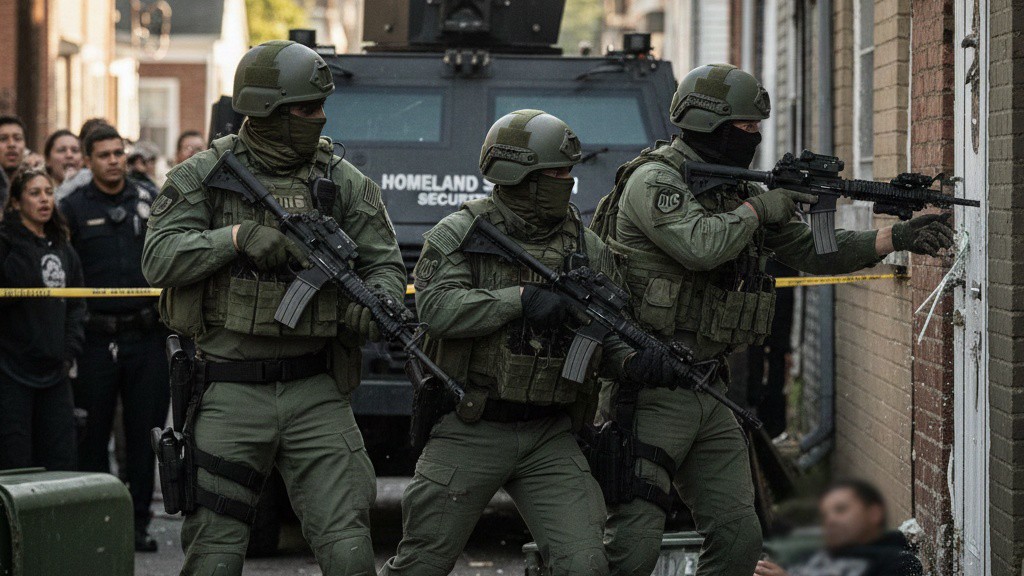
From the suburbs of Minneapolis to the streets of Santa Ana, the American promise of “liberty and justice for all” is now being broken down piece by piece. A political police state, where federal “Gestapo” methods are becoming the norm, is what immigration enforcement has evolved into from what it once was.

The Minnesota Blueprint: Exploitation and Executions

In what can only be called public executions, two American citizens, Renée Nicole Good and Alex Pretti, have died at the hands of federal agents in front of the entire country in the past three weeks. Bystander footage of Pretti’s case shows a man with only a cell phone in his hand before he is tackled and murdered. Instead of transparency, we see an executive administration surrounding the wagons and calling victims “domestic terrorists” in order to rationalize the inexcusable.

The employment of children as tactical weapons is even more heinous. The fact that 5-year-old Liam Conejo Ramos was detained and allegedly coerced by agents into serving as “bait” to entice his family out of their house demonstrates that no one is safe. We have lost our moral compass when the government starts utilizing preschoolers as pawns in a “kill or be killed” situation.

Orange County Receives the Cancer

The “cancer” of this police state is spreading quickly here in Orange County, although Minnesota is now the epicenter. There is a worrisome tendency for local law enforcement to work with DHS and ICE, sometimes in blatant disregard of California’s sanctuary laws.

  • Fullerton: According to recent reports and video evidence, the Fullerton Police Department is now functioning as a support wing for federal agents, opening doors to private complexes and setting up perimeters as agents move around with semi-automatic weapons.
  • Anaheim: Recorded video shows local police officers either standing by or actively helping during violent raids at nearby establishments, such auto repair shops and car washes among them.
  • Activist Harassment: The targeting of individuals who dare to watch is maybe the most alarming aspect. In Orange County, California, activists are being followed by the California Highway Patrol and arrested by local police just for recording federal operations. The boundary between “protection” and “political enforcement” has blurred when federal agents are able to phone 911 to have local police “cut off” or harass a citizen monitor only a few blocks away from their residence.

A deadly silence

Where are the people we elected? As these paramilitary activities continue to interrupt our daily lives, our County Supervisors and Senator Tom Umberg, who represents Santa Ana and north Orange County, remain mostly silent. Their inaction gives the go-ahead for more escalation.

We need to consider when we stand up. It will be too late if we wait for a “public execution” to occur in our own backyard—if it is our neighbor, our friend, or our child. The shift from a free society to a police state does not occur suddenly; It occurs as a result of the close cooperation of local law enforcement and the deafening silence of our leaders.

Before the next victim is one of us, it is time for the city, county, and state authorities in California to end this massacre.

Editorial: La “Ley de No a la Policía Secreta” de California se convierte en ley: un paso revolucionario hacia la transparencia policial enfrenta oposición federal

La “Ley de No Policía Secreta” – SB 627 entra en vigor a partir del 1 de enero de 2026.

La “Ley de No a la Policía Secreta”, una legislación revolucionaria que prohíbe a todos los agentes del orden público que trabajan en el estado, incluidos los agentes federales (como los de ICE o CBP) y el personal de otros estados, usar mascarillas que oculten su identidad mientras están de servicio, se implementó en California a partir del 1 de enero de 2026, de acuerdo con el Proyecto de Ley Senatorial 627. La prohibición se dirige particularmente a las mascarillas “extremas”, como pasamontañas o pasamontañas, que ocultan los rasgos faciales hasta el punto de que un agente no puede ser fácilmente reconocido por su nombre o número de placa.

La creciente preocupación pública por la posibilidad de que funcionarios federales no identificados llevaran a cabo operativos, en particular de control migratorio, en grandes ciudades de California, completamente enmascarados y sin ningún medio de identificación, condujo a la legislación. Los críticos compararon estos métodos con los utilizados en regímenes autoritarios, alegando que erosionaban la confianza de la comunidad y fomentaban el miedo en lugar de la seguridad. Al exigir que todas las personas que ejercen la autoridad policial en el estado sean claramente identificables, la SB 627 busca restablecer la rendición de cuentas.

Para el 1 de julio de 2026, todas las fuerzas del orden, incluyendo las locales, estatales, federales e incluso los grupos de trabajo visitantes de otros estados, deberán implementar y publicar políticas escritas que rijan el uso de mascarillas faciales de acuerdo con la nueva legislación. Como reflejo del serio propósito de la legislatura, las infracciones pueden dar lugar tanto a litigios civiles como a sanciones penales. No obstante, esta estrategia de cumplimiento ha suscitado preocupación: sobre todo en casos de alta visibilidad o sensibilidad política, los críticos advierten que la identificación de los agentes podría exponerlos al acoso en internet, la difusión de información personal o represalias.

La transparencia es esencial en una democracia, según sus defensores. Durante el debate del proyecto de ley, un asistente legislativo declaró: «Si el público no sabe quién lo vigila, no puede haber una policía responsable». La legislación también aborda una amenaza real: la posibilidad de que delincuentes se hagan pasar por agentes del orden. El proyecto de ley SB 627 busca eliminar la ambigüedad que podría facilitar el fraude o la violencia al aumentar la cantidad de videos virales que muestran a personas enmascaradas ejerciendo su autoridad.

Sin embargo, existe una oposición inmediata y firme a la legislación. En entornos donde los agentes federales se enfrentan a amenazas de cárteles, traficantes de personas o extremistas nacionales, el Departamento de Seguridad Nacional de EE. UU. (DHS) ha declarado inconstitucional la SB 627, alegando que les impide desempeñar sus responsabilidades de forma segura. El DHS ha indicado que planea impugnar la legislación en los tribunales bajo el concepto de primacía federal y sostiene que el estado no tiene jurisdicción sobre las acciones de las fuerzas del orden federales.

Este conflicto legal sienta las bases para una posible batalla constitucional en la Corte Suprema de Estados Unidos sobre el conflicto entre los derechos estatales y la autoridad federal. Mientras tanto, el audaz experimento de California sirve como un caso de prueba nacional: ¿Tiene un estado la autoridad para exigir transparencia a todos los que portan una placa en su territorio, independientemente de su jurisdicción?

Al redefinir los límites éticos y visuales de la policía contemporánea, la SB 627 tiene el potencial de servir de modelo para leyes similares en todo el país si recibe apoyo. En una época donde las fronteras entre la autoridad estatal y federal son cada vez más difusas, podría fortalecer los límites del poder estatal si se rechaza. En cualquier caso, California ha reabierto un debate crucial sobre quién vigila a los vigilantes y si se les debería permitir usar mascarilla.

Aunque este estatuto está formalmente en vigor a partir de enero de 2026, el Estado de California y el gobierno federal ahora están envueltos en una importante disputa legal al respecto.

Disposiciones principales de la Ley de No a la Policía Secreta (SB 627)

  • Prohibición de mascarillas: Prohíbe a los agentes del orden público locales y federales utilizar pasamontañas, máscaras de esquí o polainas para el cuello que cubran sus rostros mientras están de servicio.
  • Requisitos de identificación: Los uniformes, nombres o números de placa deben facilitar la identificación de los agentes del orden. La Ley de No Vigilantes (SB 805), que aborda en particular las tácticas de “policía secreta” empleadas en recientes redadas de inmigración, suele ir acompañada de esto.

Resultados de las infracciones:

  • Responsabilidad civil: Los oficiales que usan máscaras cuando cometen agravios (como arrestos falsos o asaltos) pierden algunas de sus protecciones legales (inmunidad calificada) y pueden estar sujetos a una multa civil mínima de $10,000.
  • Cargos criminales: El incumplimiento de la prohibición de usar mascarillas puede ser procesado como un delito menor.

Situación jurídica vigente (enero de 2026)

Debe tener en cuenta los siguientes cambios, aunque la legislación entró en vigor el 1 de enero de 2026:

  • Demanda federal: El Departamento de Justicia de los Estados Unidos (DOJ) presentó una demanda contra California, alegando que el estado no puede regular las acciones de los agentes federales (ICE, Patrulla Fronteriza). Afirman que esto contraviene la “Cláusula de Supremacía” de la Constitución.
  • Orden judicial temporal: A fines de diciembre de 2025, un tribunal federal (la jueza Christina A. Snyder) emitió una orden judicial temporal sobre la aplicación de ciertas disposiciones de la ley contra funcionarios federales mientras el caso está pendiente de sentencia.
  • Conflicto sobre el terreno: Algunos fiscales de distrito de California, como los de San Francisco, han dicho que planean aplicar la ley agresivamente e incluso han insinuado que la policía local podría arrestar a los agentes federales que violen estas leyes estatales.

Las excepciones de la ley

Aunque la ley tiene algunas restricciones sobre el uso de mascarillas, hay situaciones particulares en las que está permitido:

  • Operaciones Encubiertas: Con el fin de garantizar la seguridad de los agentes en posiciones encubiertas.
  • Equipo médico/táctico: Cascos tácticos estándar o máscaras de grado médico, como las N95, que se usan por razones de salud.
  • Incendio/Situaciones peligrosas: Máscaras que brindan protección física contra peligros ambientales.

Editorial: California’s “No Secret Police Act” Becomes Law: A Revolutionary Step Toward Police Transparency Faces Federal Opposition

The “No Secret Police Act” –  SB 627 is in effect as of January 1st 2026.

The “No Secret Police Act,” which is a revolutionary legislation that forbids all law enforcement officers working in the state, including federal agents (like those from ICE or CBP) and out-of-state personnel, from wearing face coverings that conceal their identity while on duty, has been implemented in California as of January 1, 2026, in accordance with Senate Bill 627. The prohibition particularly aims at “extreme” coverings, such as ski masks or balaclavas, that conceal facial features to the extent that an officer cannot be easily recognized by their name or badge number.

Growing public concern that unidentified federal officials were carrying out operations, notably immigration enforcement, in large California cities while fully masked and without any means of identification led to the legislation. These methods were compared by critics to those used in authoritarian regimes, claiming they eroded community trust and fostered dread as opposed to security. By requiring that all individuals who use police authority in the state be clearly identifiable, SB 627 seeks to reestablish accountability.

By July 1, 2026, all law enforcement organizations, including local, state, federal, and even visiting out-of-state task forces, must implement and make public written policies governing the use of facial coverings in accordance with the new legislation. Reflecting the legislature’s serious purpose, infractions may lead to both civil litigation and criminal punishment. Nonetheless, there have been worries about this enforcement strategy: Particularly in cases with high visibility or political sensitivity, critics caution that identifying officers might leave them vulnerable to internet bullying, doxxing, or retribution.

Transparency is essential in a democracy, according to its proponents. During the bill’s debate, a legislative assistant stated, “If the public doesn’t know who is policing them, you cannot have accountable policing.” The legislation also addresses a real threat: the possibility of criminals posing as law enforcement officials. SB 627 aims to remove ambiguity that might facilitate fraud or violence by increasing the number of videos that go viral and feature masked people asserting authority.

However, there is immediate and strong opposition to the legislation. In environments where federal officers face threats from cartels, human traffickers, or domestic extremists, the U.S. Department of Homeland Security (DHS) has deemed SB 627 unconstitutional, claiming that it impedes their capacity to carry out their responsibilities safely. DHS has indicated plans to contest the legislation in court under the notion of federal preemption and contends that the state has no jurisdiction over the actions of federal law enforcement.

This legal conflict lays the groundwork for a potential constitutional struggle in the United States Supreme Court over the conflict between state rights and federal authority. Meanwhile, California’s daring experiment serves as a national test case: Does a state have the authority to require transparency from everyone who wears a badge on its territory, regardless of jurisdiction?

By redefining the ethical and visual limits of contemporary policing, SB 627 has the potential to serve as a model for similar legislation throughout the nation if it is supported. In an age where the borders between state and federal authority are becoming more and more hazy, it may strengthen the boundaries of state power if it is defeated. In any case, California has reopened a vital discussion about who is watching the watchers and if they should be permitted to wear a mask..

Although this statute is formally in force as of January 2026, the State of California and the federal government are now embroiled in a significant legal dispute about it.

The No Secret Police Act (SB 627)’s Main Provisions

  • Mask Ban: It forbids local and federal law enforcement officers from wearing ski masks, balaclavas, or neck gaiters that cover their faces while on duty.
  • Identification Requirements: Uniforms, names, or badge numbers must make law enforcement officials easily identifiable. The No Vigilantes Act (SB 805), which particularly addresses the “secret police” tactics employed in recent immigration raids, is frequently coupled with this.

Results of infractions:

  • Civil Liability: Officers who wear masks when committing torts (such as false arrest or assault) lose some of their legal protections (qualified immunity) and may be subject to a minimum civil fine of $10,000.
  • Criminal Charges: A breach of the mask ban may be prosecuted as a misdemeanor.

Existing Legal Position (January 2026)

You should be aware of the following changes, even though the legislation became law on January 1, 2026:

  • Federal Lawsuit: The U.S. Department of Justice (DOJ) filed a lawsuit against California, claiming that the state cannot regulate the actions of federal agents (ICE, Border Patrol). They claim that this contravenes the Constitution’s “Supremacy Clause.”
  • Temporary Injunction: In late December 2025, a federal court (Judge Christina A. Snyder) issued a temporary stop (injunction) on the enforcement of certain provisions of the law against federal officers while the case is pending adjudication.
  • On the Ground Conflict: Some District Attorneys in California, like those in San Francisco, have said they plan to aggressively enforce the law and have even implied that local police may arrest federal agents who break these state laws.

The Law’s Exceptions

Although the law has some restrictions on mask use, there are particular situations when it is permitted:

  • Undercover Operations: In order to guarantee the security of agents in deep-cover positions.
  • Medical/Tactical Equipment: Standard tactical helmets or medical-grade masks, such as N95s, worn for health reasons.
  • Fire/Dangerous Situations: Masks that provide physical protection from environmental dangers.

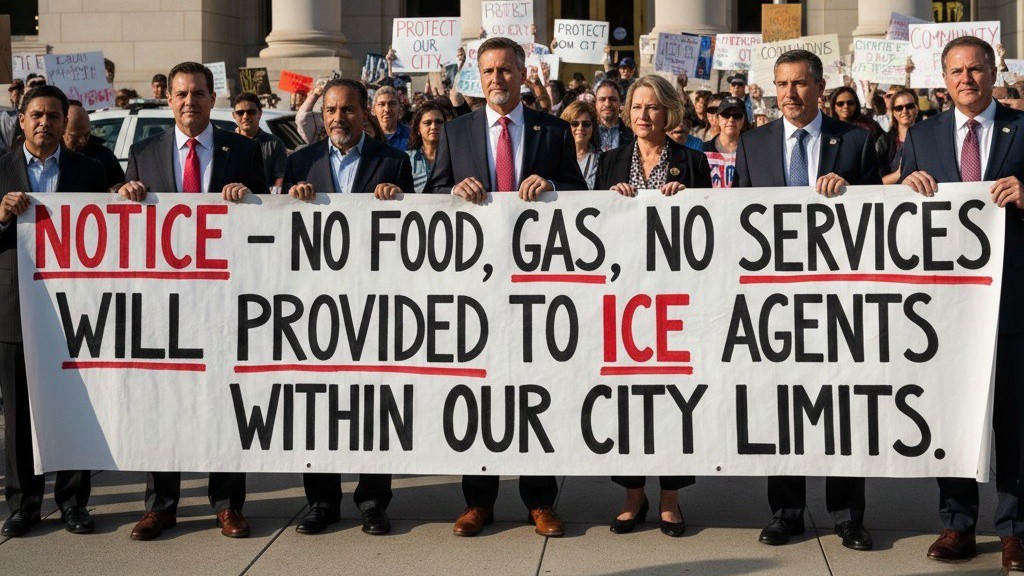
Editorial: Starve the Machine: Why Communities Must Cut Off ICE’s Lifelines

Hands Up – Don’t Shoot!

Immigration and Customs Enforcement (ICE) continues to function in cities and towns throughout the United States with blatant contempt for constitutional principles, civil rights, and human dignity. The raids take place during the early hours of the morning. Parents disappear from school drop-offs. Workers are abducted from their workplaces—all without warrants, frequently without justification, and always with the unsettling effectiveness of an organization that believes it is accountable to no one.

However, the reality is that ICE operates on more than just power. It uses gas. Regarding coffee from the corner deli. The serene complicity of local business, parking places, and Wi-Fi are all available at rest stops. That is exactly where communities have the power and obligation to retaliate.

City Officials should be doing this as a Sanctuary City.

The concept is straightforward but has far-reaching consequences:  “If you don’t want ICE in your community, stop supporting it.”

Don’t sell gasoline to ICE vehicles that are marked or unlabeled. bar representatives for restaurants and restrooms. Tell local businesses: no contracts, no services, no silent support for a system that splits families apart and makes due process optional.

This isn’t vigilantism. It’s community self-defense.

Unlawful Actions by DHS and ICE!

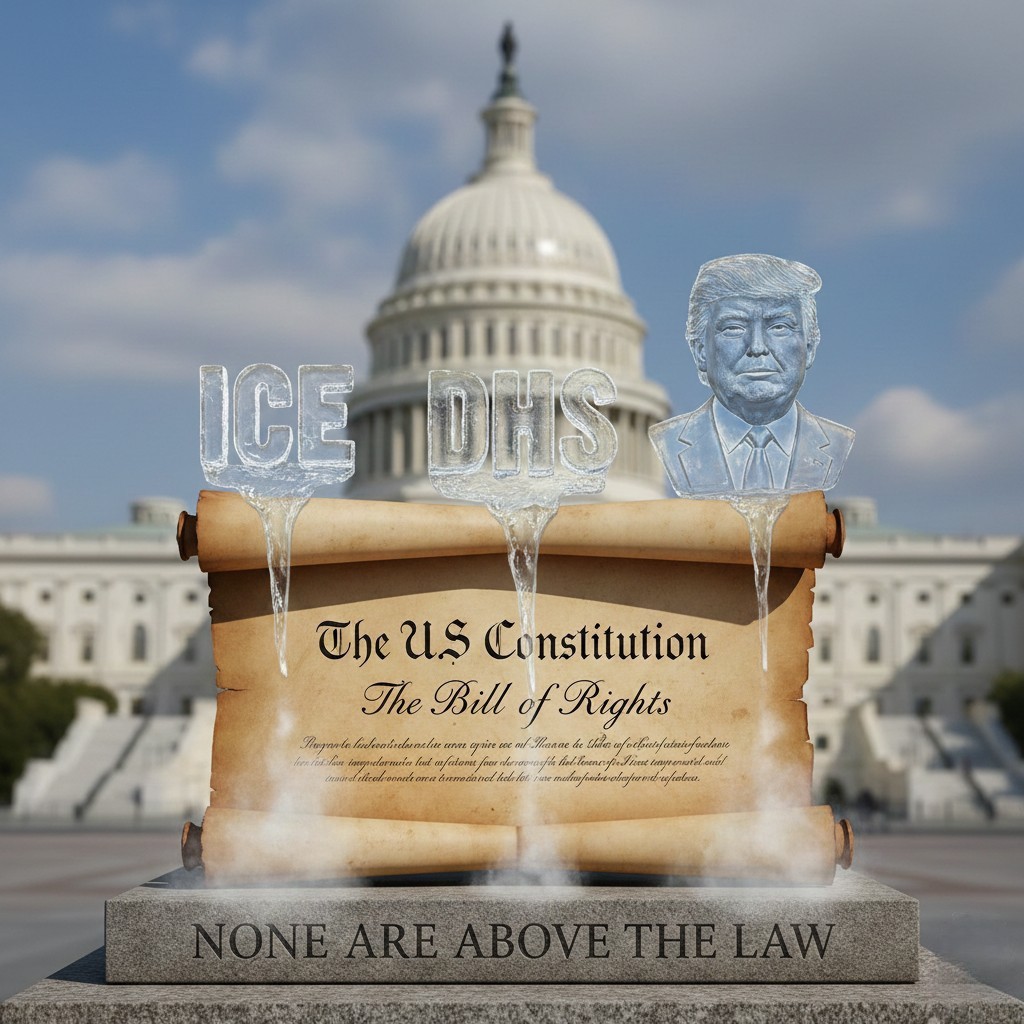
Such conduct, according to critics, “impedes federal law enforcement.” However, an agency loses the presumption of legitimacy when it regularly disregards the Fourth Amendment by entering houses without a warrant and the Fifth Amendment by arresting individuals without charges or access to a lawyer. ICE functions in a gray area made possible by indifference rather than legislation. Local companies become accessories to constitutional breaches every time a gas station fills an ICE van with gasoline or a restaurant provides breakfast to officers on their way to a raid, albeit unknowingly.

Although they are a beginning, sanctuary city statements are frequently symbolic. A genuine sanctuary is about the business owner who says, “Not on my property,” not about municipal hall resolutions. It’s about the community that collectively draws a line, saying, “You may have a badge, but you don’t have our consent.”

ICE has become the Enemy of The State as they are Attacking US Senators!

Others will contend that refusing service is un-American. However, it is undeniably un-American to permit a federal agency to arm local infrastructure against vulnerable neighbors while simultaneously asserting impunity. The Constitution does not cease to exist when someone’s immigration status changes, and it most certainly does not cease to exist when someone wears a DHS patch.

Moral resistance has always relied on disrupting the machinery of injustice—**not just condemning it, but starving it**—through the thousands of daily acts of ordinary people withdrawing their cooperation. History shows that oppressive regimes fall as a result of this withdrawal of cooperation, not just through courts or Congress. This withdrawal of cooperation has taken many forms, including divestment campaigns against apartheid and boycotts during the Civil Rights Movement.

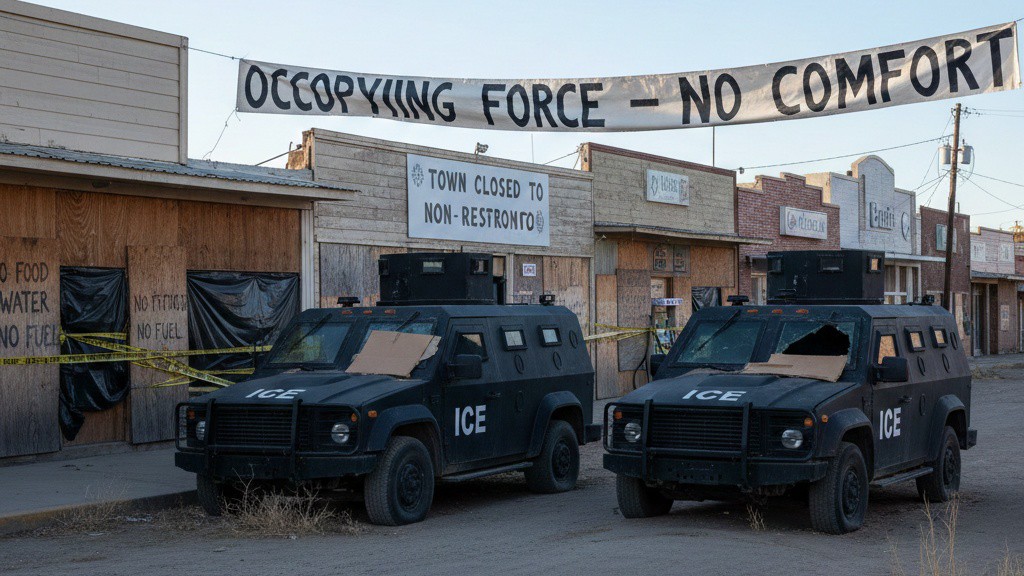
ICE is an Occupying Force to Oppress The People.

Therefore, to be clear, if ICE believes that it is above the Constitution, then communities are entitled to treat it as an occupying force, using complete non-cooperation rather than violence. No sustenance. No fuel. There are no restrooms. Not at all cozy. There isn’t a cover.

Make it logistically impossible for ICE to function in your city.

Sanctuary Cities, It’s time to start defending your residents,
YOUR COMMUNITY .

Make your city a genuine haven rather than just a “sanctuary” in name.

Because justice cannot be proclaimed. We are the ones who enforce it.

Editorial: Santa Ana debe dejar de ignorar a los terroristas cazarrecompensas que se hacen pasar por agentes de ICE.

Foto: The OC Reporter / Departamento de Policía de Santa Ana

A estas alturas ya no es un rumor; es un hecho documentado.

Hombres con placas falsas que se hacen pasar por funcionarios federales están aterrorizando hogares, asustando a jóvenes y destrozando familias en las calles de Santa Ana. No son agentes de ICE. Son cazarrecompensas independientes o contratistas que carecen de autoridad legal, constitucional y de derecho a estar en nuestras calles. Sin embargo, se aprovechan de nuestra ansiedad, desconcierto y del silencio de quienes juraron defendernos, actuando con total impunidad.

Estas personas no son agentes del orden. Son delincuentes. Suplantar la identidad de un agente federal es un delito grave tanto en California como a nivel federal. La entrada ilegal en propiedad ajena se define como el ingreso a una residencia sin permiso ni orden judicial. Utilizar amenazas de deportación para obtener favores o dinero de los residentes locales constituye coacción, y posiblemente secuestro. Además, según el artículo 837 del Código Penal de California, toda persona tiene el derecho —y la obligación— de realizar un arresto ciudadano al presenciar la comisión de tales delitos.

Entonces, ¿cuál es la razón de Santa Ana? ¿La policía se niega a actuar? No es por miedo al ICE. El problema no radica en la falta de conocimiento de la jurisdicción, sino en la negligencia. Es complicidad por inacción.

Foto de: The OC Reporter/ Impostores de ICE vistos en la 1.ª y Grand Ave.

A pesar de que el Ayuntamiento creó correctamente el fondo Ayuda Sin Fronteras, presentó solicitudes de acceso a la información pública, se sumó a demandas federales y recibió 50.000 dólares de apoyo de Sahuayo, México, nuestra policía sigue sin hacer nada mientras estos delincuentes andan sueltos. No están sobrecargados de trabajo ni confundidos. Simplemente deciden no aplicar la ley. Esto no es una discrepancia política. No es un debate sobre inmigración. Se trata de justicia fundamental.

Una madre no vive en una ciudad santuario si un hombre con una chaqueta negra llama a su puerta diciendo ser agente federal y ella se esconde en su cocina mientras la policía no hace nada cuando llama al 911. Está bajo asedio.

El alcalde Amezcua y el Ayuntamiento se han expresado extensamente sobre dignidad, justicia y derechos civiles. Ahora deben exigir que se tomen medidas. El Departamento de Policía de Santa Ana debe:

  • Utilice las leyes vigentes sobre arresto ciudadano y las leyes estatales contra la suplantación de identidad para capacitar de inmediato a los agentes en el reconocimiento y la detención de impostores que se hacen pasar por cazarrecompensas.
  • Identificar y denunciar públicamente a estos individuos como delincuentes, en lugar de como “socios en la aplicación de la ley”.
  • Establecer un equipo de respuesta rápida para investigar y registrar cada incidente reportado, y luego poner esta información a disposición del público en general.
  • Para procesar a los delincuentes reincidentes por cargos federales, trabaje con el FBI y el Departamento de Justicia.
  • Difundir imágenes, descripciones de vehículos y métodos conocidos a través de alertas comunitarias para informar a las familias sobre a quién temer y a quién detener.
Foto de: The OC Reporter/ Impostores de ICE vistos en Ross y Santa Ana Blvd.

El liderazgo moral de la ciudad no vale nada si su fuerza policial no defiende a sus ciudadanos de los criminales que se esconden tras la fachada del gobierno federal.

El aumento de $100,000 a Ayuda Sin Fronteras es algo que aplaudimos. Sin embargo, la tranquilidad de un niño que duerme sin ansiedad no se puede reemplazar con ninguna ayuda económica. El trauma de una intrusión domiciliaria por parte de un individuo con una placa falsa no se puede reparar con ninguna acción legal.

Gracias a Santa Ana, el mundo ha visto lo que es la valentía. Ahora debe demostrar lo que es la justicia mediante arrestos, no mediante comunicados de prensa.

Los cazarrecompensas no son agentes de inmigración, son delincuentes. Violan la ley. Además, nuestra policía debería empezar a tratarlos como tales.

— Los habitantes de Santa Ana merecen más que compasión. Merecen protección.

Editorial: Santa Ana Needs to Stop Ignoring Bounty Hunter Terrorists Impersonating ICE.

Photo by: The OC Reporter / Santa Ana Police Department

It’s no longer a rumor; it’s a documented fact.

Men wearing fake badges and claiming to be federal officials are terrorizing homes, scaring youngsters, and destroying families in the streets of Santa Ana. They are not ICE officers. They are independent bounty hunters, or contractors, who have no legal authority, constitutional authority, or right to be on our streets. They nevertheless take advantage of our anxiety, bewilderment, and the silence of the people sworn to defend us while acting with impunity.

These are not “enforcers.” They are criminals. Impersonating a federal officer is a felony under both California and federal law. Trespassing is defined as entering a residence without permission or a warrant. Using deportation threats to get compliance or money from locals is coercion, and maybe kidnapping. Additionally, according to California Penal Code § 837, every person has the right—and the obligation—to conduct a citizen’s arrest when witnessing such offenses being committed.

Therefore, what is the reason for Santa Ana? The police are unwilling to take action? Not fear of ICE. The problem is not a lack of understanding regarding jurisdiction. It is negligence. It’s complicity by inaction.

Photo by: The OC Reporter/ ICE Impostors seen on 1st and Grand Ave.

Despite the fact that the City Council has correctly created the Ayuda Sin Fronteras fund, submitted FOIA requests, joined federal lawsuits, and received $50,000 in support from Sahuayo, Mexico, our police force is still doing nothing while these criminals are allowed to go free. They aren’t “overworked,” nor are they “confused.” They are making the decision to refrain from enforcing the law. This isn’t a disagreement on policy. This is not a discussion about immigration. This is about fundamental justice.

A mother is not living under a sanctuary city if a man in a black jacket knocks on her door claiming to be federal and she hides in her kitchen while the police do nothing when she calls 911. She’s under siege.

Mayor Amezcua and the City Council have spoken at length about dignity, fairness, and civil rights. They must now insist on action. The Santa Ana Police Department must:

  • Utilize current citizen’s arrest laws and state laws against impersonation to immediately train officers to recognize and apprehend bounty hunter imposters.
  • Publicly identify and denounce these individuals as criminals rather than “enforcement partners.”
  • Establish a quick response team to look into and record each reported event, and then make this information available to the general public.
  • In order to prosecute repeat offenders on federal charges, work with the FBI and DOJ.
  • Disseminate images, vehicle descriptions, and known methods through community alerts to inform families about who to be afraid of and who to apprehend.
Photo by: The OC Reporter/ ICE Impostors seen on Ross and Santa Ana Blvd.

The city’s moral leadership is worthless if its police force won’t defend its citizens from the criminals hiding behind the guise of the federal government.

The $100,000 increase to Ayuda Sin Fronteras is something we applaud. However, a child sleeping without anxiety cannot be replaced by any financial support. The trauma of a house invasion by a guy using a phony badge cannot be undone by any legal action.

The world has seen what bravery looks like, thanks to Santa Ana. It must now demonstrate what justice looks like via arrests, not via press releases.

The bounty hunters are not ICE, they are criminals. They break the law. Additionally, our cops should start treating them like one.

— The People of Santa Ana deserve more than sympathy. They deserve protection.

Editorial: El intento de la Asociación de Oficiales de Policía de Santa Ana (SAPOA) de silenciar la rendición de cuentas debe ser rechazado

Departamento de Policía de Santa Ana, foto de The Orange County Reporter

En una inquietante escalada de esfuerzos para suprimir el escrutinio público, la Asociación de Oficiales de Policía de Santa Ana (SAPOA) habría emitido una carta de cese y desistimiento a Ben Camacho, periodista de investigación local, en un aparente intento de silenciar la información sobre dos incidentes profundamente preocupantes que involucraron a oficiales de policía de Santa Ana. Esta medida no solo constituye una afrenta a la libertad de prensa, sino un duro recordatorio de la resistencia sistémica a la rendición de cuentas que sigue plagando a las instituciones policiales en todo el país, especialmente en casos de pérdida de vidas y violación de derechos constitucionales.

En el centro de esta controversia se encuentra el asesinato a tiros de Noé Rodríguez a manos de los agentes de policía de Santa Ana Luis Casillas #3755 e Isaac Ibarra #3178, un incidente que sigue bajo investigación del Departamento de Justicia de California. A pesar de la gravedad de la situación —Rodríguez falleció, su familia se prepara para presentar una demanda por homicidio culposo y los agentes involucrados permanecen en servicio activo sin medidas disciplinarias públicas—, ha habido un silencio ensordecedor por parte de los líderes de la ciudad, incluida la alcaldesa Valerie Amezcua. Ese silencio, ahora acompañado de las amenazas legales de SAPOA contra un periodista, huele a complicidad y proteccionismo institucional.

El uso de una carta de cese y desistimiento para intimidar a un periodista que realiza su trabajo —investigar e informar al público sobre asuntos de profundo interés público— sienta un precedente peligroso. Transmite un mensaje alarmante: informar sobre la violencia policial puede conllevar represalias legales. Así no funciona la democracia. Una prensa libre no es enemiga de las fuerzas del orden; es un freno necesario al poder, especialmente cuando este resulta en muerte y trauma para las comunidades marginadas.

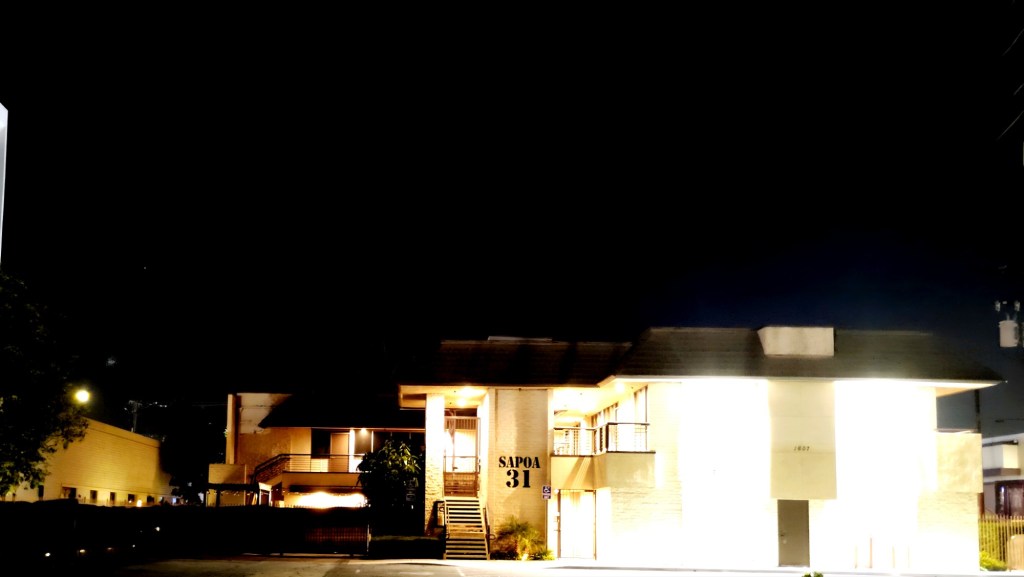
Sede de la Asociación de Oficiales de Policía de Santa Ana en Santa Ana.

El caso de Rodríguez por sí solo justifica la máxima transparencia. Un hombre ha muerto. Los agentes que le dispararon siguen en sus puestos. La comunidad debe responder sobre las circunstancias del tiroteo, el uso de la fuerza, el proceso de revisión interna y por qué no se han tomado medidas administrativas. En cambio, el público se enfrenta al silencio de los funcionarios municipales y a amenazas legales del sindicato policial. Esto no es rendición de cuentas. Es obstrucción.

Y el comportamiento preocupante no termina ahí.

Otro agente de Santa Ana, Nickolas Cavendish #3664, está bajo escrutinio por otro incidente ocurrido en diciembre de 2023, durante una parada de tráfico en la que participaron dos civiles desarmados. Las declaraciones transcritas de las grabaciones de la cámara corporal revelan una terrible agresión verbal en la que el agente Cavendish supuestamente amenazó con “reventarles la cabeza”, colocar su cámara corporal en su coche, inventar una amenaza alegando que el conductor le había agarrado el cinturón y luego asesinarlo.

Estas no son las palabras de un agente de paz profesional. Son las palabras de alguien que se cree por encima de la ley. Tales amenazas, de comprobarse, constituyen no solo una falta grave, sino también una posible intimidación criminal. Sin embargo, el agente Cavendish sigue en servicio. Ni el Departamento de Policía de Santa Ana ni el Ayuntamiento han hecho ninguna declaración pública sobre medidas disciplinarias. No hay transparencia. No hay rendición de cuentas.

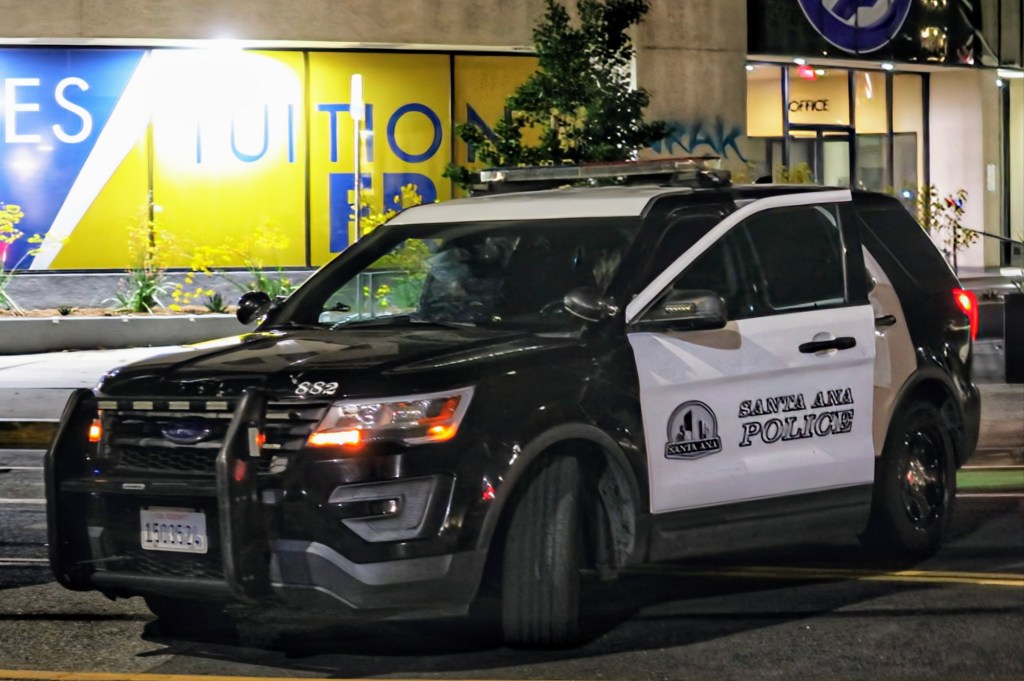
Departamento de Policía de Santa Ana

La decisión de SAPOA de enviar una carta de cese y desistimiento a Ben Camacho, en lugar de abordar el fondo de estas acusaciones, revela sus verdaderas prioridades: proteger a los agentes del escrutinio, no al público. Los sindicatos tienen un papel en la defensa de los derechos de los trabajadores, pero no deben convertirse en escudos para la mala conducta ni en herramientas para intimidar a los organismos de control.

Los habitsntes de Santa Ana merecen algo mejor.

Merecen un departamento de policía que preste servicio con integridad, transparencia y respeto por los derechos constitucionales. Merecen líderes municipales, especialmente el alcalde Amezcua, que alcen la voz cuando se pierden vidas a manos de quienes juraron protegerlos. Y merecen un entorno mediático donde los periodistas puedan informar sobre las acciones del gobierno sin temor a represalias legales por parte de poderosos sindicatos policiales.

Ben Camacho no debe ceder. El público no debe mirar hacia otro lado.

La investigación del Departamento de Justicia de California sobre el asesinato de Noe Rodríguez debe continuar sin interferencias. La ciudad debe iniciar una investigación independiente tanto del tiroteo como de las amenazas del agente Cavendish. Y SAPOA debe comprender que, en una sociedad democrática, decir la verdad no es difamación, sino un deber.

Los intentos de silenciar a los periodistas, encubrir faltas de conducta y proteger a los agentes de la rendición de cuentas solo profundizan la crisis de confianza entre las fuerzas del orden y las comunidades a las que sirven. Santa Ana se encuentra en una encrucijada. ¿Optará por la transparencia y la justicia, o por el silencio y la autopreservación?

La respuesta definirá no sólo el futuro de su departamento de policía, sino el alma de la ciudad misma.

Editorial: The Santa Ana Police Officers Association’s (SAPOA), Attempt to Silence Accountability Must Be Rejected

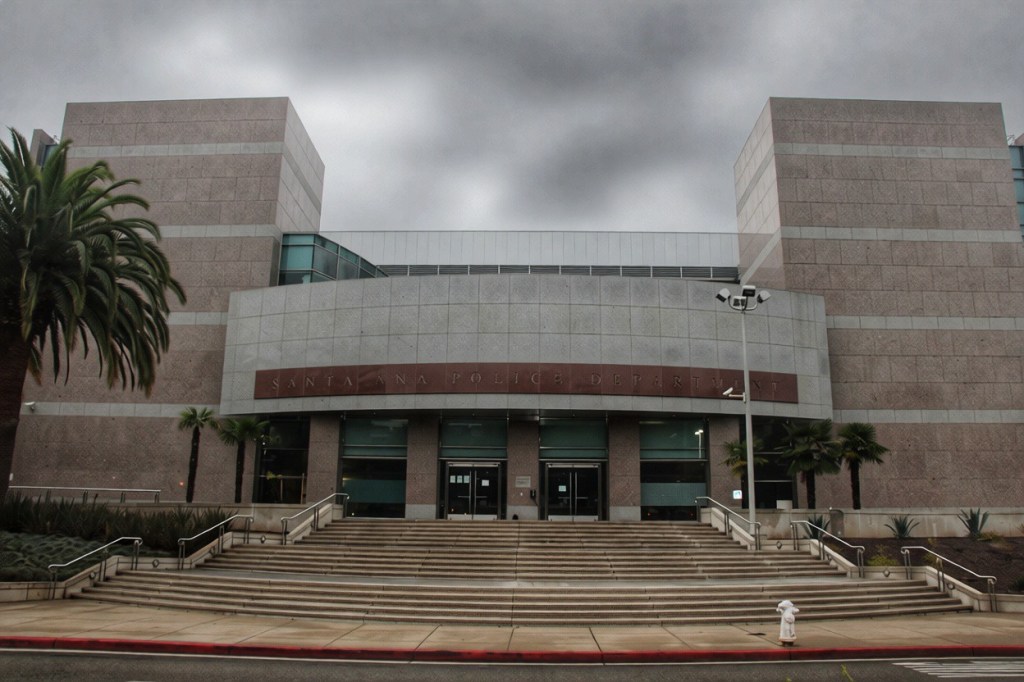
Santa Ana Police Department, Photo by The Orange County Reporter

In a disturbing escalation of efforts to suppress public scrutiny, the Santa Ana Police Officers Association (SAPOA) has reportedly issued a cease and desist letter to Ben Camacho, a local investigative journalist, in an apparent attempt to silence reporting on two deeply troubling incidents involving Santa Ana police officers. This move is not only an affront to press freedom but a stark reminder of the systemic resistance to accountability that continues to plague law enforcement institutions across the country—especially in cases where lives have been lost and constitutional rights violated.

At the heart of this controversy is the fatal shooting of Noe Rodriguez by Santa Ana Police Officers Luis Casillas #3755 and Isaac Ibarra #3178 —an incident that remains under investigation by the California Department of Justice. Despite the gravity of the situation—Rodriguez is dead, his family is preparing to file a wrongful death lawsuit, and the officers involved remain on active duty with no public disciplinary action—there has been a deafening silence from city leadership, including Mayor Valerie Amezcua. That silence, now accompanied by SAPOA’s legal threats against a journalist, reeks of complicity and institutional protectionism.

The use of a cease and desist letter to intimidate a reporter doing his job—investigating and informing the public about matters of profound public interest—is a dangerous precedent. It sends a chilling message: that reporting about police violence may come with legal retaliation. This is not how democracy functions. A free press is not the enemy of law enforcement; it is a necessary check on power, especially when that power results in death and trauma for marginalized communities.

Santa Ana Police Officers Association headquarters in Santa Ana.

The Rodriguez case alone warrants the highest level of transparency. A man is dead. The officers who shot him remain on the job. The community is owed answers—about the circumstances of the shooting, the use of force, the internal review process, and why no administrative action has been taken. Instead, the public is met with silence from city officials and legal threats from the police union. This is not accountability. This is obstruction.

And the troubling behavior does not end there.

Another Santa Ana officer, Nickolas Cavendish #3664, is under scrutiny for a separate incident in December 2023, during a traffic stop involving two unarmed civilians. Transcribed statements from the body camera footage reveal a harrowing verbal assault in which Officer Cavendish allegedly threatened to “bash your fucking brains in,” plant his body cam in his car, fabricate a threat by claiming the driver reached for his waistband, and then murder him.

These are not the words of a professional peace officer. They are the words of someone who believes they are above the law. Such threats, if proven, constitute not only gross misconduct but potential criminal intimidation. Yet, Officer Cavendish remains on duty. There has been no public statement from the Santa Ana Police Department or the City Council about disciplinary measures. No transparency. No accountability.

Santa Ana Police Department

SAPOA’s decision to target Ben Camacho with a cease and desist letter—rather than addressing the substance of these allegations—reveals its true priorities: protecting officers from scrutiny, not protecting the public. Unions have a role in defending workers’ rights, but they must not become shields for misconduct or tools to intimidate watchdogs.

The people of Santa Ana deserve better.

They deserve a police department that serves with integrity, transparency, and respect for constitutional rights. They deserve city leaders—especially Mayor Amezcua—who speak up when lives are lost at the hands of those sworn to protect them. And they deserve a media environment where journalists can report on government actions without fear of legal retribution from powerful police unions.

They deserve a police department that serves with integrity, transparency, and respect for constitutional rights. They deserve city leaders—especially Mayor Amezcua—who speak up when lives are lost at the hands of those sworn to protect them. And they deserve a media environment where journalists can report on government actions without fear of legal retribution from powerful police unions.

Ben Camacho should not back down. The public must not look away.

The California DOJ investigation into Noe Rodriguez’s killing must be allowed to proceed without interference. The city must launch an independent review of both the shooting and the threats made by Officer Cavendish. And SAPOA must understand that in a democratic society, truth-telling is not defamation—it is duty.

Attempts to silence reporters, cover up misconduct, and protect officers from accountability only deepen the crisis of trust between law enforcement and the communities they serve. Santa Ana stands at a crossroads. Will it choose transparency and justice—or silence and self-preservation?

The answer will define not just the future of its police department, but the soul of the city itself.

Editorial: A Community at Risk — The Alarming Lack of Accountability in Santa Ana Police Department

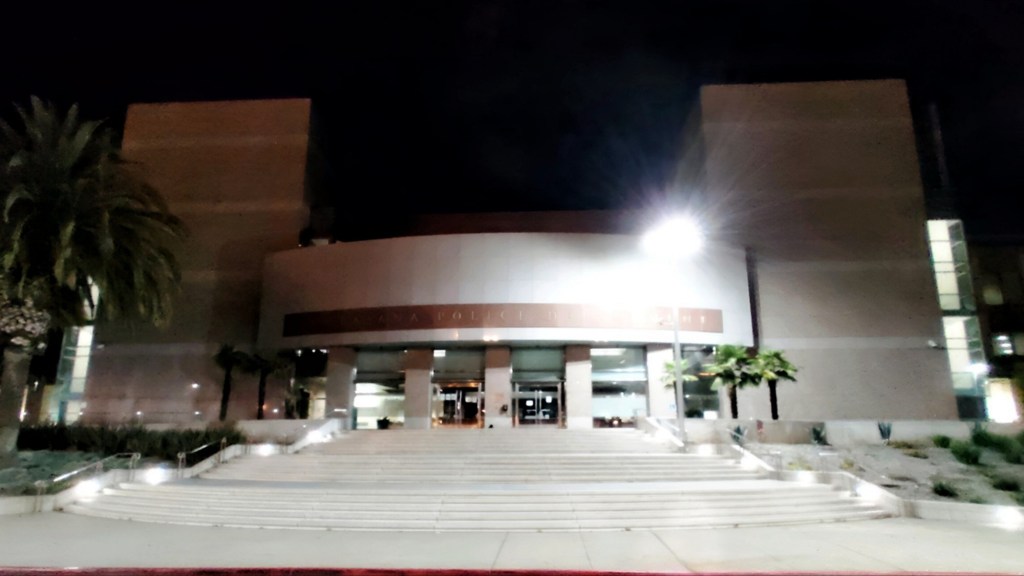
Santa Ana Police Department

In a city where public safety should be the top priority, a recent troubling encounter has raised serious concerns about the accountability and oversight within the Santa Ana Police Department (SAPD). What began as a citizen’s attempt to report a dangerous police practice has turned into a disturbing realization: SAPD officers are patrolling the streets without proper supervision or accountability.

The issue at hand involves the reckless use of patrol vehicle spotlights, which have been repeatedly shined directly into the eyes of oncoming drivers. This dangerous practice poses a serious risk of temporary blindness, potentially leading to life-threatening accidents. One such incident involving SAPD Patrol Unit #838 was captured on video, clearly documenting the reckless use of the spotlight. The unit was followed by a concerned citizen until it sped away, evading any attempt at engagement.

What is most alarming, however, is not just the spotlight misuse — it’s the confirmation by a Night Supervisor Corporal Martinez #3349 that these officers were out on patrol and unaccounted for at the station. When the concerned citizen reported the incident and provided the unit number, the supervisor admitted that the officers were not logged in or being monitored by the watch commander or supervisor on duty.

This is not just a procedural oversight — it is a systemic failure.

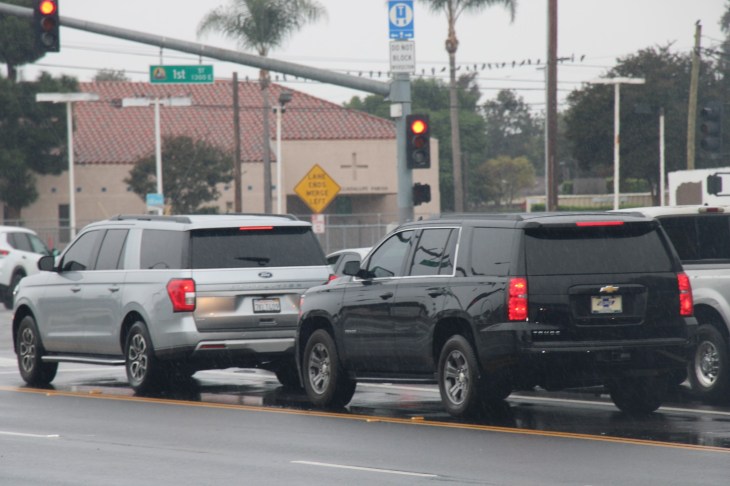
Santa Ana Police Department Patrol Unit in Question. Unaccounted for and unknown patrol police agents.

A Breakdown in Command Structure

The foundation of effective law enforcement is a clear chain of command and real-time supervision. Officers must be tracked, monitored, and held accountable for their actions while on patrol. The fact that SAPD supervisors were unaware of the whereabouts of active patrol units suggests a breakdown in basic oversight mechanisms.

When officers operate without supervision, the potential for abuse, misconduct, and negligence increases dramatically. In this case, we’re talking about practices that endanger public safety — blinding drivers, creating hazardous road conditions, and evading accountability.

A Threat to Public Trust

This incident also erodes the trust between the community and the police. Citizens who step forward to report concerns deserve to be heard and assured that their safety is a priority. Instead, this individual was met with an unsettling reality — that the system designed to protect them may, in fact, be operating without sufficient controls.

Santa Ana residents deserve better. We deserve to know that every officer patrolling our streets is under the supervision of a command structure that ensures both public safety and officer accountabilitpy.

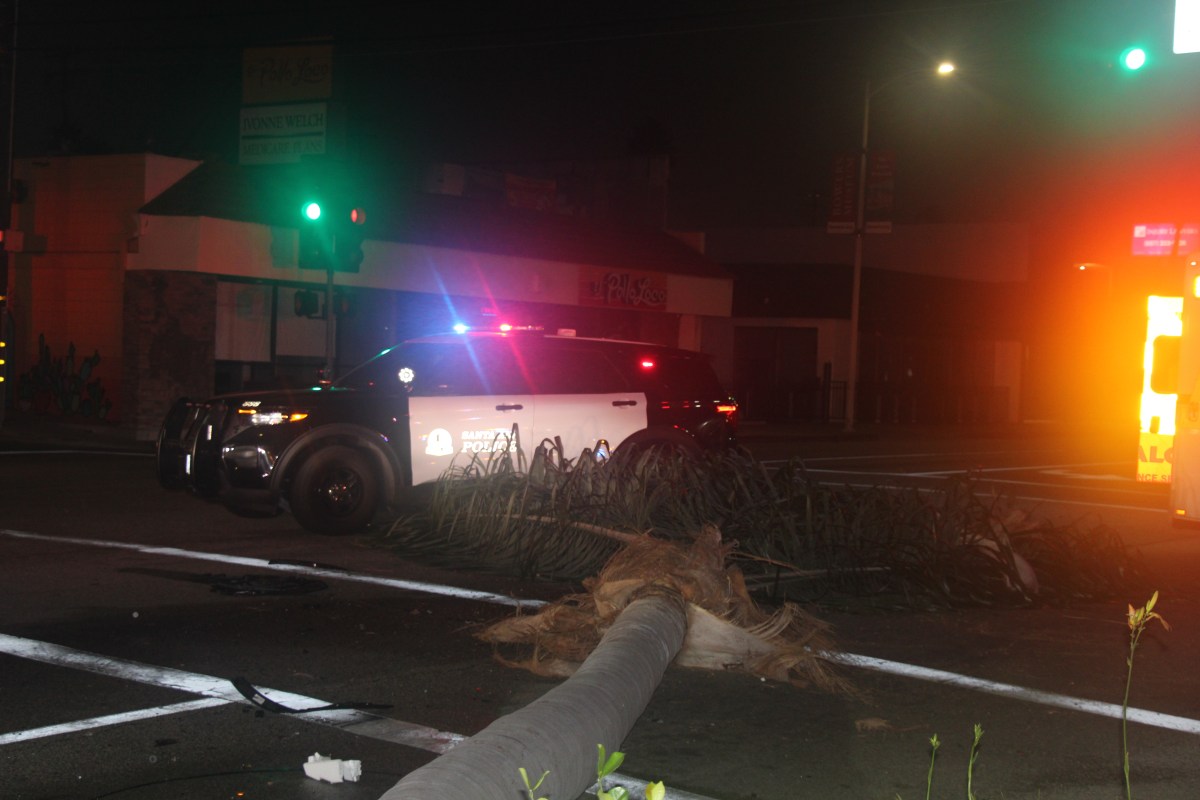
Santa Ana Police Department Patrol Unit that’s Unaccounted for, Supervisor doesn’t know who’s driving it. Also shining spotlight on oncoming drivers.

What Needs to Happen Now

  1. Immediate Investigation: SAPD leadership must launch a full investigation into the use of spotlights and the circumstances surrounding Patrol Unit #838. The video evidence must be reviewed, and the involved officers should be identified and questioned.
  2. Transparency: The department must be transparent about how patrol units are dispatched, tracked, and supervised. If there are gaps in protocol, they must be acknowledged and corrected immediately.
  3. Policy Review: A review of current SAPD policies regarding spotlight use and field supervision is urgently needed. Clear guidelines must be established and enforced.
  4. Community Oversight: The City Council and civilian oversight board should step in to ensure that this is not an isolated incident but part of a larger pattern that has gone unnoticed or unaddressed.

Conclusion

The safety of our community cannot be left to chance. When police officers are unaccounted for and engaging in reckless behavior, it is not just a failure of individual officers — it is a failure of leadership. The people of Santa Ana deserve a police department that protects and serves with integrity, transparency, and accountability.

It’s time for SAPD to answer for the breakdown in oversight and take immediate steps to restore public trust before a preventable tragedy occurs.