EDITORIAL: The Shield and the Silver Badge: How SAPD’s Blind Deference to Private Security Threatens Public Safety

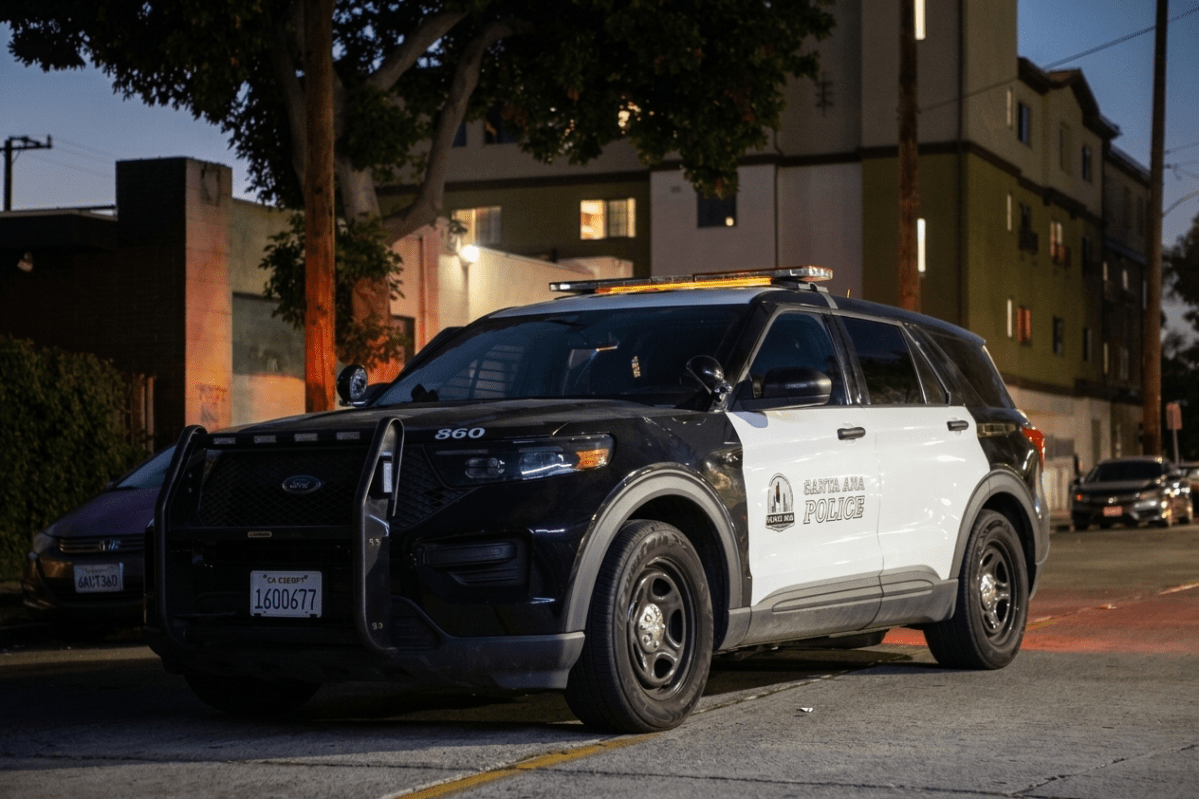
SAPD on a Call from a Security Guard

There is an invisible, unregulated gray area expanding across the sidewalks of Santa Ana, and it poses a direct threat to the constitutional rights of every resident. It is the zone where private security guards—hired to protect specific commercial properties—step off their contracted parcels and into the public square to enforce their own brand of street justice.

But the real crisis isn’t just the rogue guard playing cop. The crisis is that the Santa Ana Police Department consistently acts as their personal muscle, arriving on scene to automatically validate the narrative of the person wearing a uniform, regardless of who actually broke the law.

When a private security guard steps past a property line onto a public sidewalk to engage, harass, or intimidate citizens, they are no longer protecting an asset. They are creating a public issue and a massive liability. Yet, time and again, when SAPD responses are triggered by bogus “security assistance” calls, responding officers routinely treat the guard as the default victim and the citizen as the default suspect.

This automatic bias flips the script of justice on its head. In the eyes of arriving officers, the silver badge of a private contractor carries more weight than the word of a tax-paying resident or an independent journalist.

More concerning still is a systemic failure in basic field procedure: SAPD officers routinely fail to verify the state-issued permits of the guards making these emergency calls.

One of many Security Companies in Santa Ana, Which could possibly create a threat to public safety because of unprofessional security guards.

Under California law, the Bureau of Security and Investigative Services (BSIS) mandates that every guard must carry a valid Guard Card and, if applicable, an exposed firearm permit. They are legally required to present these upon request. When a guard leaves their property line to instigate a confrontation on public property, they are legally acting as an ordinary citizen—potentially committing acts of disturbing the peace, harassment, or unlawful detention.

Furthermore, a guard does not even have to physically step off the parcel to violate state regulations. By simply standing on private property and hurling profanity, launching verbal threats, or throwing physical objects across the property line into the public domain—such as an adjacent sidewalk—they are committing a clear violation of state law and BSIS rules. Aggression that crosses into public space is a breach of the peace, plain and simple.

By failing to immediately demand and verify a guard’s BSIS credentials during these incidents, SAPD officers are not just cutting corners; they are enabling unlicensed, volatile, or under-trained individuals to dictate who gets detained on our streets.

This blind deference transforms our local police department into a taxpayer-funded shield for private corporate interests. When a heavy police presence—often involving multiple patrol vehicles and a dozen officers—arrives to back up a guard who was the actual aggressor, it creates a chilling effect in our neighborhoods. It teaches the public that private security can overreach with impunity because the police will always take their side.

Private security guards are not peace officers. They do not possess a gold shield, they do not have police powers, and their authority stops exactly where the private concrete meets the public sidewalk.

It is time for the Santa Ana Police Department to stop treating private security contractors as an extension of the force. Officers must begin enforcing the law symmetrically: check the permits, look at the property lines, hold guards accountable for the threats and objects they hurl into the public space, and recognize that when a security guard crosses the boundary of professional conduct, the guard is the liability—not the community members they are targeting.

INVESTIGATION UNDERWAY: HELP US HOLD PRIVATE SECURITY ACCOUNTABLE

If you have any complaints, encounters, or concerns regarding private security guards in Santa Ana—specifically within the downtown area—we want to hear from you.

The OC Reporter is actively investigating private security guards who are failing to follow California state laws, BSIS policies, and the regulations set forth by the California Business and Professions Code. If you have been harassed, witnessed jurisdictional overreach, or have photos, video, or statements to share, please reach out to us immediately to help us build this investigation. Your information and anonymity will be protected.
Editorial: The 1972 Collision

The narrative of the 2014 Civic Center bicycle case is no longer just a local story of one man versus a ticket; it has become a case study in how grassroots pressure can predict—and eventually force—statewide reform.

When I took my seat in Department C46 of the Central Justice Center in July 2014, I wasn’t just defending a $400 citation. I was exposing a structural flaw in Orange County’s “bottom-up” policing. Here is an editorial perspective on that journey from the Civic Center to the State Capitol.

By Igmar Rodas – Editor in Chief at The OC Reporter

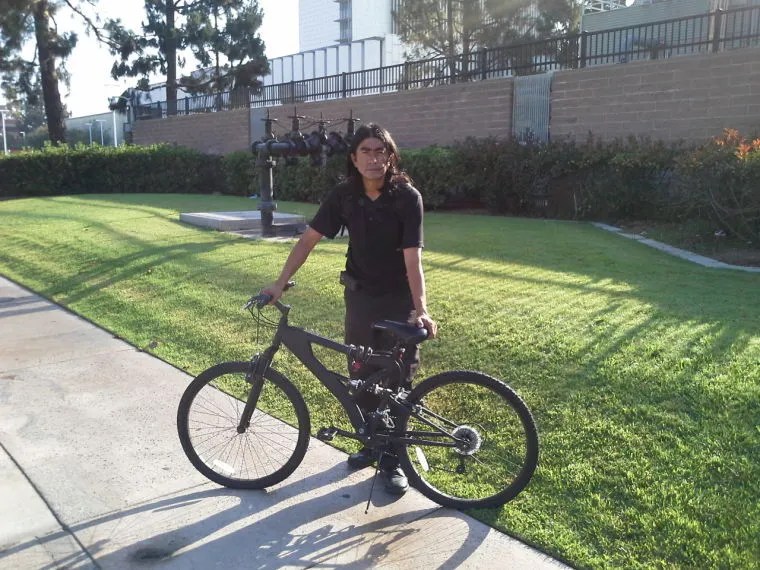
Circa 2014 – Bicycle used to make the Bicycle Registration City Ordinance from 1972, Obsolete in July 2014.

The Ghost in the Machine

For forty-two years, a ghost lived in the Santa Ana municipal code. Enacted in 1972, the mandatory bicycle registration ordinance was a “silent” law. It wasn’t designed for safety or theft prevention—it was designed as a tool for contact. It sat in the books, largely unknown to the 330,000 residents of the city, until it was needed to justify a stop in the Civic Center.

In 2014, that ghost met a man born the same year the law was written.

The Set-Up and the “Scapegoat”

The battle wasn’t an accident; it was an extraction. After months of documenting the harassment of the homeless and poor—who were often cited for the “crime” of riding an unlicensed bike—the lines were drawn. When I told the officers I was going to buy a bike and dared them to cite me, I was forcing the system to reveal its hand.

When the citation finally came, the irony of the “Architecture of Silence” was on full display. In court, Officer S. Lopez was the one left to defend the indefensible. By turning that bicycle upside down without consent, the department didn’t just find a missing sticker; they found a Fourth Amendment violation. Judge James Crandall’s ruling was the first crack in a wall that had stood for decades.

From Santa Ana to the State Capitol

At the time, our victory felt local. We forced the Santa Ana City Council to admit the law was “idiotic” and repeal it within weeks. But look at where we are now.

In 2022, the State of California finally caught up to what we proved in a Santa Ana courtroom eight years earlier. Assembly Bill 1909 (The Bicycle Omnibus Bill) finally prohibited any city in the state from requiring bicycle registration. The state legislature eventually realized what we already knew: these laws were rarely about bikes and almost always about the “selective harassment” of people law enforcement deemed “undesirable.”

The Long Game of the “Watcher”

To the younger activists today who want rapid results: remember the 1972 ordinance. It took 42 years to build that wall, 8 years for the state to follow our lead, and one man on a bicycle to prove it was hollow.

When we say “start from the bottom,” this is what we mean. You don’t always need to change the Mayor to change the city. Sometimes, you just need to flip the bike over and show the world that the foundation is made of sand.

Key Comparisons: Then vs. Now

EraThe 1972 Ordinance (2014)The AB 1909 Reality (2026)
StatusMandatory & PunitiveStrictly Prohibited
EnforcementUsed for “selective stops”Local licensing bans are statewide
Legal StandingUnlawful Search (Judge Crandall)Protected State Right
The “Bottom”Officers used it as a “hook”One less tool for profiling

“Once the bottom is out, the rest will crumble under its own weight.”

This editorial isn’t just about a bicycle; it’s about the fact that if you hold the mirror up long enough, eventually the state has no choice but to look.

Editorial: The High Cost of Convenience — Santa Ana’s Outsourced Accountability

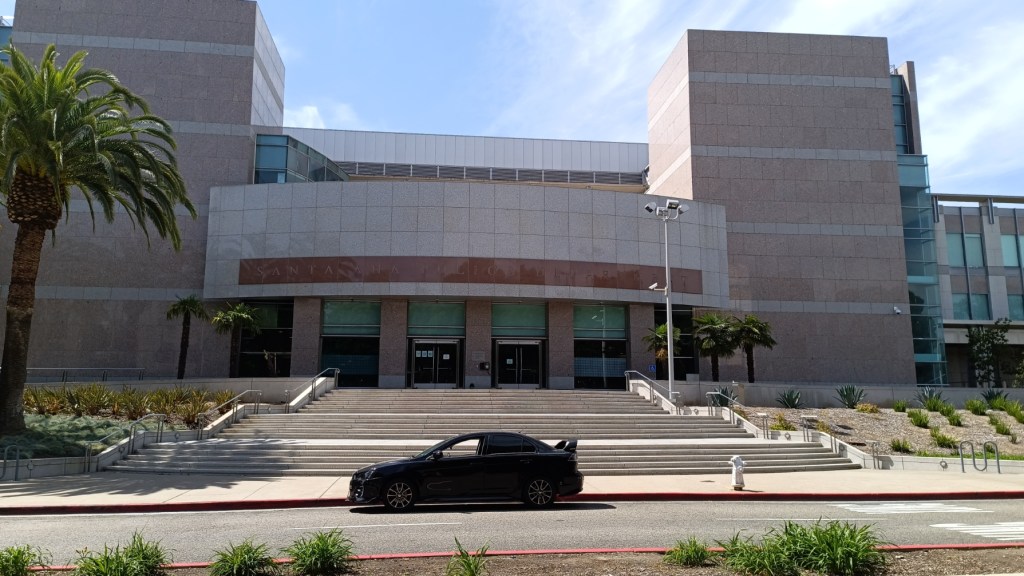
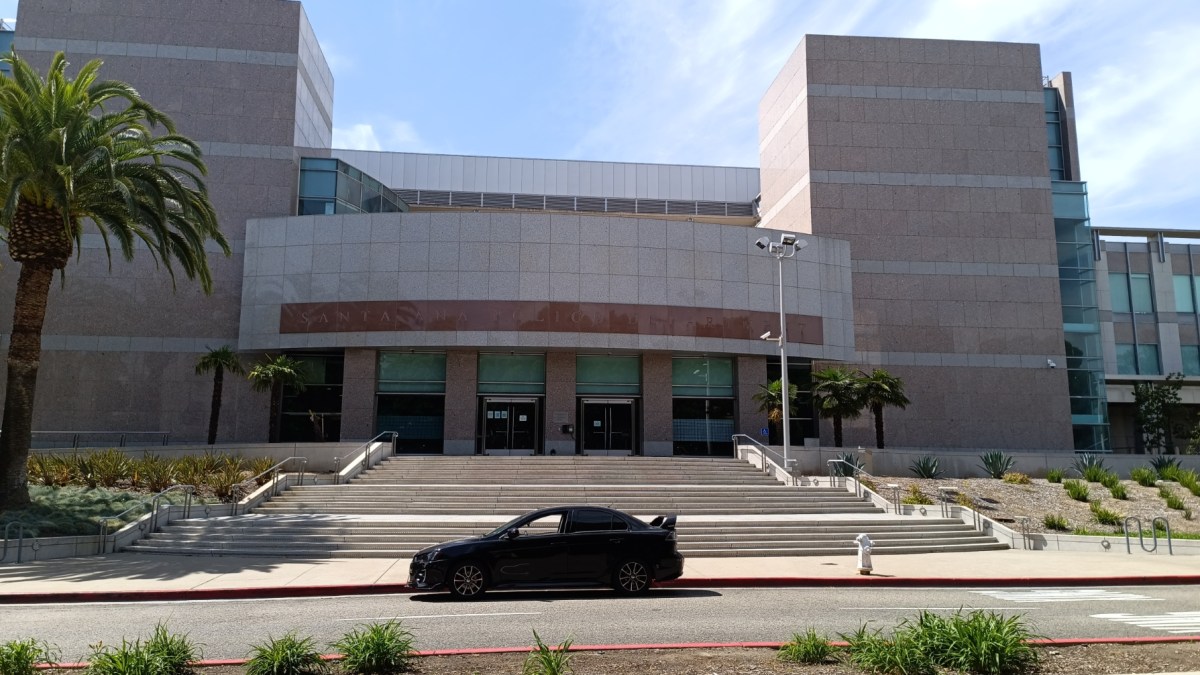
Santa Ana Police Department

In the bustling streets of Santa Ana, a quiet erosion of due process is taking place, disguised as administrative efficiency. By outsourcing its parking citation management to Data Ticket Inc. (operating as PTicket), the Santa Ana Police Department has effectively built a wall between the governed and the government—one that appears designed to prioritize revenue over the constitutional rights of its residents.

The $2 Million Shield

Public records reveal that the financial tether between Santa Ana and Data Ticket Inc. is substantial. In early 2024, the City Council approved an amendment to increase compensation for Data Ticket Inc. by over $730,000, bringing the total contract value to a staggering $2,000,000. While the city argues this is necessary for “automated citation processing,” many residents see it as the price of avoiding direct accountability.

A Violation of the 14th Amendment

The 14th Amendment of the U.S. Constitution guarantees that no State shall deprive any person of life, liberty, or property without due process of law. When a city government hands the reins of its “justice” system to a for-profit corporation, the line between public safety and profit motives blurs.

The current system presents a “pay-to-play” barrier that targets the city’s most vulnerable. Under the PTicket system, a resident’s ability to contest a citation is often met with bureaucratic dead ends. By limiting the avenues for appeal—effectively making it nearly impossible to resolve disputes via phone or in-person without jumping through outsourced hoops—the city is failing its mandate to provide an accessible and fair hearing.

City of Santa Ana outsourcing parking tickets via PTicket.com

The California Vehicle Code (CVC) Defiance

California law is not a suggestion; it is the standard. CVC Section 40215 explicitly outlines a three-level appeal process. It mandates that an initial review must be available via telephone, in writing, or in person.

Yet, Santa Ana residents report a recurring nightmare:

  • Phone barriers: Automated systems that lead to nowhere or disconnect.
  • In-person avoidance: A “Tustin P.O. Box” (Data Ticket’s headquarters) serving as the only point of contact, effectively removing the “local” from local government.
  • Procedural bypass: Outsourced “hearing officers” who, as highlighted in similar California litigation (e.g., Koslow v. Data Ticket Inc.), may lack the required independence and objectivity demanded by state law.

The SAPD Accountability Gap

The Santa Ana Police Department (SAPD) oversees this contract, yet when citizens seek redress for aggressive ticketing—including citations for expired tags or missing front plates that private contractors were never authorized to enforce—the department often points back to the vendor. This “circular accountability” allows the city to collect the revenue while the contractor absorbs the blame.

Recently, Council members have had to “rein in” these contractors after reports of “Wild West” ticketing tactics. If the police department cannot or will not manage its own parking enforcement within the bounds of the law, it should not be allowed to buy its way out of the responsibility.

Conclusion: Justice is Not a Subscription Service

A parking ticket may seem like a minor inconvenience to some, but for a family in Santa Ana living paycheck to paycheck, an unconstitutional $100 fine is a crisis. The City of Santa Ana must decide: is its priority the $2 million it pays to a private vendor to automate “justice,” or is it the constitutional rights of the people who live and work here?

The current outsourcing model with Data Ticket Inc. is more than a logistical choice; it is a legal liability and a moral failure. It is time for Santa Ana to bring its enforcement back under the light of public transparency and stop treating due process like an optional feature.

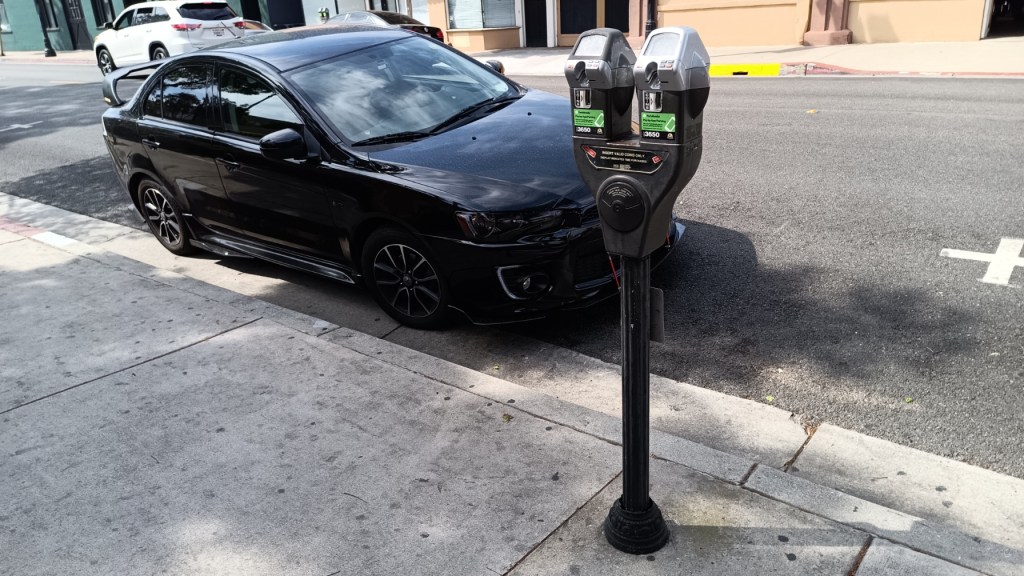
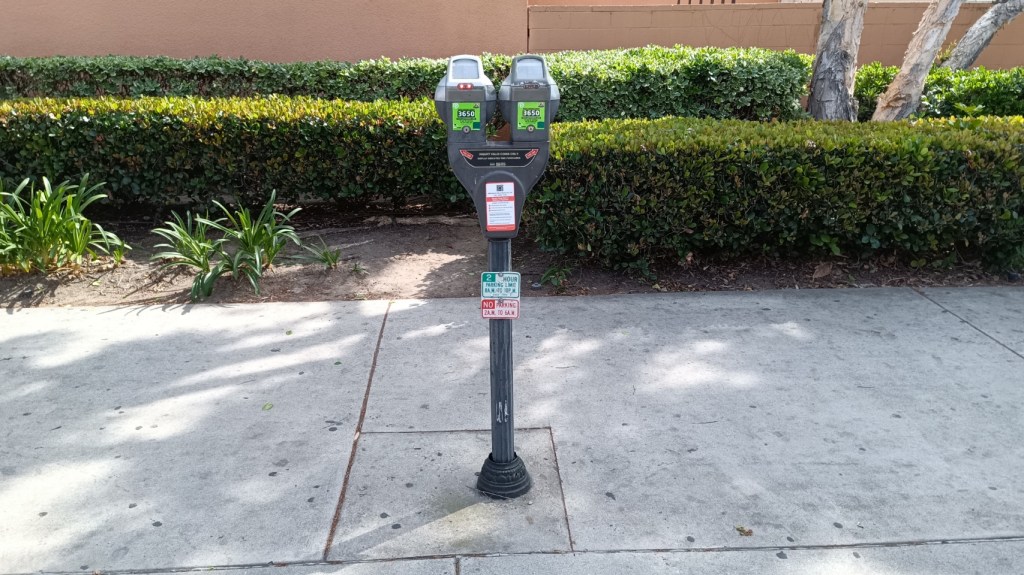
One of many Parking Meter throughout the city….


EDITORIAL: “Land of the Free” becomes “Land under Siege”

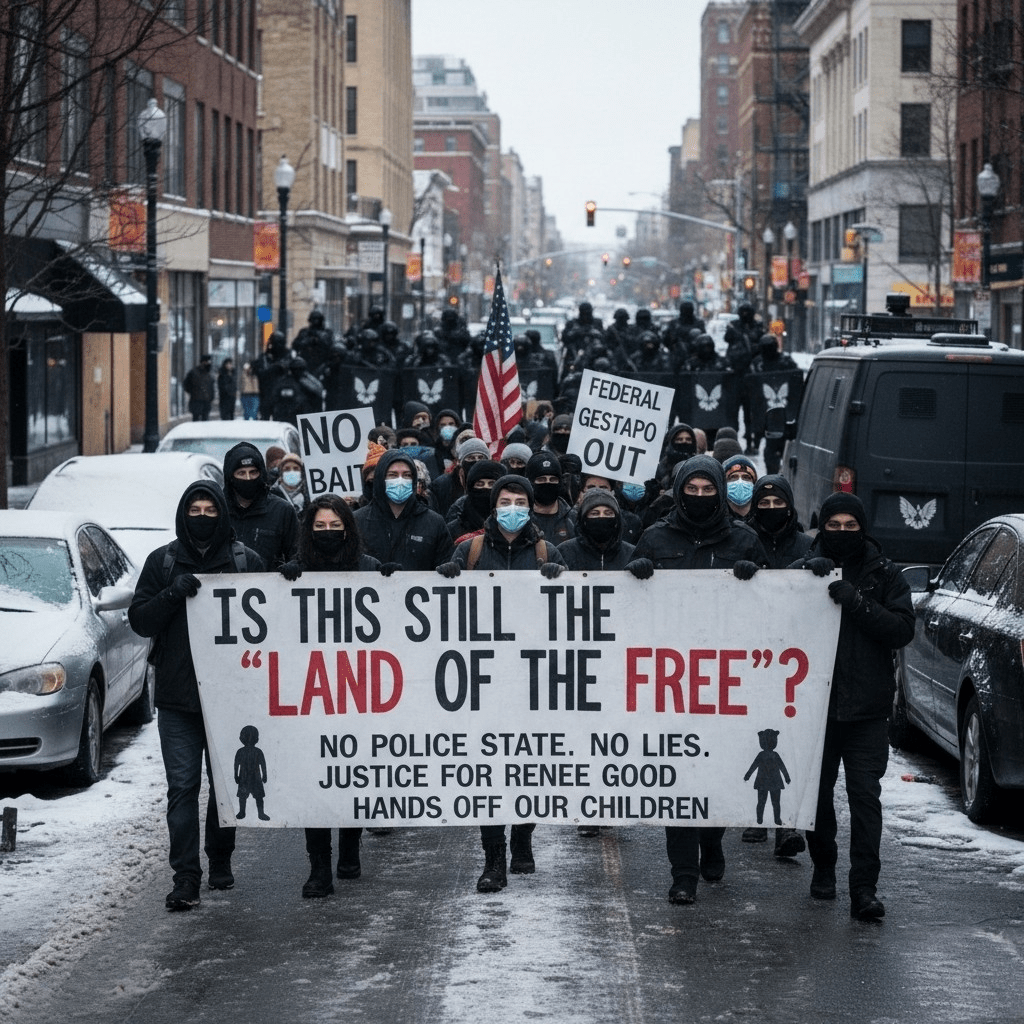
Peaceful Demonstrations Throughout The US

From the suburbs of Minneapolis to the streets of Santa Ana, the American promise of “liberty and justice for all” is now being broken down piece by piece. A political police state, where federal “Gestapo” methods are becoming the norm, is what immigration enforcement has evolved into from what it once was.

The Minnesota Blueprint: Exploitation and Executions

In what can only be called public executions, two American citizens, Renée Nicole Good and Alex Pretti, have died at the hands of federal agents in front of the entire country in the past three weeks. Bystander footage of Pretti’s case shows a man with only a cell phone in his hand before he is tackled and murdered. Instead of transparency, we see an executive administration surrounding the wagons and calling victims “domestic terrorists” in order to rationalize the inexcusable.

The employment of children as tactical weapons is even more heinous. The fact that 5-year-old Liam Conejo Ramos was detained and allegedly coerced by agents into serving as “bait” to entice his family out of their house demonstrates that no one is safe. We have lost our moral compass when the government starts utilizing preschoolers as pawns in a “kill or be killed” situation.

Orange County Receives the Cancer

The “cancer” of this police state is spreading quickly here in Orange County, although Minnesota is now the epicenter. There is a worrisome tendency for local law enforcement to work with DHS and ICE, sometimes in blatant disregard of California’s sanctuary laws.

  • Fullerton: According to recent reports and video evidence, the Fullerton Police Department is now functioning as a support wing for federal agents, opening doors to private complexes and setting up perimeters as agents move around with semi-automatic weapons.
  • Anaheim: Recorded video shows local police officers either standing by or actively helping during violent raids at nearby establishments, such auto repair shops and car washes among them.
  • Activist Harassment: The targeting of individuals who dare to watch is maybe the most alarming aspect. In Orange County, California, activists are being followed by the California Highway Patrol and arrested by local police just for recording federal operations. The boundary between “protection” and “political enforcement” has blurred when federal agents are able to phone 911 to have local police “cut off” or harass a citizen monitor only a few blocks away from their residence.

A deadly silence

Where are the people we elected? As these paramilitary activities continue to interrupt our daily lives, our County Supervisors and Senator Tom Umberg, who represents Santa Ana and north Orange County, remain mostly silent. Their inaction gives the go-ahead for more escalation.

We need to consider when we stand up. It will be too late if we wait for a “public execution” to occur in our own backyard—if it is our neighbor, our friend, or our child. The shift from a free society to a police state does not occur suddenly; It occurs as a result of the close cooperation of local law enforcement and the deafening silence of our leaders.

Before the next victim is one of us, it is time for the city, county, and state authorities in California to end this massacre.

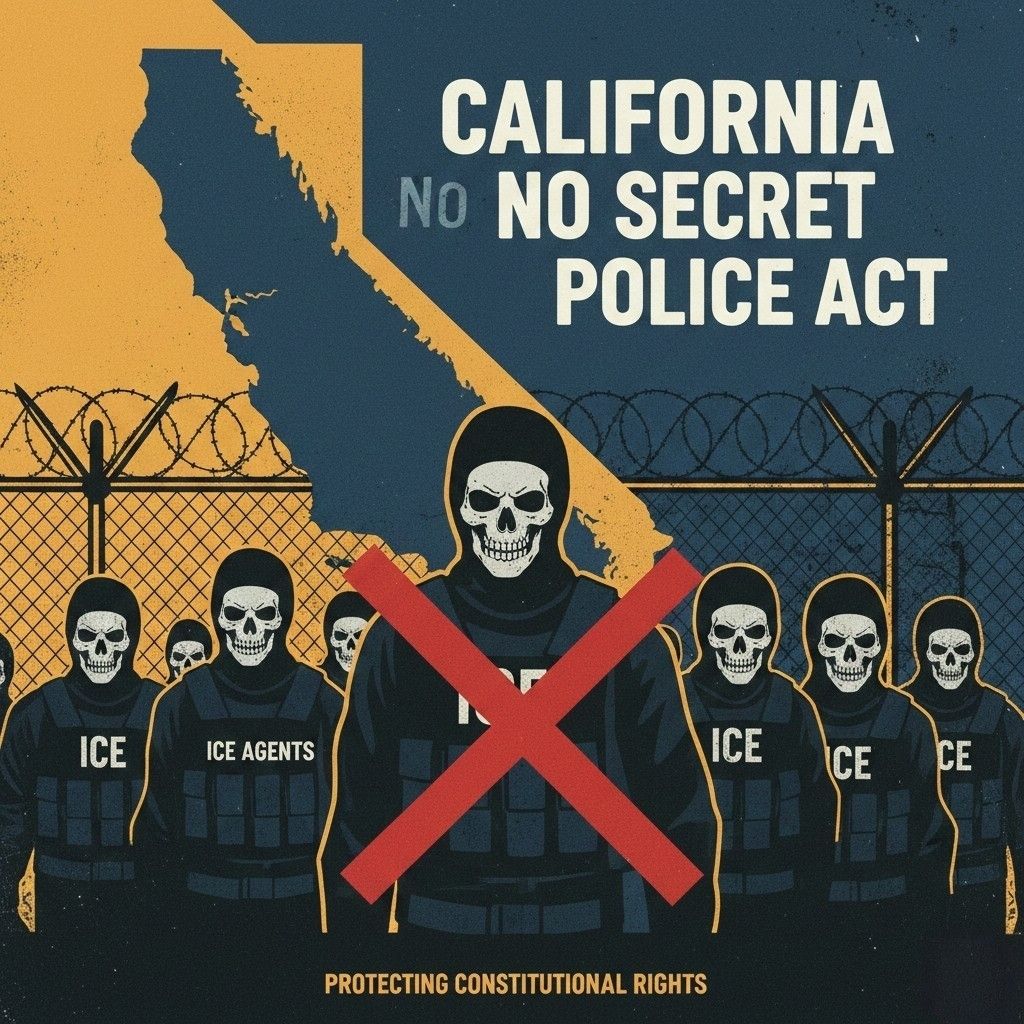
Editorial: La “Ley de No a la Policía Secreta” de California se convierte en ley: un paso revolucionario hacia la transparencia policial enfrenta oposición federal

La “Ley de No Policía Secreta” – SB 627 entra en vigor a partir del 1 de enero de 2026.

La “Ley de No a la Policía Secreta”, una legislación revolucionaria que prohíbe a todos los agentes del orden público que trabajan en el estado, incluidos los agentes federales (como los de ICE o CBP) y el personal de otros estados, usar mascarillas que oculten su identidad mientras están de servicio, se implementó en California a partir del 1 de enero de 2026, de acuerdo con el Proyecto de Ley Senatorial 627. La prohibición se dirige particularmente a las mascarillas “extremas”, como pasamontañas o pasamontañas, que ocultan los rasgos faciales hasta el punto de que un agente no puede ser fácilmente reconocido por su nombre o número de placa.

La creciente preocupación pública por la posibilidad de que funcionarios federales no identificados llevaran a cabo operativos, en particular de control migratorio, en grandes ciudades de California, completamente enmascarados y sin ningún medio de identificación, condujo a la legislación. Los críticos compararon estos métodos con los utilizados en regímenes autoritarios, alegando que erosionaban la confianza de la comunidad y fomentaban el miedo en lugar de la seguridad. Al exigir que todas las personas que ejercen la autoridad policial en el estado sean claramente identificables, la SB 627 busca restablecer la rendición de cuentas.

Para el 1 de julio de 2026, todas las fuerzas del orden, incluyendo las locales, estatales, federales e incluso los grupos de trabajo visitantes de otros estados, deberán implementar y publicar políticas escritas que rijan el uso de mascarillas faciales de acuerdo con la nueva legislación. Como reflejo del serio propósito de la legislatura, las infracciones pueden dar lugar tanto a litigios civiles como a sanciones penales. No obstante, esta estrategia de cumplimiento ha suscitado preocupación: sobre todo en casos de alta visibilidad o sensibilidad política, los críticos advierten que la identificación de los agentes podría exponerlos al acoso en internet, la difusión de información personal o represalias.

La transparencia es esencial en una democracia, según sus defensores. Durante el debate del proyecto de ley, un asistente legislativo declaró: «Si el público no sabe quién lo vigila, no puede haber una policía responsable». La legislación también aborda una amenaza real: la posibilidad de que delincuentes se hagan pasar por agentes del orden. El proyecto de ley SB 627 busca eliminar la ambigüedad que podría facilitar el fraude o la violencia al aumentar la cantidad de videos virales que muestran a personas enmascaradas ejerciendo su autoridad.

Sin embargo, existe una oposición inmediata y firme a la legislación. En entornos donde los agentes federales se enfrentan a amenazas de cárteles, traficantes de personas o extremistas nacionales, el Departamento de Seguridad Nacional de EE. UU. (DHS) ha declarado inconstitucional la SB 627, alegando que les impide desempeñar sus responsabilidades de forma segura. El DHS ha indicado que planea impugnar la legislación en los tribunales bajo el concepto de primacía federal y sostiene que el estado no tiene jurisdicción sobre las acciones de las fuerzas del orden federales.

Este conflicto legal sienta las bases para una posible batalla constitucional en la Corte Suprema de Estados Unidos sobre el conflicto entre los derechos estatales y la autoridad federal. Mientras tanto, el audaz experimento de California sirve como un caso de prueba nacional: ¿Tiene un estado la autoridad para exigir transparencia a todos los que portan una placa en su territorio, independientemente de su jurisdicción?

Al redefinir los límites éticos y visuales de la policía contemporánea, la SB 627 tiene el potencial de servir de modelo para leyes similares en todo el país si recibe apoyo. En una época donde las fronteras entre la autoridad estatal y federal son cada vez más difusas, podría fortalecer los límites del poder estatal si se rechaza. En cualquier caso, California ha reabierto un debate crucial sobre quién vigila a los vigilantes y si se les debería permitir usar mascarilla.

Aunque este estatuto está formalmente en vigor a partir de enero de 2026, el Estado de California y el gobierno federal ahora están envueltos en una importante disputa legal al respecto.

Disposiciones principales de la Ley de No a la Policía Secreta (SB 627)

  • Prohibición de mascarillas: Prohíbe a los agentes del orden público locales y federales utilizar pasamontañas, máscaras de esquí o polainas para el cuello que cubran sus rostros mientras están de servicio.
  • Requisitos de identificación: Los uniformes, nombres o números de placa deben facilitar la identificación de los agentes del orden. La Ley de No Vigilantes (SB 805), que aborda en particular las tácticas de “policía secreta” empleadas en recientes redadas de inmigración, suele ir acompañada de esto.

Resultados de las infracciones:

  • Responsabilidad civil: Los oficiales que usan máscaras cuando cometen agravios (como arrestos falsos o asaltos) pierden algunas de sus protecciones legales (inmunidad calificada) y pueden estar sujetos a una multa civil mínima de $10,000.
  • Cargos criminales: El incumplimiento de la prohibición de usar mascarillas puede ser procesado como un delito menor.

Situación jurídica vigente (enero de 2026)

Debe tener en cuenta los siguientes cambios, aunque la legislación entró en vigor el 1 de enero de 2026:

  • Demanda federal: El Departamento de Justicia de los Estados Unidos (DOJ) presentó una demanda contra California, alegando que el estado no puede regular las acciones de los agentes federales (ICE, Patrulla Fronteriza). Afirman que esto contraviene la “Cláusula de Supremacía” de la Constitución.
  • Orden judicial temporal: A fines de diciembre de 2025, un tribunal federal (la jueza Christina A. Snyder) emitió una orden judicial temporal sobre la aplicación de ciertas disposiciones de la ley contra funcionarios federales mientras el caso está pendiente de sentencia.
  • Conflicto sobre el terreno: Algunos fiscales de distrito de California, como los de San Francisco, han dicho que planean aplicar la ley agresivamente e incluso han insinuado que la policía local podría arrestar a los agentes federales que violen estas leyes estatales.

Las excepciones de la ley

Aunque la ley tiene algunas restricciones sobre el uso de mascarillas, hay situaciones particulares en las que está permitido:

  • Operaciones Encubiertas: Con el fin de garantizar la seguridad de los agentes en posiciones encubiertas.
  • Equipo médico/táctico: Cascos tácticos estándar o máscaras de grado médico, como las N95, que se usan por razones de salud.
  • Incendio/Situaciones peligrosas: Máscaras que brindan protección física contra peligros ambientales.