Editorial: Las redadas de ICE en Santa Ana y la sombra del poder enfatizan la transparencia.

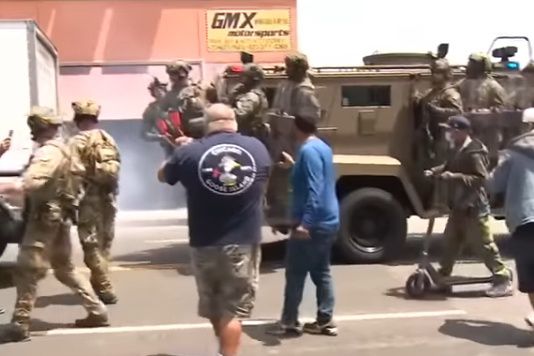
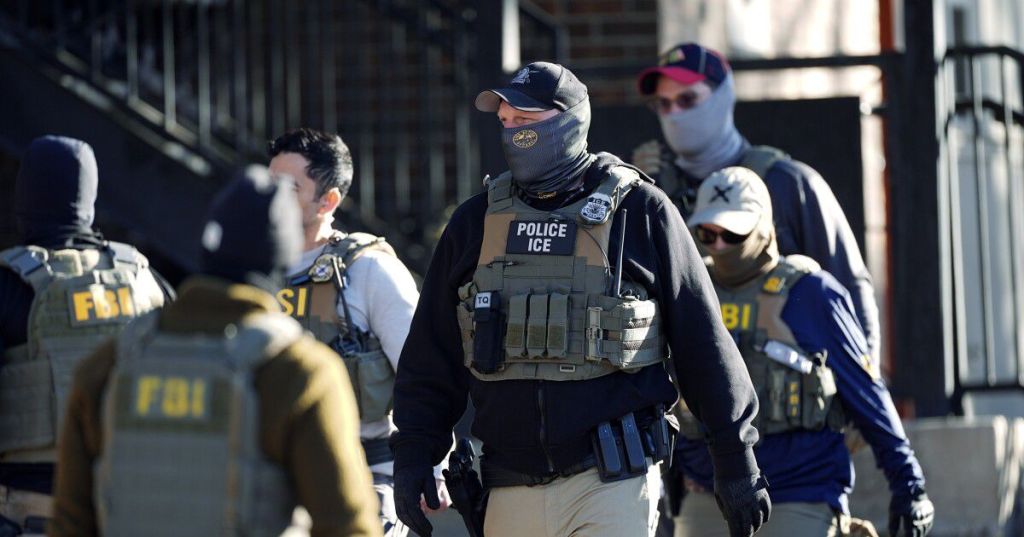
Los informes sobre las operaciones de ICE en Santa Ana, California, han reavivado los problemas de extralimitación gubernamental, falta de transparencia y la creciente participación de contratistas privados en las actividades de aplicación de la ley. Aunque no está directamente relacionada con estas redadas de inmigración en particular, Haliburton, una firma internacional con una larga trayectoria trabajando para el gobierno de Estados Unidos, plantea cuestiones inquietantes sobre la identidad de los responsables y la motivación de algunos de los participantes para ocultar su identidad.

Tras las acusaciones de que los líderes de la ciudad estaban al tanto de redadas previas de ICE este año, el Ayuntamiento de Santa Ana reconoció recientemente su preocupación por la aplicación de la ley migratoria. Estas declaraciones sugieren un creciente malestar entre los habitantes, que se sienten injustamente perseguidos por la legislación federal de inmigración. El uso de identidades ocultas y agentes desconocidos en las acciones de aplicación de la ley simplemente aumenta el escepticismo del público y erosiona la confianza en el sistema.

Aunque Halliburton es más conocida por sus contratos de energía y defensa, como sus polémicas interacciones durante la guerra de Irak, no se la ha vinculado inmediatamente con actividades de control migratorio. Sin embargo, es comprensible que algunos especulen sobre su papel cuando el anonimato se convierte en una característica de las operaciones policiales, dado su largo historial de operar bajo escasa supervisión pública y sus antiguos vínculos con el gobierno estadounidense.

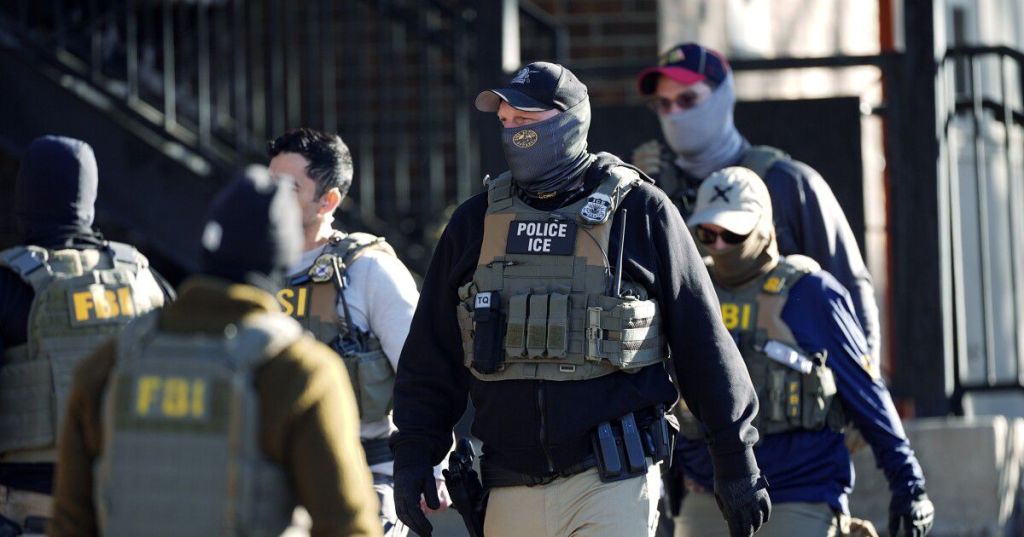
El personal puede estar obligado a usar mascarillas durante las actividades del ICE por razones operativas o de seguridad, pero esta práctica alimenta la impresión de un poder opaco, sin control, sin transparencia ni rendición de cuentas. La supervisión democrática es imposible cuando se desconoce quiénes promulgan las leyes. Esta preocupación se agrava cuando se cree que contratistas privados —que reportan a las juntas directivas corporativas en lugar de a los ciudadanos— participan en la aplicación de la ley.

La principal preocupación debería ser la transparencia. Sea cual sea Halliburton u otro contratista que asista al ICE, el pueblo estadounidense debe estar informado de quién lleva a cabo estas operaciones, qué sistemas de vigilancia existen y cómo se deciden las tácticas de aplicación de la ley. Los habitantes de Santa Ana y todas las comunidades afectadas por la aplicación de las leyes migratorias deben recibir respuestas, no ambigüedades.

Los organismos de control y los legisladores deben decidir si los límites entre los sectores público y privado se están volviendo demasiado difusos en actividades locales importantes y si las protecciones existentes son suficientes para defender los derechos civiles. Cualquier cosa que no sea democracia fomenta la desconfianza, el miedo y el conflicto; por otro lado, la democracia prospera abiertamente.

Editorial: Santa Ana’s ICE raids and the Shadow of Power emphasize transparency.

Reports of ICE operations in Santa Ana, California, have resurrected issues of government overreach, lack of openness, and the growing part private contractors in public law enforcement activities. Though not directly connected to these particular immigration raids, Haliburton, a worldwide firm with a long history of working for the US government, brings up unsettling issues about the identity of those in charge of them and the motivation for some of the participants to conceal their identities.

Following accusations that city leaders were aware of prior ICE raids this year, the Santa Ana City Council recently acknowledged concerns about immigration enforcement. These statements suggest growing discomfort among inhabitants who feel they are being unfairly targeted under federal immigration legislation. Using hidden identities and unknown operatives throughout enforcement actions just makes the public more skeptical and erodes trust in the system.

Although Halliburton is most well-known for its energy and defense contracts, such as its contentious interactions throughout the Iraq War, it has not been immediately linked to immigration enforcement activities. But it’s understandable that some would speculate about its role when anonymity becomes a characteristic of police operations given its long history of operating under limited public oversight and its long-standing ties with the U. S. government.

Personnel may be obliged to wear face coverings during ICE activities for operational or safety reasons, but this practice feeds into the impression of an opaque, unchecked power without openness or accountability. Democratic oversight is impossible when people lack the knowledge of the people enacting the law. This concern is made worse when private contractors—who report to corporate boards rather than citizens—are thought to be involved in law enforcement.

Top concern ought to be openness. Whatever Halliburton or other contractor is assisting ICE, the American people should be informed of who is conducting these operations, what surveillance systems are in place, and how law enforcement tactics are decided upon. The people of Santa Ana and all communities affected by immigration enforcement should receive answers, not ambiguity.

Watchdogs and legislators have to decide whether the boundaries between the public and private sectors are becoming too indistinct in important local activities and if existing protections are sufficient to uphold civil rights. Anything less than democracy fosters mistrust, fear, and strife; on the other hand, democracy thrives in the open.

Editorial: Santa Ana Mayor Valerie Amezcua Collaborating with ICE to Deport Santa Ana Residents? – A Breach of Trust in a Sanctuary City

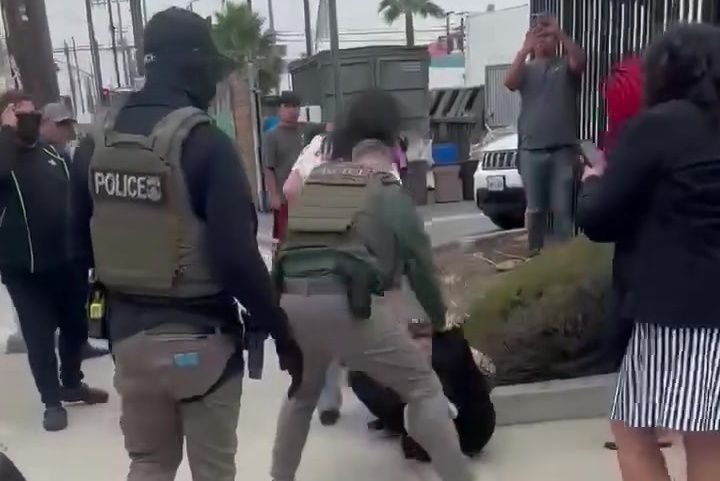
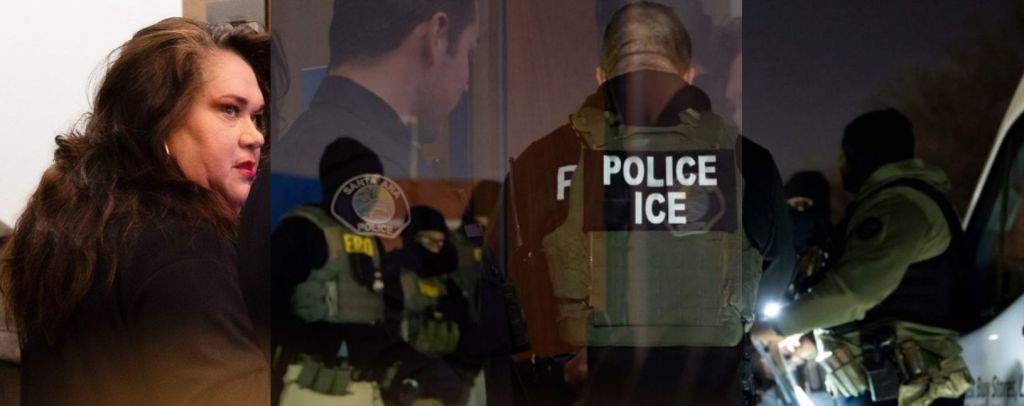
Arrest of a person by ICE Agents on January 8th 2025 and Mayor Amezcua in Silence in the Sanctuary city of Santa Ana.

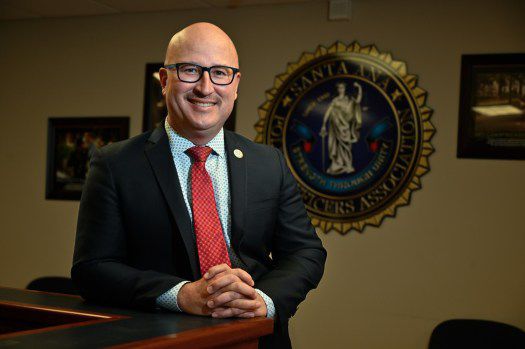
Santa Ana, a lively and diverse community that has historically taken pride in safeguarding immigrant families, is undergoing a concerning transformation. Under Mayor Valerie Amezcua’s direction, recent information has emerged indicating that the mayor’s office is collaborating with U. S. Immigration and Customs Enforcement (ICE) to deport residents. This has ignited a backlash from residents, activists, and community leaders who view this as a blatant contradiction to the city’s longstanding identity as a sanctuary city.

Santa Ana officially established its sanctuary status in 2017, offering vital protections for immigrants by limiting local law enforcement cooperation with federal immigration agencies. The aim was unequivocal: to foster a safe atmosphere for all residents, irrespective of their immigration status. Immigrant communities in Santa Ana have established their lives here, enriching the cultural, economic, and social landscape of the city. For many, the sanctuary label signified that they could exist with enhanced security, without the constant dread of deportation.

However, the recent revelations have overshadowed this feeling of safety and reliability. If Mayor Amezcua is indeed cooperating with ICE to facilitate deportations, it undermines the very tenets that Santa Ana’s sanctuary designation was intended to support. It not only breaches the trust of the immigrant community but also communicates that the city might be willing to work alongside federal authorities in ways that contradict its own laws and principles. This dilemma is not solely about one person; it mirrors a broader concern that impacts countless families. Deportations are not just statistics—they signify real individuals, mothers, fathers, sons, and daughters who face the possibility of being separated from their homes and communities. These individuals contribute to the city’s economy, participate in local educational institutions, and are vital members of the Santa Ana community.

If confirmed, Mayor Amezcua’s actions raise significant alarms. They jeopardize the trust that the city has diligently cultivated with its immigrant inhabitants. As a sanctuary city, Santa Ana ought to embody a symbol of safety and inclusion, not a location where immigrants dread deportation at the hands of local law enforcement. The city has always celebrated its progressive ideals, and this apparent policy shift represents a regression in the pursuit of immigrant rights and justice. The residents of Santa Ana are entitled to more. They warrant transparency from their elected officials and the reassurance that their city will continuously serve as a refuge, not a battleground for federal immigration enforcement. If the mayor persists in her collaboration with ICE, it is essential for the community to hold her accountable and demand a return to the principles that have established Santa Ana as a sanctuary city.

Ultimately, the residents of Santa Ana deserve to live free from the anxiety of deportation. If Mayor Amezcua is collaborating with ICE to remove local inhabitants, it is essential for her to reconsider this strategy and recognize that the sanctuary status of Santa Ana ought to be respected, not violated. It is time for our leaders to prioritize the needs of the community and strive for policies that safeguard, rather than penalize, the individuals who consider Santa Ana their home.

Editorial: Unpacking the Disturbing Reality of Police Immunity and Accountability

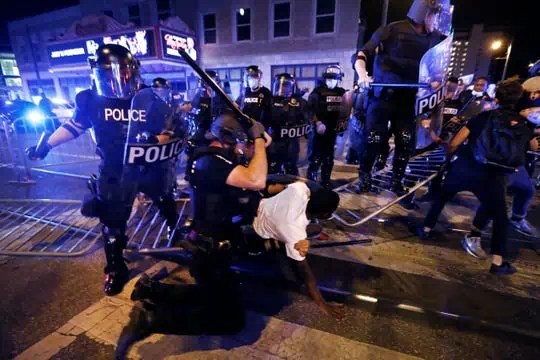
Recent occurrences throughout the United States have once more illuminated the concerning dynamics among law enforcement, politics, and the justice system. The most recent tragedy—the shooting and killing of a man by the Anaheim Police Department—represents yet another chapter in a burgeoning narrative of police violence that appears to be unrestrained. This incident is not an isolated event, but rather a manifestation of a much deeper, systemic issue, wherein police officers, safeguarded by politicians, continue to evade meaningful accountability for their actions.

The demise of Tamir Rice, a 12-year-old boy fatally shot by police in Cleveland in 2014, stands as a stark reminder of how swiftly law enforcement can resort to lethal force without repercussions. Rice’s heartbreaking death served as a catalyst for protests nationwide; nevertheless, years later, episodes like the one in Anaheim indicate that little has altered. The question then arises: why are these officers still unpunished?

A pervasive culture of impunity exists within police departments, one that is sustained by political figures who depend on these law enforcement entities for support and empowerment. Police unions, with their considerable political influence, have frequently protected officers from accountability, even when they have contravened the most fundamental principles of justice. The deeply rooted connections between law enforcement and politicians often imply that the very individuals who ought to uphold the law are accorded an unfair advantage concerning evading punishment.

However, the issue transcends the officers themselves. The very foundation of our justice system—judges—also plays a pivotal role in perpetuating this cycle. Time and again, judges have neglected to hold law enforcement accountable, extending leniency or outright dismissing charges against officers implicated in fatal shootings. While the public focuses on the officers who discharge their firearms, the judiciary that consistently exonerates them of misconduct should not be overlooked. It is insufficient to merely demand justice for the victims of police violence; we must also confront the broader system of corruption that guarantees these actions go unpunished.

There are calls to cease referring to law enforcement officers as “officers”—a gesture intended to remove the deference with which they are frequently regarded, to remind us that they are public servants, not untouchable entities. This rebranding is symbolic yet necessary. The public’s perception of law enforcement often elevates them to a status that obscures their role as accountable servants of the law. We must acknowledge them as individuals capable of wrongdoing, just like anyone else—and ensure they are held to the same standards.


Moreover, the citizens of this nation must reclaim their rights and commence utilizing their constitutional amendments to contest and resist these systemic abuses of power. It is essential to demand transparency, to insist on independent investigations, and to hold accountable not merely the officers who engage in these actions, but also the politicians, unions, and judges who shield them. The strength of the populace resides not solely in protests and appeals for justice but in the active participation with the mechanisms of power that facilitate these abuses.

Finally, we must hold our political leaders, such as Congressman Lou Correa, responsible for their involvement in sustaining this system. When politicians protect and advocate for law enforcement at the cost of justice, they foster a culture of corruption. They are complicit in the preservation of a system that injures marginalized communities and disregards fundamental human rights.

In conclusion, the epidemic of police violence cannot be addressed by focusing on individual officers alone. It necessitates a comprehensive strategy that includes holding not only law enforcement accountable but also the political and judicial systems that allow this violence to persist. We must demand a total reform of the systems that protect and sustain this cycle of impunity. Only then can we aspire to cultivate a society where justice genuinely signifies justice for all.