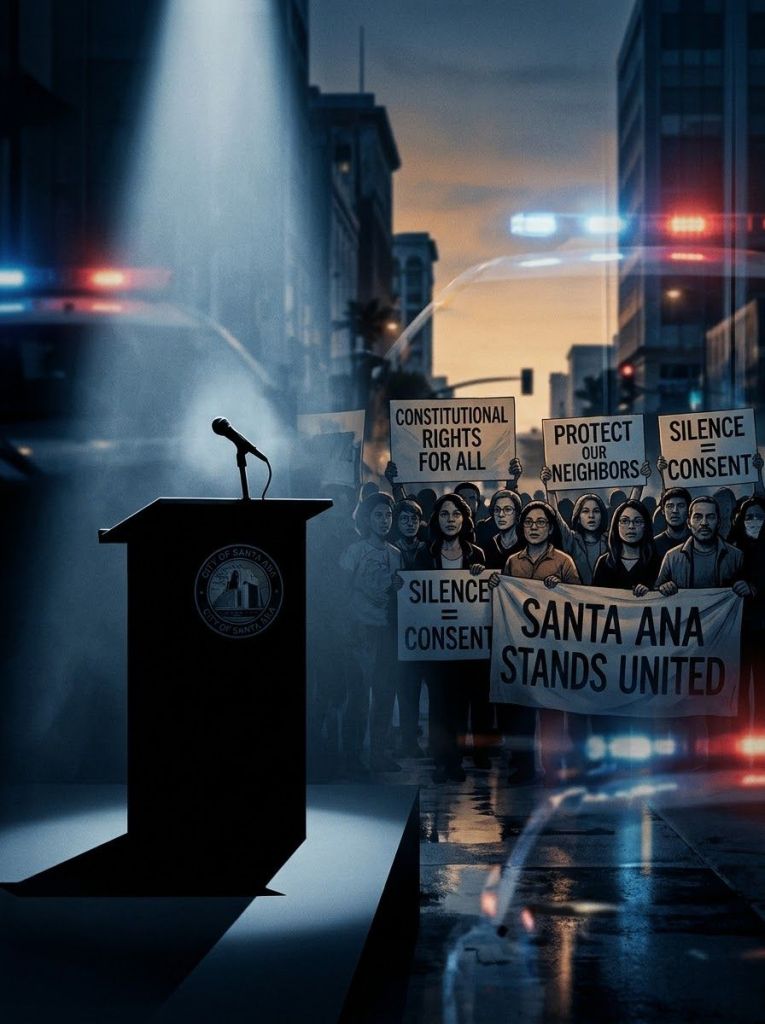


Editorial: En Santa Ana, la línea entre la labor policial local y la colusión federal ha desaparecido

OFICIAL DE LA POLICÍA DE SANTA ANA LEVANTANDO EL PULGAR MIENTRAS ICE ESTÁ ESTACIONADO EN LA ZONA ROJA FRENTE A LA JEFATURA DEL SAPD.

Santa Ana se enorgullece de ser el corazón palpitante del Condado de Orange: una comunidad vibrante de clase trabajadora que se declaró oficialmente ciudad santuario bajo la Ley de Valores de California (Proyecto de Ley del Senado 54). Sin embargo, hoy en día en las calles de Santa Ana, ese estatus de santuario parece menos un compromiso legal y más un eslogan vacío. Bajo la supervisión de la alcaldesa Valerie Amezcua y el Concejo Municipal de Santa Ana, la frontera entre las fuerzas del orden locales y el Servicio de Inmigración y Control de Aduanas de Estados Unidos (ICE, por sus siglas en inglés) se ha desdibujado hasta desaparecer. Mientras los funcionarios recitan discursos preparados sobre el cumplimiento de las leyes estatales, los residentes que observan las calles saben la verdad: el Departamento de Policía de Santa Ana (SAPD) no solo se queda de brazos cruzados, sino que facilita activamente los abusos federales.

Un doble estándar a plena vista

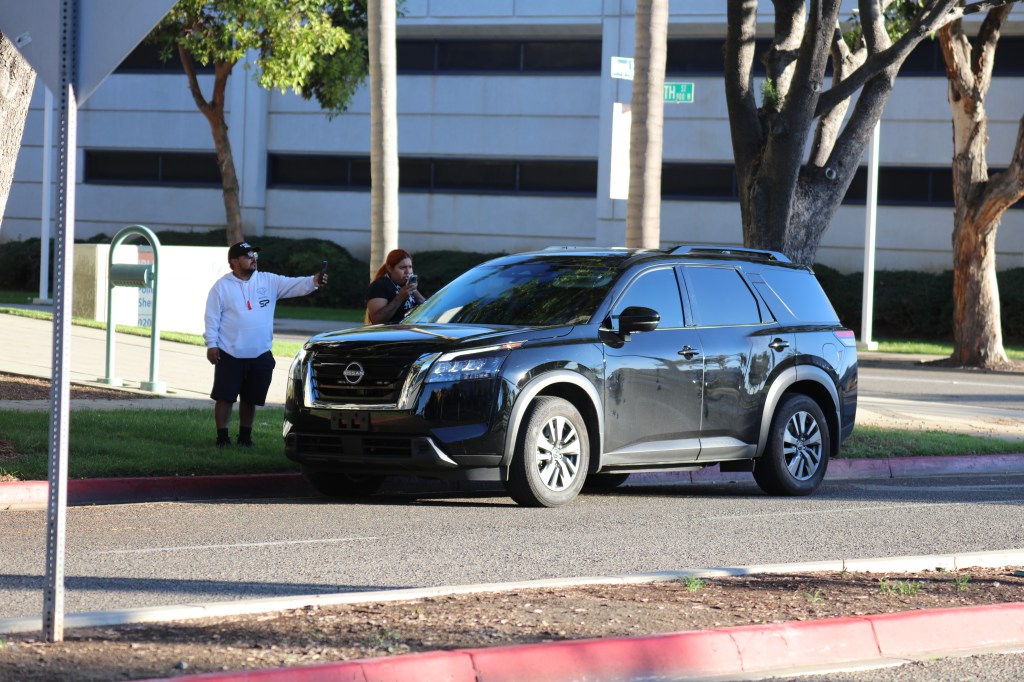
AGENTES DE ICE ESTACIONADOS ALLÍ DURANTE HORAS Y EL SAPD AL OTRO LADO SOLO MIRANDO PORQUE HABÍA ACTIVISTAS EN LA ESCENA DOCUMENTANDO.

No se necesita un título en derecho para notar el evidente doble estándar que ocurre en toda Santa Ana; basta con mirar a quién se arresta y a quién se ignora. Todos los días, activistas comunitarios y observadores legales se apostan frente al Edificio Federal Chet Holifield en Santa Ana Boulevard para documentar pacíficamente los operativos federales. Cuando los agentes de ICE deciden que no les gusta ser observados, llaman al SAPD, y el SAPD obedece.

El ejemplo más indignante ocurrió en octubre de 2026, cuando agentes del SAPD arrestaron a dos observadoras locales de los derechos de los inmigrantes, Madison Crabill y Adilene Tonoco, justo frente a la jefatura de policía después de que agentes de ICE fuera de servicio se quejaran de que las estaban vigilando. La policía les imputó cargos de acecho, conspiración criminal y obstrucción a un agente del orden. Sin embargo, la Fiscalía del Distrito del Condado de Orange se negó posteriormente a presentar cargos penales por falta de pruebas, exponiendo los arrestos por lo que realmente eran: intimidación avalada por el estado contra ciudadanos que ejercían sus derechos de la Primera Enmienda.

Comparemos esa rápida respuesta policial con lo que sucede cuando los residentes de Santa Ana llaman al 911 para reportar un peligro real. Cuando los miembros de la comunidad denuncian a agentes federales enmascarados y vestidos de civil que blanden armas de fuego, cometen atropellos y fugas en autos sin identificar y sin placas, o agreden a los residentes, la urgencia del SAPD se evapora. Mientras tanto, vehículos sin identificación de ICE se estacionan ilegalmente en zonas rojas frente a la jefatura del SAPD y la Cárcel de Santa Ana durante horas, acechando para capturar a las personas en el momento en que quedan en libertad. Una coordinación similar ha manchado al Departamento del Sheriff del Condado de Orange, donde varios agentes fueron captados en video ayudando a ICE frente a las instalaciones de la cárcel del condado después de que los funcionarios negaran rotundamente hacerlo. Cuando la policía local arresta a observadores pacíficos a petición de ICE mientras hace la vista gorda ante la imprudencia federal, “colusión” no es una exageración: es una descripción exacta.

Un Ayuntamiento dividido y el precio de la deuda política

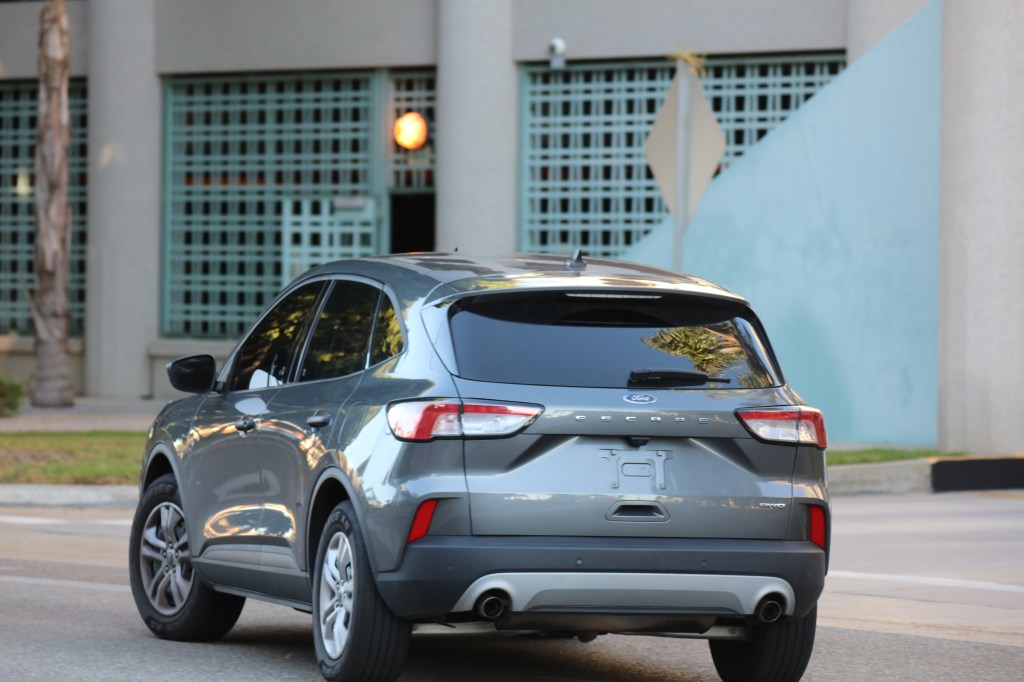
ESTE AGENTE DE ICE QUE TAMBIÉN ESTABA ESTACIONADO EN LA ZONA ROJA FRENTE A LA JEFATURA DEL SAPD Y LAS PATRULLAS CONDUCIENDO SIN PLACAS.

Los arrestos de octubre de 2026 fracturaron el Ayuntamiento de Santa Ana, exponiendo una profunda división entre los concejales dispuestos a defender los derechos constitucionales y una alcaldesa paralizada por la lealtad política.

A las veinticuatro horas de los arrestos, varios concejales se unieron a los defensores comunitarios frente a la Cárcel de Santa Ana para reprobar públicamente la conducta del SAPD:

  • La concejala Jessie Lopez desmanteló en el acto la justificación del departamento, señalando lo absurdo de acusar a ciudadanos de “obstruir” a agentes que supuestamente estaban fuera de servicio. “¿Desde cuándo observar a agentes del gobierno se convirtió en motivo de arresto?”, cuestionó, exigiendo que el liderazgo de la ciudad frene la deferencia automática del SAPD hacia las llamadas de ICE.
  • El concejal Johnathan Ryan Hernandez trazó una línea inconfundible contra la interferencia federal, declarando tajantemente que “la Policía de Santa Ana no trabaja para ICE” y afirmando que filmar a las fuerzas del orden en público es un derecho constitucional, no un delito.
  • El concejal Benjamin Vazquez se mantuvo junto a las observadoras afectadas frente a la cárcel, asegurando a la comunidad que los concejales defenderían activamente a los residentes contra las represalias policiales.

Sin embargo, mientras los concejales enfrentaban la crisis de frente, la alcaldesa Valerie Amezcua esperó dos días completos antes de ofrecer una respuesta pública, repitiendo su tardía reacción durante las redadas federales iniciales de inmigración en junio de 2025. Entretanto, el jefe de policía Robert Rodriguez redobló su postura, defendiendo a sus agentes e insistiendo en que el departamento no participa en el control migratorio.

¿Por qué el liderazgo ejecutivo del Ayuntamiento se niega a exigirle cuentas al departamento? Sigamos el rastro del dinero. El ascenso político de la alcaldesa Amezcua fue fuertemente financiado por la Asociación de Oficiales de Policía de Santa Ana (SAPOA). Cuando el sindicato policial financia tu campaña, confrontar al departamento se vuelve políticamente inconveniente. Y aunque los defensores legales invocan la Cláusula de Supremacía y la inmunidad intergubernamental para excusar la inacción local, ese escudo solo protege a los funcionarios federales que ejecutan deberes constitucionales legales; no es una licencia para pisotear los derechos civiles ni para utilizar a la policía local como arma contra ciudadanos pacíficos.

Es hora de que el Ayuntamiento haga cumplir la ley
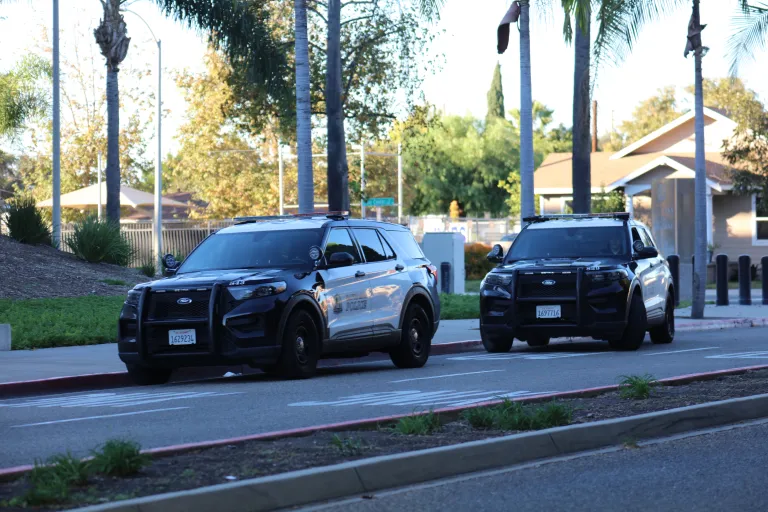
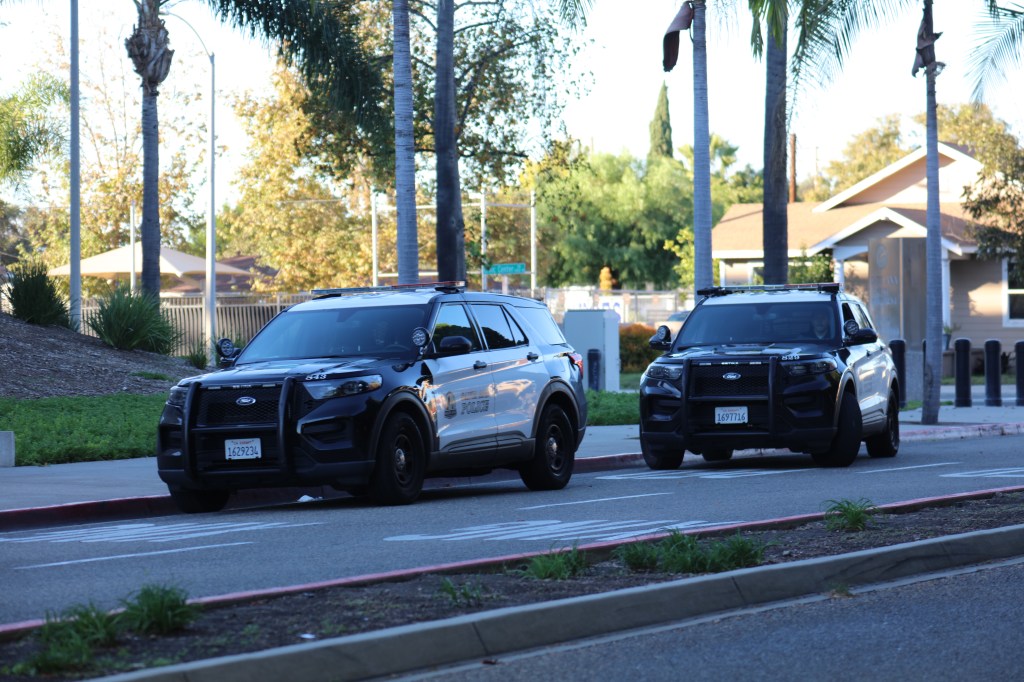
AFUERA DE LA JEFATURA DE POLICÍA DE SANTA ANA (SAPD), MIENTRAS VEHÍCULOS DE ICE ESTABAN FRENTE A ELLOS EN LA JEFATURA DEL SAPD ESTACIONADOS EN LA ZONA ROJA ACECHANDO A LA GENTE.

Los residentes de Santa Ana no votaron por una ciudad santuario solo de nombre, ni eligieron líderes para subcontratar la autoridad municipal a agentes federales de inmigración. Si el Ayuntamiento quiere restaurar la confianza pública, debe dejar de esconderse tras excusas jurisdiccionales y comenzar a ejercer el poder que ya posee:

  • Someter los vehículos federales a las normas locales de estacionamiento y tránsito: Ordenar al SAPD y a los agentes de control de estacionamiento de la ciudad que dejen de otorgar inmunidad informal a los autos federales sin identificación; multar y remolcar cualquier vehículo estacionado ilegalmente en zonas rojas frente a la cárcel y la jefatura de policía.
  • Garantizar la rendición de cuentas pública en respuestas conjuntas: Exigir que el SAPD publique registros detallados cada vez que los agentes respondan a una escena que involucre a agentes federales de inmigración, demostrando que la policía financiada por los contribuyentes no está sirviendo como respaldo de ICE.
  • Iniciar supervisión independiente y remisiones penales: Instruir a la Comisión de Supervisión Policial para que audite los arrestos de octubre de 2026 —incluido el posible uso indebido de las líneas de despacho del 911 por parte de agentes federales— y establecer procedimientos claros para remitir directamente a los fiscales estatales las denuncias ciudadanas de atropellos con fuga, agresiones y exhibición de armas por parte de personal federal.

California es un estado soberano y Santa Ana es una ciudad regida por sus propias leyes y valores. Cada día que los oficiales del SAPD miran hacia otro lado mientras los agentes federales infringen las leyes locales —y cada día que arrestan a los activistas lo suficientemente valientes para filmarlo— el Ayuntamiento se vuelve cómplice. Los líderes de Santa Ana deben tomar una decisión: defender los derechos constitucionales de las personas a las que representan, o admitir que su promesa de ciudad santuario nunca tuvo la intención de cumplirse.


Editorial: In Santa Ana, the Line Between Local Policing and Federal Collusion Has Vanished

SANTA ANA PD OFFICER GIVING A THUMBS UP WHILE ICE IS PARKED IN THE RED ZONE IN FRONT OF SAPD HEADQUATERS.

Santa Ana prides itself on being the beating heart of Orange County—a vibrant, working-class community that officially declared itself a sanctuary city under the California Values Act (Senate Bill 54). Yet on the streets of Santa Ana today, that sanctuary status looks less like a legal commitment and more like a hollow slogan. Under the watch of Mayor Valerie Amezcua and the Santa Ana City Council, the boundary between local law enforcement and U.S. Immigration and Customs Enforcement (ICE) has blurred to the point of disappearance. While officials recite talking points about state compliance, residents watching the streets know the truth: the Santa Ana Police Department (SAPD) isn’t just standing by—it is actively enabling federal overreach.

A Double Standard Written in Plain Sight

ICE AGENTS PARKED THERE FOR HOURS AND SAPD ON THE OTHER SIDE JUST WATCHING BECAUSE ACTIVISTS WERE ON THE SCENE DOCUMENTING.

You do not need a law degree to see the glaring double standard playing out across Santa Ana; you only need to look at who gets arrested and who gets ignored. Every day, community activists and legal observers stand outside the Chet Holifield Federal Building on Santa Ana Boulevard to peacefully document federal enforcement. When ICE agents decide they don’t like being watched, they call SAPD—and SAPD obliges.

The most egregious example occurred in October 2026, when SAPD officers arrested two local immigrant-rights observers, Madison Crabill and Adilene Tonoco, right outside police headquarters after off-duty ICE agents complained about being monitored. Police slapped the women with allegations of stalking, criminal conspiracy, and obstructing a peace officer. Yet the Orange County District Attorney’s Office later refused to file criminal charges due to insufficient evidence, exposing the arrests for what they truly were: state-sanctioned intimidation of citizens exercising their First Amendment rights.

Compare that swift police response to what happens when Santa Ana residents dial 911 to report actual danger. When community members report plainclothes, masked federal agents brandishing firearms, committing vehicular hit-and-runs in unmarked, unlicensed cars, or assaulting residents, SAPD’s urgency evaporates. Meanwhile, unmarked ICE vehicles park illegally in red zones outside SAPD headquarters and the Santa Ana Jail for hours, lying in wait to snatch people the moment they walk free. Similar coordination has tainted the Orange County Sheriff’s Department, where deputies were caught on video assisting ICE outside county jail facilities after officials flatly denied doing so. When local police arrest peaceful observers at ICE’s beck and call while turning a blind eye to federal recklessness, “collusion” isn’t hyperbole—it is an accurate description.

A Divided City Hall and the Price of Political Debt

THIS ICE AGENT WHO WAS ALSO PARKED ON THE RED ZONE ACROSS FROM SAPD HEADQUATERS AND PATROL CARS DRIVING AROUND WITH NO LICENSE PLATES.

The October 2026 arrests fractured Santa Ana’s City Hall, exposing a stark divide between councilmembers willing to defend constitutional rights and a mayor paralyzed by political allegiance.

Within twenty-four hours of the arrests, several councilmembers joined community advocates outside the Santa Ana Jail to publicly rebuke SAPD’s conduct:

  • Councilmember Jessie Lopez dismantled the department’s justification on the spot, calling out the absurdity of charging citizens with “obstructing” agents who were supposedly off the clock. “Since when did watching government agents become grounds for arrest?” she asked, demanding that city leadership curb SAPD’s automatic deference to ICE calls.
  • Councilmember Johnathan Ryan Hernandez drew an unmistakable boundary against federal interference, stating flatly that “Santa Ana PD does not work for ICE” and affirming that filming law enforcement in public is a constitutional right, not an offense.
  • Councilmember Benjamin Vazquez stood alongside the targeted observers outside the jail, assuring the community that councilmembers would actively defend residents against retaliatory policing.

Yet while councilmembers confronted the crisis head-on, Mayor Valerie Amezcua waited two full days before offering a public response—echoing her delayed reaction during the initial federal immigration raids in June 2025. Meanwhile, Police Chief Robert Rodriguez doubled down, defending his officers and insisting the department does not participate in immigration enforcement.

Why does City Hall’s executive leadership refuse to hold the department accountable? Follow the money. Mayor Amezcua’s political rise was heavily bankrolled by the Santa Ana Police Officers Association (SAPOA). When the police union finances your campaign, confronting the department becomes politically inconvenient. And while legal defenders invoke the Supremacy Clause and intergovernmental immunity to excuse local inaction, that shield only protects federal officers executing lawful constitutional duties—it is not a license to trample civil rights or weaponize local police against peaceful citizens.

It Is Time for City Hall to Enforce the Law

OUTSIDE SAPD HEADQUATERS AS ICE VEHICLES WERE ACROSS FROM THEM AT SAPD HEADQUATERS PARKED ON THE RED STALKING PEOPLE.

Santa Ana’s residents did not vote for a sanctuary city in name only, nor did they elect leaders to outsource municipal authority to federal immigration agents. If City Hall wants to restore public trust, it must stop hiding behind jurisdictional excuses and start exercising the power it already possesses:

  • Hold Federal Vehicles to Local Parking and Traffic Rules: Order SAPD and parking enforcement to stop granting informal immunity to unmarked federal cars—ticket and tow any vehicle parked illegally in red zones outside the jail and police headquarters.
  • Guarantee Public Accountability on Joint Responses: Require SAPD to release detailed, public logs every time officers respond to a scene involving federal immigration agents, proving that taxpayer-funded police are not serving as ICE’s backup.
  • Launch Independent Oversight and Criminal Referrals: Direct the Police Oversight Commission to audit the October 2026 arrests—including potential misuse of 911 dispatch by federal agents—and establish clear procedures to refer citizen reports of hit-and-runs, assaults, and weapon brandishing by federal agents directly to state prosecutors.

California is a sovereign state, and Santa Ana is a city governed by its own laws and values. Every day that SAPD officers look the other way while federal agents break local laws—and every day they arrest the activists brave enough to film it—City Hall becomes complicit. Santa Ana’s leaders must make a choice: stand up for the constitutional rights of the people they represent, or admit that their sanctuary promise was never meant to be kept.

The Cost of Silence: Why Santa Ana’s Mayor Refused to Stand Against ICE

When off-duty federal immigration agents in Santa Ana called 911 claiming they were being followed by civilian observers, the Santa Ana Police Department (SAPD) responded not by investigating the federal operation, but by arresting two community activists—Madison Crabill and Adilene Tonoco—on suspicion of felony stalking.

For a city that prides itself on being Orange County’s premier sanctuary municipality, the event exposed a striking contradiction. While grass-roots organizers and civil rights advocates rightfully pointed out that physical oversight of federal agents is protected First Amendment activity, Mayor Valerie Amezcua maintained a conspicuous distance, refusing to publicly denounce the agents’ actions or demand that SAPD stand down.

Understanding why Mayor Amezcua adopted this stance requires examining the intersection of municipal law enforcement protocol, local electoral strategy, and the structural limitations of mayoral authority.

The Executive Trap: Authority vs. Political Will

To community members demanding immediate executive action, the mayoral silence felt like a direct betrayal of sanctuary values. However, a core legal reality governs California municipal politics: a mayor does not possess judicial or prosecutorial power to unilaterally dismiss criminal charges.

Prosecutorial discretion in criminal matters rests squarely with state and county prosecutors—in this instance, the Orange County District Attorney’s Office. (Indeed, the District Attorney’s Office ultimately declined to file charges against Crabill and Tonoco due to insufficient evidence).

Yet, while a mayor cannot drop charges with the stroke of a pen, mayoral leadership carries enormous political leverage over city administration and police leadership. Mayor Amezcua chose not to exercise that leverage. Why?

Protecting Police Autonomy and Law Enforcement Alliances

Mayor Amezcua’s political brand has long aligned closely with traditional law enforcement interests. Publicly condemning SAPD or accusing federal agents of weaponizing 911 dispatch (“swatting”) would have placed her in direct conflict with police command.

From the police department’s perspective, officers responded to a standard emergency call alleging stalking. SAPD leadership argued that officers acted strictly on criminal law enforcement protocols rather than federal immigration enforcement, framing the intervention as a routine response to a reported municipal crime.

By backing SAPD’s decision, Mayor Amezcua prioritized maintaining procedural alignment with police union leadership over aligning with progressive immigration advocates. Calling on SAPD to drop charges or denouncing the ICE agents would have been viewed within the department as an unprecedented political intervention into active police work.

Sanctuary Ordinances vs. Routine Criminal Complaints

Santa Ana’s local sanctuary ordinance and California’s SB 54 (the Values Act) prohibit local police from assisting federal authorities in immigration raids or using municipal resources for deportation efforts.

However, law enforcement agencies frequently exploit a legal loophole: sanctuary laws do not prevent police from investigating standard criminal allegations. When ICE agents frame their fear of civilian observers as criminal harassment or stalking under California Penal Code § 646.9, local police treat the call as a criminal matter rather than an immigration issue.

Denouncing the ICE agents would have required Mayor Amezcua to publicly challenge how federal agents use local 911 systems to criminalize First Amendment observers. Doing so would force a confrontation over whether ICE agents engaged in retaliatory reporting—a line the mayor was unwilling to cross.

A Moderate Balancing Act in a Polarized Environment

Santa Ana occupies a unique political space in Orange County. While its population is overwhelmingly Latino and immigrant-heavy, its electorate contains competing political factions: progressive organizers pushing for systemic criminal justice reform and moderate voters focused on traditional public safety concerns.

Mayor Amezcua has consistently positioned herself as a moderate pragmatist. Adopting the language of community activists—who view ICE agents as federal aggressors operating outside legal bounds—would alienate conservative and moderate constituencies across Orange County.

Her silence was a calculated political posture designed to insulate her administration from accusations of being “anti-police” or interfering in law enforcement operations, even as it provoked intense backlash from immigrant defense organizations and progressive members of the City Council.

The Public Relations Cost

While Mayor Amezcua’s strategy protected her standing with police alignment, it exposed the fragility of Santa Ana’s sanctuary protections. When federal agents can trigger local police arrests simply by claiming fear of civilian oversight, the sanctuary policy becomes vulnerable to circumvention.

The DA’s ultimate decision to drop all charges verified what activists argued from the start: observing government actions in public space is a protected constitutional right, not a crime. In opting for institutional silence over moral leadership, Mayor Amezcua prioritized municipal risk management over defending the civil liberties of community observers acting in defense of their neighbors.